
An engineer takes a sober look at the Net Zero 2050 project
“At first, I thought the Net Zero 2050 project was pointless, but after careful consideration, I think it’s insane.”

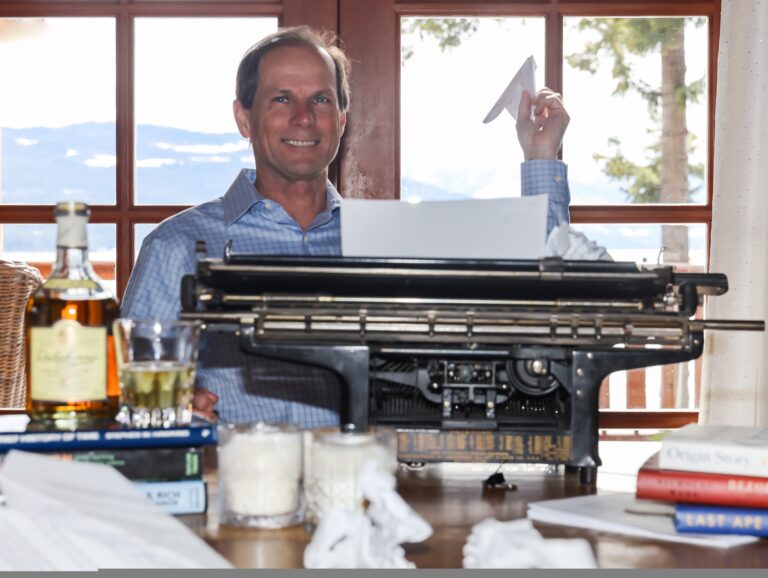
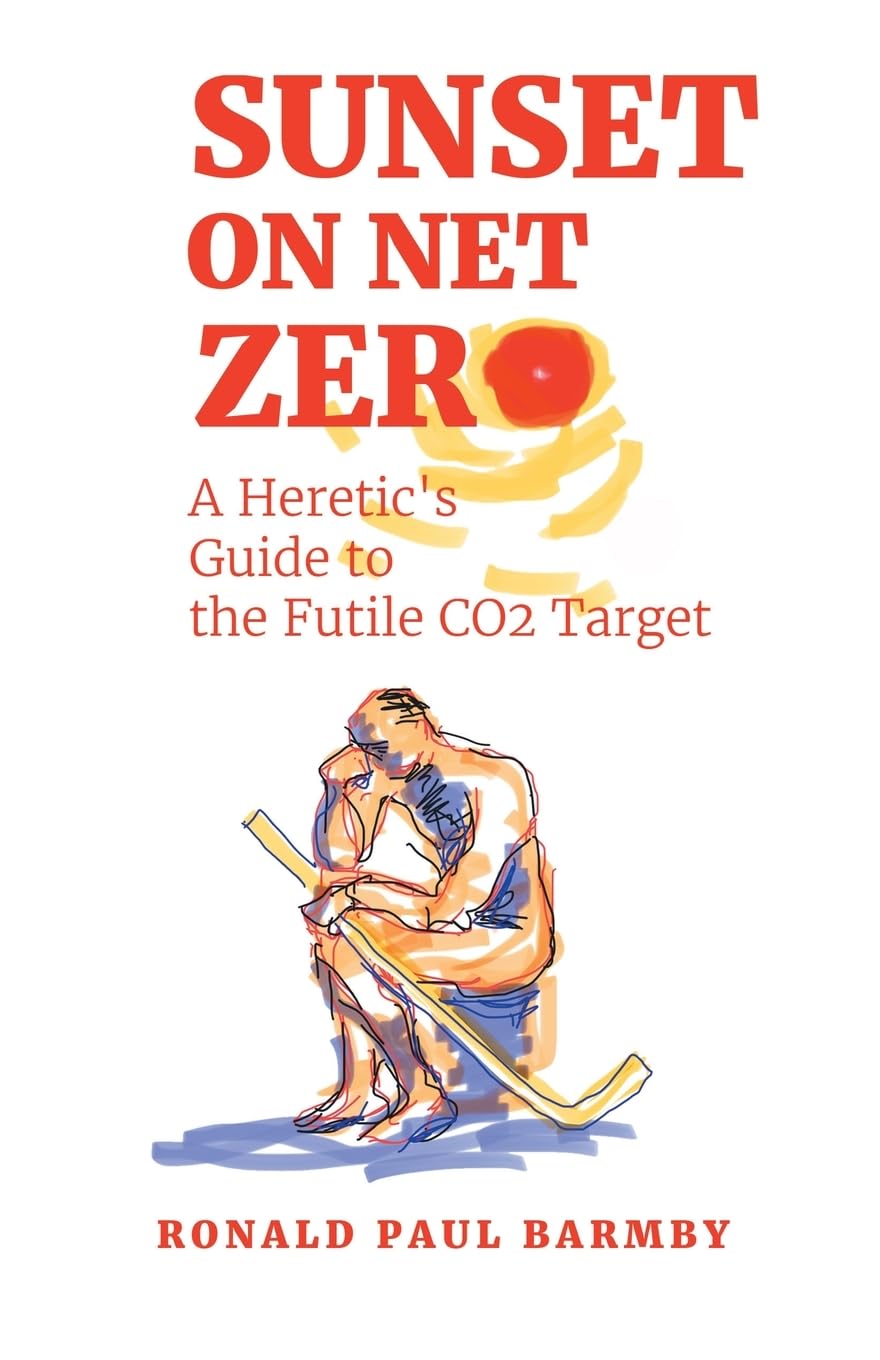
Ron Barmby is an experienced engineer from Canada and one of the signatories of Clintel’s World Climate Declaration. His first book was Sunlight on Climate Change: A Heretic’s Guide to Global Climate Hysteria; now its successor is here: Sunset on Net Zero: A Heretic’s Guide to the Futile CO2 Target.
Barmby focuses on the nonsense of Net Zero (in 2050) but also devotes part of the book to the scientific debate on the role of CO2 in global warming (here’s an earlier article by Barmby on the subject). But he is at his strongest when he applies his sober view as an engineer to the practical aspects of Net Zero; for example, he describes the technical problems of electric cars, heat pumps, solar cells, wind turbines, and CO2 storage. Barmby sums it up: what would an engineer (have to) report to his boss if he were saddled with the Net Zero 2050 project? He begins this conclusion somewhat cynically with: “There is a lot of money to be made with Net Zero 2050, as governments are always willing to invest in saving the world.”
But then comes the rest of reality, as Barmby sees it: The Paris Agreement is dead; the UN just doesn’t want to admit it. After 10 years, 100% of the signatories have failed to meet their primary reduction targets, total CO2 emissions have risen, and banks’ commitments to achieve net zero have gone up in smoke. The world’s largest and most advanced economy is (once again) pulling out.
He continues: Net Zero by 2050 is meaningless; 90% of CO2 warming is in the past because the atmosphere is already in a CO2-saturated state. This is no longer just theoretical; it has now also been observed in nature. El Niño, clouds, the warming effect of civilization (Urban Heat Island, pb), and the world’s longest thermometer series (Central England Mean Temperature) refute the hypothesis that CO2 is our planet’s thermostat. Since the IPCC’s predictions about CO2 warming have all proven to be incorrect, their hypothesis is incorrect. Period. The UN has ignored that the increase in CO2 has made the earth greener and helped feed billions of people.
Net Zero 2050 is unachievable. A stable, affordable electricity grid without CO2 emissions cannot be built with current technologies, unless nuclear energy is used. Transportation that is not based on fossil fuels and home heating are hampered by cold weather (Barmby lives in Calgary) and have little or no emissions benefits without a CO2-free electricity grid. The materials needed to build a net-zero economy are either unavailable or controlled by too few parties. Overall, there are significant but ignored environmental and agricultural costs, and the financial costs exceed what any government or future generations can afford, and the timing is unfeasible.
Net Zero 2050 is unfair. Countries committed to it are burdening future generations with debt, lower GDP, and fewer market choices. Countries that pay lip service to Net Zero while expanding fossil fuel use are thriving and aiming to dominate the future. Poor countries pay more for food because crops are converted into biofuels. At first, I thought the Net Zero 2050 project was just pointless, but after careful consideration, I think it’s insane.


more news

The EU’s Nuclear Phase-Out Was a Blunder
Following Friedrich Merz in January, Ursula von der Leyen has now also admitted that the phase-out of nuclear energy was a major ‘strategic mistake’, not only for Germany but for the EU as well. American researcher Roger Pielke Jr. uses some simple calculations to demonstrate the magnitude of the EU’s strategic blunder.

Paul Ehrlich (1932-2026): Farewell to the Long-Lived Failed Prophet of Miserablism – The Population Bomb author lived a long, wealthy, healthy life, an opportunity his work denied to countless others
Paul Ehrlich, author of The Population Bomb, became one of the most influential voices behind modern environmental pessimism. His warnings of inevitable resource depletion and societal collapse shaped decades of policy and public thinking. Yet, as history unfolded, many of his most prominent predictions failed to materialize—raising enduring questions about the consequences of alarmist narratives in science and policy.
US Energy Realism Pays Off in Iran Crisis
The stark contrast between American resilience and European collapse is a permanent lesson. National security should not be subject to the whims of the weather or the approval of climate activists in European capitals.

