News
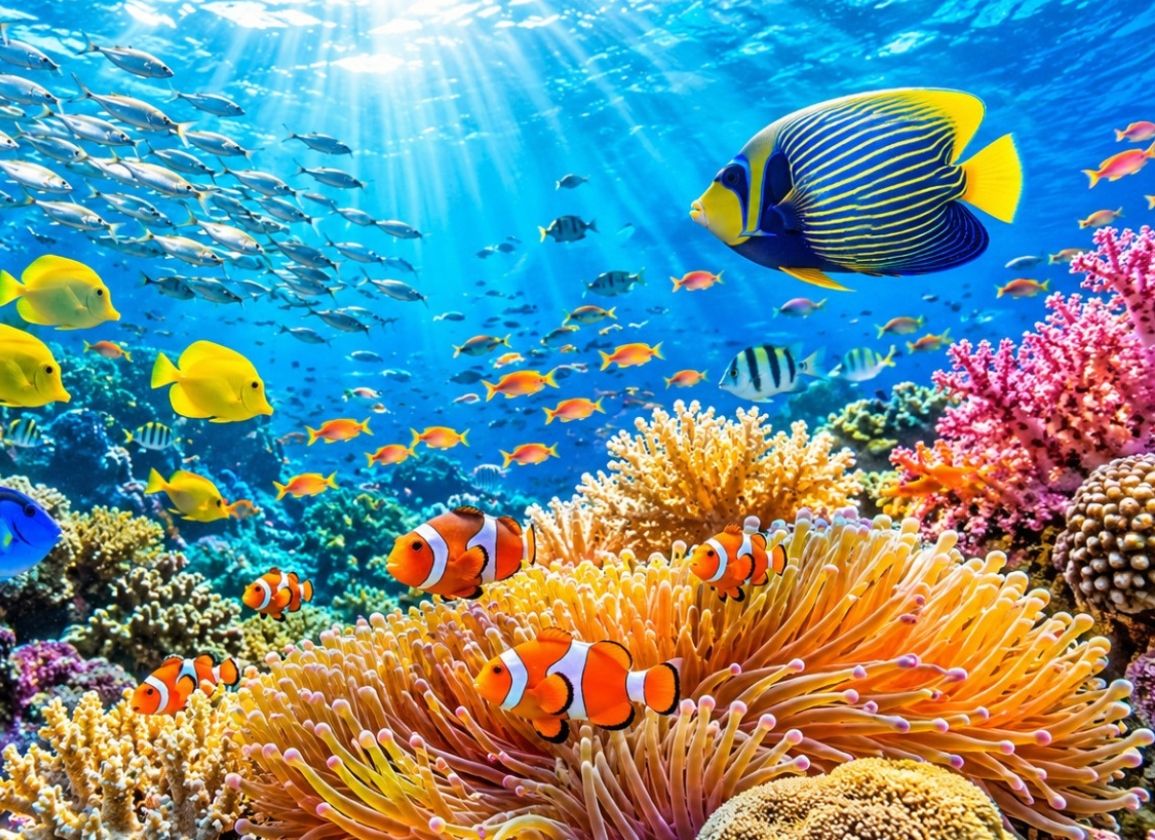
Fish boomed when CO2 was five times higher and Earth was 5–8°C warmer
A new study shows that ocean life thrived with extremely high CO2 and very warm water, says Jo Nova. This runs totally counter to the catastrophe the IPCC is marketing.
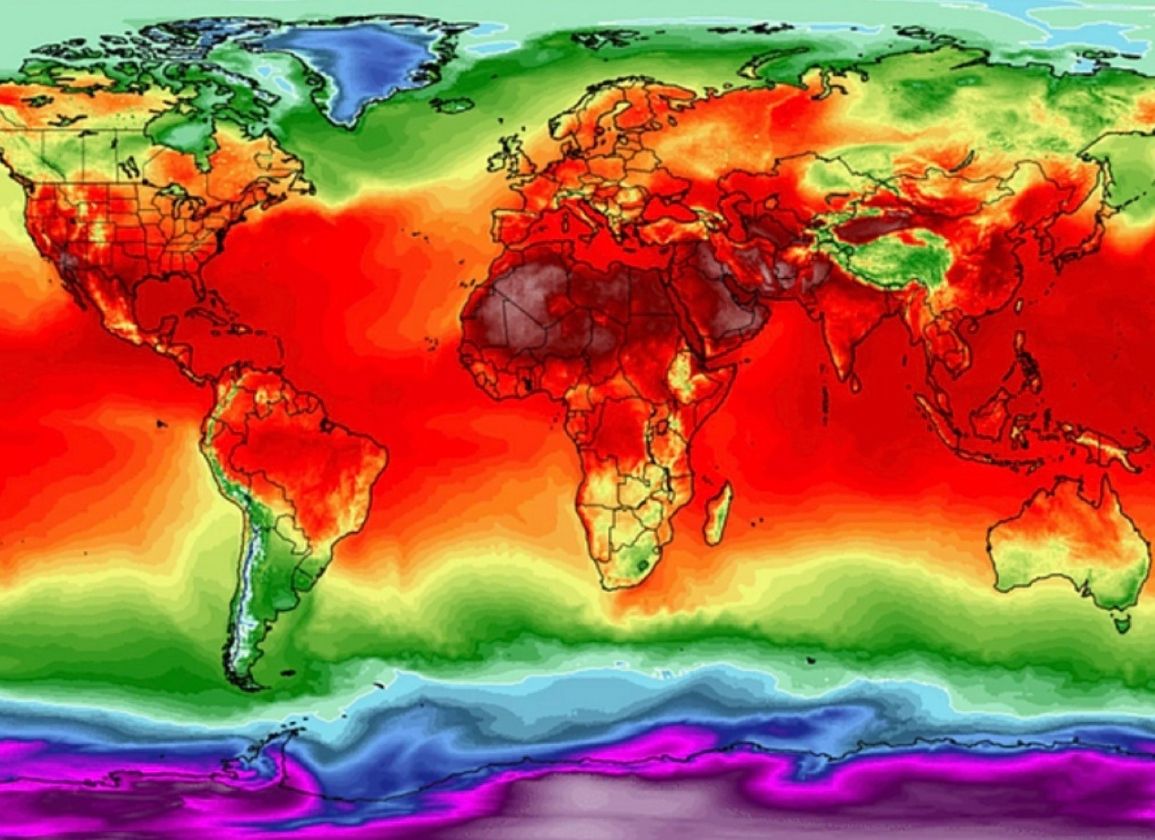
The Great Famine of the 21st Century
A cautionary tale of our future climate by David Siegel.
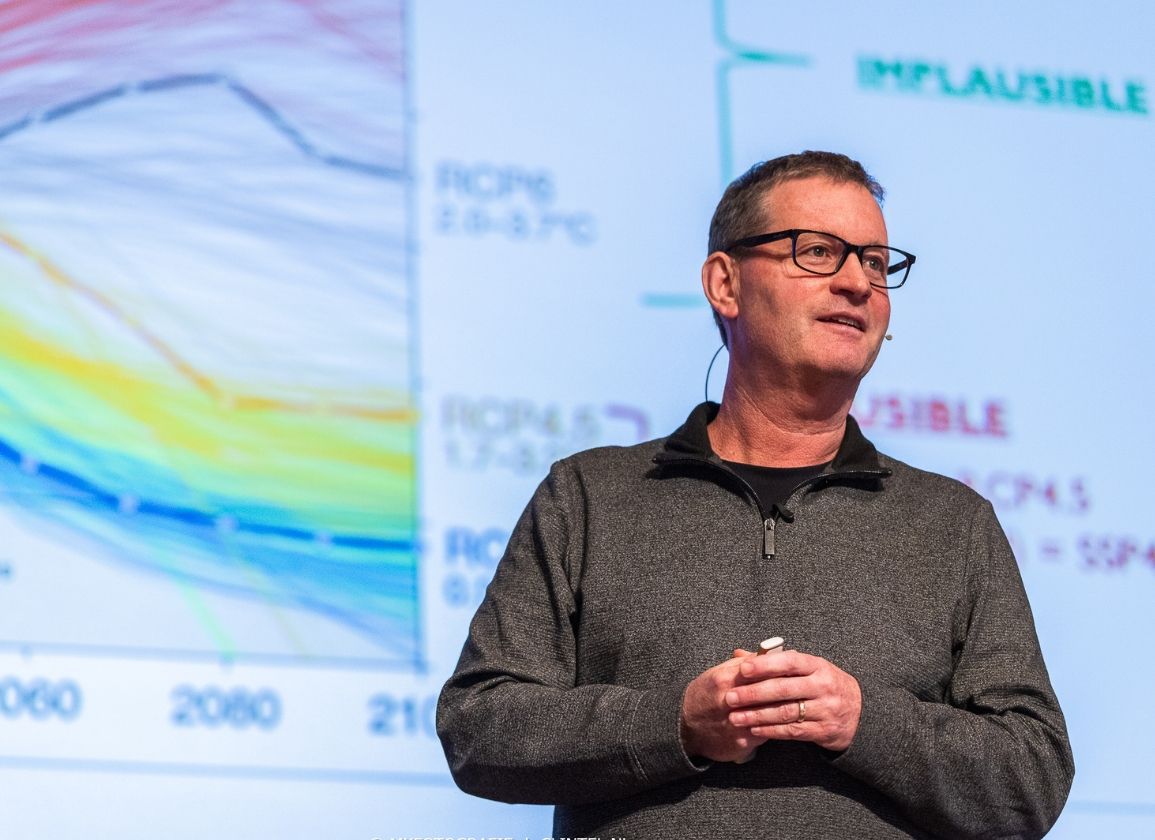
Roger Pielke Jr.: How RCP8.5 Became the Climate Policy Nightmare
In his second presentation for Clintel on October 11th, Roger Pielke Jr. explained how an extreme emissions scenario, originally designed to explore a possible future, became one of the dominant assumptions in climate research and policy.

Halloween is saved: pumpkins are not endangered by climate change
CBC’s ‘Climate Change’ spook story about Canadian pumpkin harvests is all trick and no treat. CBC should have had done a little more homework and showed more discernment when making claims about long term climate change based on two years of pumpkin harvests, says Linnea Lueken.
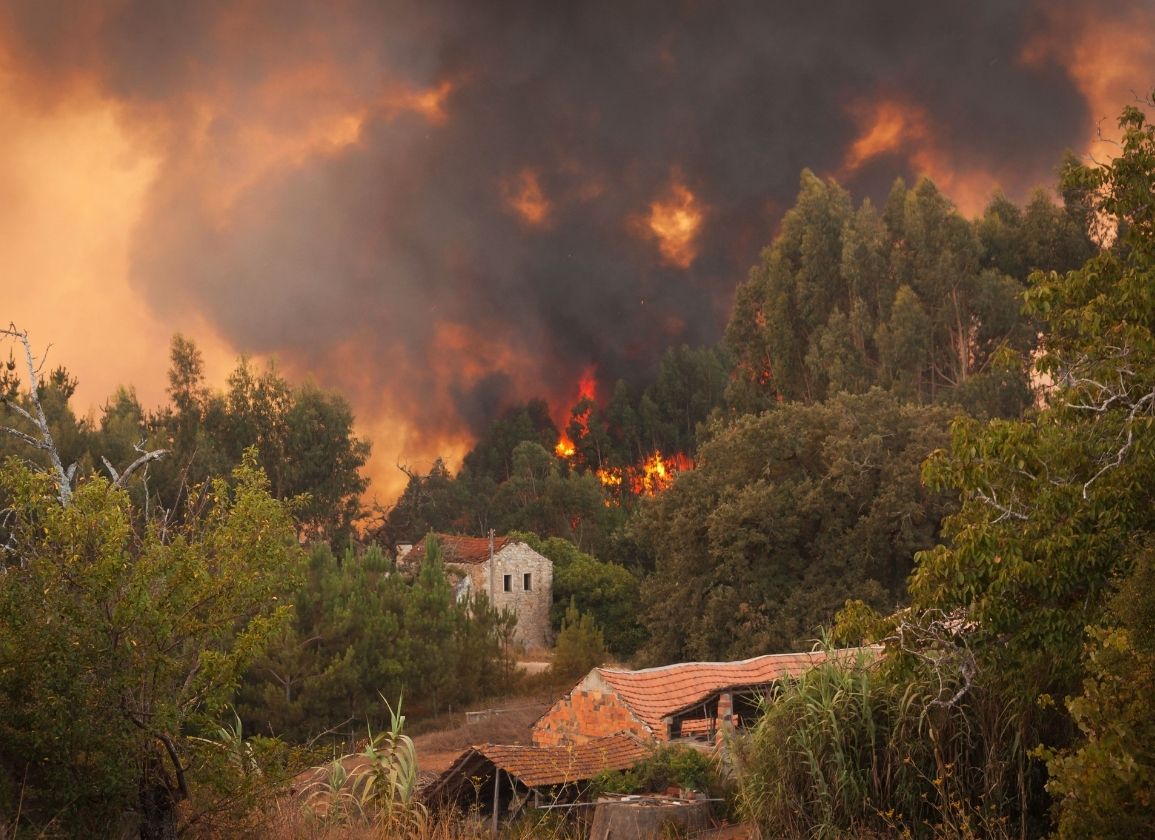
No Evidence Extreme Weather Events Are Becoming More Frequent or Intense: (6) Wildfires
In a series of articles physicist Ralph B. Alexander examines whether weather extremes are becoming more frequent or intense. Following his previous article on tornadoes, this final installment focuses on wildfires.
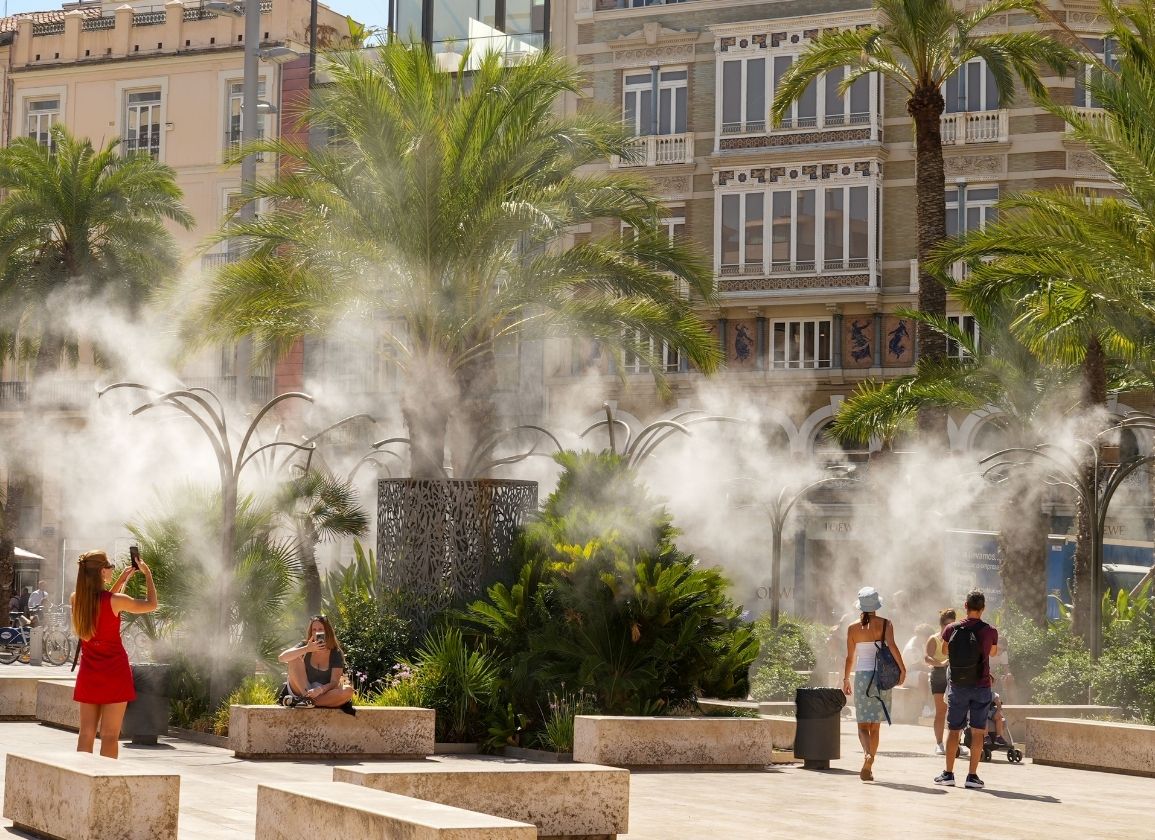
Claim of 50,000 heat-related deaths not based on facts
Once again, the media were reporting on heat-related deaths. As many as 50,000 people were said to have succumbed to the heat in European cities this summer. The media reported the news uncritically. However, a fact-check by Marcel Crok reveals that the researchers did not use any mortality figures at all in this study and that assumptions were piled upon assumptions.
News
Fish boomed when CO2 was five times higher and Earth was 5–8°C warmer
A new study shows that ocean life thrived with extremely high CO2 and very warm water, says Jo Nova. This runs totally counter to the catastrophe the IPCC is marketing.
The Great Famine of the 21st Century
A cautionary tale of our future climate by David Siegel.
Roger Pielke Jr.: How RCP8.5 Became the Climate Policy Nightmare
In his second presentation for Clintel on October 11th, Roger Pielke Jr. explained how an extreme emissions scenario, originally designed to explore a possible future, became one of the dominant assumptions in climate research and policy.
Halloween is saved: pumpkins are not endangered by climate change
CBC’s ‘Climate Change’ spook story about Canadian pumpkin harvests is all trick and no treat. CBC should have had done a little more homework and showed more discernment when making claims about long term climate change based on two years of pumpkin harvests, says Linnea Lueken.
No Evidence Extreme Weather Events Are Becoming More Frequent or Intense: (6) Wildfires
In a series of articles physicist Ralph B. Alexander examines whether weather extremes are becoming more frequent or intense. Following his previous article on tornadoes, this final installment focuses on wildfires.
Claim of 50,000 heat-related deaths not based on facts
Once again, the media were reporting on heat-related deaths. As many as 50,000 people were said to have succumbed to the heat in European cities this summer. The media reported the news uncritically. However, a fact-check by Marcel Crok reveals that the researchers did not use any mortality figures at all in this study and that assumptions were piled upon assumptions.