
latest news
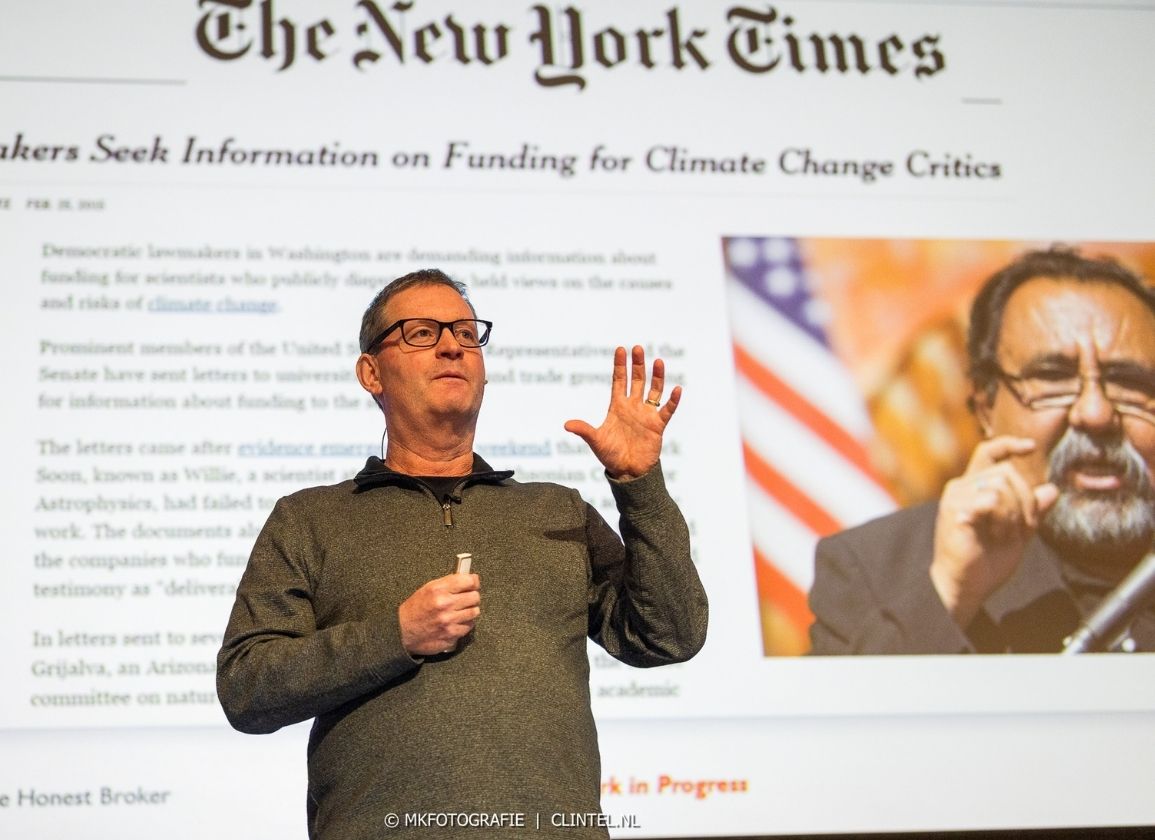
Roger Pielke Jr.: “Don’t accept the label climate sceptic so easily”
In his first of two recent lectures for Clintel, Roger Pielke Jr. examined the politicized debate over climate change. His central argument was that climate change is real and deserves serious attention, but that public discussion frequently goes far beyond what the scientific evidence supports. He also described how he was a target of political attacks, including some from the Obama White House.
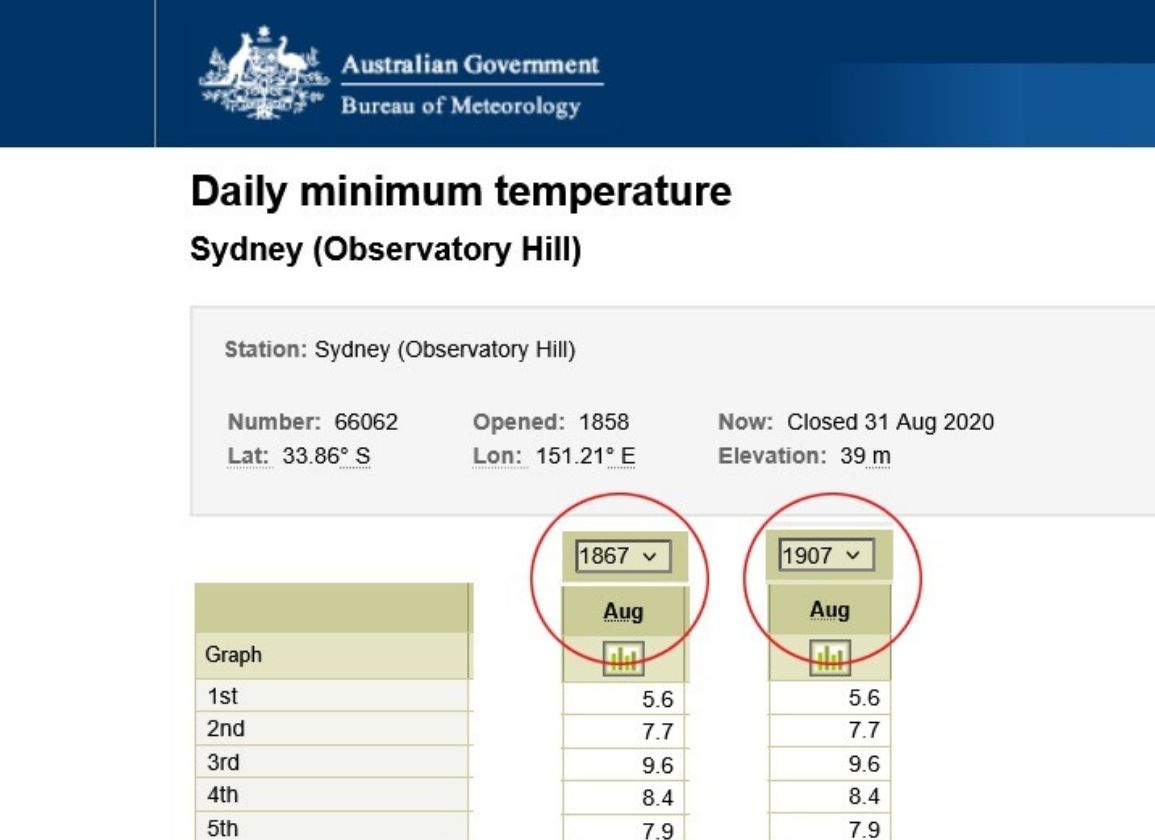
Australian Bureau of Meteorology in trouble for copy-pasting temperature records
Jennifer Marohasy gives an update about the scandal surrounding the temperature records of the Australian Bureau of Meteorology. Its digital file showed August 1867 and August 1907 as identical on all 31 days, to a tenth of a degree. But that’s not the only problem.

The Climate Narrative is Collapsing
The climate house of cards is collapsing, as became clear last week at the IPCC meeting in Ethiopia. The climate narrative has never had any substance, and now that the flow of funding is being cut off, there will soon be nothing left, says Wim Röst, Chair of the Clintel Board.
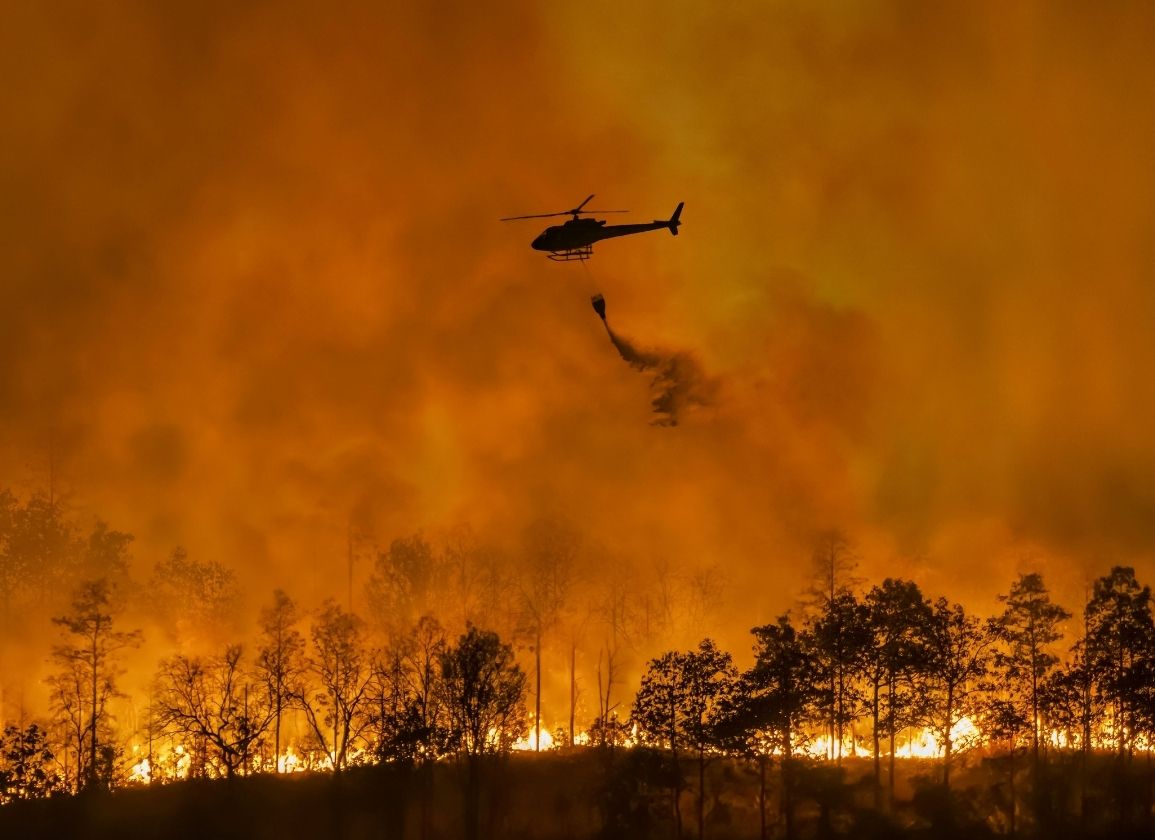
Global Burned Area 18% Below Average
Global burned area was 18% below average this past season and has been falling for two decades. Why is that only one sentence in the annual State of Wildfires report, Charles Rotter asks.
| Climate change | 306 |
| Climate policy | 278 |
| CO₂ | 200 |
| Energy transition | 180 |
| Climate Science | 179 |
| Net Zero | 154 |
| see more close table | |
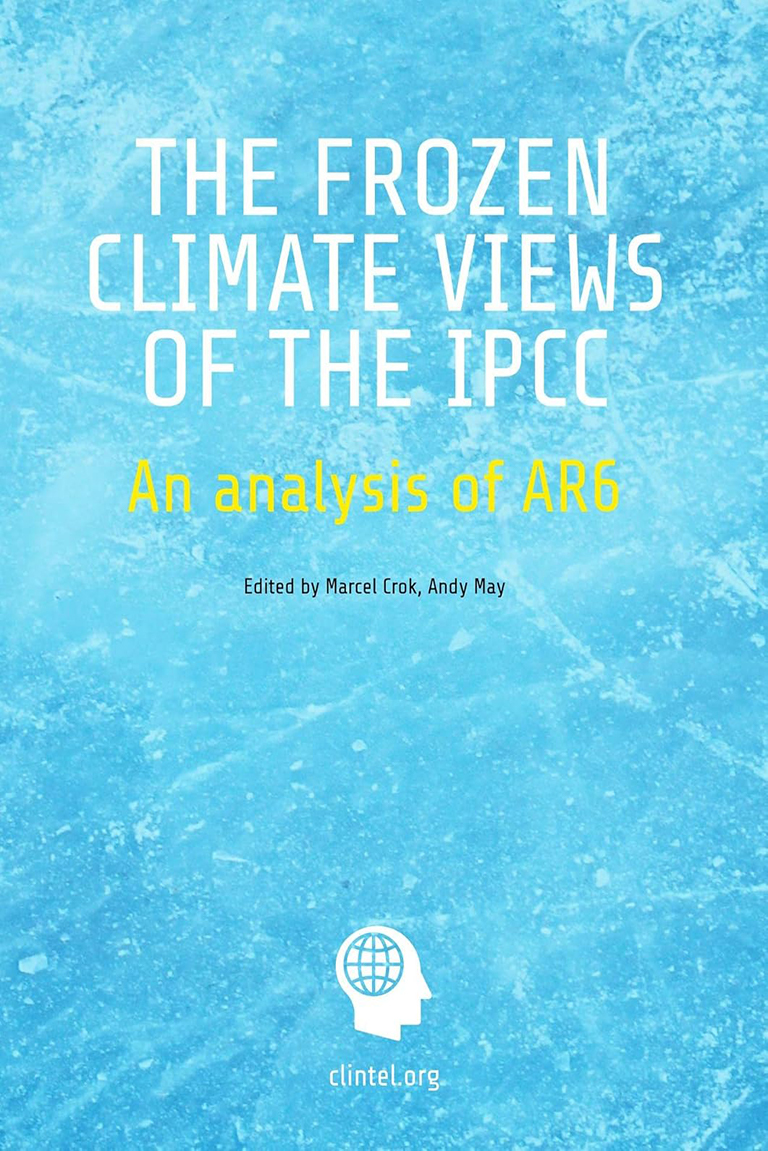
Analysis of IPCC report
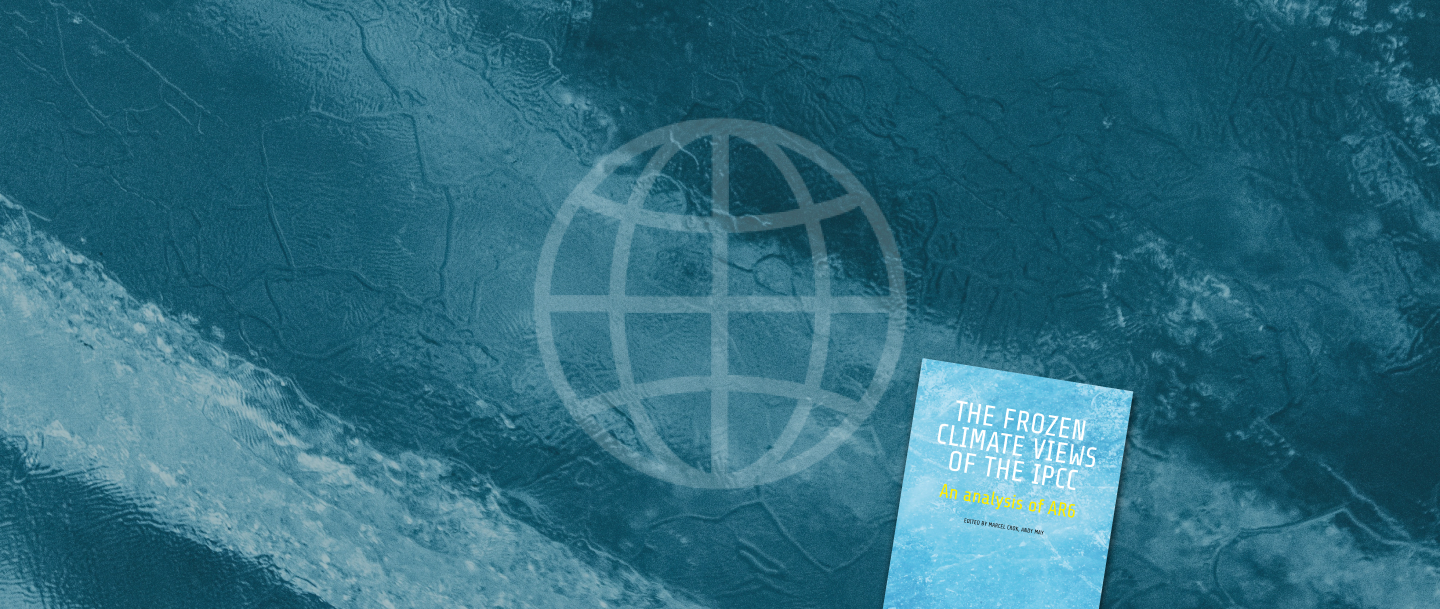
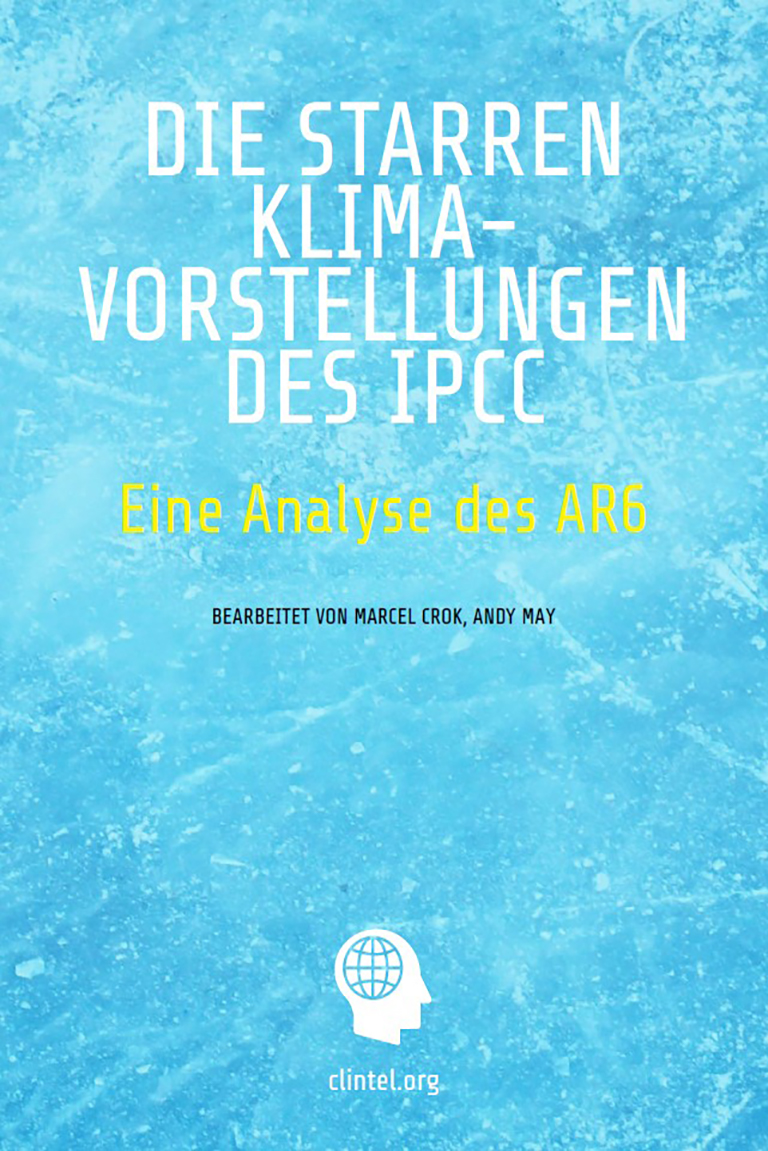
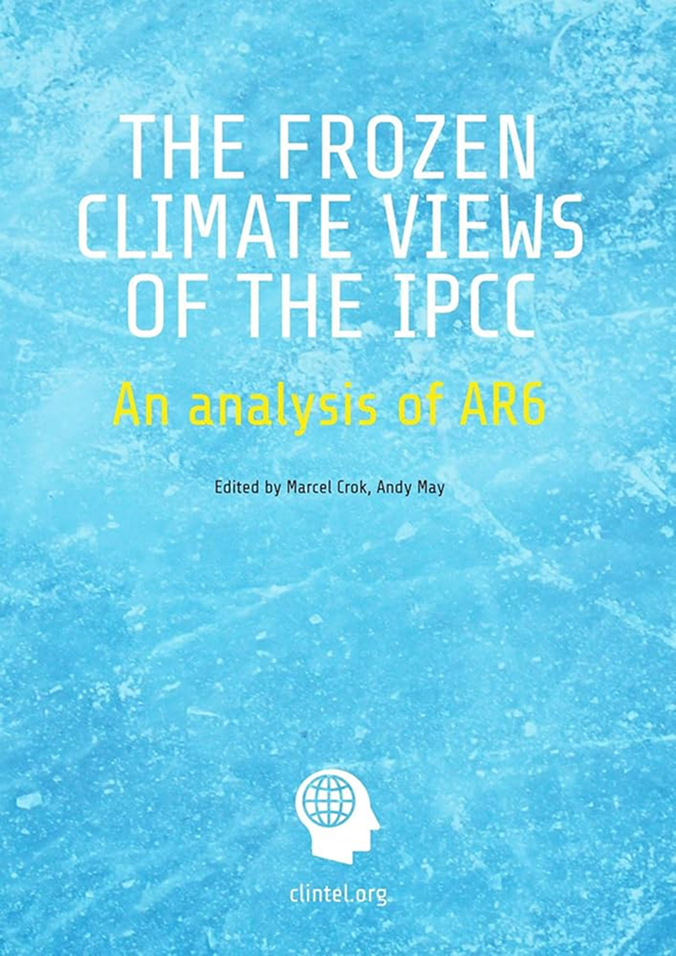
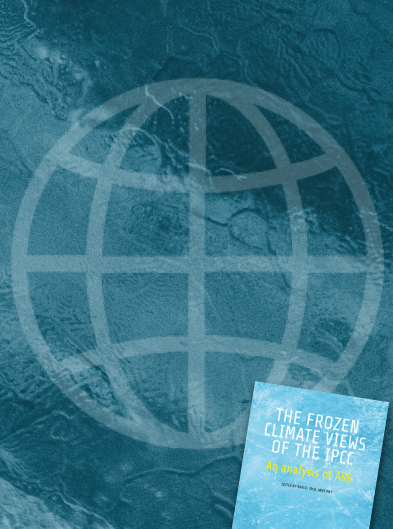
The Frozen Climate Views of the IPCC
The Clintel Foundation has published the book The Frozen Climate Views of the IPCC. It’s by far the most important work of its existence. In thirteen chapters we indicate per theme whether the IPCC has done its work well. In short, we conclude that the IPCC has made several serious mistakes.
ABOUT CLINTEL
Climate Intelligence Foundation
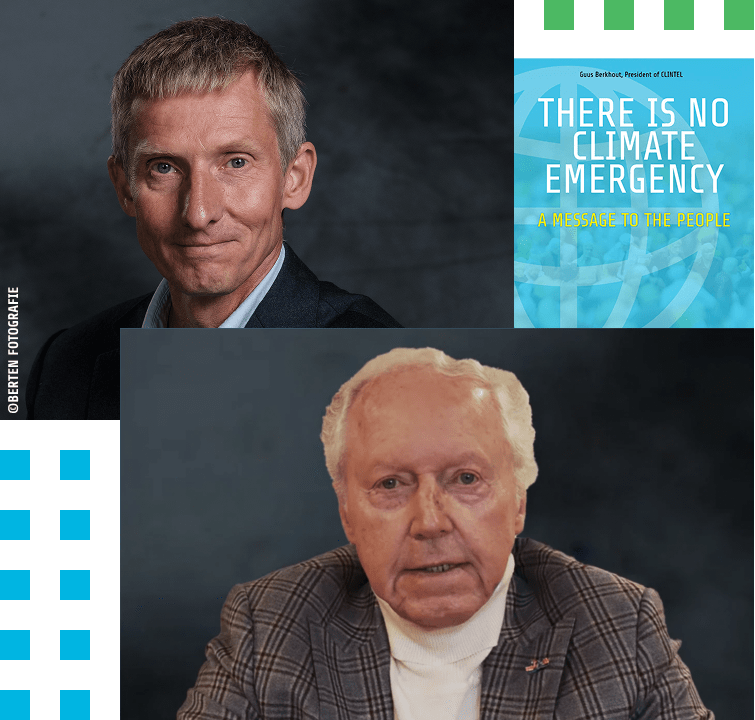
Climate Intelligence (Clintel) is an independent foundation informing people about climate change and climate policies. Clintel was founded in 2019 by emeritus professor of geophysics Guus Berkhout and science journalist Marcel Crok. Clintel’s main objective is to generate knowledge and understanding of the causes and effects of climate change as well as the effects of climate policy on the economy and the environment.
latest news
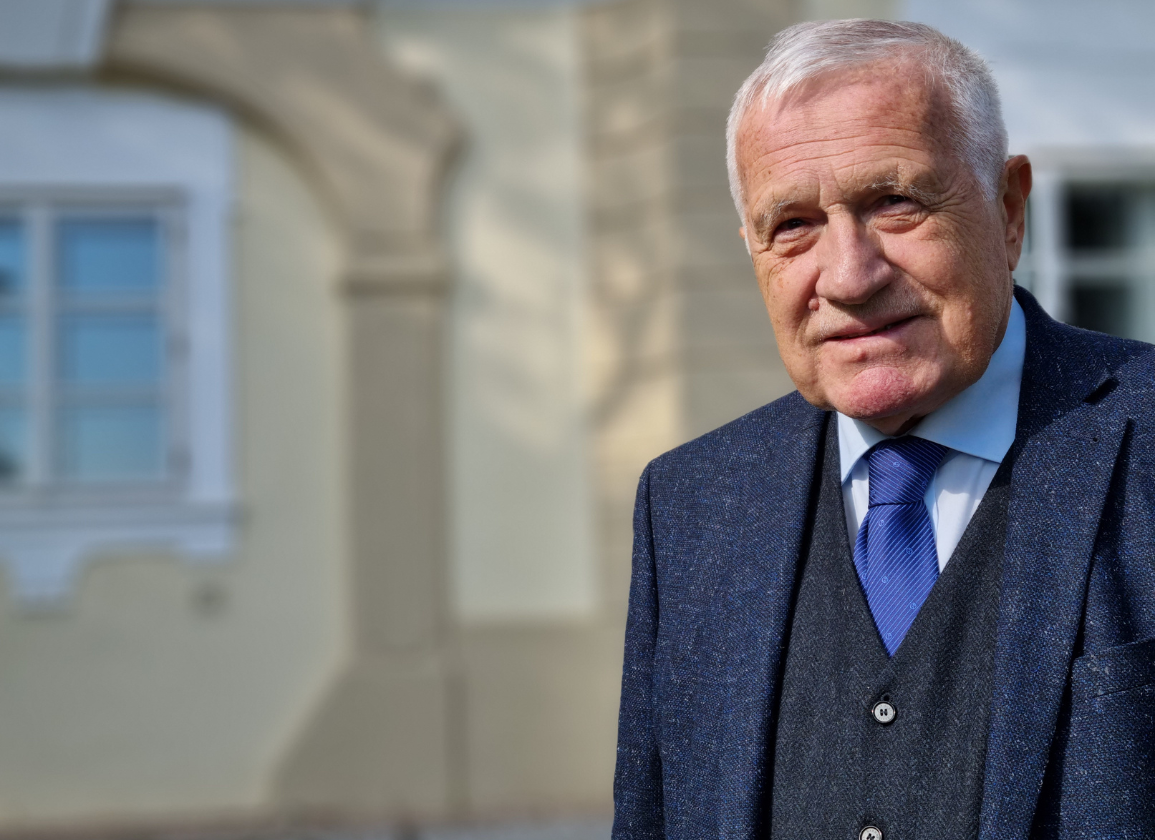
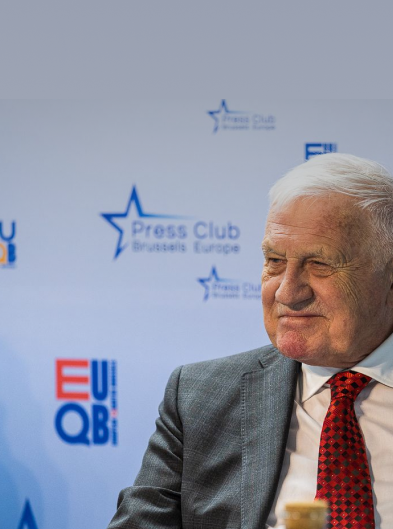
Former Czech President Václav Klaus appointed President of Clintel
Former Czech President Václav Klaus appointed President of Clintel The Climate Intelligence Group (Clintel) is honoured to announce that Professor Václav Klaus, the former President of the Czech Republic, from today on [...]
Roger Pielke Jr.: “Don’t accept the label climate sceptic so easily”
In his first of two recent lectures for Clintel, Roger Pielke Jr. examined the politicized debate over climate change. His central argument was that climate change is real and deserves serious attention, but that public discussion frequently goes far beyond what the scientific evidence supports. He also described how he was a target of political attacks, including some from the Obama White House.
Australian Bureau of Meteorology in trouble for copy-pasting temperature records
Jennifer Marohasy gives an update about the scandal surrounding the temperature records of the Australian Bureau of Meteorology. Its digital file showed August 1867 and August 1907 as identical on all 31 days, to a tenth of a degree. But that’s not the only problem.
the latest IPCC report
The Frozen Climate Views of the IPCC
The Clintel Foundation has contributed to the publication of the book The Frozen Climate Views of the IPCC by far the most important work of its existence. In thirteen chapters we indicate per theme whether the IPCC has done its work well. In short, we conclude that the IPCC has made several serious mistakes.
ABOUT CLINTEL
Climate Intelligence Foundation
Climate Intelligence (Clintel) is an independent foundation informing people about climate change and climate policies. Clintel was founded in 2019 by emeritus professor of geophysics Guus Berkhout and science journalist Marcel Crok. Clintel’s main objective is to generate knowledge and understanding of the causes and effects of climate change as well as the effects of climate policy on the economy and the environment.