
Dr. Matthew Wielicki: The Weather Stations We Never Had
How sparse thermometers and generous infilling built a global temperature story.

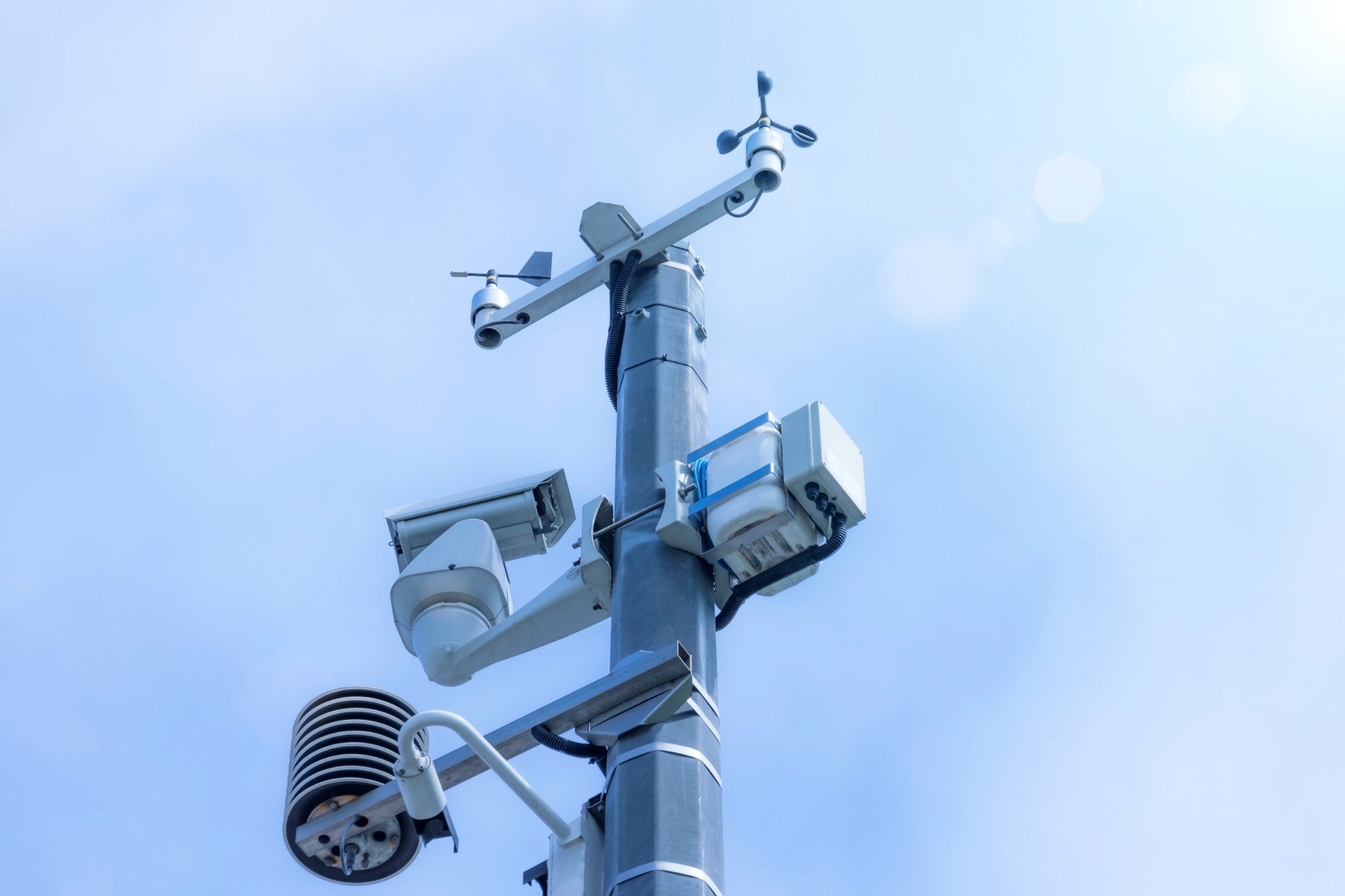
A central pillar of the climate-crisis narrative is simple enough to fit on a bumper sticker… today is the hottest in human history. That line only works if you accept, without question, that we have reliable, global temperature data before satellites. We do not. What we have is a patchwork of land stations concentrated in a few developed regions, a lot of ocean guesses from ship tracks, and then, later, generous statistical infilling.
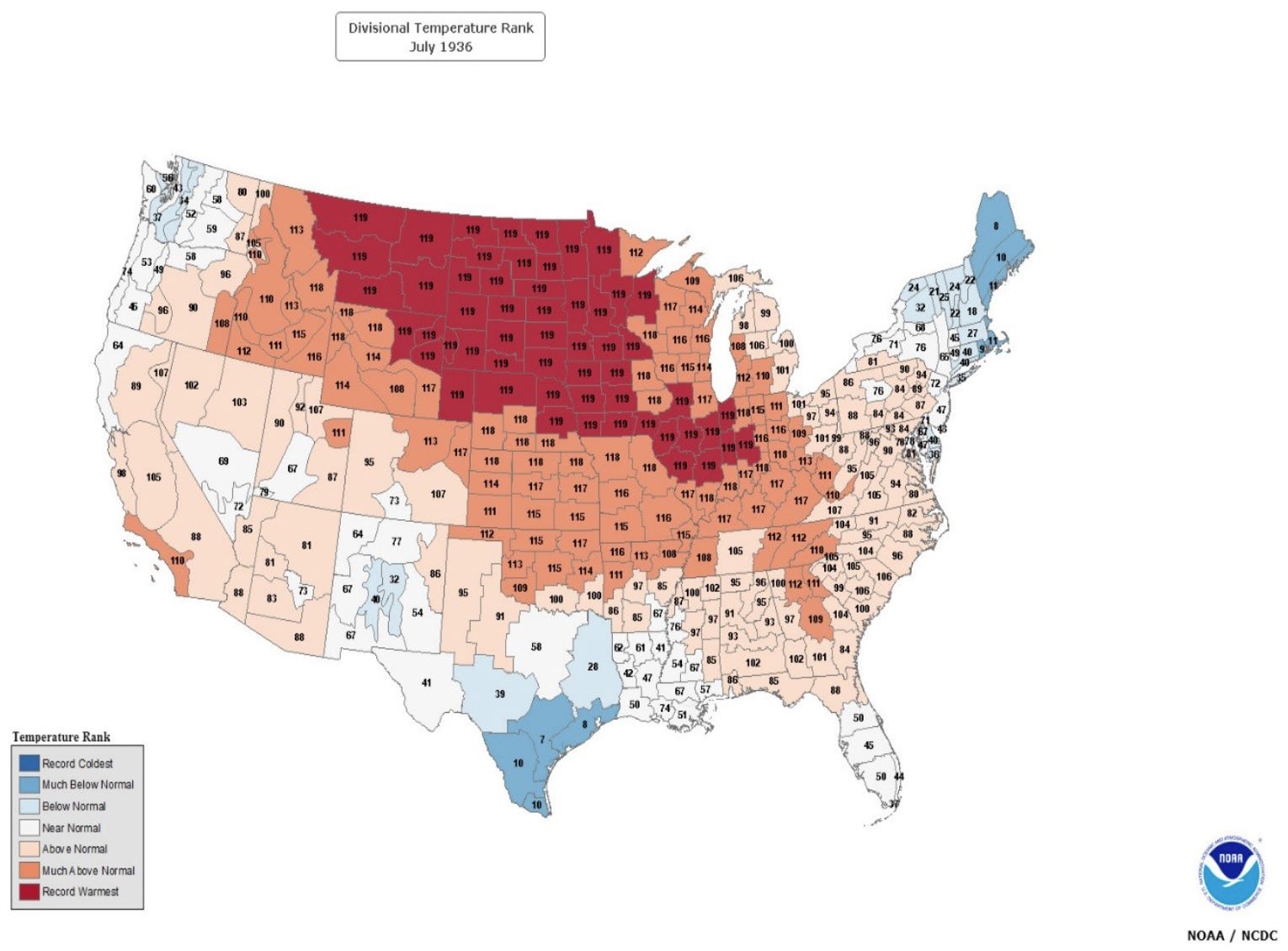
Everyone agrees the 1930s were brutally hot across the United States… the Dust Bowl was a humanitarian and ecological disaster. Crops failed, soils blew away, and heat waves killed thousands. NOAA’s own retrospectives still call out 1936 as a benchmark summer, and July 1936 remains a singular month in the U.S. record.
Atmospheric CO₂ at that time was roughly 310 PPM, a level derived from ice core records and widely used in NASA’s GISS datasets.
So the story we are told goes like this… yes, the U.S. was scorched in the 1930s, but the world was cooler, and only in the modern era did global temperatures rise everywhere. That story depends less on observations and more on algorithms.
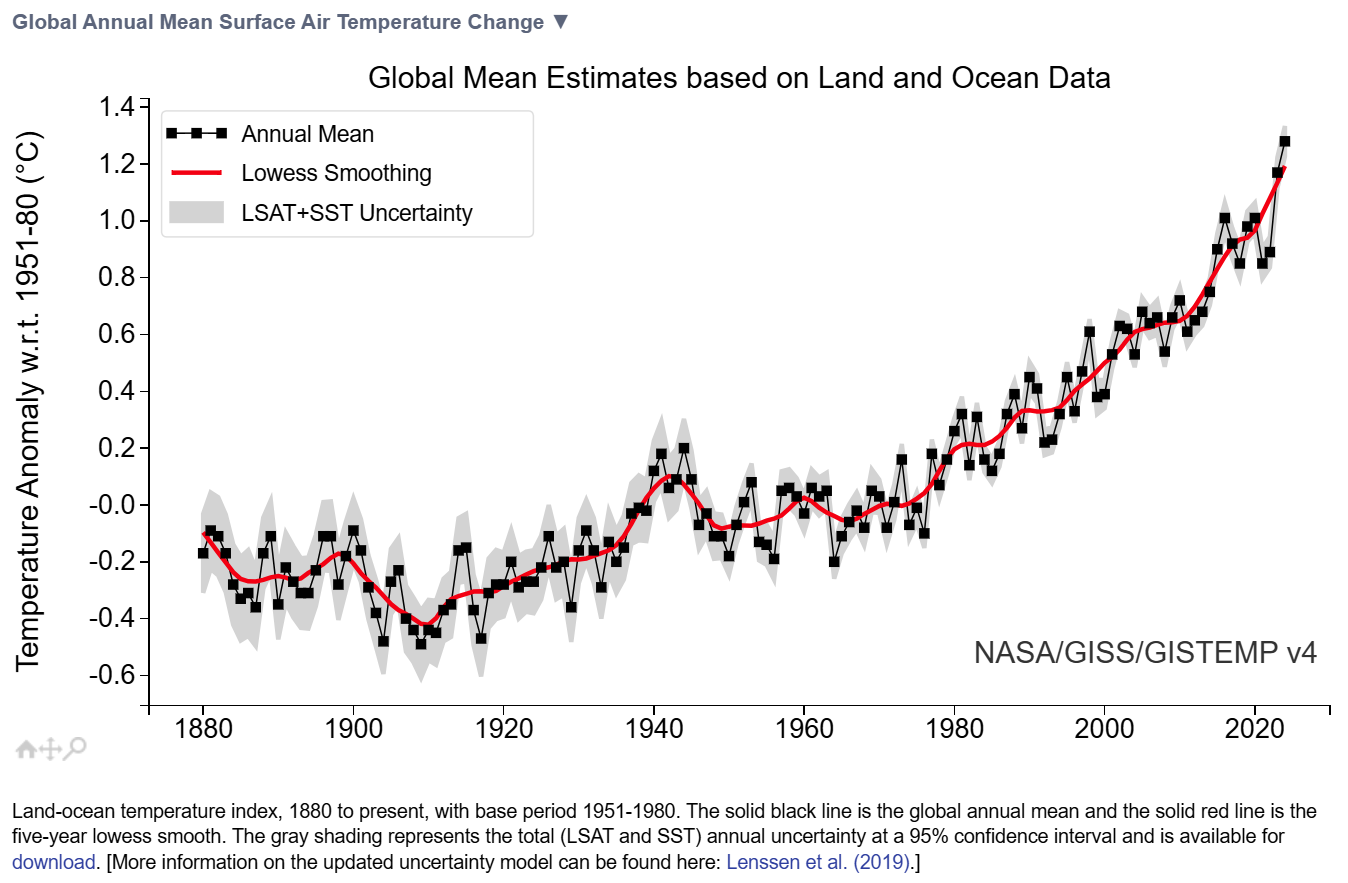
The global map we never measured
Now the uncomfortable part. When there are no thermometers, you either leave grid boxes blank, or you paint numbers in from far away. HadCRUT historically left many boxes blank, explicitly avoiding interpolation, which means the “global” mean depends on where you have observations. NASA’s GISTEMP goes the other direction and spreads anomalies up to twelve hundred kilometers from a station, filling the gaps with 1200 km smoothing. Those are not trivial choices, they are the ballgame.
If you overlay the 1930s anomaly map with the station density maps, you see something obvious… warm where the thermometers were numerous, cool or neutral where coverage was threadbare. A compilation of historical station distribution between 1921 and 1950 makes the same basic point… the network was sparse and badly unbalanced.
Today’s “records,” the jet-exhaust problem
If you want to read more you have to subscribe to Irrational Fear

Dr. Matthew Wielicki
This article was published on 9 August 2025 by Dr Matthew Wielicki on his website Irrational Fear.
By subscribing you can unlock the full breakdown, plus get access to more than 380 deep-dive pieces that dismantle the pillars of the climate crisis narrative.

more news

The EU’s Nuclear Phase-Out Was a Blunder
Following Friedrich Merz in January, Ursula von der Leyen has now also admitted that the phase-out of nuclear energy was a major ‘strategic mistake’, not only for Germany but for the EU as well. American researcher Roger Pielke Jr. uses some simple calculations to demonstrate the magnitude of the EU’s strategic blunder.

Paul Ehrlich (1932-2026): Farewell to the Long-Lived Failed Prophet of Miserablism – The Population Bomb author lived a long, wealthy, healthy life, an opportunity his work denied to countless others
Paul Ehrlich, author of The Population Bomb, became one of the most influential voices behind modern environmental pessimism. His warnings of inevitable resource depletion and societal collapse shaped decades of policy and public thinking. Yet, as history unfolded, many of his most prominent predictions failed to materialize—raising enduring questions about the consequences of alarmist narratives in science and policy.
US Energy Realism Pays Off in Iran Crisis
The stark contrast between American resilience and European collapse is a permanent lesson. National security should not be subject to the whims of the weather or the approval of climate activists in European capitals.

