COP31 Collides with Dangerous New “Stop Fossil Fuel” Movement
The Transitioning Away from Fossil Fuels (TAFF) movement is now firmly established as a major and dangerous force in international climate policy, says David Wojick.
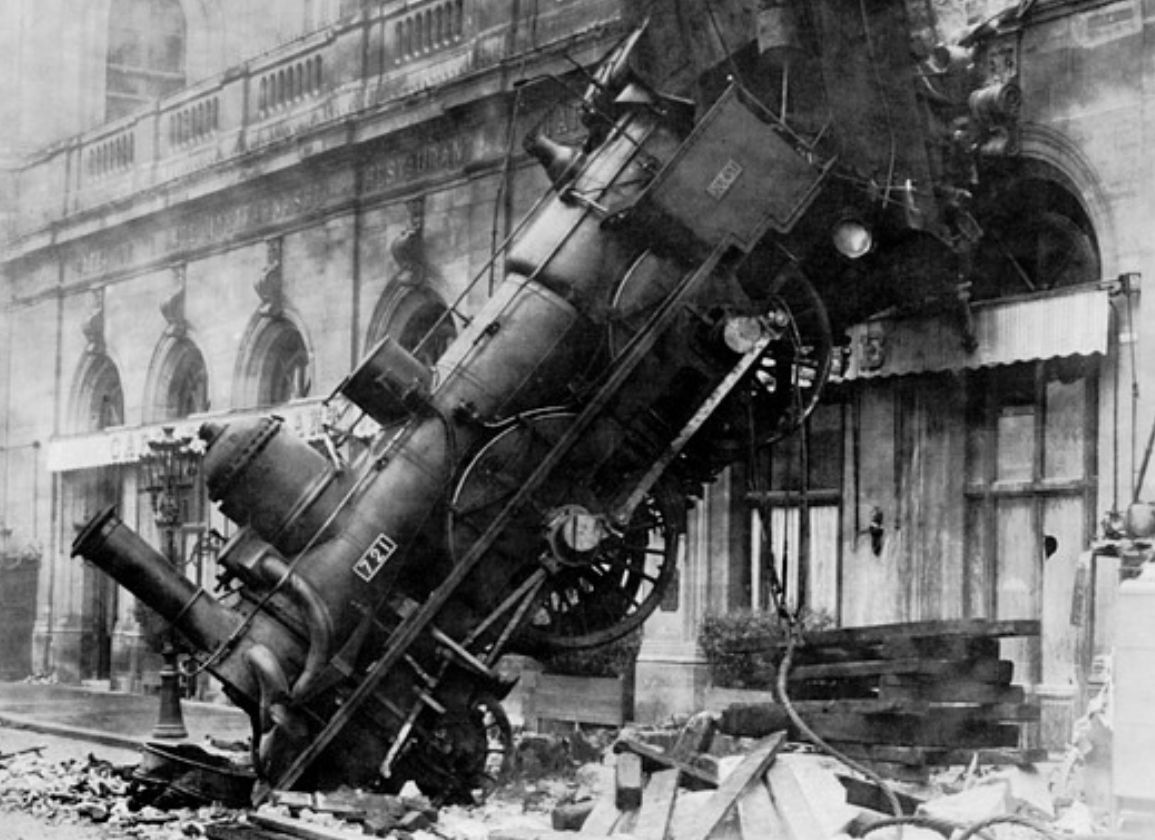
For the first time in years there was no final agreement to announce at the end of a COP meeting. Jo Nova reflects on the failure of COP31. “The UN plan to advertise and promote more Chinese wind and solar products isn’t working this week.”
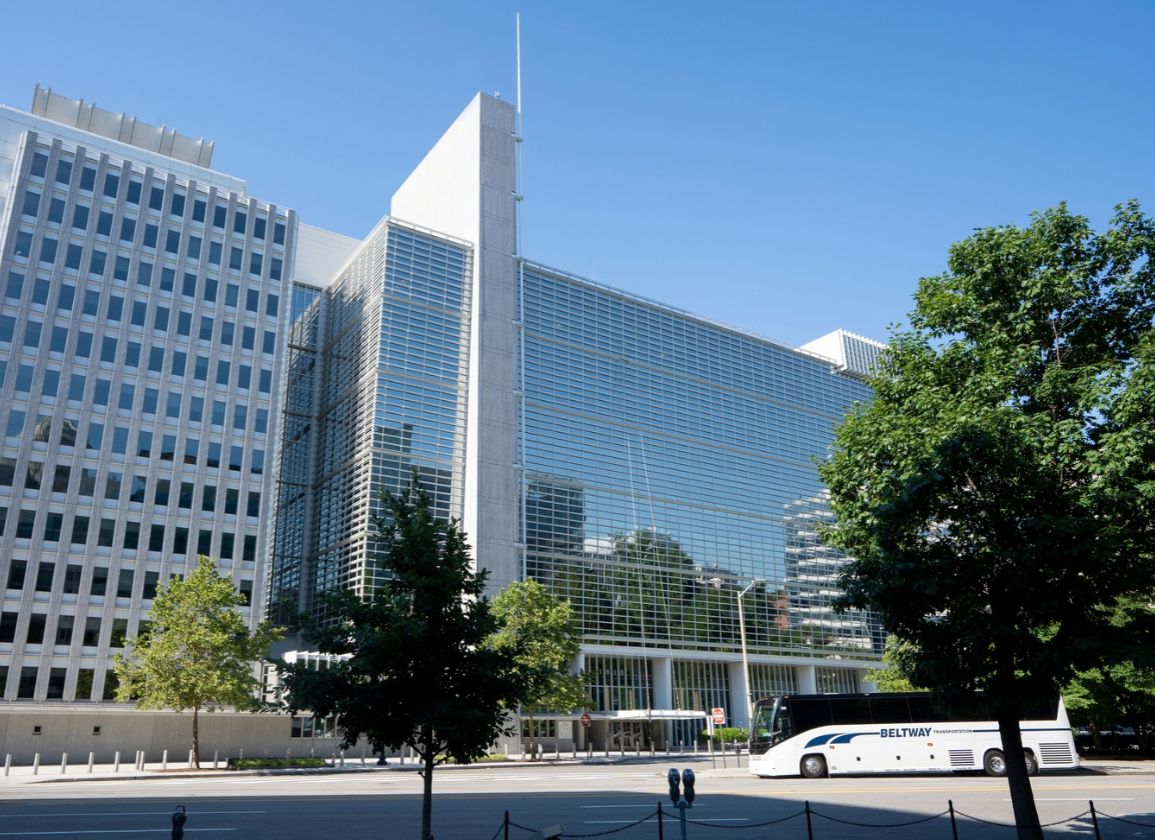
The World Bank was founded to promote economic growth in developing countries but has joined the brigade fulminating against the weather gods. The world’s poor deserve better than that, says Tilak Doshi.
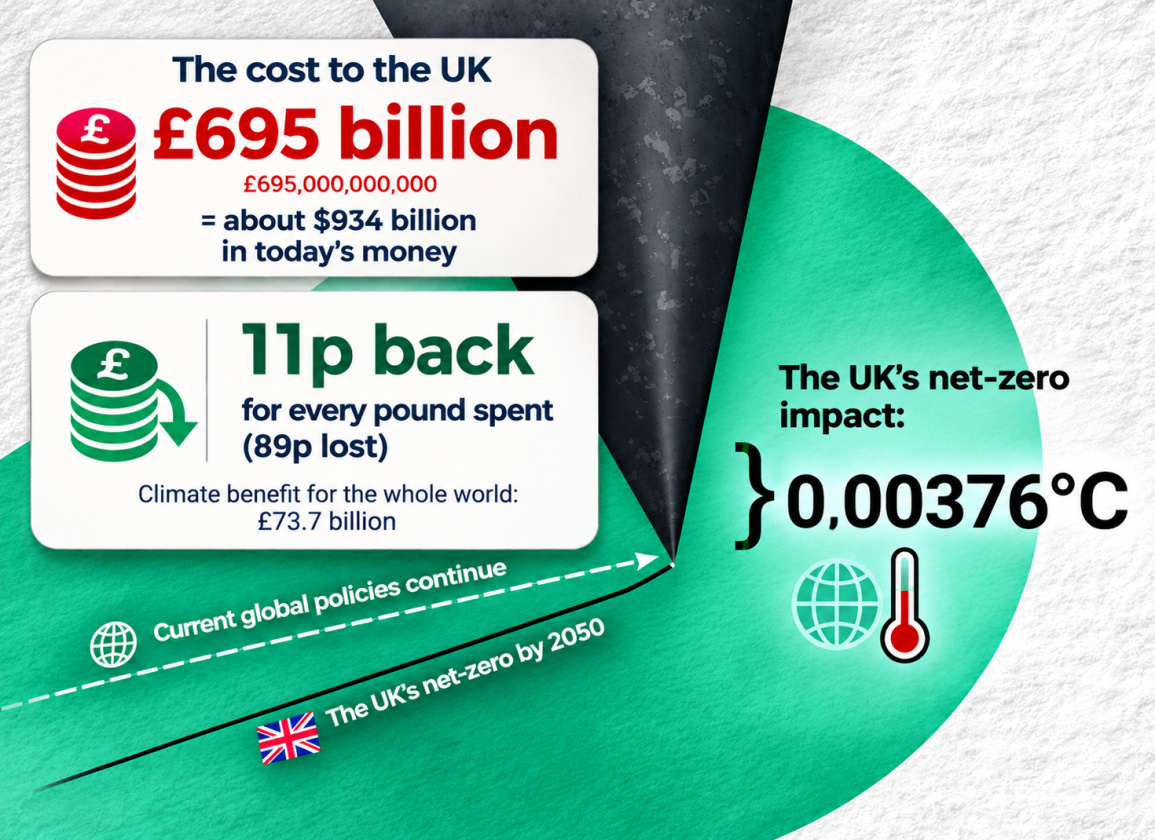
Bjorn Lomborg recently discussed (the results of) his new website netzerocostbenefit.com. On The Andrew Neil Report, the Danish political scientist gave Britain as an example: it would have to spend £695 billion to get to net zero in 2050, which would result in a global temperature reduction of 0.00376°C (also see this Clintel article).
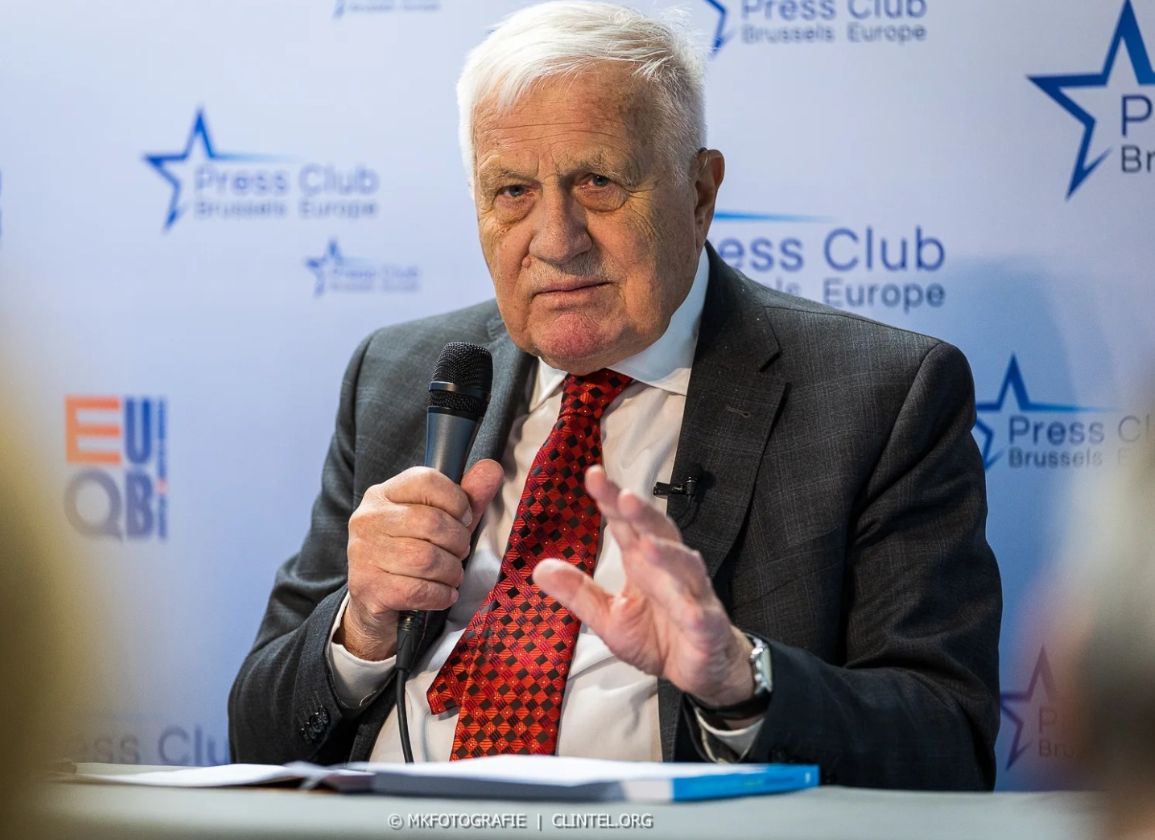
The French Association des climato-réalistes is organising a conference on Thursday 3 December featuring Václav Klaus, former President of the Czech Republic and current President of Clintel (see the bottom of the article for registration details). Our esteemed colleagues at the Association des climato-réalistes and at climategate.nl recalled the following prescient commentary by Klaus from 2007 in connection with this event.
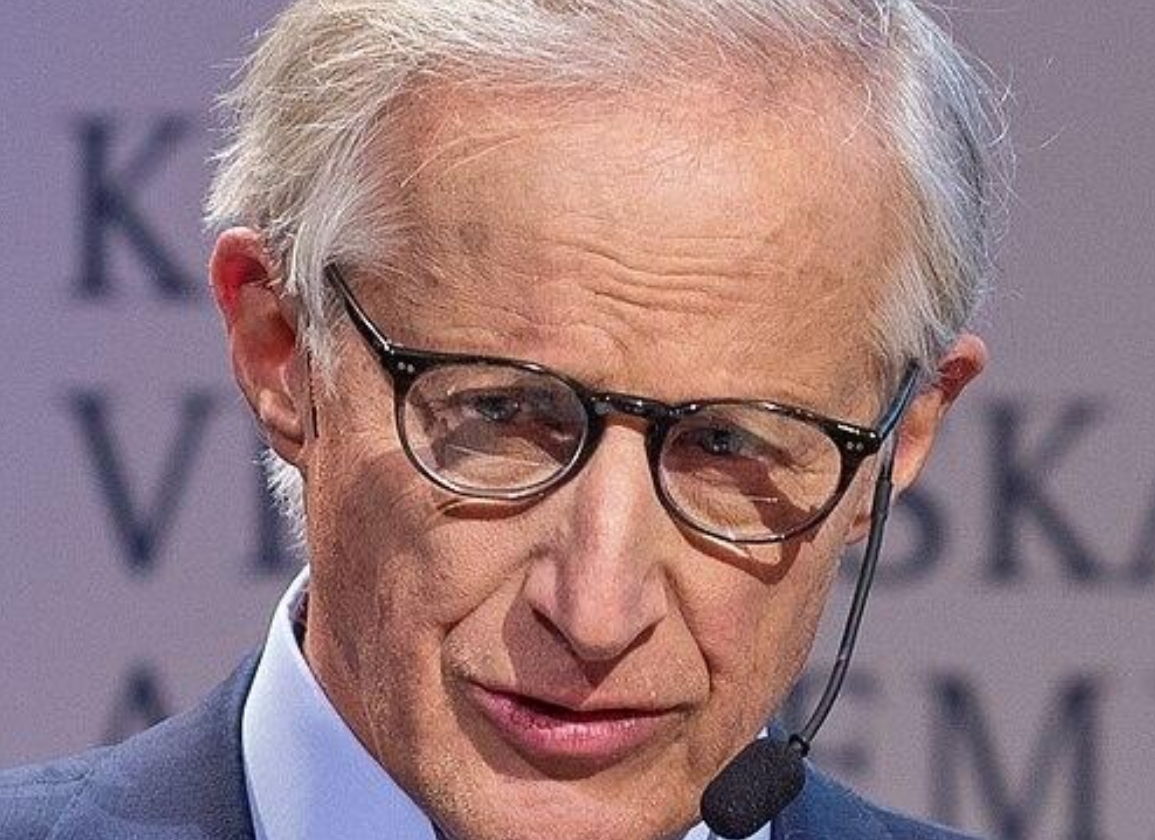
William Nordhaus was an American economist, best known for his work in economic modelling and climate change, and a co-recipient of the 2018 Nobel Memorial Prize in Economic Sciences. He passed away on 30 October, aged 85.
If Britain reaches its Net Zero target in 2050, the world will be 0.00376 °C less warm by 2100. Is that really worth £695 bn?
Clintel: complaint against Dutch public broadcaster over one-sided [...]
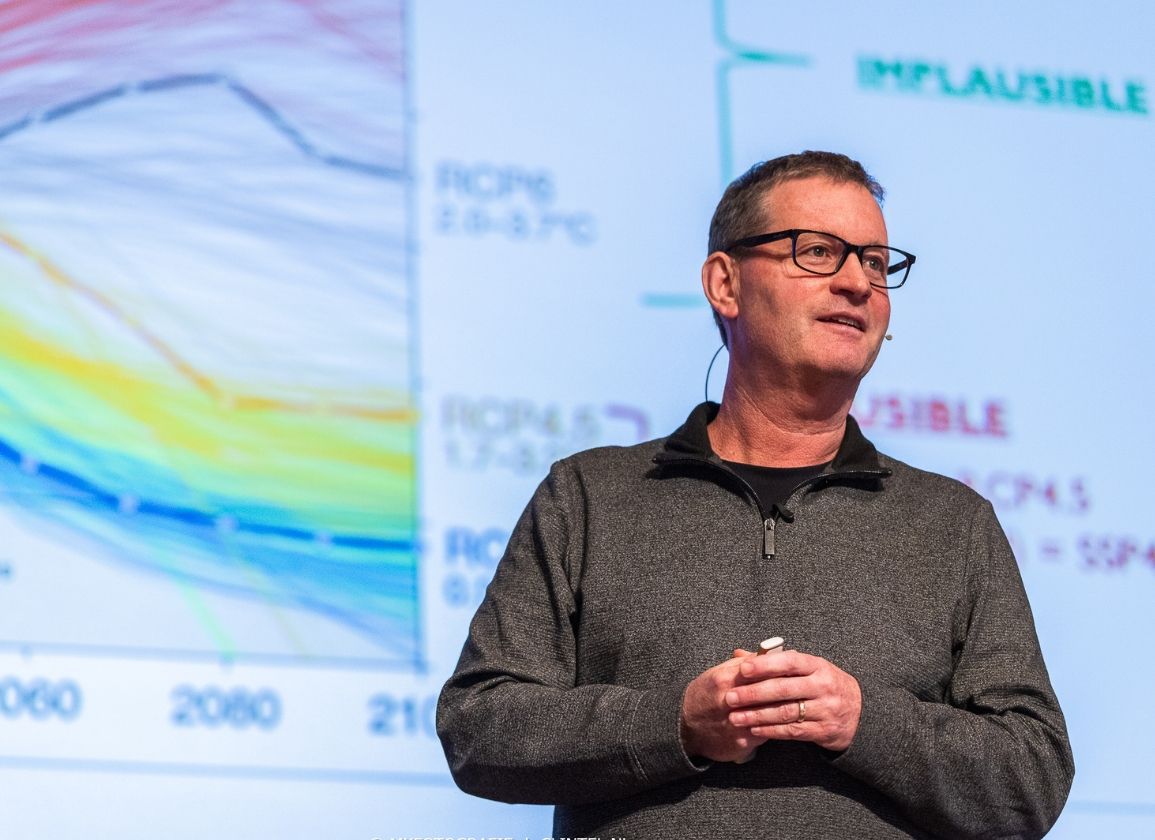
In his second presentation for Clintel on October 11th, Roger Pielke Jr. explained how an extreme emissions scenario, originally designed to explore a possible future, became one of the dominant assumptions in climate research and policy.
It is impossible not to notice the analogy between the events that led to China’s Great Famine in 1958-1962 and the ongoing energy disaster being imposed on various U.S. states and other Western countries by an equally ignorant clique of political ideologues, says Francis Menton.