When Net Zero Fails, Start a War: Europe’s Descent
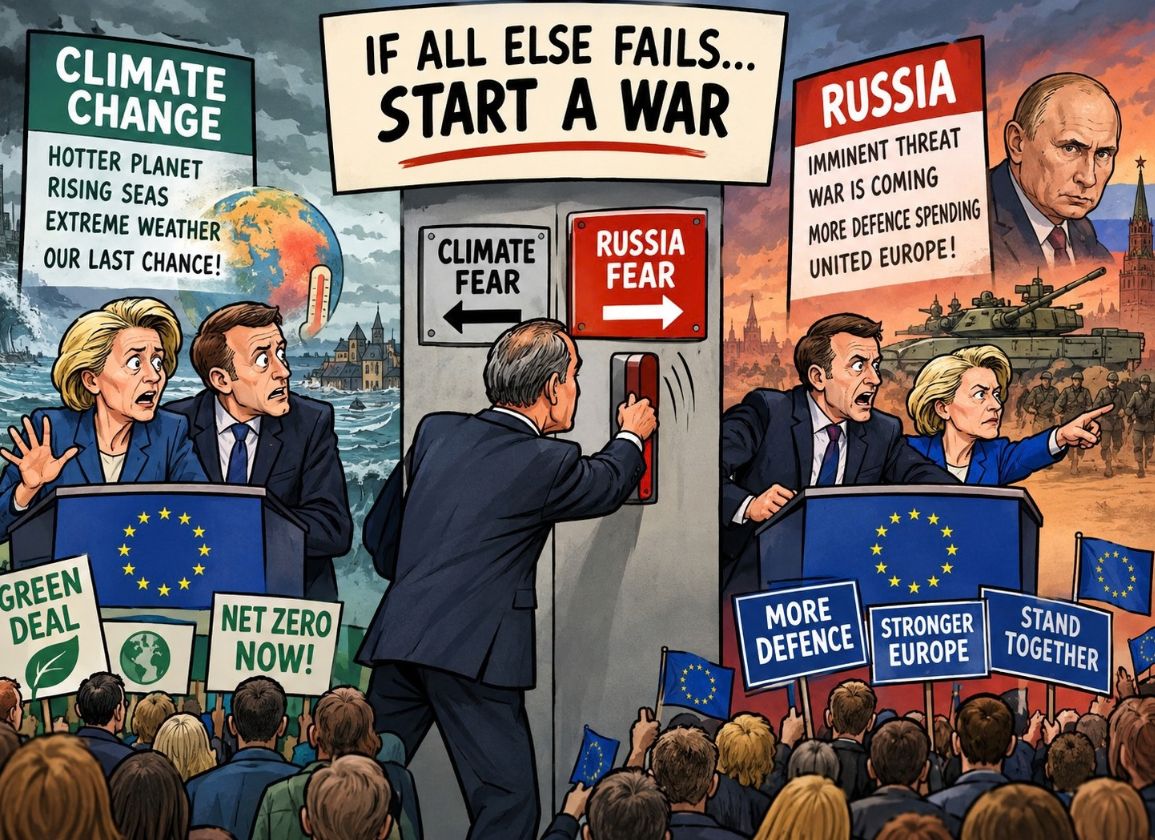
When all else fails, start a war. The rhetoric of imminent war with Russia has become the dominant note of European public life, displacing the language of the climate emergency, says Tilak Doshi.
When all else fails, start a war. The rhetoric of imminent war with Russia has become the dominant note of European public life, displacing the language of the climate emergency, says Tilak Doshi.
The OECD is risking US wrath by pushing ahead with green finance initiatives despite Washington calling time on Net Zero, says Tilak Doshi. Its new report on climate regulation has Brussels's fingerprints all over it.
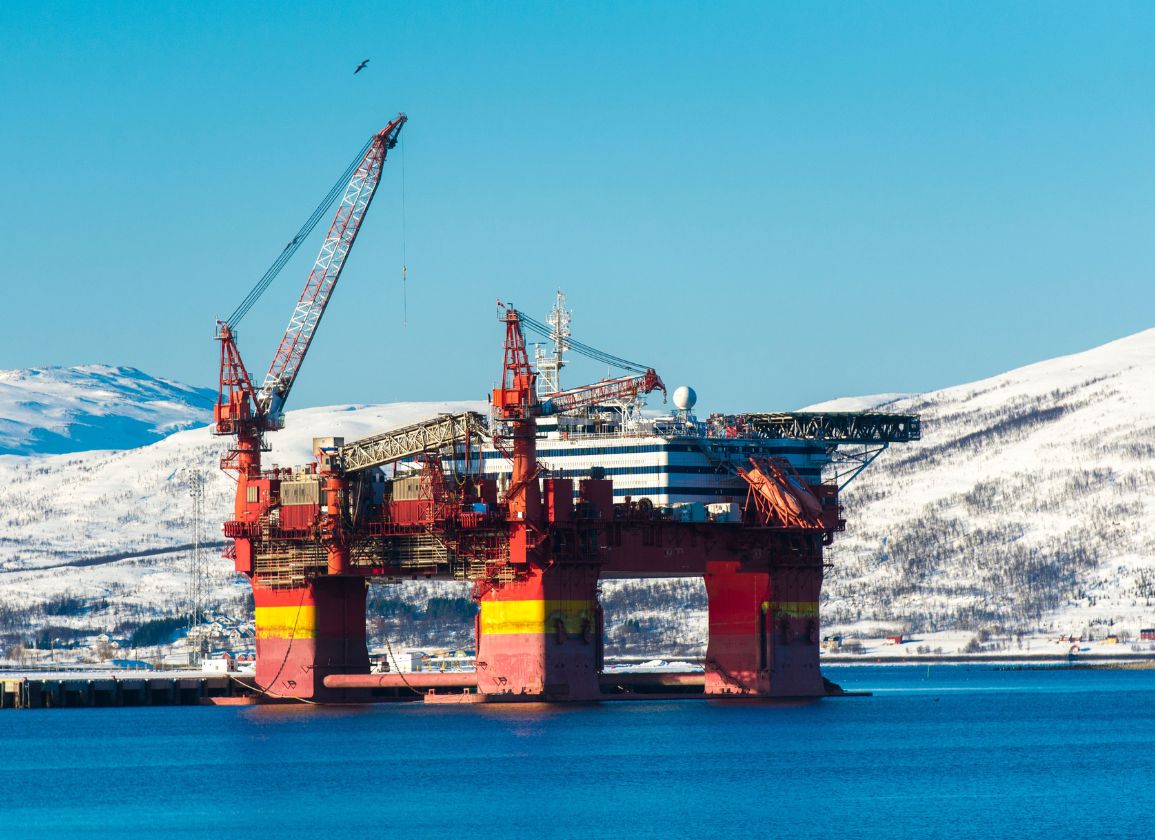
Norway’s Minister of Energy Terje Aasland has told Reuters that his country will keep developing oil and gas in the Barents Sea irrespective of a European Union (EU) ban on Arctic drilling.
Europe refuses to take full advantage of domestic energy reserves, clinging to economically destructive policies that can only undermine the security of the West, says Samuel Furfari. Energy security is inseparable from military power.
The European effort to advance renewables is incinerated almost instantly by the combustion of fossil fuels elsewhere, says Samuel Furfari. It also leads to economic decline.
Die europäischen Bemühungen um den Ausbau erneuerbarer Energien werden durch die Verbrennung fossiler Brennstoffe anderswo fast im selben Moment zunichte gemacht, sagt Samuel Furfari. Dies führt auch zu einem wirtschaftlichen Niedergang.
L’effort européen pour développer les énergies renouvelables sont presque instantanément anéantis par la combustion des énergies fossiles ailleurs dans le monde, affirme Samuel Furfari. Cela entraîne également un déclin économique.
Seit zwei Jahrzehnten bildet das EU-Emissionshandelssystem (EU-ETS) das Herzstück der Klimapolitik der Europäischen Union. Samuel Furfari, ehemaliger hochrangiger Beamter der Generaldirektion Energie der Europäischen Kommission und emeritierter Professor für Energiegeopolitik, argumentiert jedoch, dass das System auf wackeligen rechtlichen Grundlagen ruht, Europas Wettbewerbsfähigkeit untergräbt und sich zu einem kostspieligen politischen Instrument entwickelt hat. Seine Schlussfolgerung ist eindeutig: Das EU-Emissionshandelssystem sollte abgeschafft werden.
Depuis vingt ans, le système d'échange de quotas d'émission de l'UE (SEQE-UE) est au cœur de la politique climatique de l'Union européenne. Pourtant, Samuel Furfari, ancien haut fonctionnaire de la Direction générale de l'énergie de la Commission européenne et professeur émérite de géopolitique de l'énergie, affirme que ce système repose sur des fondements juridiques fragiles, nuit à la compétitivité de l'Europe et s'est transformé en un instrument politique coûteux. Sa conclusion est sans équivoque : le SEQE-UE doit être aboli.
For two decades, the EU Emissions Trading System (EU ETS) has been at the heart of the European Union's climate policy. Yet Samuel Furfari, former senior official at the European Commission's Directorate-General for Energy and emeritus professor of energy geopolitics, argues that the system rests on shaky legal foundations, undermines Europe's competitiveness and has evolved into an expensive political instrument. His conclusion is clear: the EU Emissions Trading System should be abolished.