
World Prosperity Forum in Zürich
Join the Heartland Institute from January 19–23, 2026 as we bring together international leaders and policymakers for five days of groundbreaking discussions on freedom, markets, and human flourishing. Watch live daily at 3:00 PM CET (9:00 AM EST).

Heartland Institute
Date: 15 January 2026
A Global Alternative to Davos
The Heartland Institute hosts the World Prosperity Forum January 19–23 in Zurich, Switzerland, bringing together international leaders and policymakers to challenge the globalist, leftist agenda advanced each year at the World Economic Forum.
While the World Economic Forum promotes a centralized, top-down vision for the global economy, the World Prosperity Forum advances a prosperity-focused, freedom-focused vision rooted in free markets, individual liberty, and rising living standards. The World Prosperity Forum will coincide with, and present a clear alternative to, the World Economic Forum taking place on those same dates in Davos, Switzerland.
Daily Livestreams
Watch all five days of the World Prosperity Forum live. Each day features powerful speakers discussing freedom, markets, and human flourishing.
See the full programme at https://worldprosperityforum.com/


more news
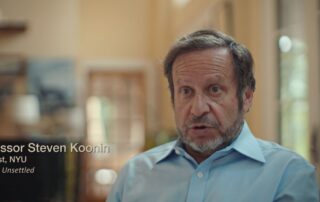
Steven Koonin now also believes that the worst of the climate hysteria is behind us
In a recent ICSF/Clintel lecture, Professor Steven Koonin argued that global climate and energy policy is at a tipping point. After decades of emphasis on rapid and far-reaching emission reductions, he sees clear signs of a shift toward greater realism and pragmatism, including in climate reporting. After all, economic, technological, and social realities are becoming increasingly difficult to ignore.

Ongoing Attacks on Livestock Methane Emissions Based on Faulty Science
In this analysis, Ralph B. Alexander challenges the science behind livestock methane emissions and argues that farmers are being targeted based on flawed assumptions and misleading metrics.
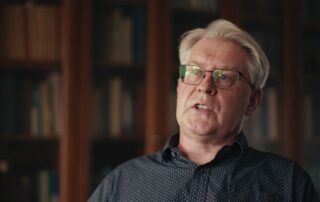
Ross McKitrick on Climate Models, Economic Impacts, and the DOE Report
In this in-depth interview, economist and statistician Ross McKitrick discusses climate models, uncertainty, and whether the public climate debate is as scientifically balanced as often claimed. He also reflects on his role as a co-author of the recent U.S. Department of Energy report.

