
Clintel en la Conferencia Heartland: se necesita una nueva terminología en el debate climático
En la Conferencia Heartland en Washington, D.C., Clintel destacó nuevas perspectivas sobre la ciencia del clima, incluidos los beneficios del reverdecimiento global impulsado por el CO2 y la necesidad de renovar el lenguaje en el debate climático, tal como lo presentó Marcel Crok.

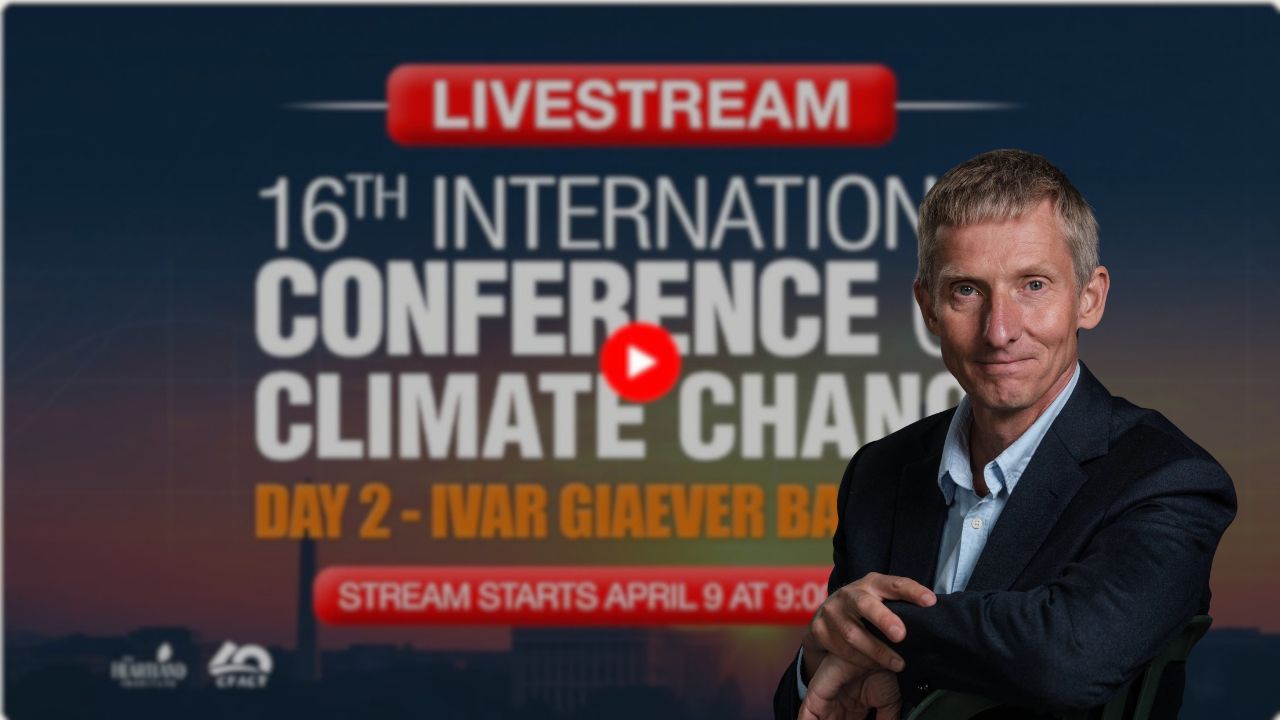
Marcel Crok
Peter Baeten
Fecha: 13 de abril de 2026
La semana pasada (8 y 9 de abril), Clintel asistió a la 16a Conferencia Internacional sobre el Cambio Climático en Washington, D.C., organizada por el Heartland Institute. El director de Clintel, Marcel Crok, fue uno de los ponentes en esta importante conferencia anual de enfoque realista sobre el clima. El eje de su presentación fue el impacto significativo (y positivo) del reverdecimiento de la Tierra debido al aumento de la concentración de CO2 en la atmósfera. Este efecto de reverdecimiento es ahora innegable y también tiene un impacto positivo en la producción agrícola a nivel global.
Se necesita un nuevo lenguaje y vocabulario
La filial estadounidense de Clintel, Climate Intel, dirigida por el investigador Forrest Frantz, también está monitoreando de cerca este efecto de reverdecimiento y contribuyó con los datos presentados. Frantz también ha planteado propuestas llamativas sobre el lenguaje utilizado en el debate climático, un tema que Marcel también abordó en su presentación. El lenguaje juega un papel enorme en la forma en que las personas perciben el debate climático. Los alarmistas climáticos han aprovechado esto desde el inicio de la discusión. Por ello, Crok y Frantz proponen que el lado realista del clima también comience a utilizar nuevos términos más positivos. Como punto de partida, Crok presentó seis sugerencias concretas:
Emisiones se reemplaza por: Restauración de CO2 en la atmósfera
Combustibles fósiles pasa a ser: Energía orgánica natural
Dióxido de carbono se convierte en: CO2, el “oxígeno de la vida” de la Tierra
Cambio climático pasa a ser: clima (porque el clima siempre está cambiando)
Gas de efecto invernadero se reemplaza por: Efecto IR activo del CO2
Emisiones de H2O y CO2 de las centrales eléctricas pasa a ser: Ríos atmosféricos de vida
Mira la conferencia de Marcel Crok a continuación:

more news
Roger Pielke Jr.: A Report from the Netherlands
In this article Roger Pielke reflects on his recent presentations for Clintel and his trip to the Netherlands. “Why engagement matters to me.”
Chris Morrison’s New Book: IMPLAUSIBLE
Chris Morrison, the Environment Editor of the Daily Sceptic, has written a new book, now available on Amazon. It is called IMPLAUSIBLE: How scientists, activist politicians and journalists invented a climate crisis, weaponised junk computer model findings and claimed a fake consensus to promote the collectivist Net Zero fantasy. Below, you can read some extracts from the book.

Dozens of Climate Lawsuits in the US, None of Them Based in Reality
The apocalyptic claim of a climate emergency underlying what could become thousands of lawsuits in the US, is fearmongering with no basis in reality. says Angela Wheeler.

