
News
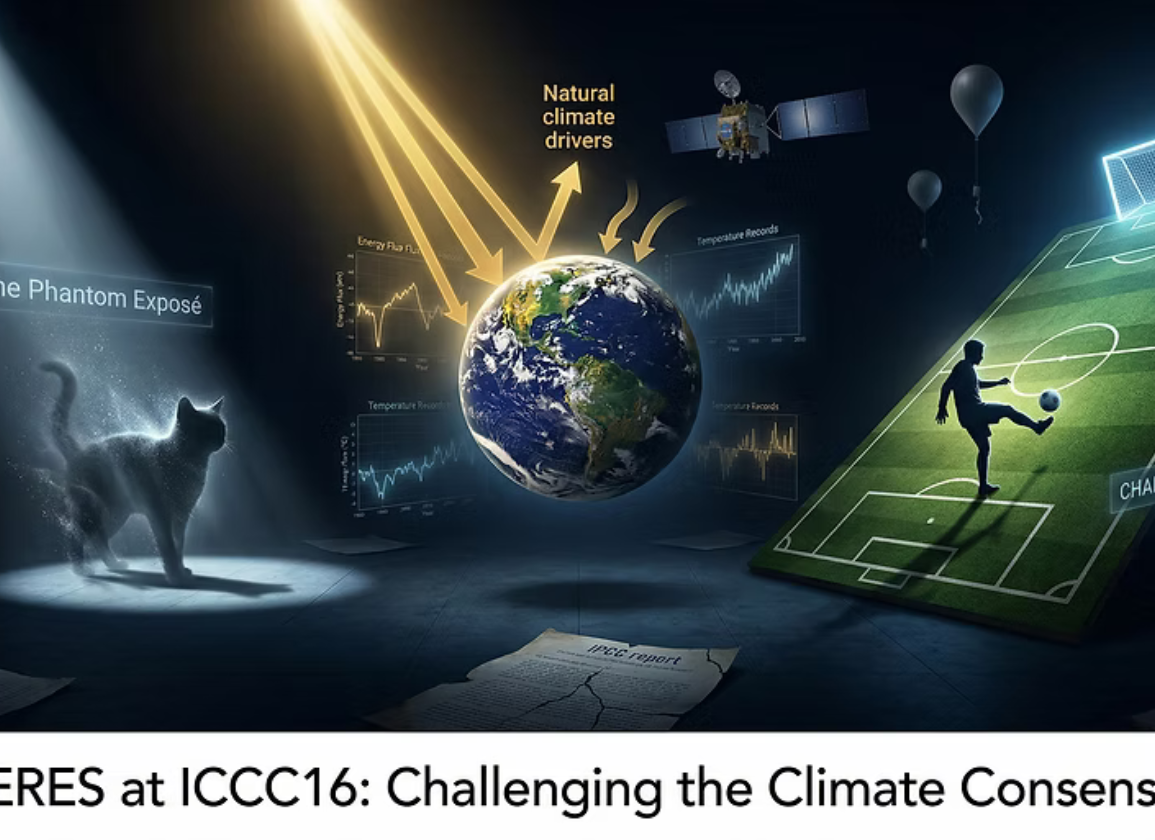
CERES Team at Heartland Institute’s ICCC16: Bold Voices for Climate Realism
The CERES team presented new analyses at the Heartland Conference challenging key assumptions in climate science. Their talks questioned the Earth’s energy imbalance, criticized IPCC methodologies, and emphasized the need for independent, data-driven research.
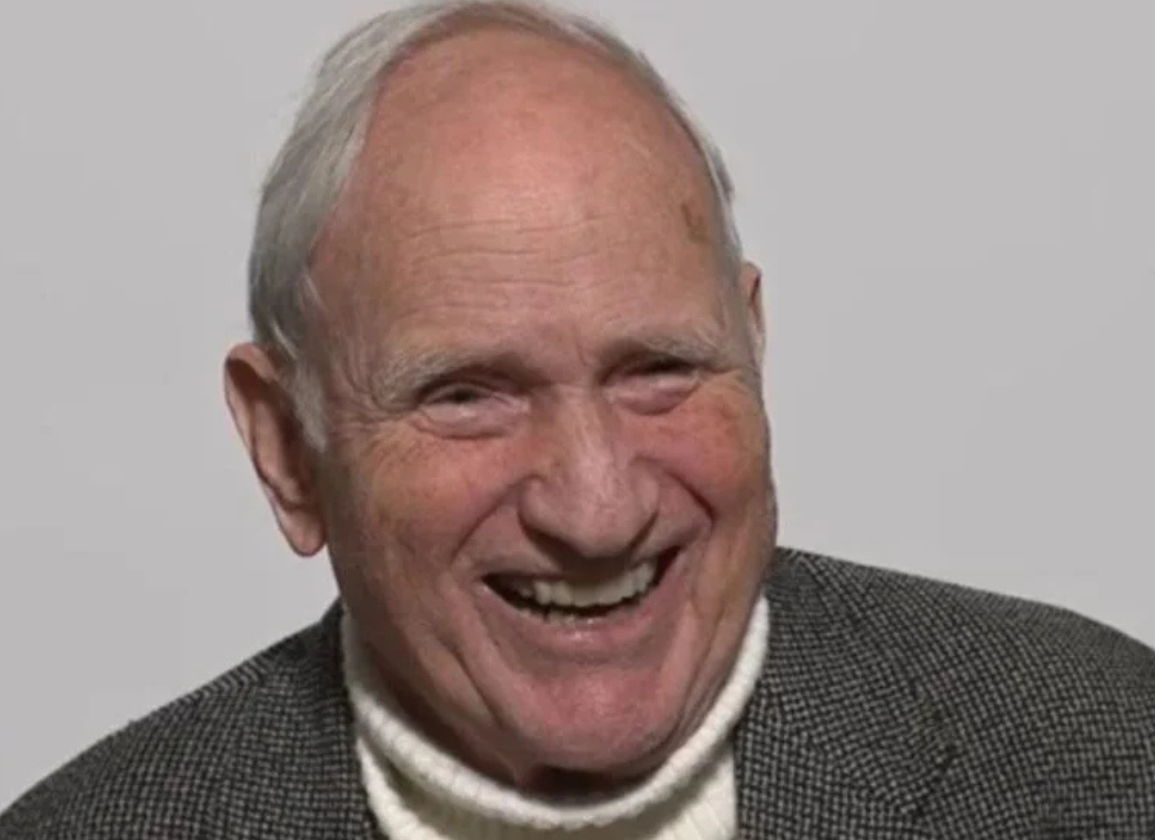
John Clauser at Heartland Conference: where is the proof?
Nobel Prize winner John Clauser was one of the speakers at last week’s International Conference on Climate Change. Clauser states that there is no proven climate crisis. He is a prominent signatory of Clintel’s World Climate Declaration.
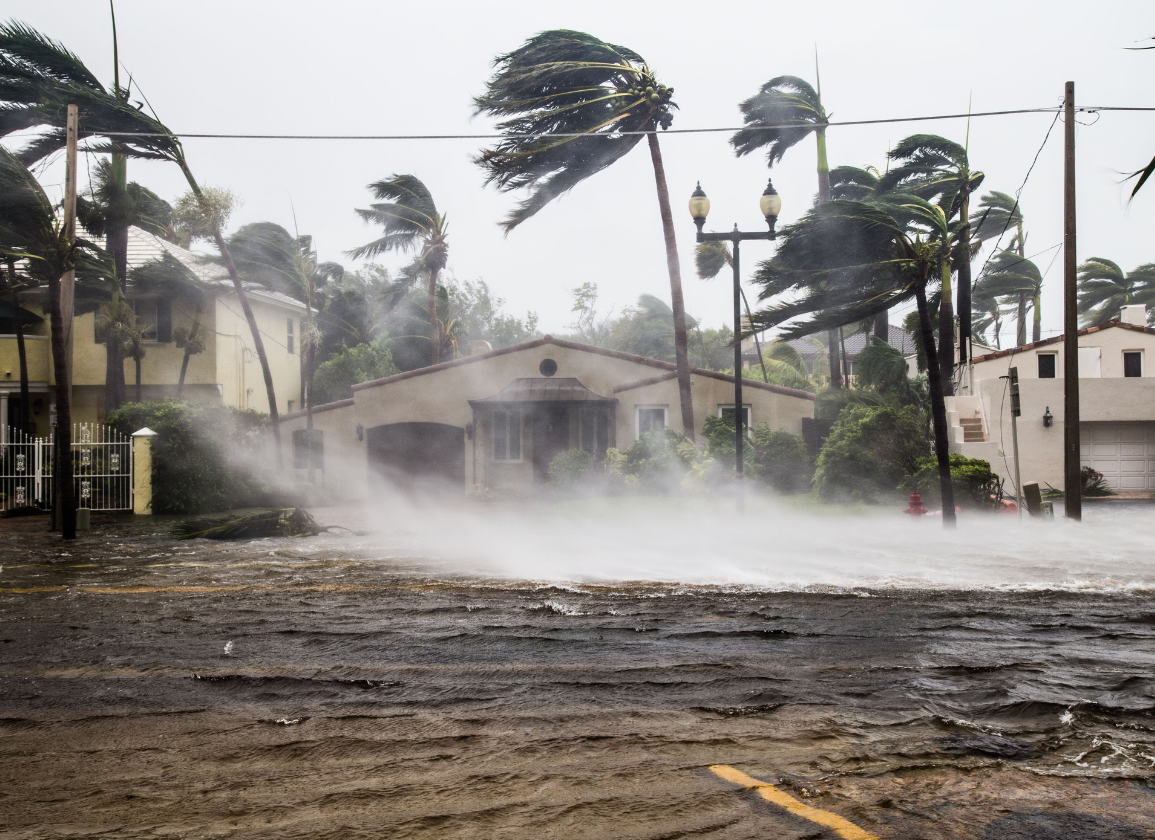
No, BBC, Disaster Losses Can’t Be Tied to Climate Change
Presenting trillion-dollar model outputs as settled economic fact is bad journalism and the BBC should be ashamed for presenting such easily falsified rubbish as fact. That’s the true disaster here.

India Helps US Repair ‘Green’ Wreckage
For the first time in 50 years, the United States is set to build a new oil refinery, marking a pivotal shift in its energy strategy, says Vijay Jayaraj. Rising at the Port of Brownsville, the project highlights a new U.S.–India partnership and a broader rethink of climate-driven energy policy.
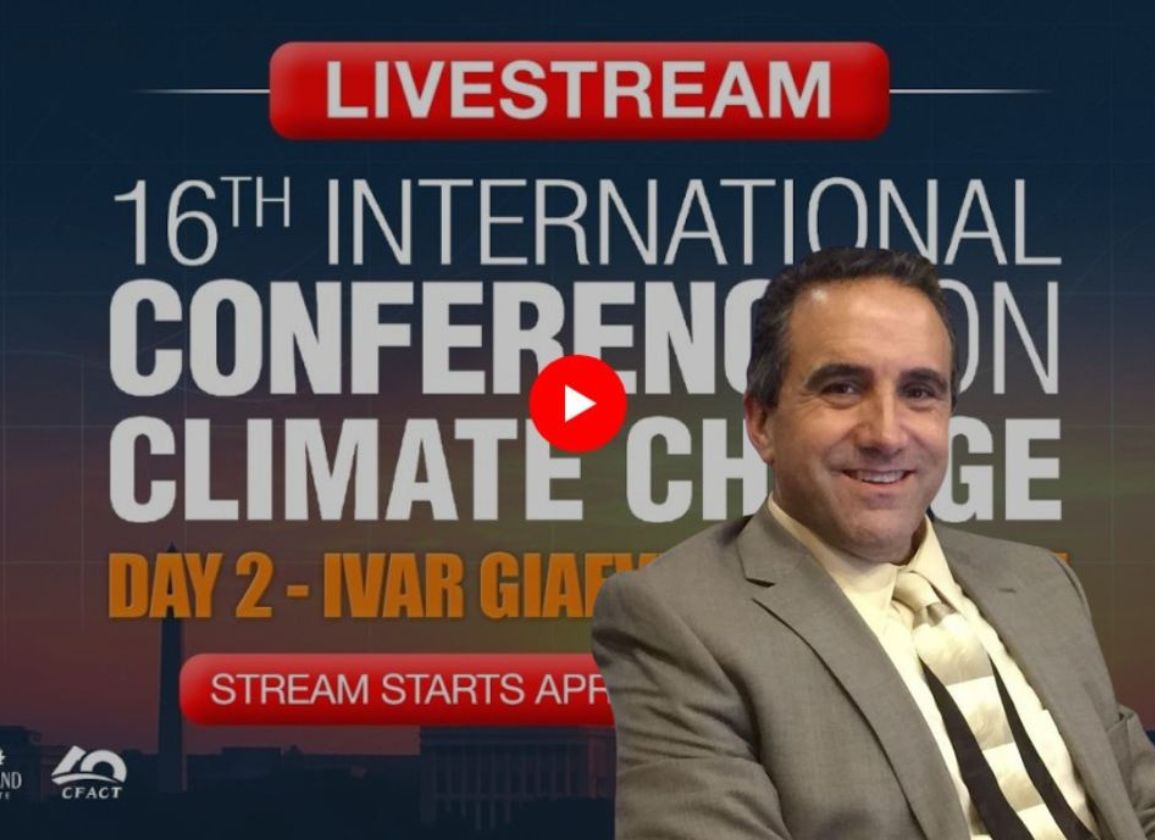
Marc Morano: the best time for climate realism in the last 50 years
At the 16th ICCC in Washington, D.C., Marc Morano argues that the global climate agenda is weakening, calling this the most promising moment for climate realism in the past 50 years.
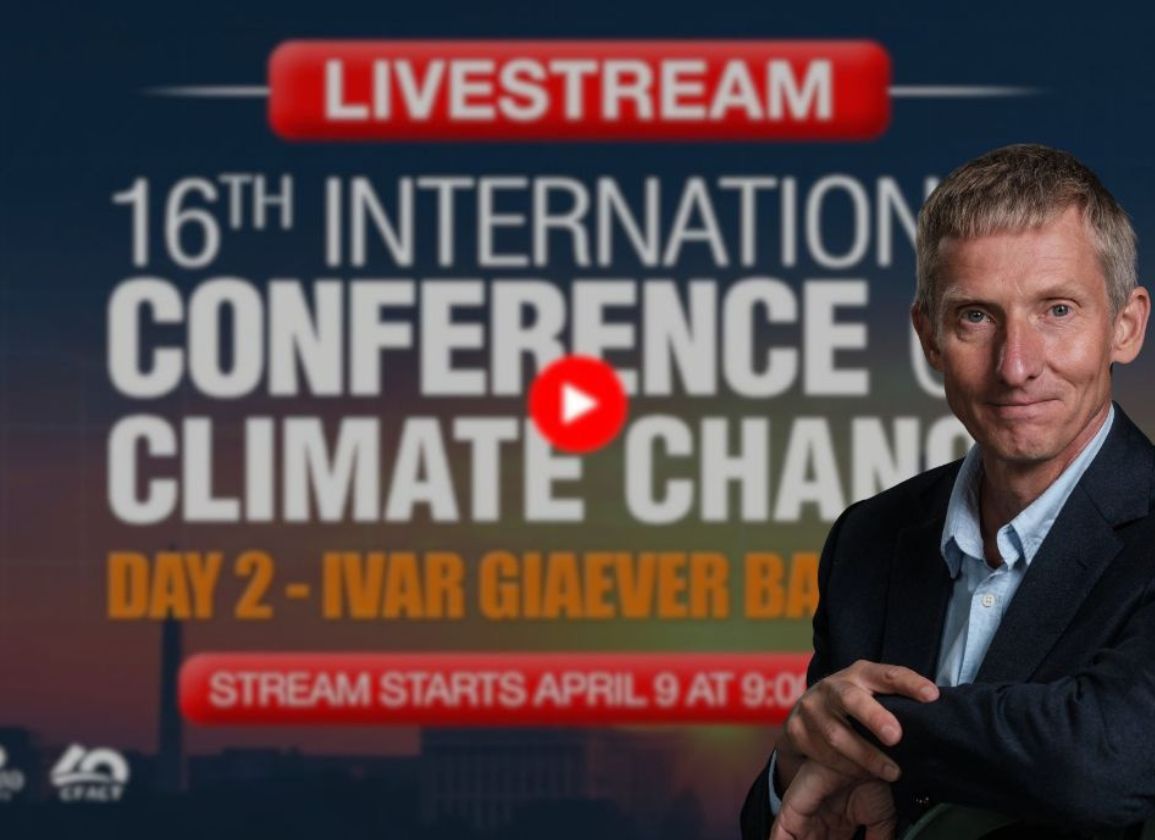
Clintel at Heartland Conference: new terminology in climate debate needed
At the Heartland Conference in Washington, D.C., Clintel highlighted new perspectives on climate science, including the benefits of CO₂-driven global greening and the need for a renewed vocabulary in the climate debate, as presented by Marcel Crok.
News
CERES Team at Heartland Institute’s ICCC16: Bold Voices for Climate Realism
The CERES team presented new analyses at the Heartland Conference challenging key assumptions in climate science. Their talks questioned the Earth’s energy imbalance, criticized IPCC methodologies, and emphasized the need for independent, data-driven research.
John Clauser at Heartland Conference: where is the proof?
Nobel Prize winner John Clauser was one of the speakers at last week’s International Conference on Climate Change. Clauser states that there is no proven climate crisis. He is a prominent signatory of Clintel’s World Climate Declaration.
No, BBC, Disaster Losses Can’t Be Tied to Climate Change
Presenting trillion-dollar model outputs as settled economic fact is bad journalism and the BBC should be ashamed for presenting such easily falsified rubbish as fact. That’s the true disaster here.
India Helps US Repair ‘Green’ Wreckage
For the first time in 50 years, the United States is set to build a new oil refinery, marking a pivotal shift in its energy strategy, says Vijay Jayaraj. Rising at the Port of Brownsville, the project highlights a new U.S.–India partnership and a broader rethink of climate-driven energy policy.
Marc Morano: the best time for climate realism in the last 50 years
At the 16th ICCC in Washington, D.C., Marc Morano argues that the global climate agenda is weakening, calling this the most promising moment for climate realism in the past 50 years.
Clintel at Heartland Conference: new terminology in climate debate needed
At the Heartland Conference in Washington, D.C., Clintel highlighted new perspectives on climate science, including the benefits of CO₂-driven global greening and the need for a renewed vocabulary in the climate debate, as presented by Marcel Crok.

