
News

The Climate Policy Trap: Why Failure So Often Leads to More of the Same
Group identity, social status, and a credential-dominated policy establishment make the climate narrative increasingly immune to disappointing results, argues Evert Doornhof of Clintel. The result is a climate policy trap in which failure doesn't lead to reconsideration, but to even more climate policy.

No, the Loneliness Epidemic is Not Caused by Climate Change
The loneliness epidemic is made worse by climate change because increasingly common severe weather is forcing people to stay separate. Linnea Lueken comments on this new and absurd claim.
Success of American climate sceptics is the result of hard work
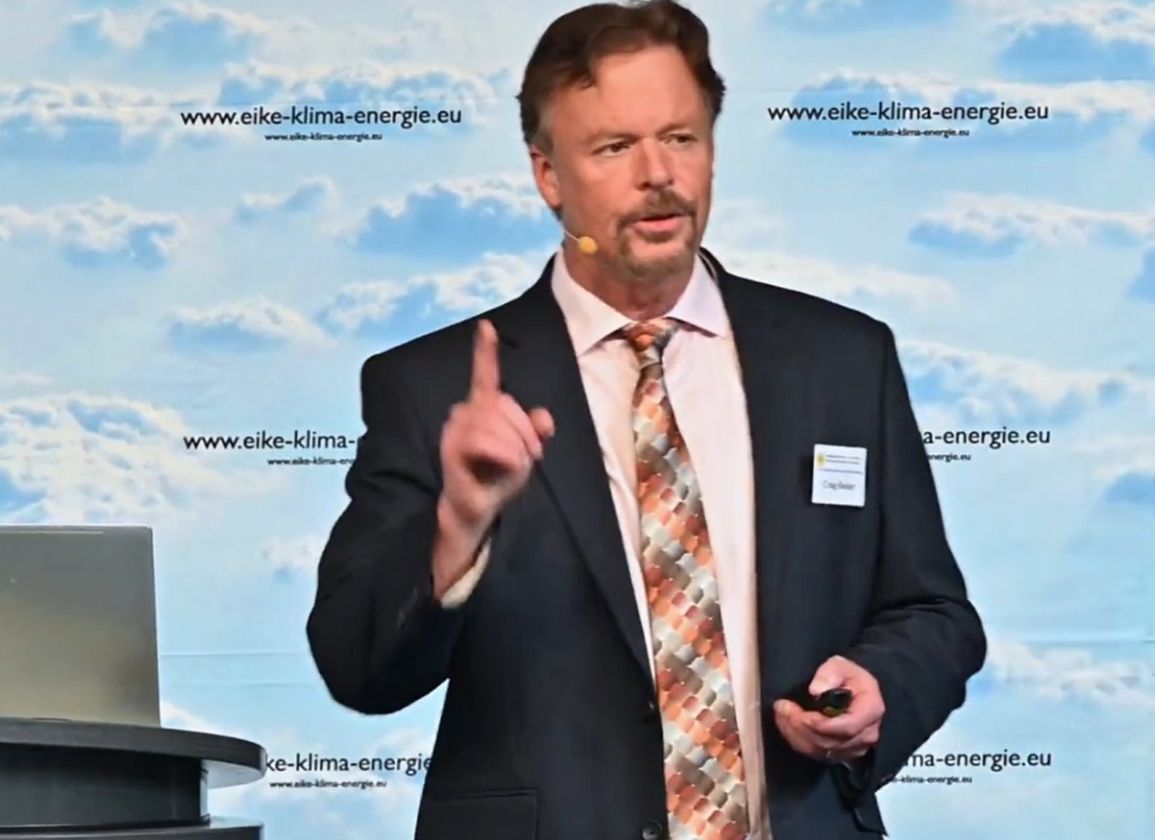
The current success of the climate sceptic movement in the United States is not accidental. It is the result of several decades of deliberate work, networking, and strategic campaigning, says Craig Rucker of CFACT.

Indonesia and India Are Jointly Planning a Hydrocarbon-Powered Future
India is the world’s most populous nation, and Indonesia the fourth. Together, they represent 1.8 billion people. At the top of their agenda is a massive expansion of energy trade.
Svensmark on Cosmic Rays, Clouds and the Politics of Climate Science
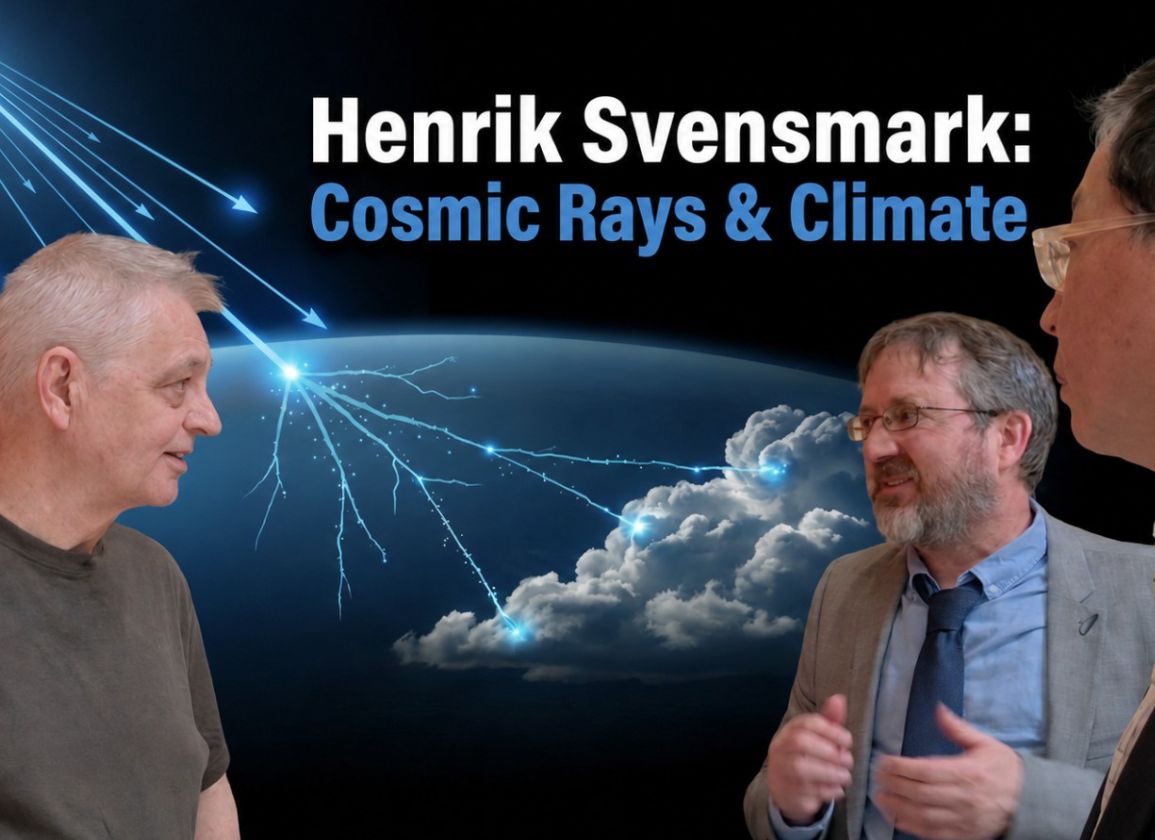
At the EIKE Conference in Halle (Germany), Willie Soon and Ronan Connolly from the CERES Team met with recently fired Danish physicist Henrik Svensmark for a wide-ranging discussion about his research into the relationship between solar activity, cosmic rays, clouds and climate. The cosmic-ray mechanism he proposes deserves to be investigated on its physical merits rather than dismissed because it does not fit comfortably into existing climate-model frameworks.

Central Banks Double Down on Climate Regulation
The ECB has quietly expanded its “climate factor”. This is a rear-guard action by a green priesthood that senses the ground shifting but cannot bring itself to abandon the climate faith, says Tilak Doshi.
News
The Climate Policy Trap: Why Failure So Often Leads to More of the Same
Group identity, social status, and a credential-dominated policy establishment make the climate narrative increasingly immune to disappointing results, argues Evert Doornhof of Clintel. The result is a climate policy trap in which failure doesn't lead to reconsideration, but to even more climate policy.
No, the Loneliness Epidemic is Not Caused by Climate Change
The loneliness epidemic is made worse by climate change because increasingly common severe weather is forcing people to stay separate. Linnea Lueken comments on this new and absurd claim.
Success of American climate sceptics is the result of hard work
The current success of the climate sceptic movement in the United States is not accidental. It is the result of several decades of deliberate work, networking, and strategic campaigning, says Craig Rucker of CFACT.
Indonesia and India Are Jointly Planning a Hydrocarbon-Powered Future
India is the world’s most populous nation, and Indonesia the fourth. Together, they represent 1.8 billion people. At the top of their agenda is a massive expansion of energy trade.
Svensmark on Cosmic Rays, Clouds and the Politics of Climate Science
At the EIKE Conference in Halle (Germany), Willie Soon and Ronan Connolly from the CERES Team met with recently fired Danish physicist Henrik Svensmark for a wide-ranging discussion about his research into the relationship between solar activity, cosmic rays, clouds and climate. The cosmic-ray mechanism he proposes deserves to be investigated on its physical merits rather than dismissed because it does not fit comfortably into existing climate-model frameworks.
Central Banks Double Down on Climate Regulation
The ECB has quietly expanded its “climate factor”. This is a rear-guard action by a green priesthood that senses the ground shifting but cannot bring itself to abandon the climate faith, says Tilak Doshi.

