
Clintel at Heartland Conference: new terminology in climate debate needed
At the Heartland Conference in Washington, D.C., Clintel highlighted new perspectives on climate science, including the benefits of CO₂-driven global greening and the need for a renewed vocabulary in the climate debate, as presented by Marcel Crok.

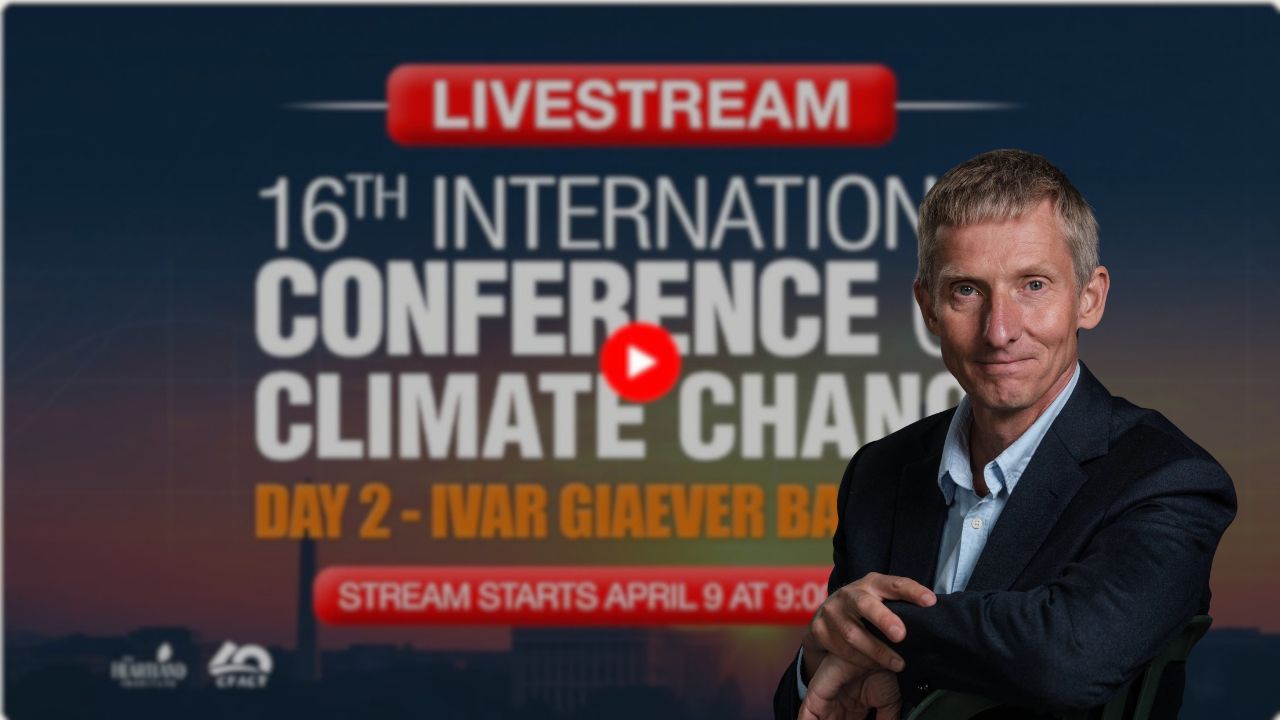
Marcel Crok
Peter Baeten
Date: 11 April 2026
Last week (April 8 and 9), Clintel attended the 16th International Conference on Climate Change in Washington, D.C., organized by the Heartland Institute. Clintel Director Marcel Crok was one of the speakers at this important annual climate-realist conference. The focus of his presentation was on the significant (positive impact of the) greening of the Earth due to the increased concentration of CO2 in the atmosphere. This greening effect is now undeniable and also has a positive impact on global agricultural yields.
New language and vocabulary are needed
Clintel’s American branch, Climate Intel, led by researcher Forrest Frantz, is also closely monitoring this greening effect and contributed to the data presented. Frantz has also put forward striking suggestions regarding the language used in the climate debate, a topic Marcel also addressed in his presentation. Language plays an enormous role in how people experience the climate debate. Climate alarmists have been using this to their advantage since the beginning of the discussion. Crok and Frantz therefore advocate that the climate-realist side also start using new, more positive terms. As a start, Crok offered six concrete suggestions:
Emissions is replaced by: Restoration of CO2 to the air
Fossil fuels becomes: Natural Organic Energy
Carbon dioxide changes into: CO2, Earth’s Oxygen-of-Life
Climate change becomes: climate (because the climate is always changing anyway)
Greenhouse gas is replaced by: Active IR-effect of CO2
H2O and CO2 emissions from power plants becomes: Atmospheric rivers of life
Watch Marcel Crok’s lecture below:


more news

Green Movement’s Selective Outrage Over Endangered Species
To nobody’s surprise, the reaction of activists to the new interpretation of the US Endangered Species Act, has been extreme. But where was the outrage when the Biden administration permitted the killing of bald eagles and whales to erect its politically favoured wind turbines?

Greenland’s icecap grew (a little bit) this year
At present rates it would take Greenland 27,000 years to melt away. The 2025/26 season actually saw a small increase of 6 Gt in Greenland’s ice cap.

We Passed Peak “Climate Change” Research
There is still some cachet for scientists in “climate change”, but that is obviously waning, says statistician William Briggs. Unless somebody comes up with a new angle to intrigue other scientists on how we’re all doomed, then fatigue will continue driving the numbers of climate change articles lower.

