
Green Depression: German Companies Fight For Survival – Insolvencies Reach Peak In October!
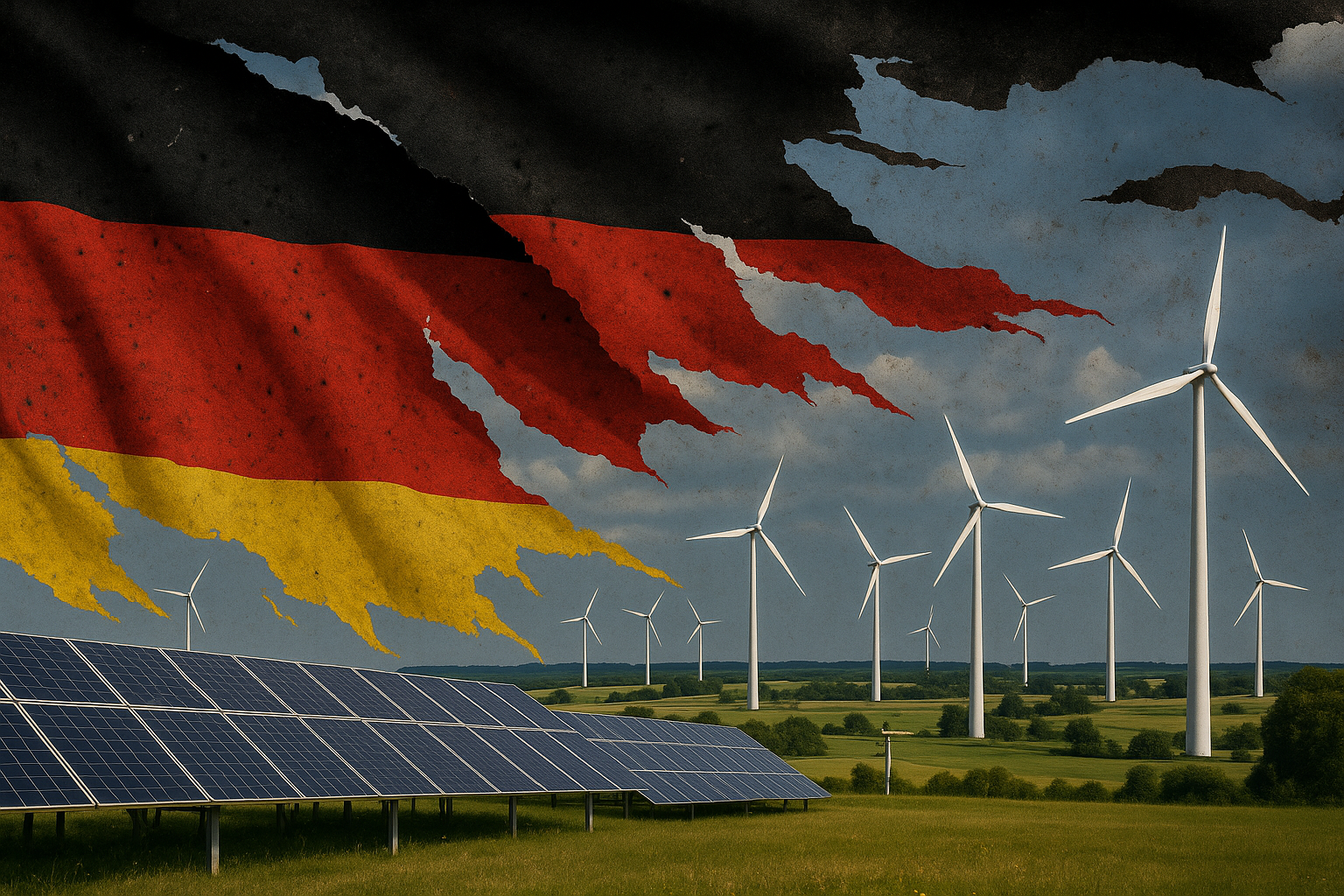
With corporate bankruptcies surging to an October peak, German businesses are struggling to survive amid escalating energy costs and the pressures of the green transition.

Pierre L. Gosselin
Date: 20 November 2025
BlackoutNews here reports that the German economy is currently battling massive turbulence as the latest figures on corporate insolvencies reached peaked in October 2025.
The German middle class, in particular, is increasingly coming under pressure amid the ongoing slump.
The wave of insolvencies is not hitting all sectors equally. Particularly hard hit: tranport, construction and restaurants and catering services.
In early August 2025, authorities reported 1,979 corporate insolvency applications, which corresponds to an increase of over twelve percent compared to the previous year. At the same time, creditor claims surged to a staggering €5.4 billion. Adding to the burden on society: With 6,132 consumer insolvencies, this figure is also rising significantly.
High energy prices
According to Blackout News, the reasons for this dramatic increase are multifaceted and reinforce each other. No.1 are the painfully high energy costs and rising raw material prices. Green energy has made energy among the most expensive in the world.
The economic woes has led to low domestic demand which particularly affects retail and service providers.
Crippling bureaucracy and slow approval procedures are also to blame as they hinder urgently needed investments.
Future looks bleak
Experts expect around 24,500 corporate failures for the entire year 2025, the highest value since 2015.
A rapid recovery is nowhere in sight. Allianz Trade has dampened expectations and forecasts a possible improvement starting only in 2027 at the earliest, contingent on state stimuli and geopolitical stabilization.
Without fundamental changes—such as investments in location attractiveness, a more stable energy supply, and tax simplification—the German economy faces a permanent loss of substance. The current development is an urgent wake-up call for politicians and businesses alike.
Germany serves as an example of how not to manage energy supply and economics in a country.


more news
Why are the media encouraging parents to make their children anxious about climate change?
The dominant mode of climate journalism in the mainstream Western press: a seamless fusion of advocacy, emotional appeal and selective empiricism in which no counterevidence need intrude and no sceptical voice need apply. Our children pay the price, says Tilak Doshi.

Sea Level ‘Acceleration’ Isn’t What the Measured Data Show
Direct, long-term tide gauge measurements around the world do not show the dramatic acceleration of the sea level implied in the satellite-based narrative, says Anthony Watts.

Global rice production has nearly doubled over 50 years despite climate change
Global rice production nearly doubled between the 1960s and the 2010s and rising atmospheric CO2 was the primary environmental factor contributing to increased production.

