
Green Depression: German Companies Fight For Survival – Insolvencies Reach Peak In October!
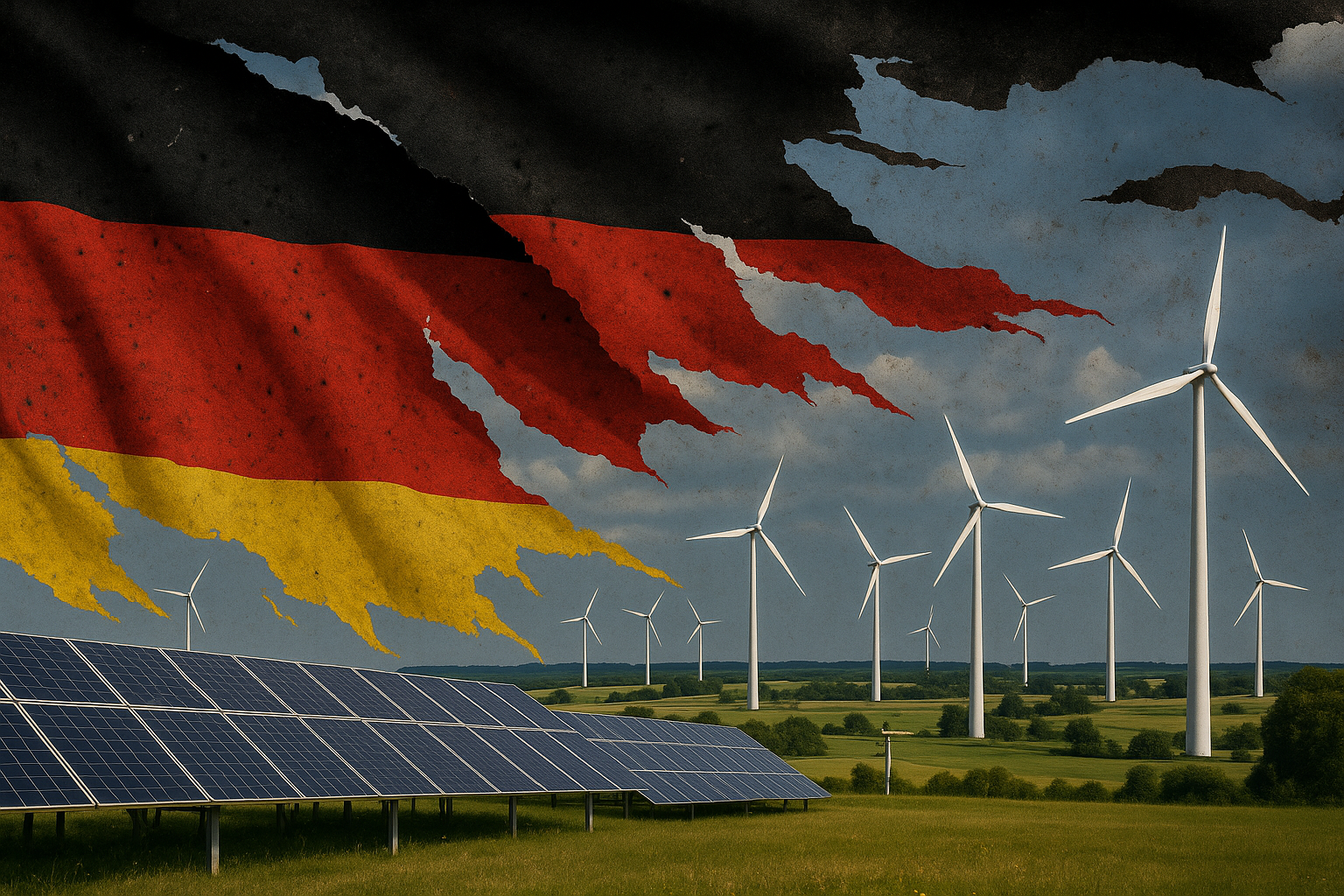
With corporate bankruptcies surging to an October peak, German businesses are struggling to survive amid escalating energy costs and the pressures of the green transition.

Pierre L. Gosselin
Date: 20 November 2025
BlackoutNews here reports that the German economy is currently battling massive turbulence as the latest figures on corporate insolvencies reached peaked in October 2025.
The German middle class, in particular, is increasingly coming under pressure amid the ongoing slump.
The wave of insolvencies is not hitting all sectors equally. Particularly hard hit: tranport, construction and restaurants and catering services.
In early August 2025, authorities reported 1,979 corporate insolvency applications, which corresponds to an increase of over twelve percent compared to the previous year. At the same time, creditor claims surged to a staggering €5.4 billion. Adding to the burden on society: With 6,132 consumer insolvencies, this figure is also rising significantly.
High energy prices
According to Blackout News, the reasons for this dramatic increase are multifaceted and reinforce each other. No.1 are the painfully high energy costs and rising raw material prices. Green energy has made energy among the most expensive in the world.
The economic woes has led to low domestic demand which particularly affects retail and service providers.
Crippling bureaucracy and slow approval procedures are also to blame as they hinder urgently needed investments.
Future looks bleak
Experts expect around 24,500 corporate failures for the entire year 2025, the highest value since 2015.
A rapid recovery is nowhere in sight. Allianz Trade has dampened expectations and forecasts a possible improvement starting only in 2027 at the earliest, contingent on state stimuli and geopolitical stabilization.
Without fundamental changes—such as investments in location attractiveness, a more stable energy supply, and tax simplification—the German economy faces a permanent loss of substance. The current development is an urgent wake-up call for politicians and businesses alike.
Germany serves as an example of how not to manage energy supply and economics in a country.

more news

Climate.us: A Sign That the Climate Debate Is Far From Over
Many commentators have suggested that recent political changes represent some sort of permanent turning point in the climate debate. That would be a mistake, says Anthony Watts. The Climate.us project for instance, demonstrates that there remains a substantial network committed to maintaining the climate narrative.

ICSF/Clintel lecture by Roger Pielke Jr.: RCP8.5 is Retired – What Now?
In his recent ICSF/Clintel Lecture, Roger Pielke Jr. acknowledges that the scientific community is now correcting a long-standing problem regarding extreme climate scenarios like RCP8.5. But he warns that the consequences of past reliance on these scenarios will continue for many years.

Judith Curry declares victory against climate stupidity; RIP Climate Etc.
According to prominent climate realist Judith Curry, the climate issue has lost its political relevance. It’s the main reason she is closing her successful blog Climate Etc.

