Offshore Wind’s Epic Fail
Feds pull plug on Revolution Wind amid security fears.

What happened this week

What Revolution Wind actually is
What the hardware looks like at sea
How much surveying and offshore work it took
What the subsidies would look like
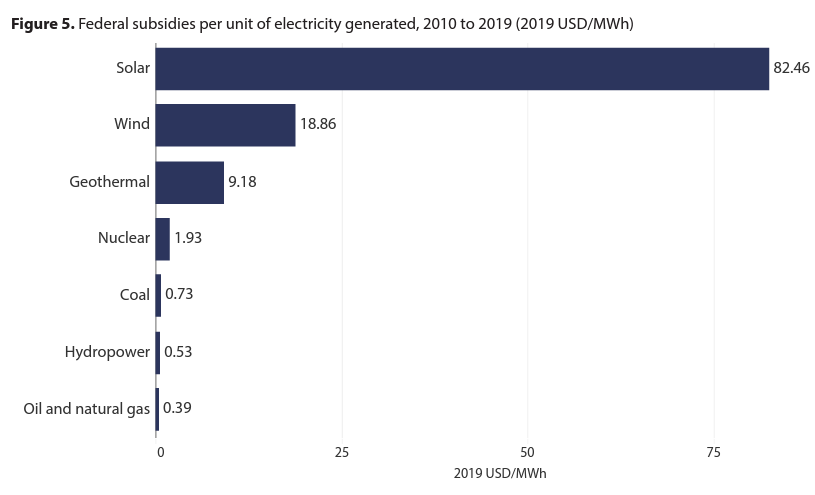
Who really gets what from Washington? In “Federal energy subsidies in the USA”, I walk through the federal books and show the totals for 2010 to 2019, then normalize by electricity produced. The surprise is not the dollars, it is the dollars per kilowatt hour. Solar and wind look very different once you scale by output.
The Maryland piece of the story
Why this pause strengthens the case I have been making
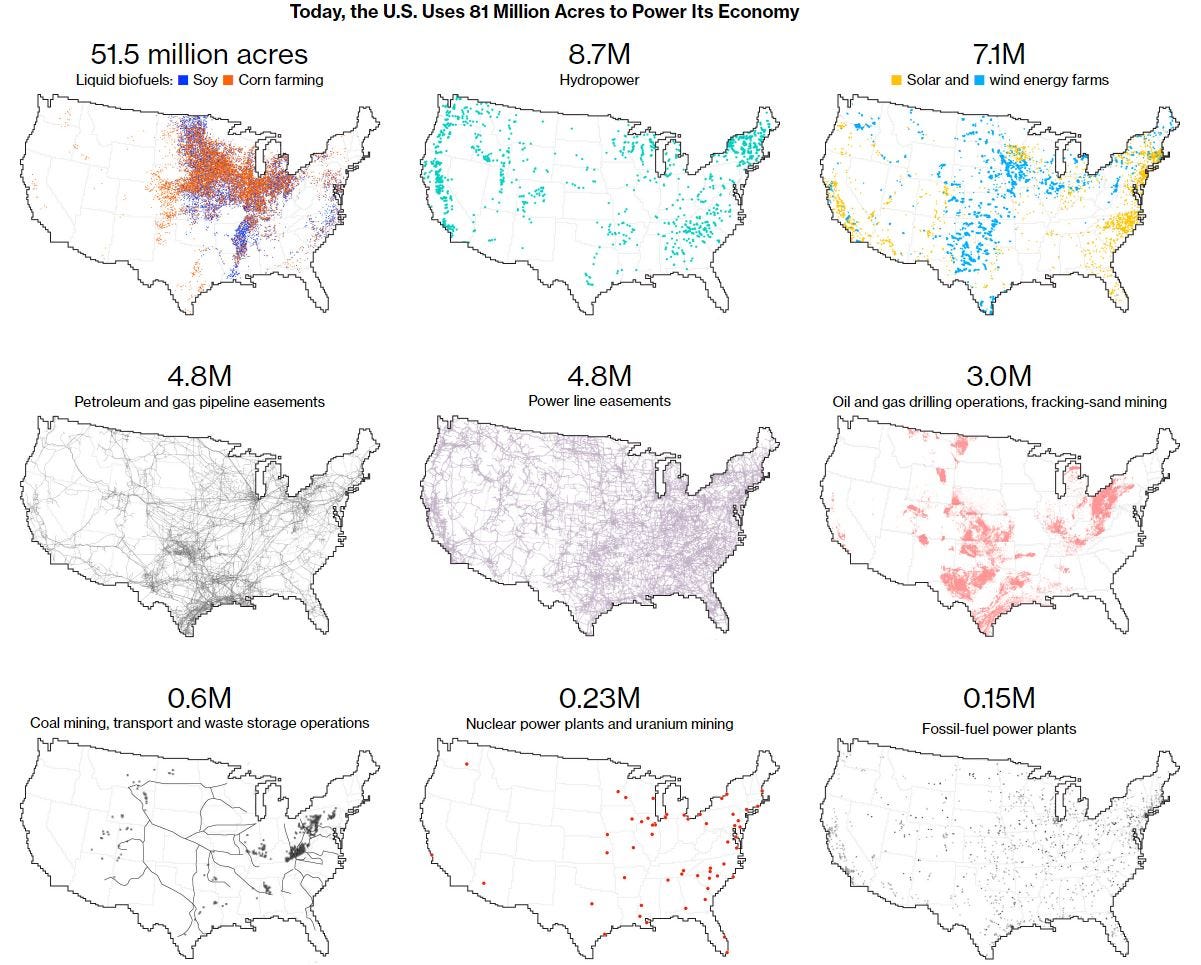
I have also compared like with like. When you stack the energy from a compact oil development against the output from sprawling wind arrays, the space and materials story is not even close. See the side-by-side numbers and maps in my field comparison here.
Then there is the surface warming problem. Very large wind and solar builds change local temperatures, especially at night, which cuts against the promise that these projects will cool the surface. I unpack the evidence and why it matters in “Chasing the Heat”.
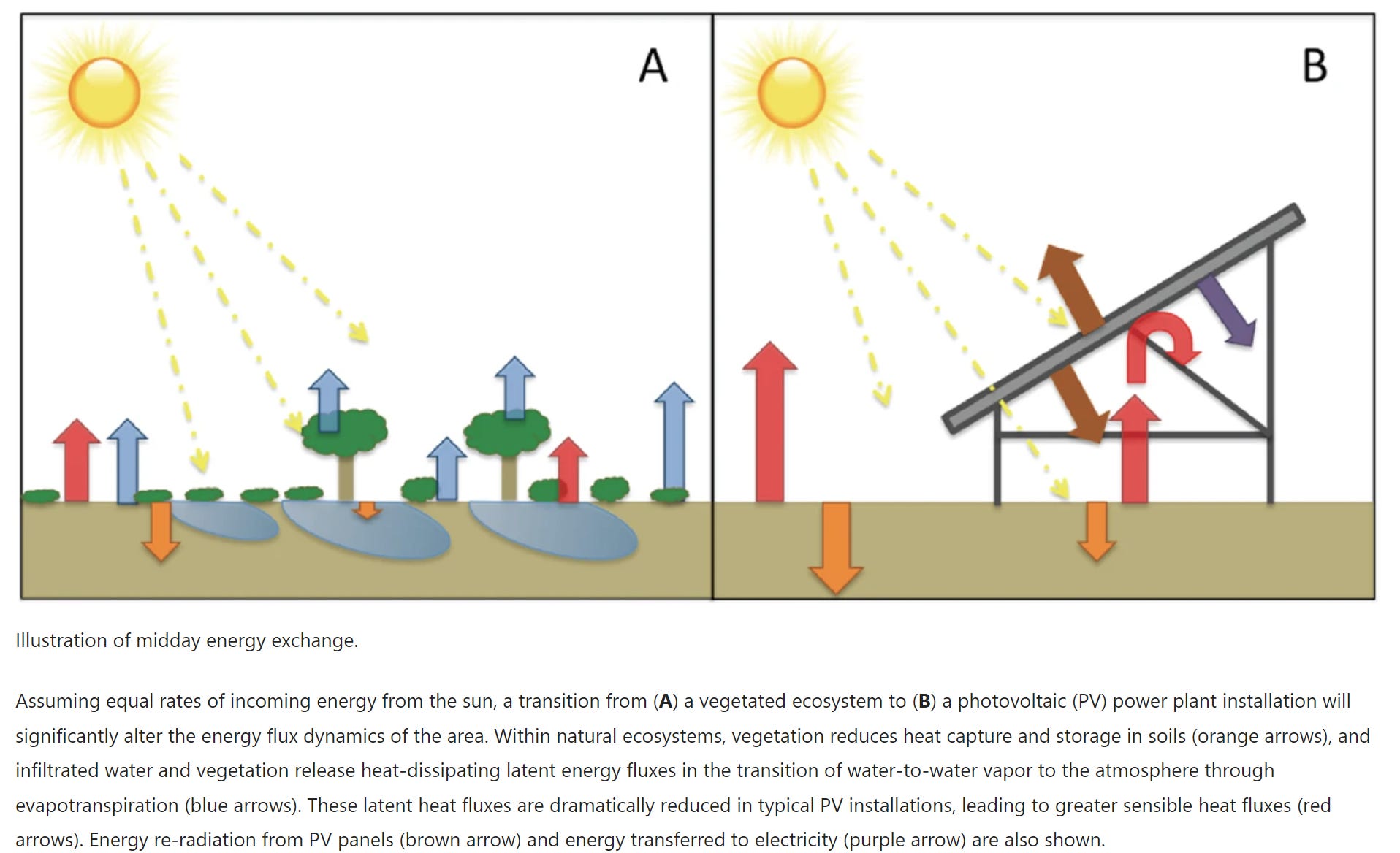
Source: Chasing the Heat
Finally, follow the money. When a technology cannot stand on its own without long-term guaranteed prices and rich federal credits, private capital steps back, and taxpayers are asked to step in. I break down the economics, the risk, and who pays in my wind finance article, “Will wind energy survive?”.
About whales and habitat
The bottom line

Dr. Matthew Wielicki
This article was published on 26 August 2025 by Dr. Matthew Wielicki on his substack Irrational Fear. Wielicki is offering this article for free because he believes these facts should be public. By subscribing to Irrational Fear, you will gain access to 380+ unique articles that dismantle the climate-crisis narrative with data, figures, and receipts… and you will help keep his work independent.

more news

Advancing Freedom With Data: Debunking Catastrophic Greenhouse Warming
CO2’s greenhouse effect is the result of its interaction with the infrared of the electromagnetic spectrum, which is now largely saturated at today’s CO2 concentration of about 420 parts per million (ppm), say William Happer and Richard Lindzen. With so little unaffected infrared radiation left to interact with CO2 molecules, adding more of the gas is having a trivial effect and will produce even less warming in the future.

Europe’s weather losses are not rising (once adjusted for growth)
One of the most persistent claims in (European) climate politics is that weather disasters are becoming increasingly expensive because climate change is making extreme weather worse. But a new analysis by Roger Pielke Jr. shows that once economic growth is properly accounted for, Europe’s weather-related disaster losses have remained essentially flat since 1990.

Renewables still provided only 6% of global primary energy in 2025
The highly touted renewables provided only 6% of the world’s primary energy supply last year, according to the Statistical Review of World Energy, released earlier this week. Robert Lyman analyses the important overall statistical trends for the Friends of Science Society.