
Offshore Wind’s Epic Fail
Feds pull plug on Revolution Wind amid security fears.

What happened this week
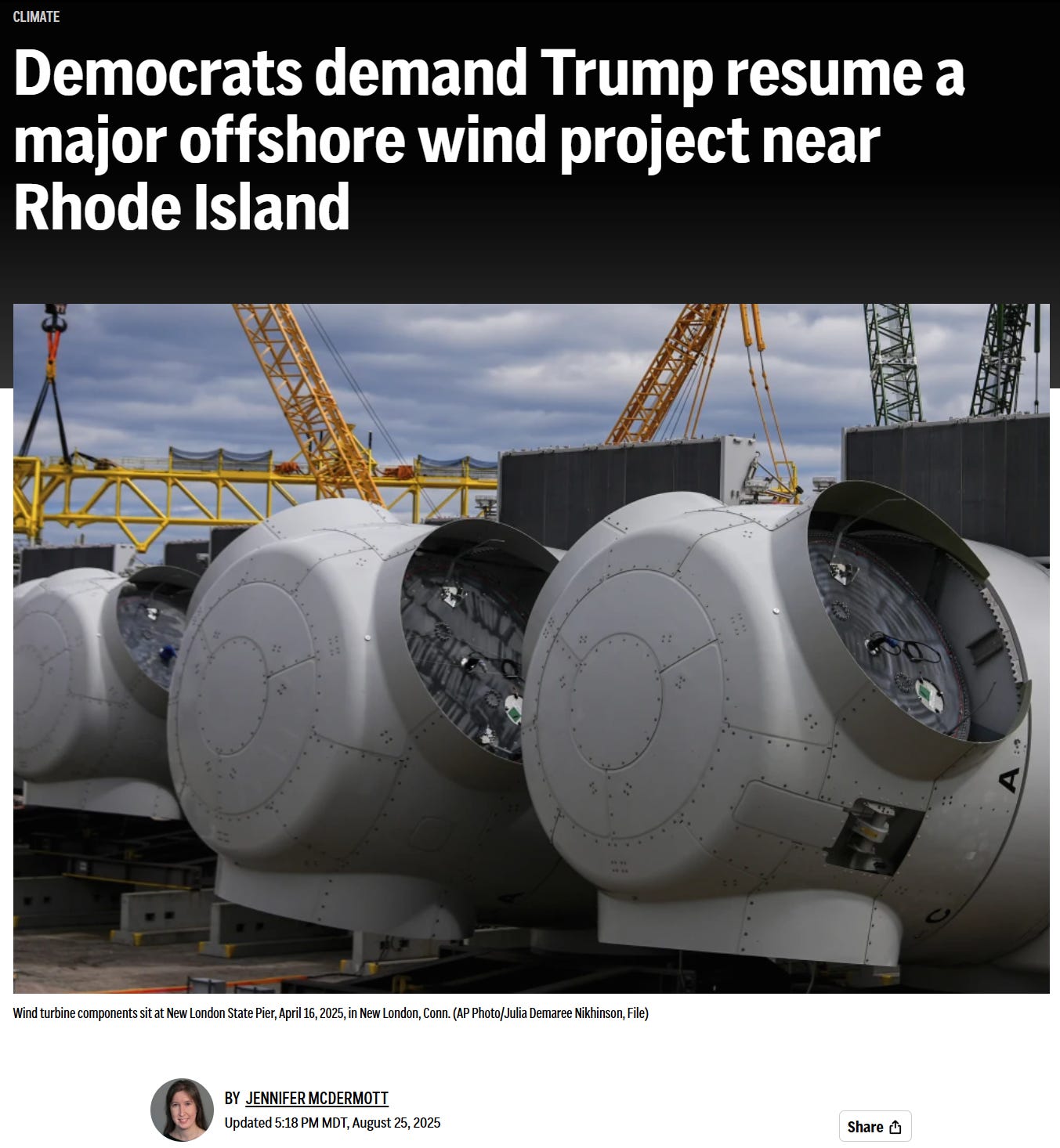
What Revolution Wind actually is
What the hardware looks like at sea
How much surveying and offshore work it took
What the subsidies would look like
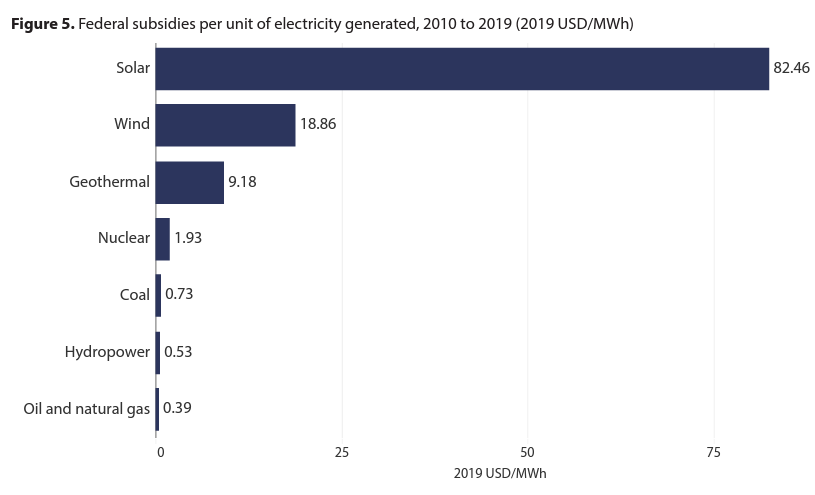
Who really gets what from Washington? In “Federal energy subsidies in the USA”, I walk through the federal books and show the totals for 2010 to 2019, then normalize by electricity produced. The surprise is not the dollars, it is the dollars per kilowatt hour. Solar and wind look very different once you scale by output.
The Maryland piece of the story
Why this pause strengthens the case I have been making
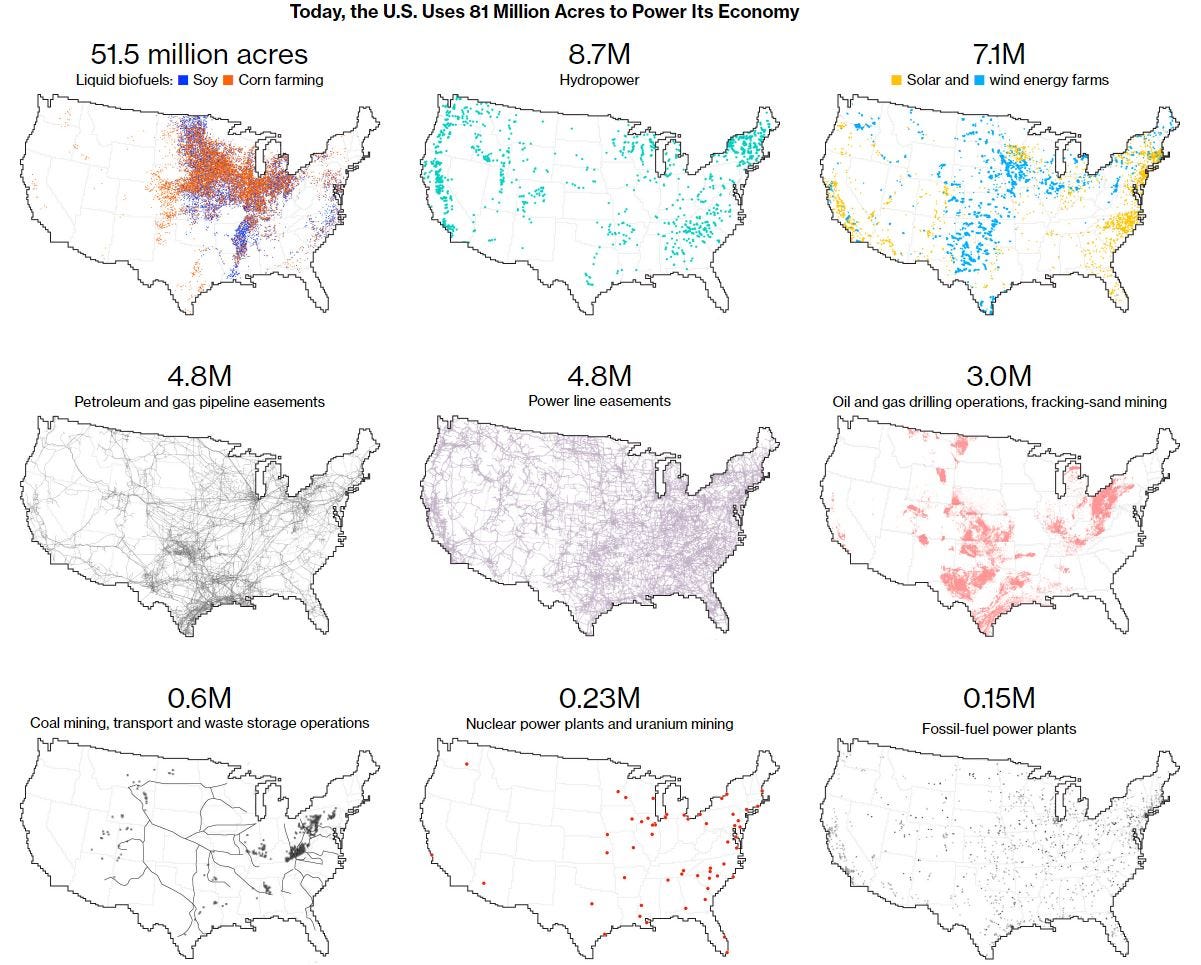
I have also compared like with like. When you stack the energy from a compact oil development against the output from sprawling wind arrays, the space and materials story is not even close. See the side-by-side numbers and maps in my field comparison here.
Then there is the surface warming problem. Very large wind and solar builds change local temperatures, especially at night, which cuts against the promise that these projects will cool the surface. I unpack the evidence and why it matters in “Chasing the Heat”.
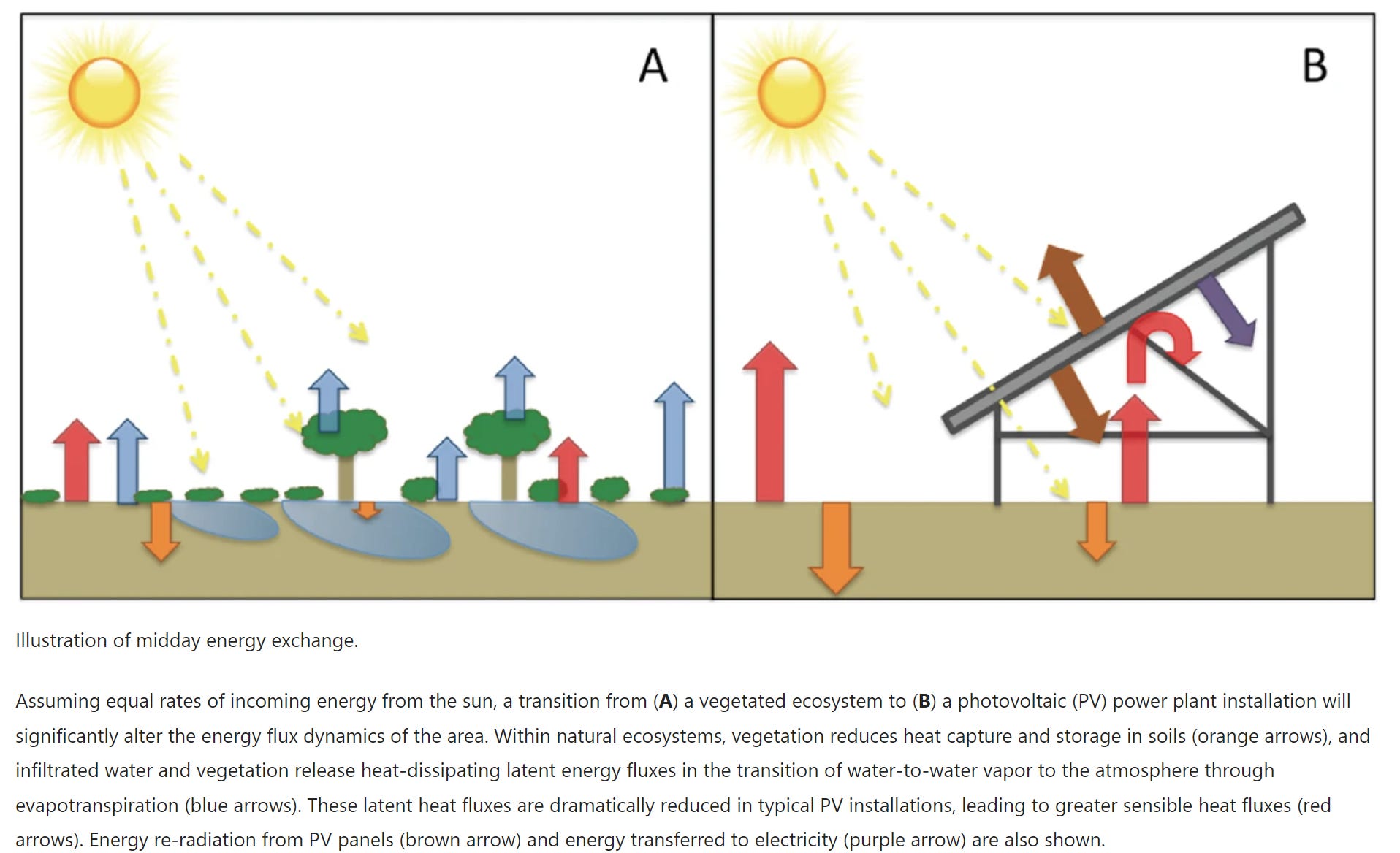
Source: Chasing the Heat
Finally, follow the money. When a technology cannot stand on its own without long-term guaranteed prices and rich federal credits, private capital steps back, and taxpayers are asked to step in. I break down the economics, the risk, and who pays in my wind finance article, “Will wind energy survive?”.
About whales and habitat
The bottom line

Dr. Matthew Wielicki
This article was published on 26 August 2025 by Dr. Matthew Wielicki on his substack Irrational Fear. Wielicki is offering this article for free because he believes these facts should be public. By subscribing to Irrational Fear, you will gain access to 380+ unique articles that dismantle the climate-crisis narrative with data, figures, and receipts… and you will help keep his work independent.

more news

No Evidence Weather Extremes Are Becoming More Frequent or Intense: (2) Droughts
In a series of articles on extreme weather attribution, physicist Ralph B. Alexander examines whether observational evidence supports claims that weather extremes are becoming more frequent or intense. Following his previous article on heat waves, this installment focuses on droughts.

The Great Barrier Reef has done it again: exceptionally high coral cover
The coral cover in the Great Barrier Reef is now as high as, or higher than, at any point during the past 35 years of systematic monitoring, Australian professor Peter Ridd recently explained.

India To Climate Cartel: Count Us Out
One of this year’s biggest news stories should have been India’s explicit rejection of the global net zero movement, says Vijay Jayaraj.

