Offshore Wind’s Epic Fail
Feds pull plug on Revolution Wind amid security fears.
What happened this week
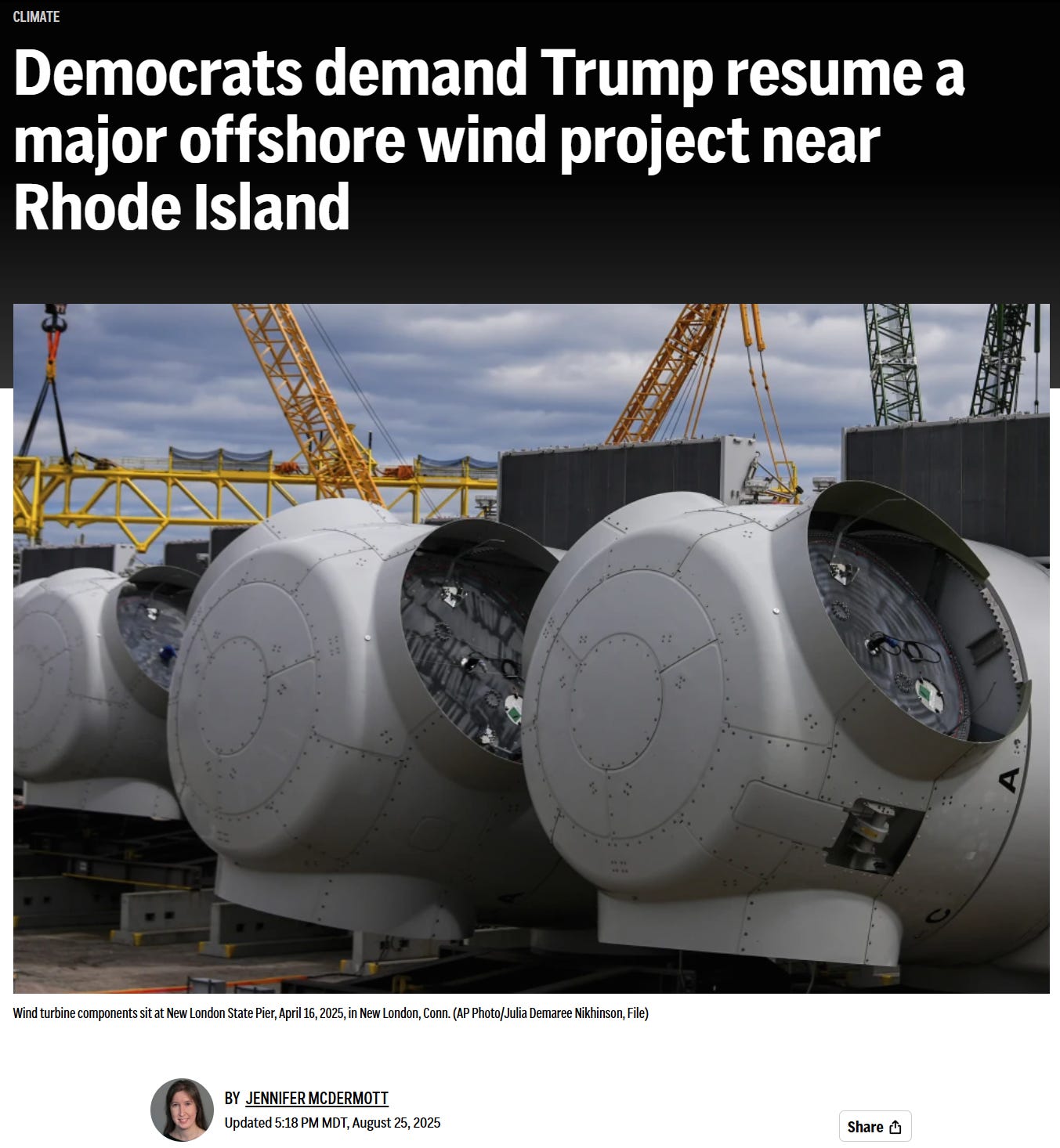
What Revolution Wind actually is
What the hardware looks like at sea
How much surveying and offshore work it took
What the subsidies would look like
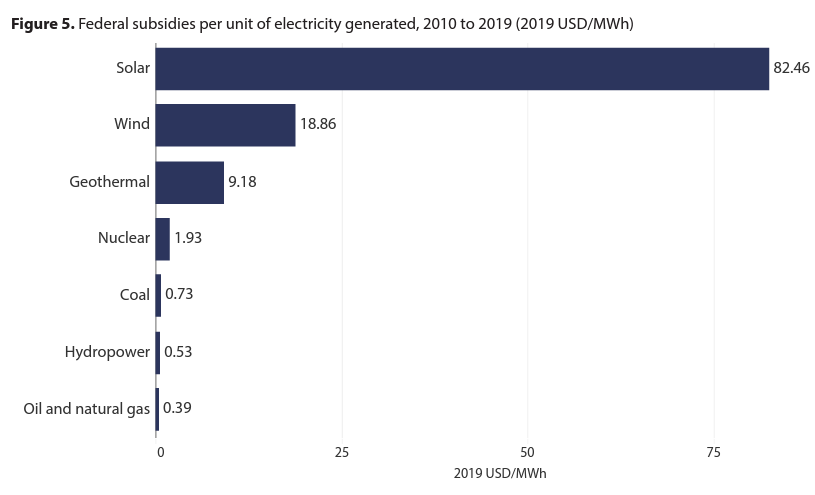
Who really gets what from Washington? In “Federal energy subsidies in the USA”, I walk through the federal books and show the totals for 2010 to 2019, then normalize by electricity produced. The surprise is not the dollars, it is the dollars per kilowatt hour. Solar and wind look very different once you scale by output.
The Maryland piece of the story
Why this pause strengthens the case I have been making
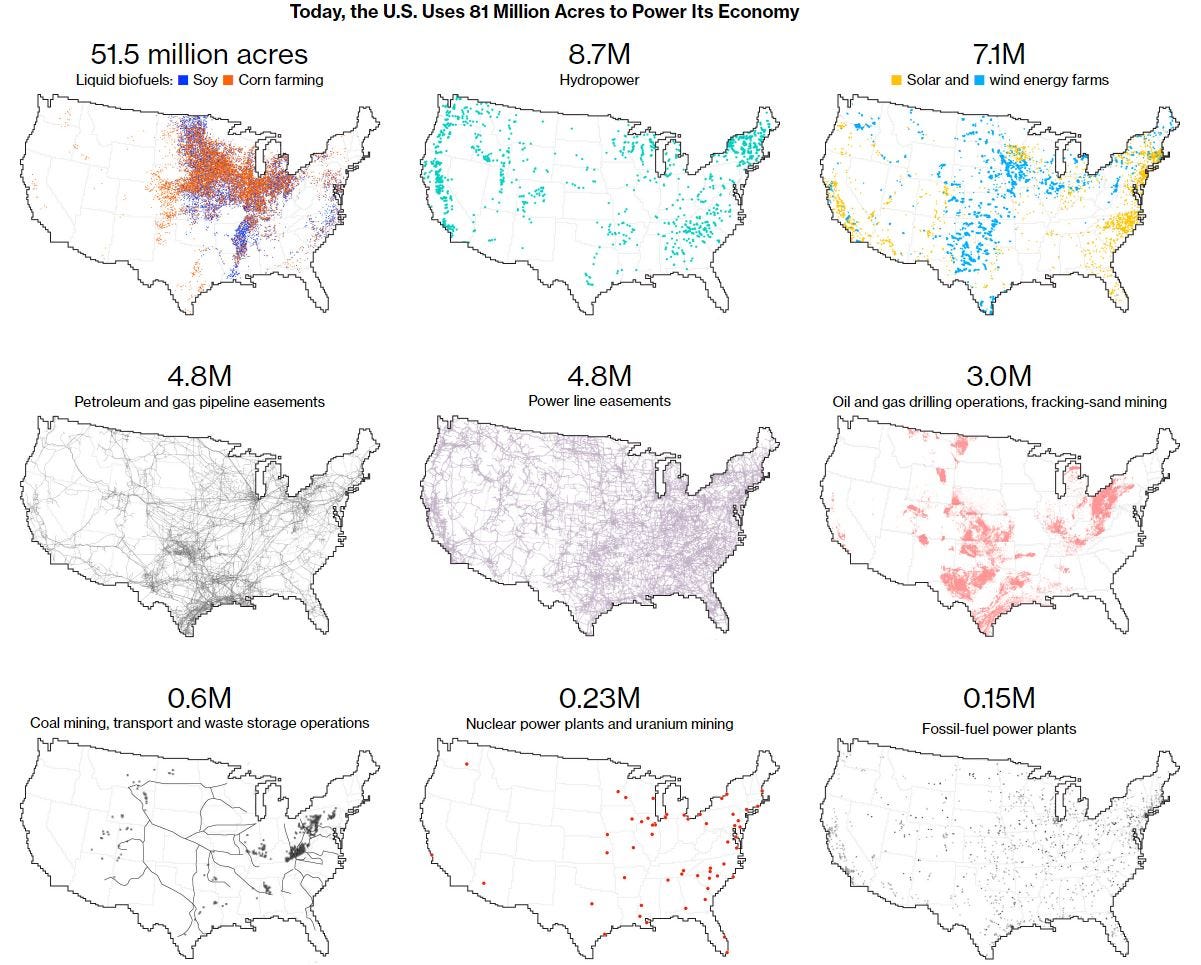
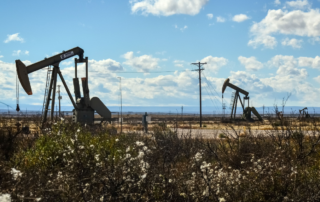
I have also compared like with like. When you stack the energy from a compact oil development against the output from sprawling wind arrays, the space and materials story is not even close. See the side-by-side numbers and maps in my field comparison here.
Then there is the surface warming problem. Very large wind and solar builds change local temperatures, especially at night, which cuts against the promise that these projects will cool the surface. I unpack the evidence and why it matters in “Chasing the Heat”.
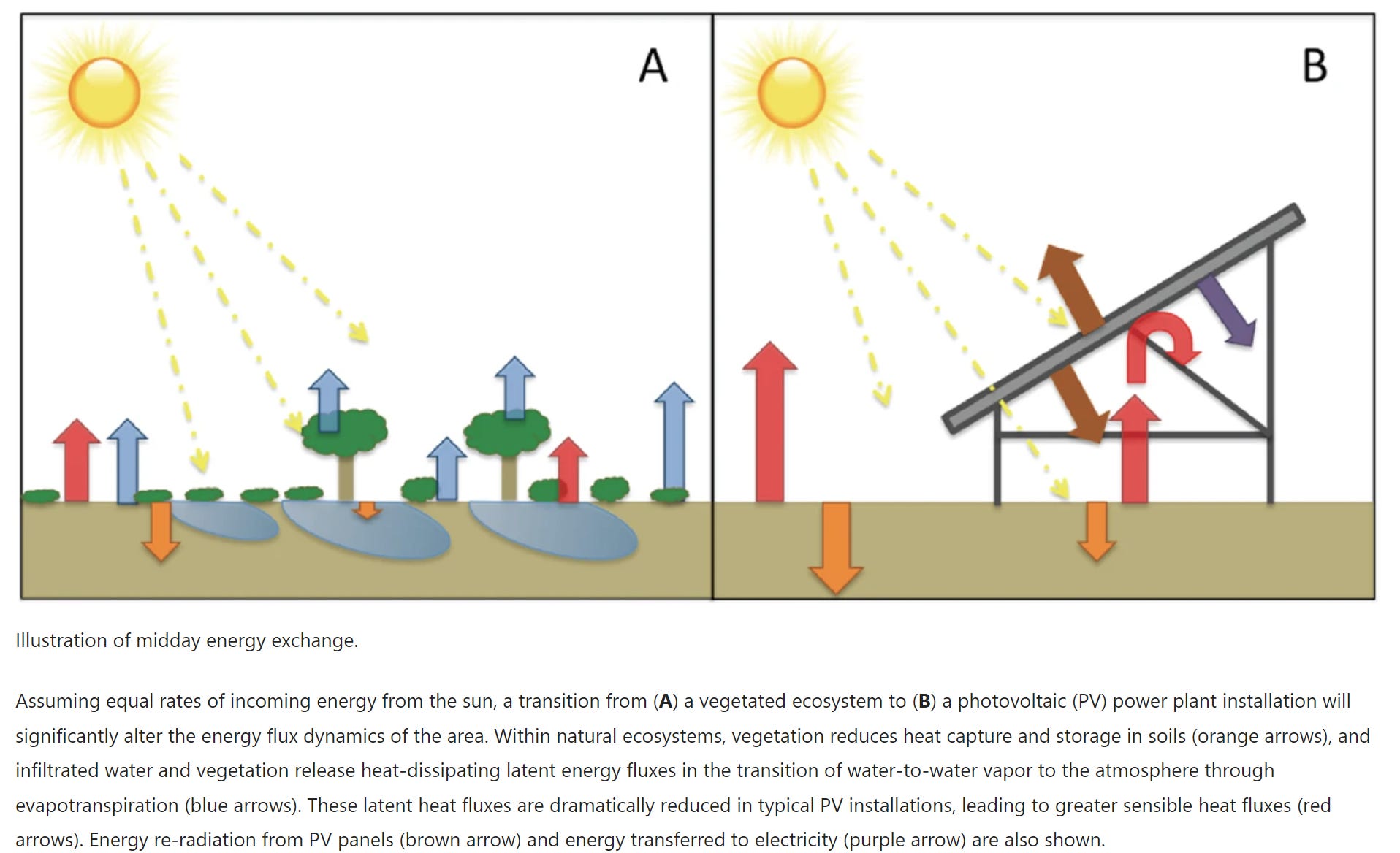
Source: Chasing the Heat
Finally, follow the money. When a technology cannot stand on its own without long-term guaranteed prices and rich federal credits, private capital steps back, and taxpayers are asked to step in. I break down the economics, the risk, and who pays in my wind finance article, “Will wind energy survive?”.
About whales and habitat
The bottom line

Dr. Matthew Wielicki
This article was published on 26 August 2025 by Dr. Matthew Wielicki on his substack Irrational Fear. Wielicki is offering this article for free because he believes these facts should be public. By subscribing to Irrational Fear, you will gain access to 380+ unique articles that dismantle the climate-crisis narrative with data, figures, and receipts… and you will help keep his work independent.

more news
US Energy Realism Pays Off in Iran Crisis
The stark contrast between American resilience and European collapse is a permanent lesson. National security should not be subject to the whims of the weather or the approval of climate activists in European capitals.

AI accurately reconstructs temperatures across Antarctica
Artificial intelligence is increasingly being applied in climate science, with mixed results so far. A new study, however, suggests that deep learning can successfully reconstruct Antarctic surface temperatures despite limited observational data. By combining sparse measurements with reanalysis datasets, the researchers claim to achieve high accuracy—offering new insights into long-term temperature trends across the continent.
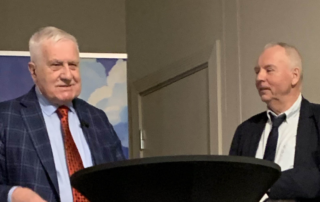
Clintel President Václav Klaus warns: “No radical change in Europe in the near future”
We must not be naïve optimists about climate policy and should not overestimate the recent positive signals, like those from President Trump. This is the view of Clintel President Václav Klaus: “Nothing has changed in the European Union. We, with a background in the social sciences, cannot imagine that any radical change will take place in Europe in the near future.” Klaus made these remarks in his speech at the annual meeting of the Norwegian Klimarealistene in Oslo on March 15.