News

China cooks the carbon accounting books by 400 million tons
China treats us like mugs and we cheer it on, says Jo Nova. Almost no one cares that the largest emitter on Earth has gaping holes in its CO2-numbers.

Why Aren’t Democrats Fighting Back? Morano on Turning Point in U.S. Climate Politics
Democrats and American environmental groups have grown strangely quiet on climate, says Marc Morano in a recent podcast with Tom Nelson. “It’s the complete and total collapse of everything we’ve covered over the last two decades of the climate movement.”

Dutch Climate ‘Hero’ Donald Pols Had Far-Right Past; Friends of the Earth Knew
Donald Pols was one of the most recognisable figures in the Dutch environmental movement. In 2021, he achieved a landmark victory when a Dutch court ruled that Shell must accelerate its emissions reductions. Following his highly controversial move to Tata Steel last month, it has now emerged that Pols was chairman of the Afrikaner Student Front (ASF) during his youth—a far-right student organisation that opposed the dismantling of apartheid. Friends of the Earth Netherlands, his former employer, has been aware of this part of his past for at least five years.
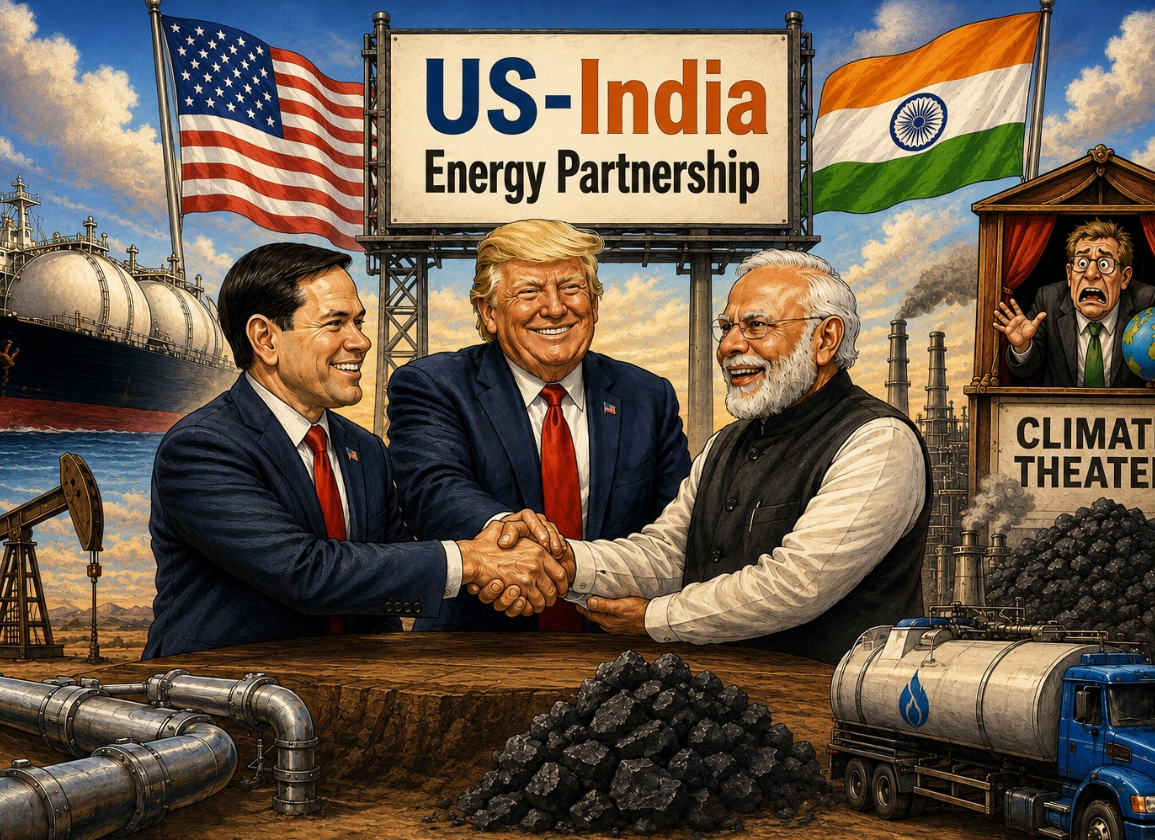
Can US and India Forge a ‘Big, Beautiful’ Energy Deal?
India has never seriously embraced the fantasy that wind and solar technologies can sustain an industrial economy. A U.S.-India alliance would strike at the heart of the corrupt climate lobby, says Vijay Jayaraj.

“Friends of the Earth sounded like a spoiled child in court appeal against Shell”
Friends of the Earth Netherlands recently filed an appeal with the Dutch Hoge Raad against Shell and the Mens en Milieu Foundation in a last effort to force the company to implement significant worldwide emissions reductions. Lucas Bergkamp, a physician and attorney in Brussels, assisted Mens en Milieu in the proceeding and reported on the hearing: “Friends of the Earth looked tired and sounded like a spoiled child.”
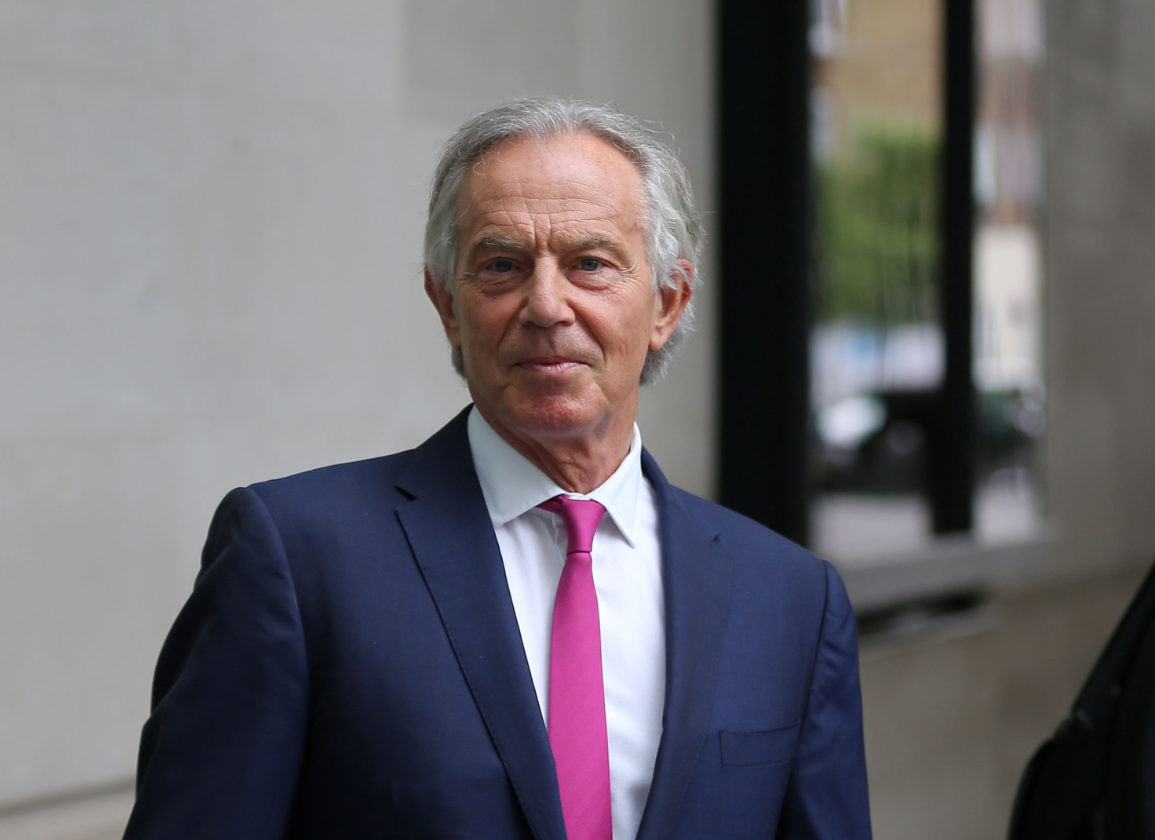
Former British Prime Minister Tony Blair: “Abandon Net Zero and Move Closer to Trump”
In a scathing 5,700-word attack on the current Prime Minister, Tony Blair argued for the British government to abandon Net Zero and smooth relations with Donald Trump.
News
China cooks the carbon accounting books by 400 million tons
China treats us like mugs and we cheer it on, says Jo Nova. Almost no one cares that the largest emitter on Earth has gaping holes in its CO2-numbers.
Why Aren’t Democrats Fighting Back? Morano on Turning Point in U.S. Climate Politics
Democrats and American environmental groups have grown strangely quiet on climate, says Marc Morano in a recent podcast with Tom Nelson. “It’s the complete and total collapse of everything we’ve covered over the last two decades of the climate movement.”
Dutch Climate ‘Hero’ Donald Pols Had Far-Right Past; Friends of the Earth Knew
Donald Pols was one of the most recognisable figures in the Dutch environmental movement. In 2021, he achieved a landmark victory when a Dutch court ruled that Shell must accelerate its emissions reductions. Following his highly controversial move to Tata Steel last month, it has now emerged that Pols was chairman of the Afrikaner Student Front (ASF) during his youth—a far-right student organisation that opposed the dismantling of apartheid. Friends of the Earth Netherlands, his former employer, has been aware of this part of his past for at least five years.
Can US and India Forge a ‘Big, Beautiful’ Energy Deal?
India has never seriously embraced the fantasy that wind and solar technologies can sustain an industrial economy. A U.S.-India alliance would strike at the heart of the corrupt climate lobby, says Vijay Jayaraj.
“Friends of the Earth sounded like a spoiled child in court appeal against Shell”
Friends of the Earth Netherlands recently filed an appeal with the Dutch Hoge Raad against Shell and the Mens en Milieu Foundation in a last effort to force the company to implement significant worldwide emissions reductions. Lucas Bergkamp, a physician and attorney in Brussels, assisted Mens en Milieu in the proceeding and reported on the hearing: “Friends of the Earth looked tired and sounded like a spoiled child.”
Former British Prime Minister Tony Blair: “Abandon Net Zero and Move Closer to Trump”
In a scathing 5,700-word attack on the current Prime Minister, Tony Blair argued for the British government to abandon Net Zero and smooth relations with Donald Trump.