
News
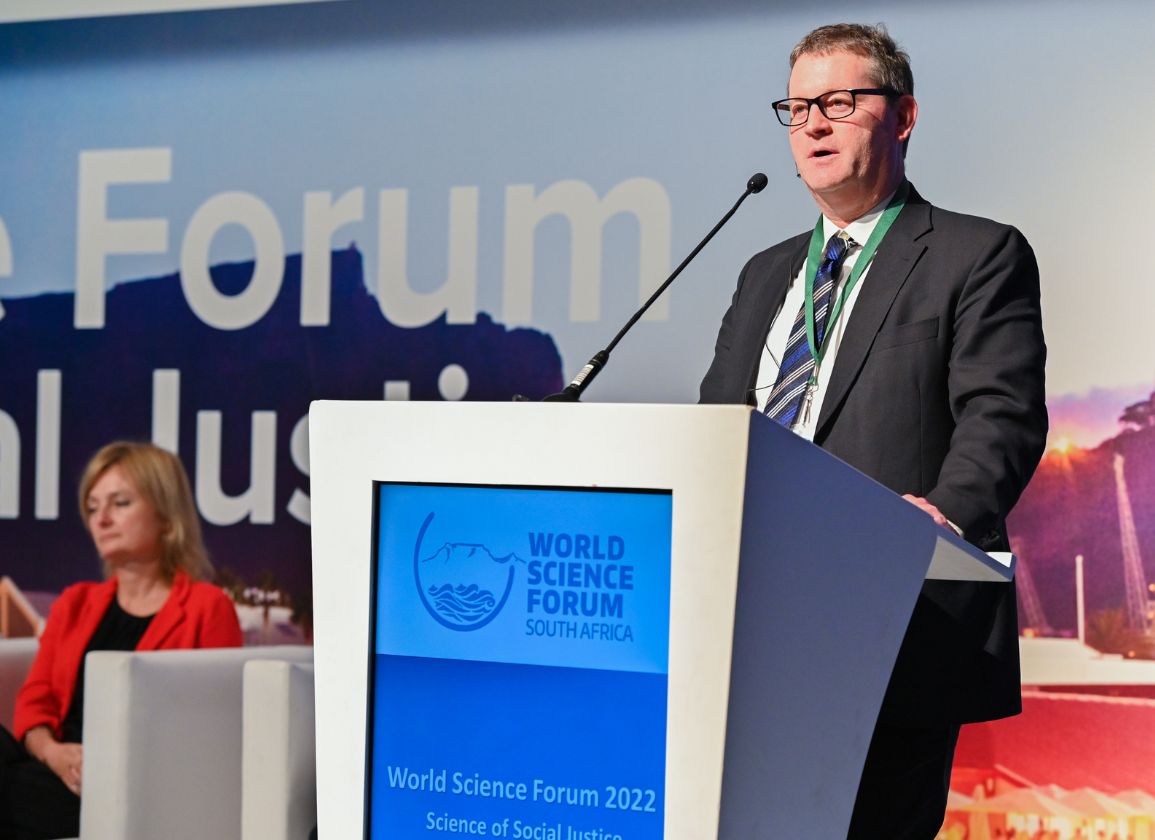
Roger Pielke Jr. lectures in Driebergen on 11 October 2026
Roger Pielke Jr. will give two lectures on Sunday 11 October 2026 at Antropia in Driebergen, the Netherlands, at the invitation of the Clintel Foundation. The American researcher will discuss climate change and extreme weather, climate-related damage, climate scenarios and the politicisation of climate science. The afternoon is open to supporters, critics and anyone interested in understanding his research.
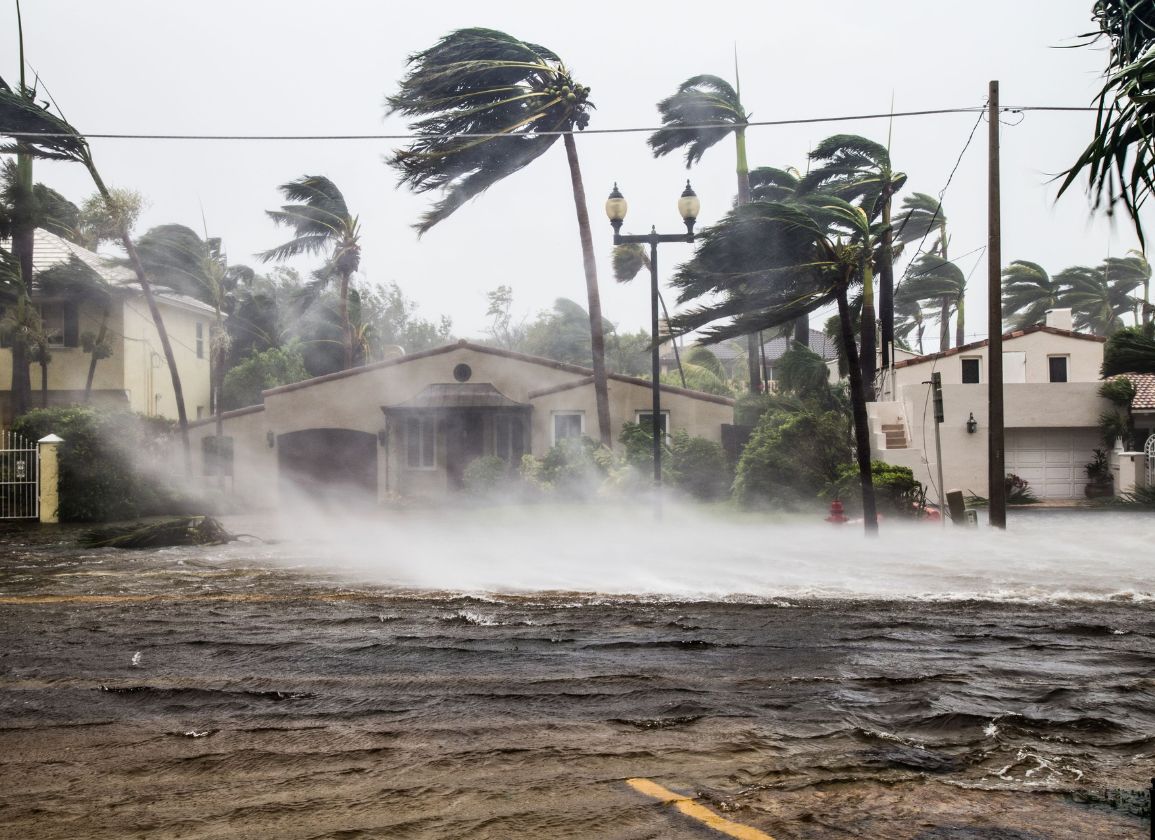
Can We Declare The Hurricane Hypothesis To Be Falsified?
Can we now declare that the hypothesis that increased global temperatures cause increased hurricane frequency and intensity has been definitively falsified? And if not, when can we declare it, Francis Menton wonders.
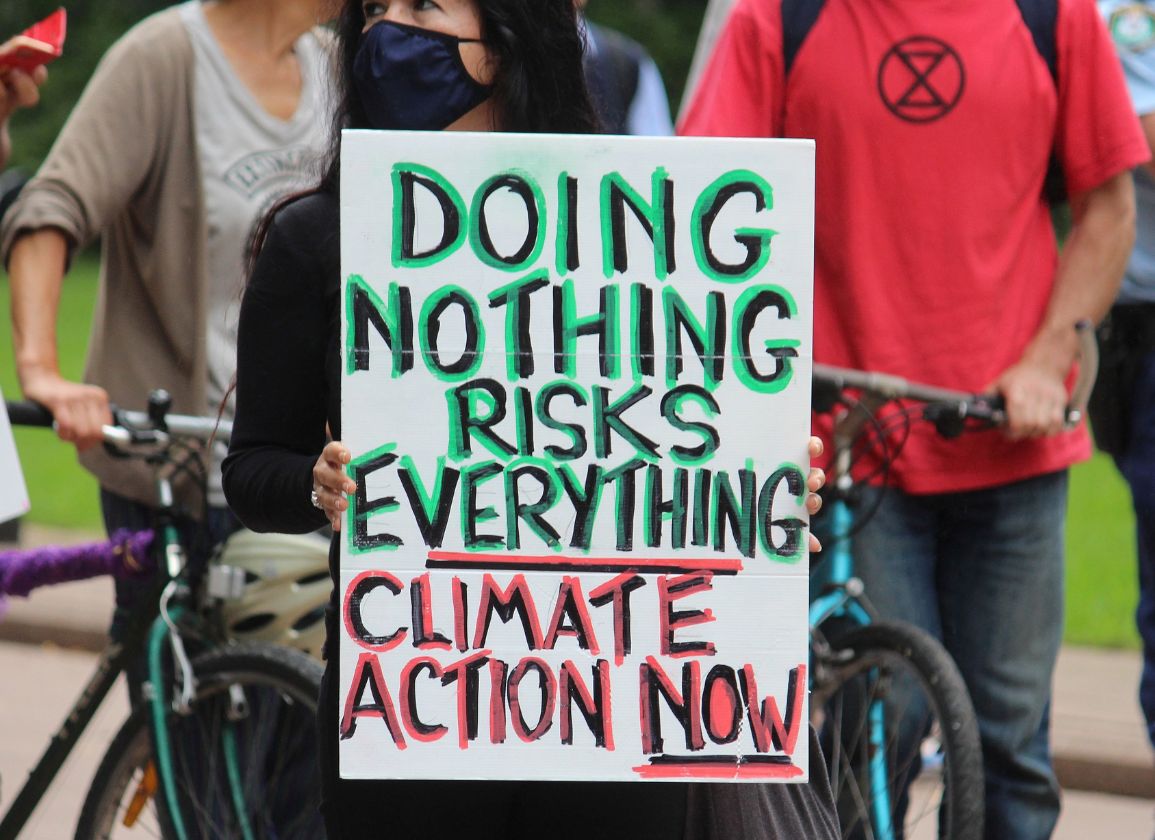
Gloom never goes out of fashion
Malthusian gloom never really goes out of fashion; it merely changes its wardrobe. Where the Club of Rome had mainframe computers and system dynamics diagrams, Potsdam Institute for Climate Impact Research (PIK) has Earth-system modelling and a “Planetary Health Check” branded website. The underlying choice on offer, then as now, is the same: either humanity abandons industrial civilisation or it faces Armageddon.
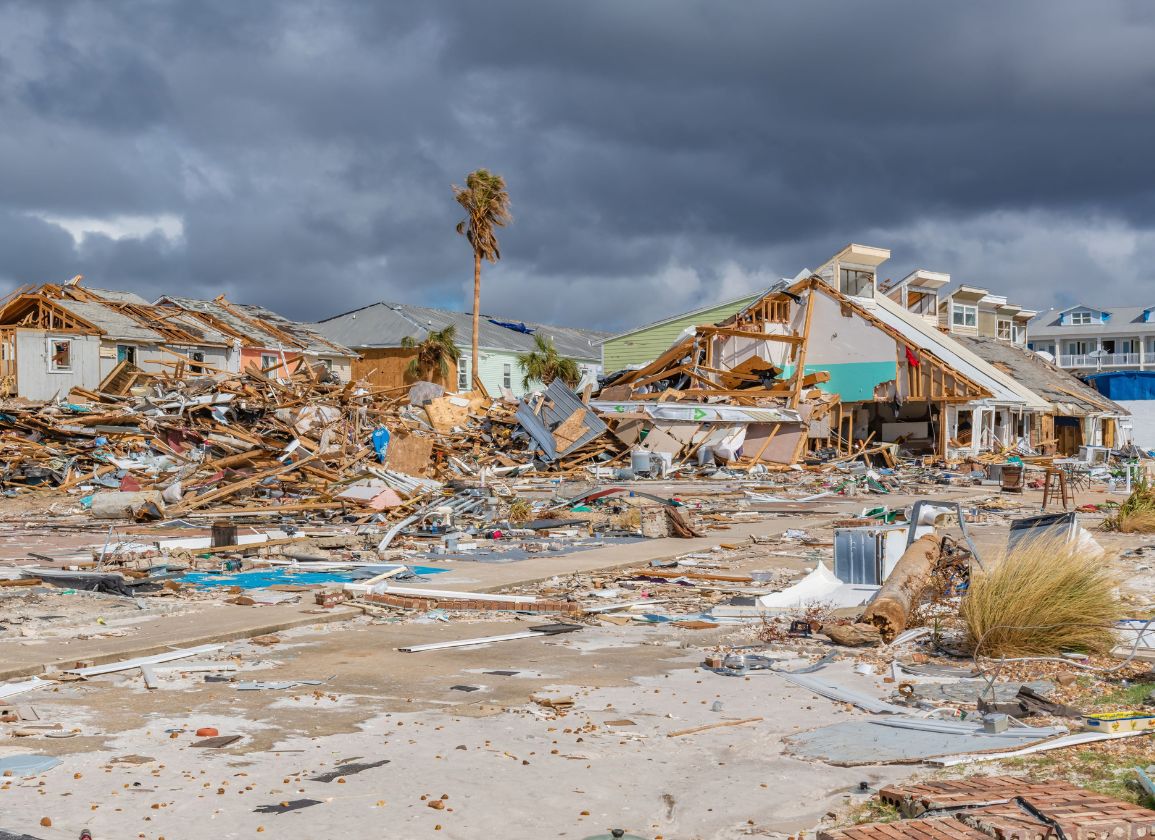
No Evidence Weather Extremes Are Becoming More Frequent or Intense: (4) Hurricanes
In a series of articles on extreme weather attribution, physicist Ralph B. Alexander examines whether observational evidence supports claims that weather extremes are becoming more frequent or intense. Following his previous article on floods, this installment focuses on hurricanes and typhoons.
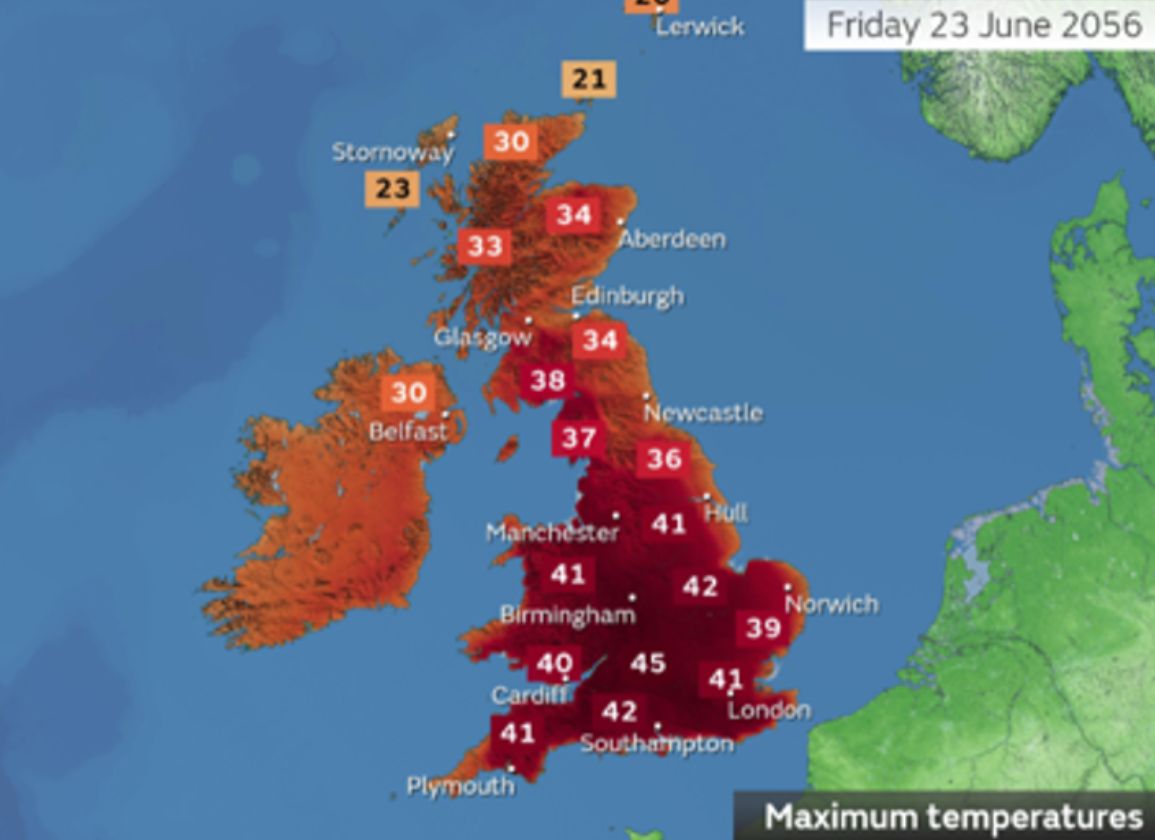
Met Office still whipping up fear with 2056 ‘weather forecast’
Five months after the IPCC ruled that the infamous RCP8.5 doomsday climate scenario was “implausible”, the British Met Office is still whipping up unjustified Net-Zero convenient fear, says Chris Morrison.
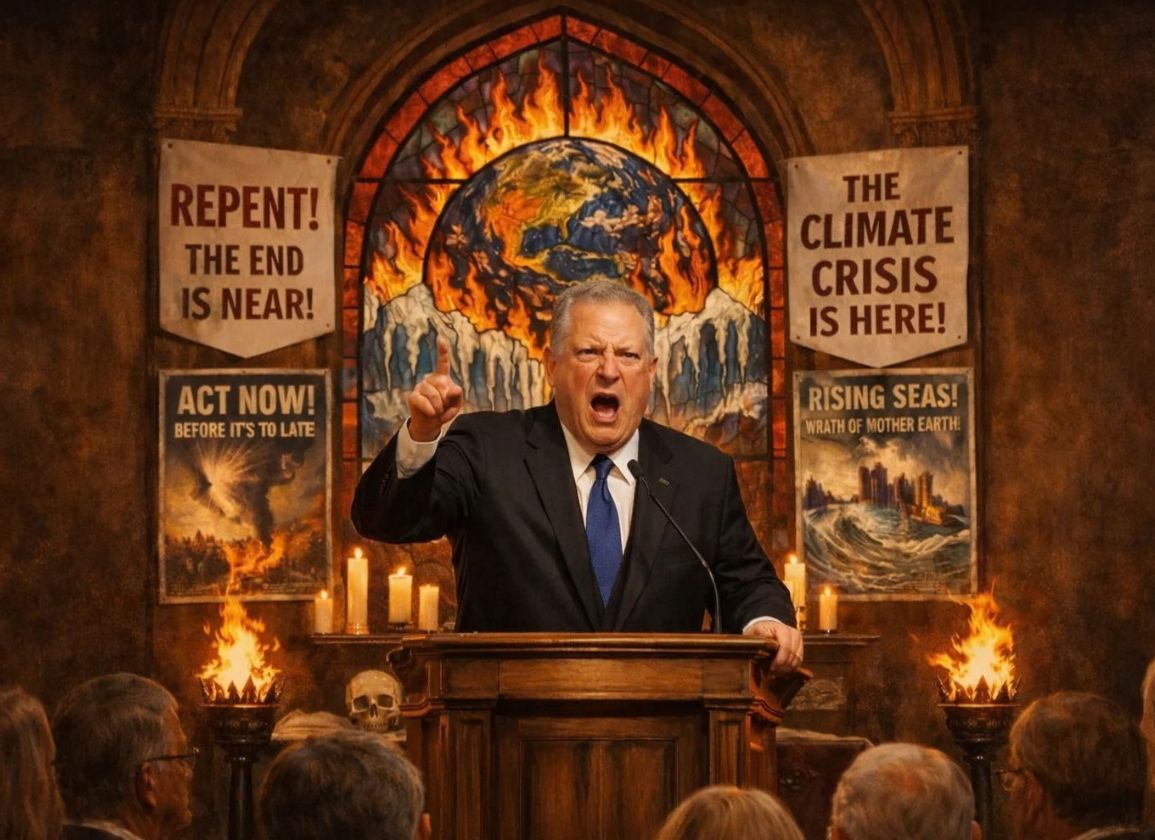
Al Gore: “Scientists have been proven absolutely correct”
Twenty years after An Inconvenient Truth, Al Gore still believes in the climate fight: “We are going to win this”.
News
Roger Pielke Jr. lectures in Driebergen on 11 October 2026
Roger Pielke Jr. will give two lectures on Sunday 11 October 2026 at Antropia in Driebergen, the Netherlands, at the invitation of the Clintel Foundation. The American researcher will discuss climate change and extreme weather, climate-related damage, climate scenarios and the politicisation of climate science. The afternoon is open to supporters, critics and anyone interested in understanding his research.
Can We Declare The Hurricane Hypothesis To Be Falsified?
Can we now declare that the hypothesis that increased global temperatures cause increased hurricane frequency and intensity has been definitively falsified? And if not, when can we declare it, Francis Menton wonders.
Gloom never goes out of fashion
Malthusian gloom never really goes out of fashion; it merely changes its wardrobe. Where the Club of Rome had mainframe computers and system dynamics diagrams, Potsdam Institute for Climate Impact Research (PIK) has Earth-system modelling and a “Planetary Health Check” branded website. The underlying choice on offer, then as now, is the same: either humanity abandons industrial civilisation or it faces Armageddon.
No Evidence Weather Extremes Are Becoming More Frequent or Intense: (4) Hurricanes
In a series of articles on extreme weather attribution, physicist Ralph B. Alexander examines whether observational evidence supports claims that weather extremes are becoming more frequent or intense. Following his previous article on floods, this installment focuses on hurricanes and typhoons.
Met Office still whipping up fear with 2056 ‘weather forecast’
Five months after the IPCC ruled that the infamous RCP8.5 doomsday climate scenario was “implausible”, the British Met Office is still whipping up unjustified Net-Zero convenient fear, says Chris Morrison.
Al Gore: “Scientists have been proven absolutely correct”
Twenty years after An Inconvenient Truth, Al Gore still believes in the climate fight: “We are going to win this”.

