News item tags

The Climate Narrative is Collapsing

By |2026-10-20T08:21:09+02:00October 20, 2026|

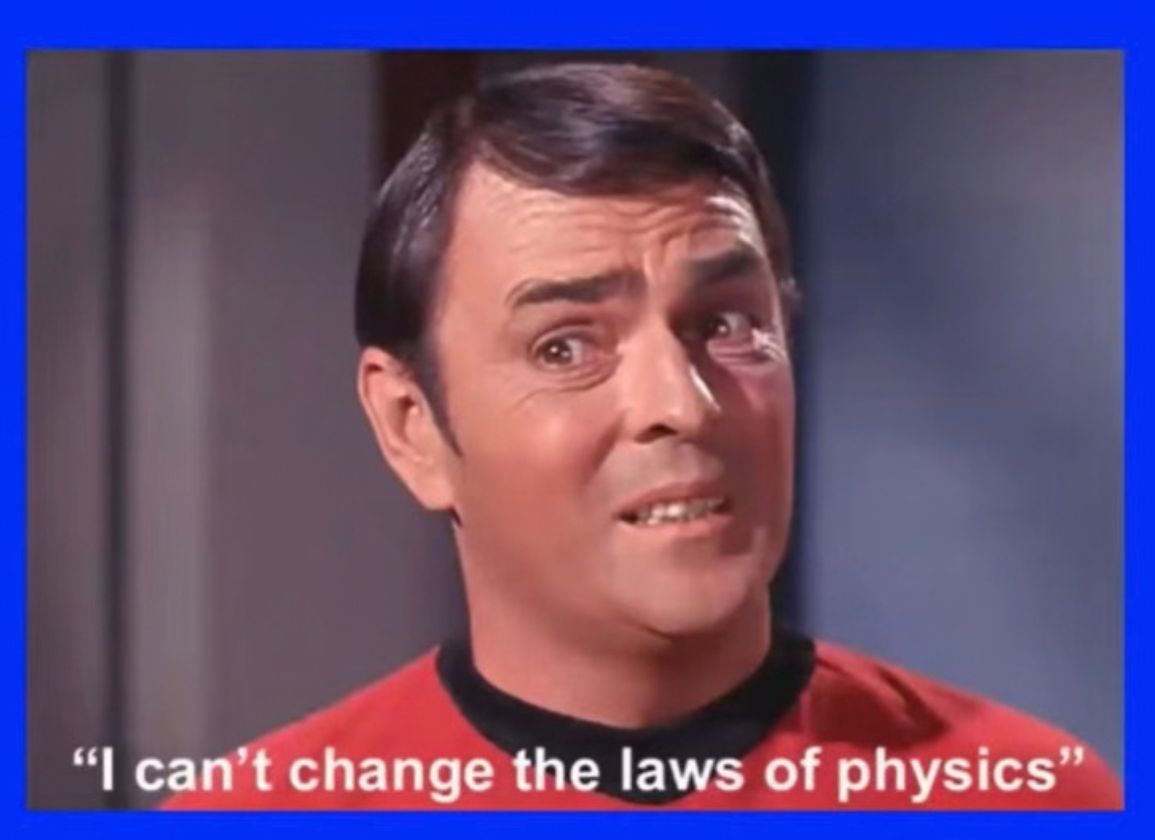
The climate house of cards is collapsing, as became clear last week at the IPCC meeting in Ethiopia. The climate narrative has never had any substance, and now that the flow of funding is being cut off, there will soon be nothing left, says Wim Röst, Chair of the Clintel Board.

Comments Off on The Climate Narrative is Collapsing

Peak Oil By Any Other Name

By |2026-10-17T15:59:55+02:00October 18, 2026|

Tilak Doshi reviews “The Energy Trap” by Richard Lyon and thinks it is too pessimistic. “It treats present constraints as fixed limits rather than as problems that markets, technology and human creativity have repeatedly transformed for the better.”

Comments Off on Peak Oil By Any Other Name

“Humanity Needs to Pay Attention to the Laws of Physics”

By |2026-10-11T09:24:01+02:00October 11, 2026|

In a recent podcast hosted by Tom Nelson, British engineer and former entrepreneur Ed Hoskins presented a detailed critique of Europe’s transition to renewable energy. His central message is that energy policy should be based on measurable performance and engineering calculations rather than political promises.

Comments Off on “Humanity Needs to Pay Attention to the Laws of Physics”

ICSF/Clintel lecture by Lars Schernikau: Wind and Solar Cannot Power Europe

By |2026-09-19T14:54:40+02:00September 20, 2026|

Europe is facing a growing energy challenge that cannot be solved by simply adding more wind and solar power, said energy economist Lars Schernikau in his recent ICSF/Clintel lecture. “Germany could see serious power shortages before the end of the decade.”

Comments Off on ICSF/Clintel lecture by Lars Schernikau: Wind and Solar Cannot Power Europe

Conférence ICSF/Clintel de Lars Schernikau : L’éolien et le solaire ne peuvent pas alimenter l’Europe

By |2026-09-21T23:02:00+02:00September 20, 2026|

L’Europe est confrontée à un défi énergétique croissant qui ne peut être résolu par la simple augmentation de la production d’énergie éolienne et solaire, a déclaré l’économiste de l’énergie Lars Schernikau lors de sa récente conférence ICSF/Clintel. « L’Allemagne pourrait connaître de graves pénuries d’électricité avant la fin de la décennie. »

Comments Off on Conférence ICSF/Clintel de Lars Schernikau : L’éolien et le solaire ne peuvent pas alimenter l’Europe

«No existe tal cosa como la energía renovable»

By |2026-09-19T17:49:23+02:00August 20, 2026|

El geólogo, experto en energía y educador Scott Tinker cuestionó algunos de los supuestos centrales detrás de la transición energética moderna durante su reciente aparición en el popular pódcast Triggernometry: «No existe tal cosa como la energía renovable».

Comments Off on «No existe tal cosa como la energía renovable»

“There Is No Such Thing as Renewable Energy”

By |2026-09-19T17:49:38+02:00August 18, 2026|

Geologist, energy expert and educator Scott Tinker challenged some of the central assumptions behind the modern energy transition in his recent appearance on the popular podcast Triggernometry: “There’s no such thing as renewable energy.”

Comments Off on “There Is No Such Thing as Renewable Energy”

Die Klimapolitik-Falle: Warum Scheitern so oft zu mehr vom Gleichen führt

By |2026-08-17T23:01:07+02:00August 17, 2026|

Gruppenidentität, sozialer Status und ein von Qualifikationen dominiertes politisches Establishment führen laut Evert Doornhof von Clintel dazu, dass die Klimadebatte zunehmend immun gegen enttäuschende Ergebnisse wird. Die Folge ist eine Klimapolitik-Falle, in der Scheitern nicht zu einem Umdenken, sondern zu noch mehr Klimapolitik führt.

Comments Off on Die Klimapolitik-Falle: Warum Scheitern so oft zu mehr vom Gleichen führt

The Climate Policy Trap: Why Failure So Often Leads to More of the Same

By |2026-08-17T12:55:06+02:00August 17, 2026|

Group identity, social status, and a credential-dominated policy establishment make the climate narrative increasingly immune to disappointing results, argues Evert Doornhof of Clintel. The result is a climate policy trap in which failure doesn't lead to reconsideration, but to even more climate policy.

Comments Off on The Climate Policy Trap: Why Failure So Often Leads to More of the Same
Go to Top