
News
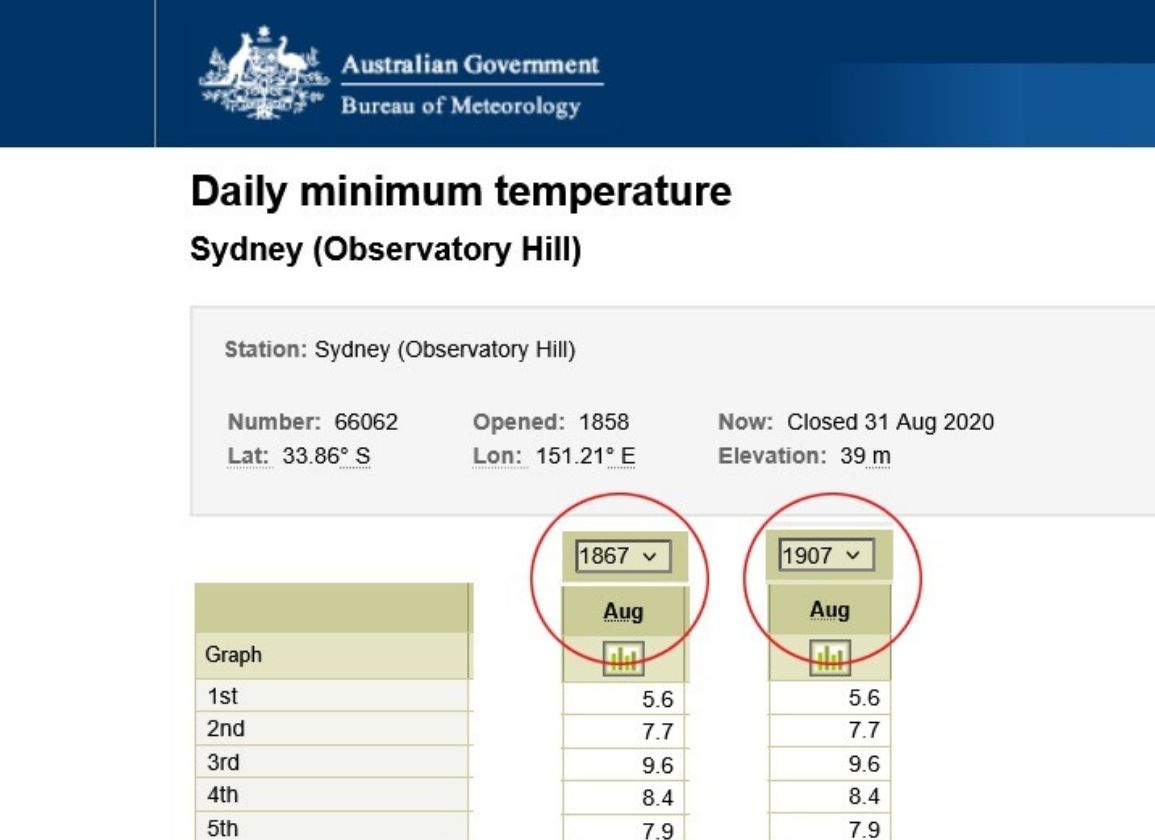
Australian Bureau of Meteorology in trouble for copy-pasting temperature records
Jennifer Marohasy gives an update about the scandal surrounding the temperature records of the Australian Bureau of Meteorology. Its digital file showed August 1867 and August 1907 as identical on all 31 days, to a tenth of a degree. But that’s not the only problem.

The Climate Narrative is Collapsing
The climate house of cards is collapsing, as became clear last week at the IPCC meeting in Ethiopia. The climate narrative has never had any substance, and now that the flow of funding is being cut off, there will soon be nothing left, says Wim Röst, Chair of the Clintel Board.
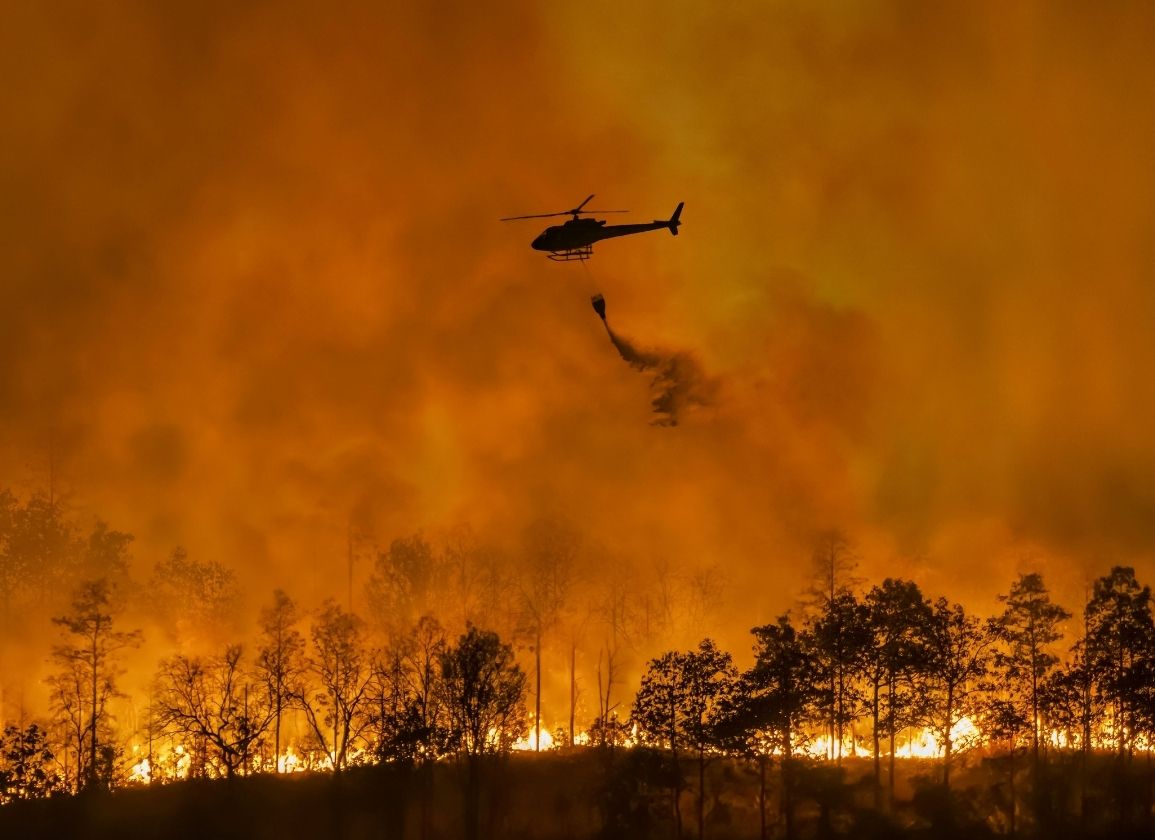
Global Burned Area 18% Below Average
Global burned area was 18% below average this past season and has been falling for two decades. Why is that only one sentence in the annual State of Wildfires report, Charles Rotter asks.

Peak Oil By Any Other Name
Tilak Doshi reviews “The Energy Trap” by Richard Lyon and thinks it is too pessimistic. “It treats present constraints as fixed limits rather than as problems that markets, technology and human creativity have repeatedly transformed for the better.”
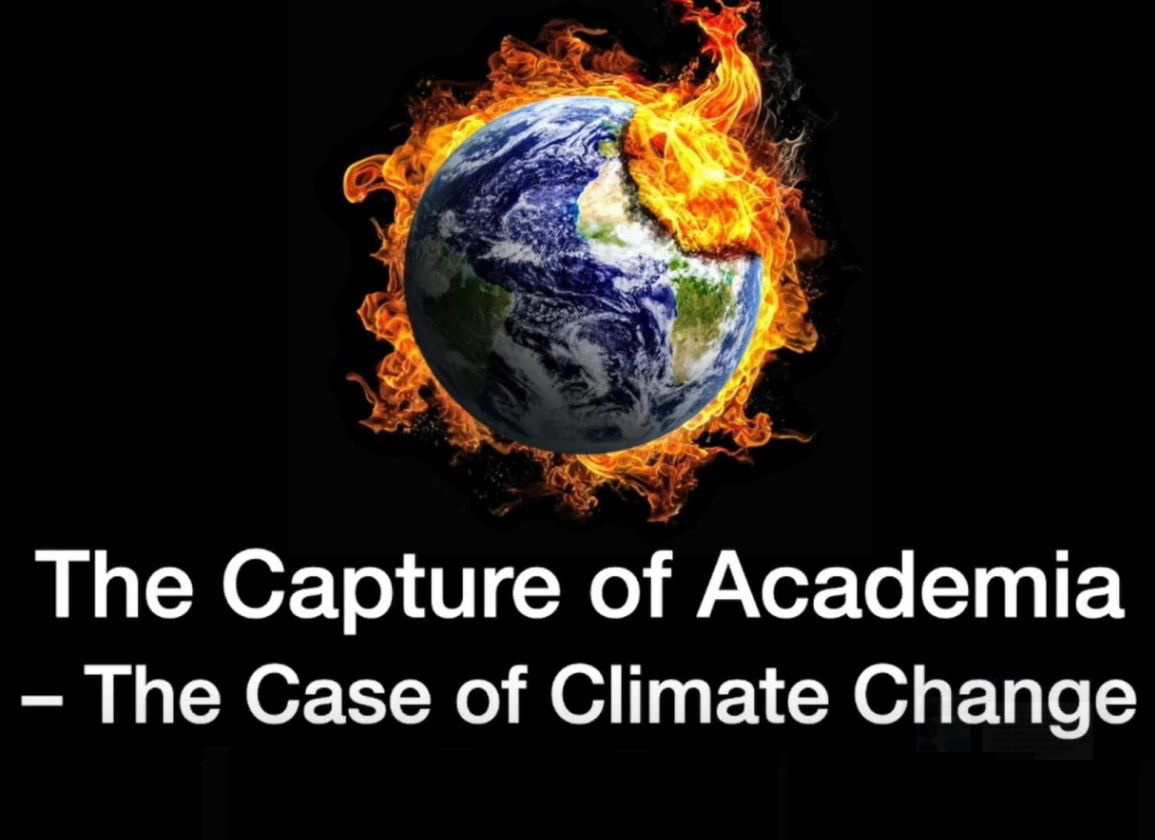
Jacob Nordangård: The Capture of Academia
In his recent presentation The Capture of Academia – The Case of Climate Change, for the Omniwar Symposium, Swedish researcher Jacob Nordangård argues that the rise of anthropogenic global warming as the dominant explanation for climate change, was shaped by influential philanthropic foundations, research institutions and political networks.
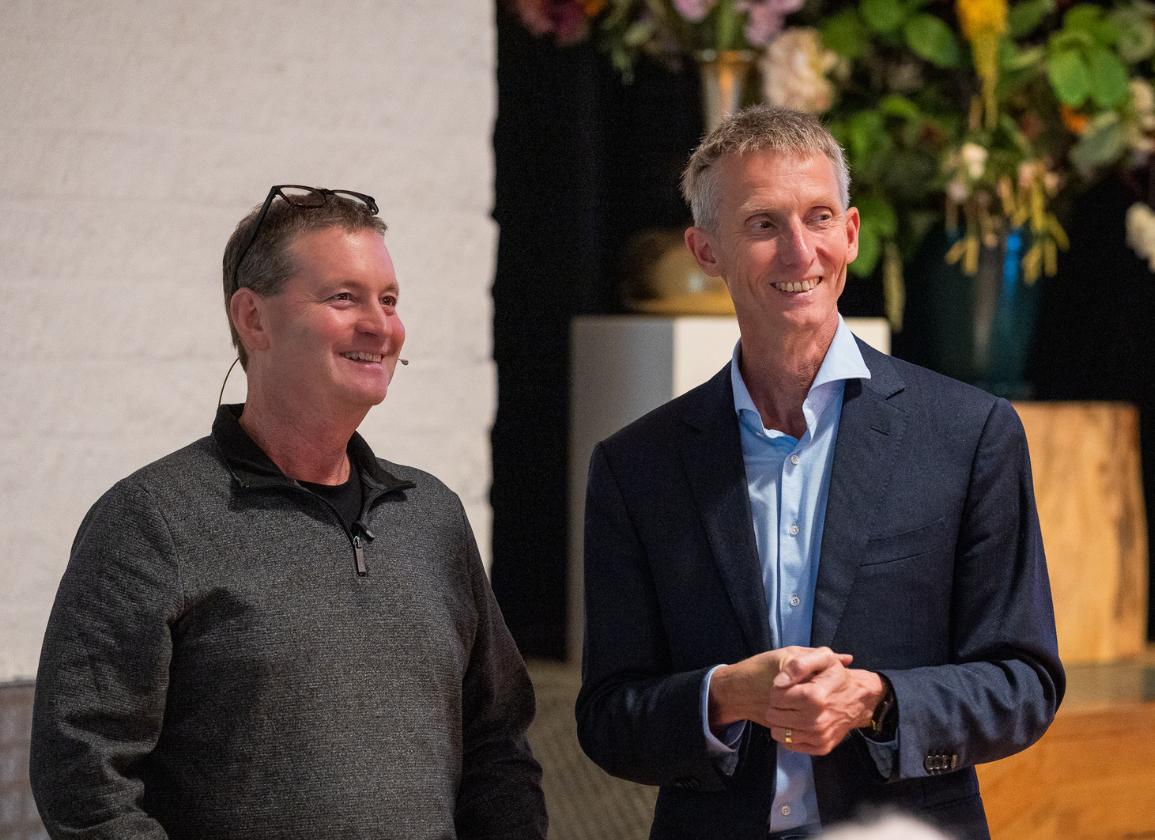
Roger Pielke Jr.: A Report from the Netherlands
In this article Roger Pielke reflects on his recent presentations for Clintel and his trip to the Netherlands. “Why engagement matters to me.”
News
Australian Bureau of Meteorology in trouble for copy-pasting temperature records
Jennifer Marohasy gives an update about the scandal surrounding the temperature records of the Australian Bureau of Meteorology. Its digital file showed August 1867 and August 1907 as identical on all 31 days, to a tenth of a degree. But that’s not the only problem.
The Climate Narrative is Collapsing
The climate house of cards is collapsing, as became clear last week at the IPCC meeting in Ethiopia. The climate narrative has never had any substance, and now that the flow of funding is being cut off, there will soon be nothing left, says Wim Röst, Chair of the Clintel Board.
Global Burned Area 18% Below Average
Global burned area was 18% below average this past season and has been falling for two decades. Why is that only one sentence in the annual State of Wildfires report, Charles Rotter asks.
Peak Oil By Any Other Name
Tilak Doshi reviews “The Energy Trap” by Richard Lyon and thinks it is too pessimistic. “It treats present constraints as fixed limits rather than as problems that markets, technology and human creativity have repeatedly transformed for the better.”
Jacob Nordangård: The Capture of Academia
In his recent presentation The Capture of Academia – The Case of Climate Change, for the Omniwar Symposium, Swedish researcher Jacob Nordangård argues that the rise of anthropogenic global warming as the dominant explanation for climate change, was shaped by influential philanthropic foundations, research institutions and political networks.
Roger Pielke Jr.: A Report from the Netherlands
In this article Roger Pielke reflects on his recent presentations for Clintel and his trip to the Netherlands. “Why engagement matters to me.”

