News
Why Climate Science Is Not Settled
Claims that climate science is “settled” are frequently used to justify far-reaching policy decisions. In this article, Vijay Jayaraj examines how model uncertainties, conflicting evidence and real-world observations challenge the idea of certainty in the climate debate.

America’s Irreversible Goodbye to Climate Governance
America’s Irreversible Goodbye to Climate Governance The United States’ relationship with international climate institutions has become increasingly unstable. In this article, Samuel Furfari argues that the latest move goes beyond political symbolism [...]
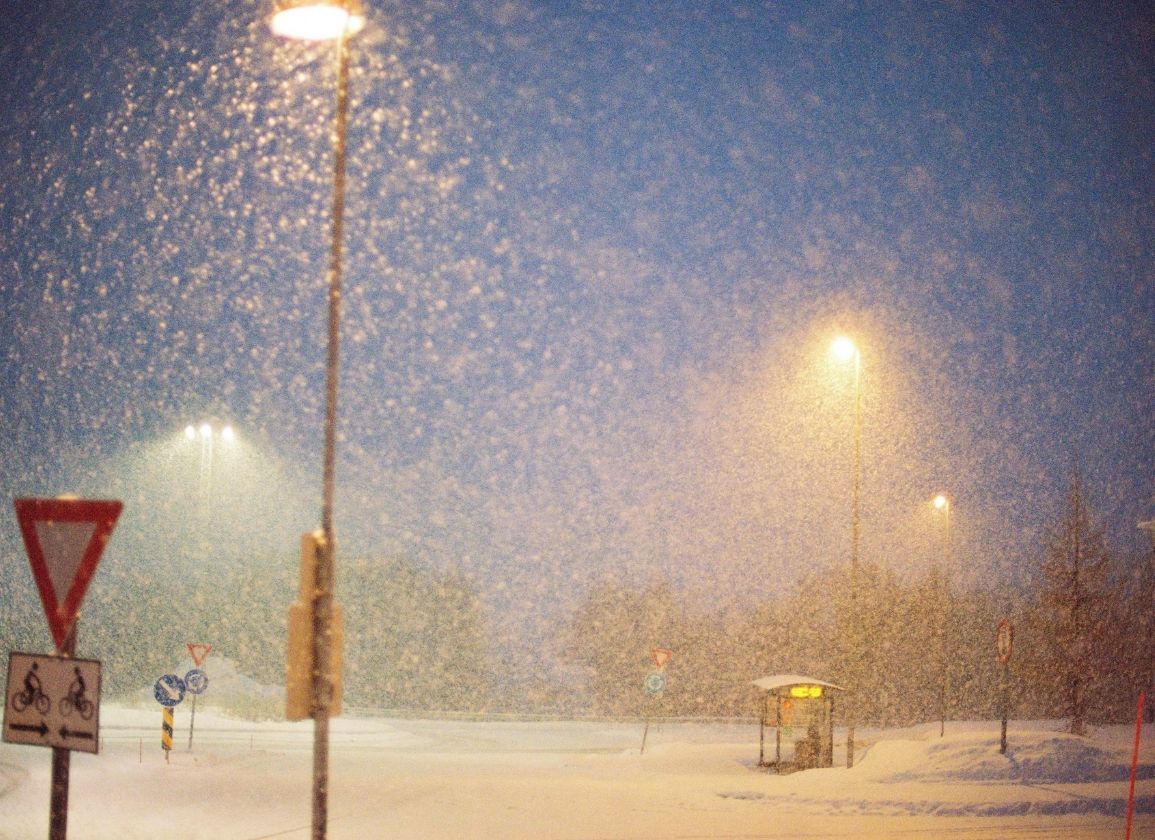
Cold, Rain and Snow: What Weather Really Tells Us About Climate Change
Periods of cold weather are often cited in debates about climate change—but what do they really tell us? In this article, Fernando del Pino Calvo Sotelo examines how rain, snow, and low temperatures are interpreted in the climate discussion, separating scientific evidence from popular narratives.
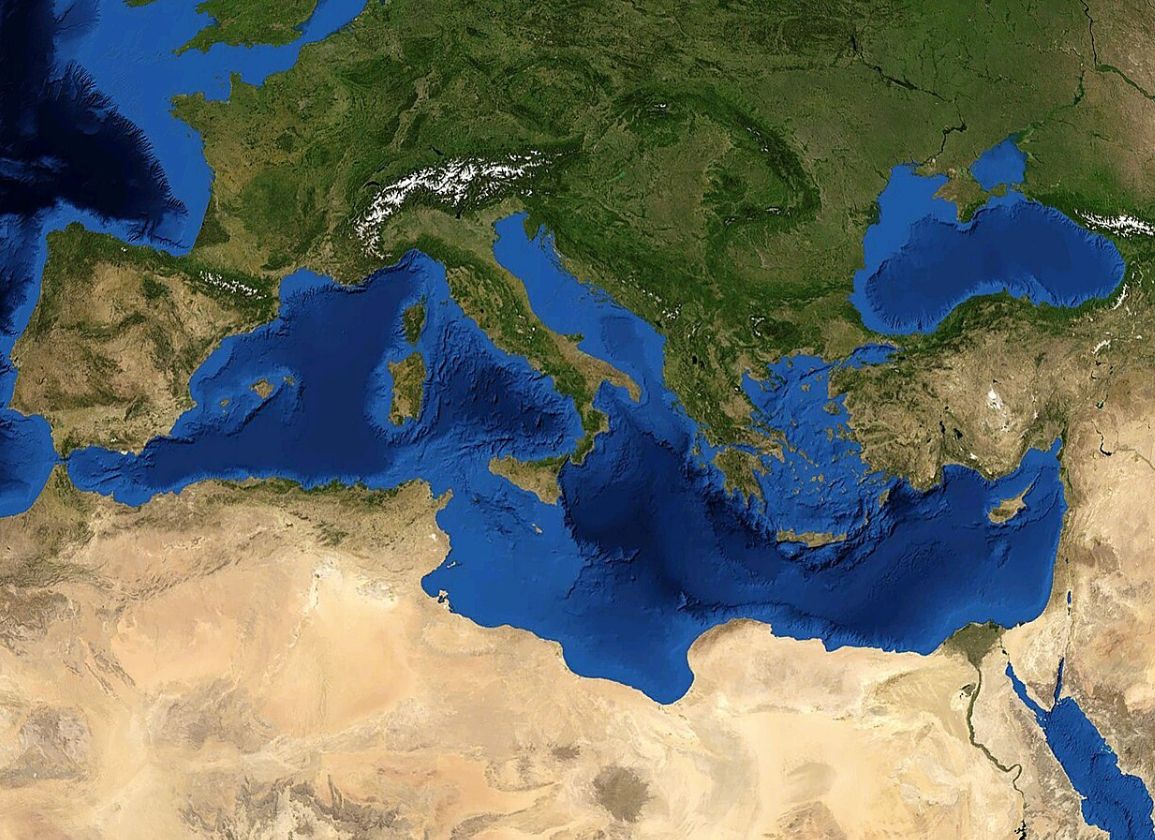
Rethinking the Mediterranean Climate Hotspot: New Evidence Reveals a More Complex Reality
Is the Mediterranean really a climate hotspot? Drawing on long-term hydroclimatic observations, Demetris Koutsoyiannis and Theano Iliopoulou revisit the evidence and highlight the region’s striking climatic complexity.
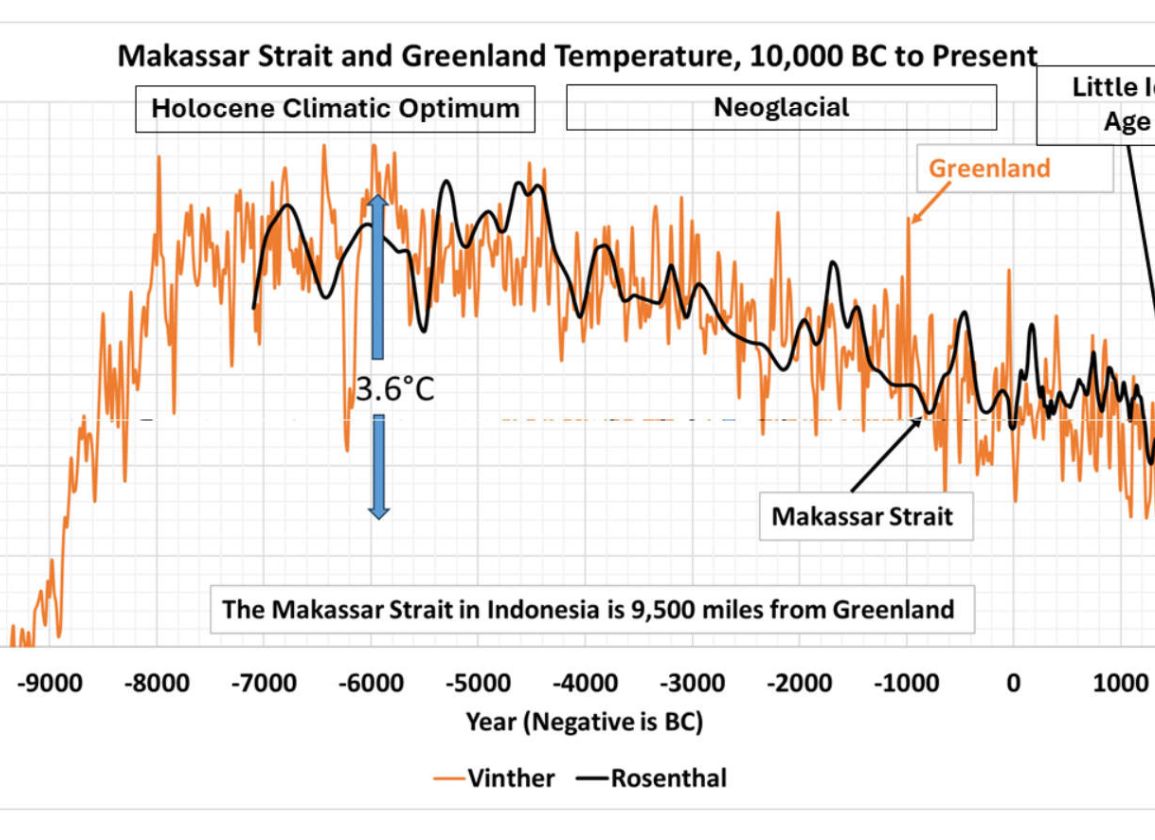
Is Modern Warming Unprecedented? A Critical Look at Holocene Temperature Evidence
Claims that today’s Arctic or global temperatures are unprecedented in the Holocene are still widely repeated in scientific literature. In this article, Andy May examines temperature proxy records and shows that both the magnitude and the rate of warming during the Holocene have been misrepresented.
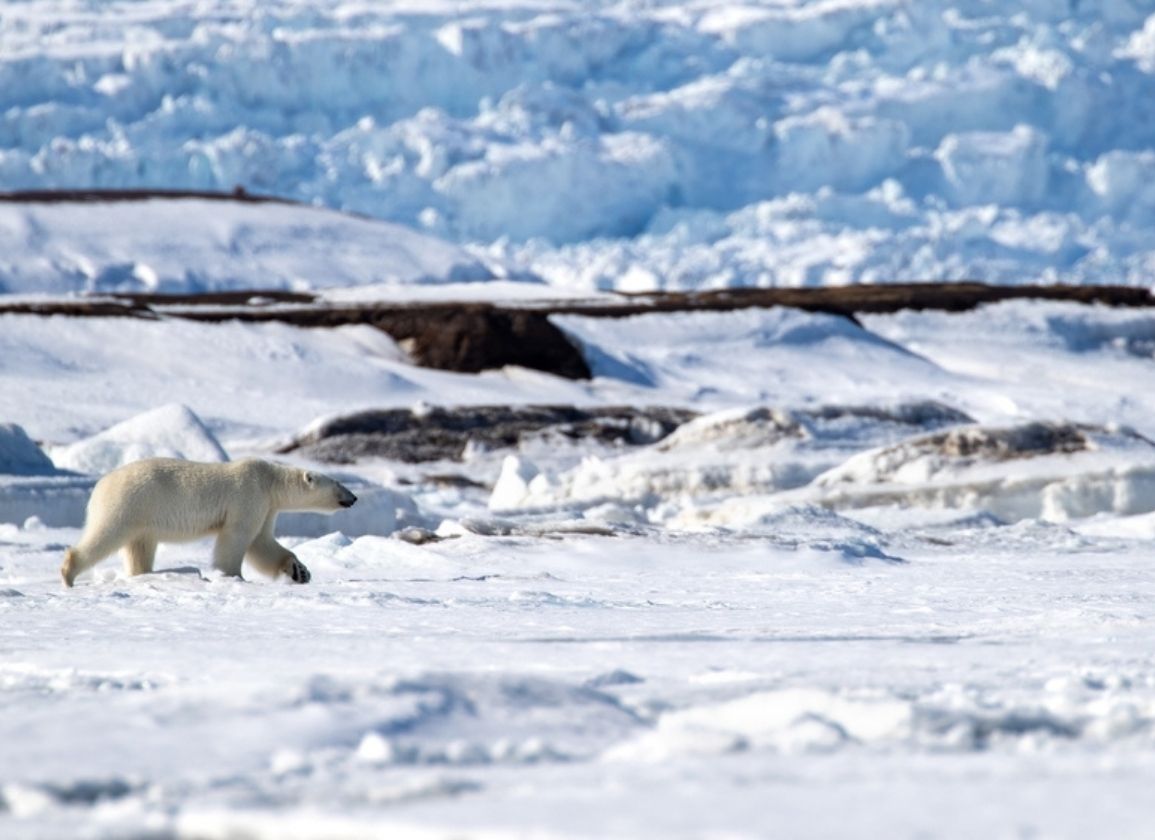
The Polar Bear Narrative: What Scientists Knew Before Frozen Planet Aired
In 2011, BBC viewers were told that polar bears in the Barents Sea were starving due to climate-driven sea ice loss. Later scientific evidence shows that this portrayal was inconsistent with data already available at the time.
News
Why Climate Science Is Not Settled
Claims that climate science is “settled” are frequently used to justify far-reaching policy decisions. In this article, Vijay Jayaraj examines how model uncertainties, conflicting evidence and real-world observations challenge the idea of certainty in the climate debate.
America’s Irreversible Goodbye to Climate Governance
America’s Irreversible Goodbye to Climate Governance The United States’ relationship with international climate institutions has become increasingly unstable. In this article, Samuel Furfari argues that the latest move goes beyond political symbolism [...]
Cold, Rain and Snow: What Weather Really Tells Us About Climate Change
Periods of cold weather are often cited in debates about climate change—but what do they really tell us? In this article, Fernando del Pino Calvo Sotelo examines how rain, snow, and low temperatures are interpreted in the climate discussion, separating scientific evidence from popular narratives.
Rethinking the Mediterranean Climate Hotspot: New Evidence Reveals a More Complex Reality
Is the Mediterranean really a climate hotspot? Drawing on long-term hydroclimatic observations, Demetris Koutsoyiannis and Theano Iliopoulou revisit the evidence and highlight the region’s striking climatic complexity.
Is Modern Warming Unprecedented? A Critical Look at Holocene Temperature Evidence
Claims that today’s Arctic or global temperatures are unprecedented in the Holocene are still widely repeated in scientific literature. In this article, Andy May examines temperature proxy records and shows that both the magnitude and the rate of warming during the Holocene have been misrepresented.
The Polar Bear Narrative: What Scientists Knew Before Frozen Planet Aired
In 2011, BBC viewers were told that polar bears in the Barents Sea were starving due to climate-driven sea ice loss. Later scientific evidence shows that this portrayal was inconsistent with data already available at the time.