News
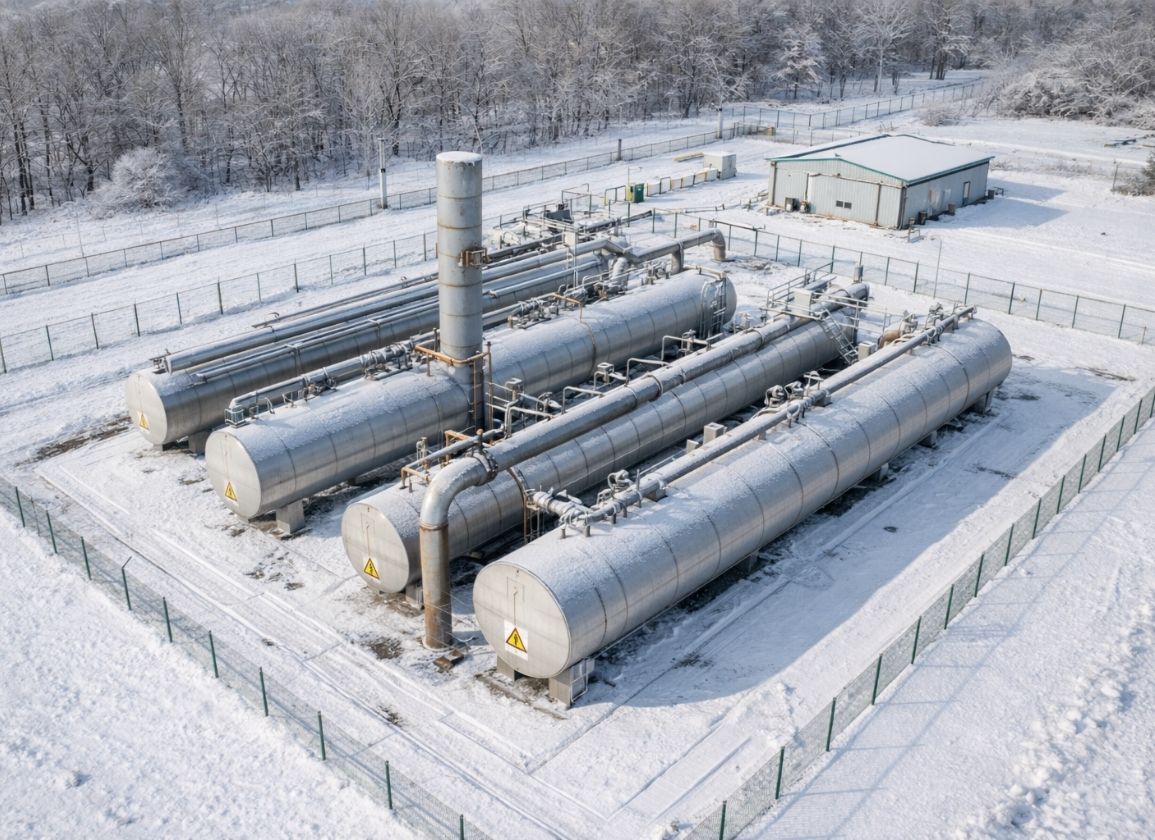
Germany Nears Energy Emergency — And Policy Failure Is to Blame
Germany is nearing a potential energy emergency as gas reserves fall and heavy industries face possible shutdowns. Critics argue the looming economic damage is less the result of harsh winter conditions than of years of far-reaching policy decisions. What is unfolding now may be the consequence of strategic choices that have left Europe’s largest economy increasingly vulnerable.

Dutch climate skeptics vindicated: KNMI reinstates seven pre-1950 heatwaves after long battle
Seven years after Dutch skeptics first challenged KNMI's temperature adjustments, the institute has reinstated seven "lost" pre-1950 heatwaves at De Bilt — validating claims of over-correction that had erased 16 out of 23 historical extremes. The breakthrough came via the skeptics' peer-reviewed paper.

“There Should Be No Climate Policy”: Interview with WCD Signatory Tomáš Elbert
Tomáš Elbert, an organic chemist from the Czech Republic, is among the latest signatories of CLINTEL’s World Climate Declaration. In this interview, he explains his scientific background, his views on climate change, and why he believes open debate is essential.

Poor Nations Won’t Follow Europe’s Climate Agenda into Economic Decline
While Europe and the United Nations pursue aggressive climate policies, developing nations are choosing a different path. For billions of people, affordable and reliable energy — not climate targets — remains the overriding priority.
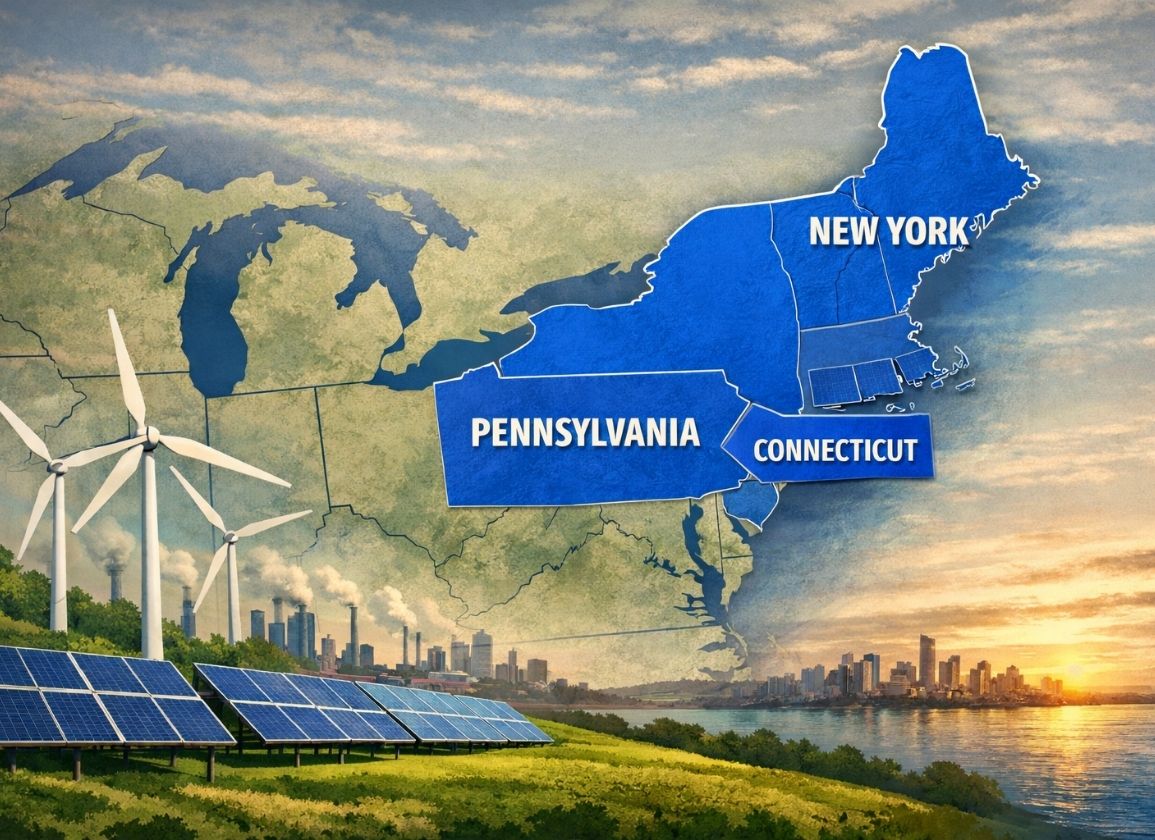
Democratic Governors Ignore Energy Realities and Cling to Costly Green Policies
As governments and corporations worldwide pivot toward pragmatic energy strategies, Democratic governors in the U.S. Northeast continue to pursue green energy policies that raise costs and undermine energy reliability. The disconnect is becoming increasingly difficult to ignore.
Is Canada Really Warming?
Is Canada really warming at double the global average rate, as the Canadian government says it is? A new scientific report suggests the answer is no, arguing that Canada’s reported warming is largely the result of serious errors in official temperature data.
News
Germany Nears Energy Emergency — And Policy Failure Is to Blame
Germany is nearing a potential energy emergency as gas reserves fall and heavy industries face possible shutdowns. Critics argue the looming economic damage is less the result of harsh winter conditions than of years of far-reaching policy decisions. What is unfolding now may be the consequence of strategic choices that have left Europe’s largest economy increasingly vulnerable.
Dutch climate skeptics vindicated: KNMI reinstates seven pre-1950 heatwaves after long battle
Seven years after Dutch skeptics first challenged KNMI's temperature adjustments, the institute has reinstated seven "lost" pre-1950 heatwaves at De Bilt — validating claims of over-correction that had erased 16 out of 23 historical extremes. The breakthrough came via the skeptics' peer-reviewed paper.
“There Should Be No Climate Policy”: Interview with WCD Signatory Tomáš Elbert
Tomáš Elbert, an organic chemist from the Czech Republic, is among the latest signatories of CLINTEL’s World Climate Declaration. In this interview, he explains his scientific background, his views on climate change, and why he believes open debate is essential.
Poor Nations Won’t Follow Europe’s Climate Agenda into Economic Decline
While Europe and the United Nations pursue aggressive climate policies, developing nations are choosing a different path. For billions of people, affordable and reliable energy — not climate targets — remains the overriding priority.
Democratic Governors Ignore Energy Realities and Cling to Costly Green Policies
As governments and corporations worldwide pivot toward pragmatic energy strategies, Democratic governors in the U.S. Northeast continue to pursue green energy policies that raise costs and undermine energy reliability. The disconnect is becoming increasingly difficult to ignore.
Is Canada Really Warming?
Is Canada really warming at double the global average rate, as the Canadian government says it is? A new scientific report suggests the answer is no, arguing that Canada’s reported warming is largely the result of serious errors in official temperature data.