From “Demon” to “Dinner”: Willie Soon’s Case for CO2 and Fossil Fuels
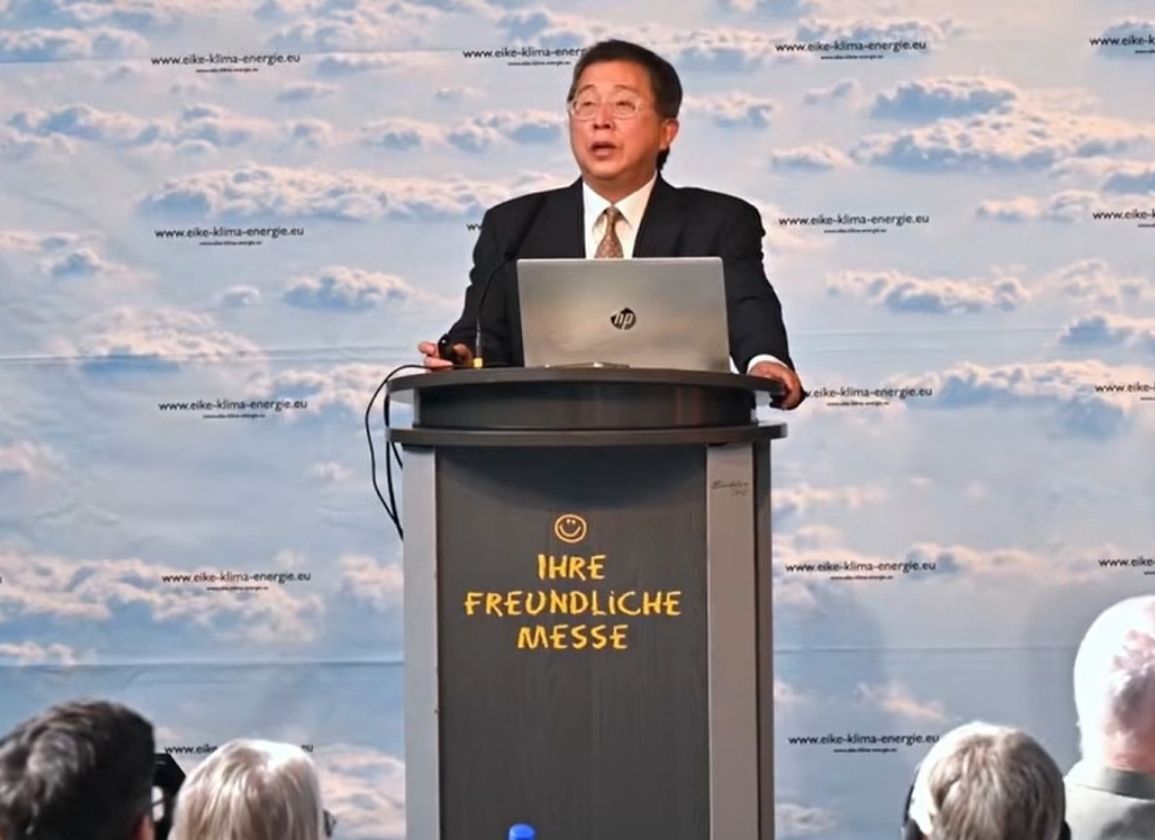
“CO2 is not a satanic gas, nor a demon. It is simply dinner for plants”, said Willie Soon at the recent EIKE Conference.
“CO2 is not a satanic gas, nor a demon. It is simply dinner for plants”, said Willie Soon at the recent EIKE Conference.
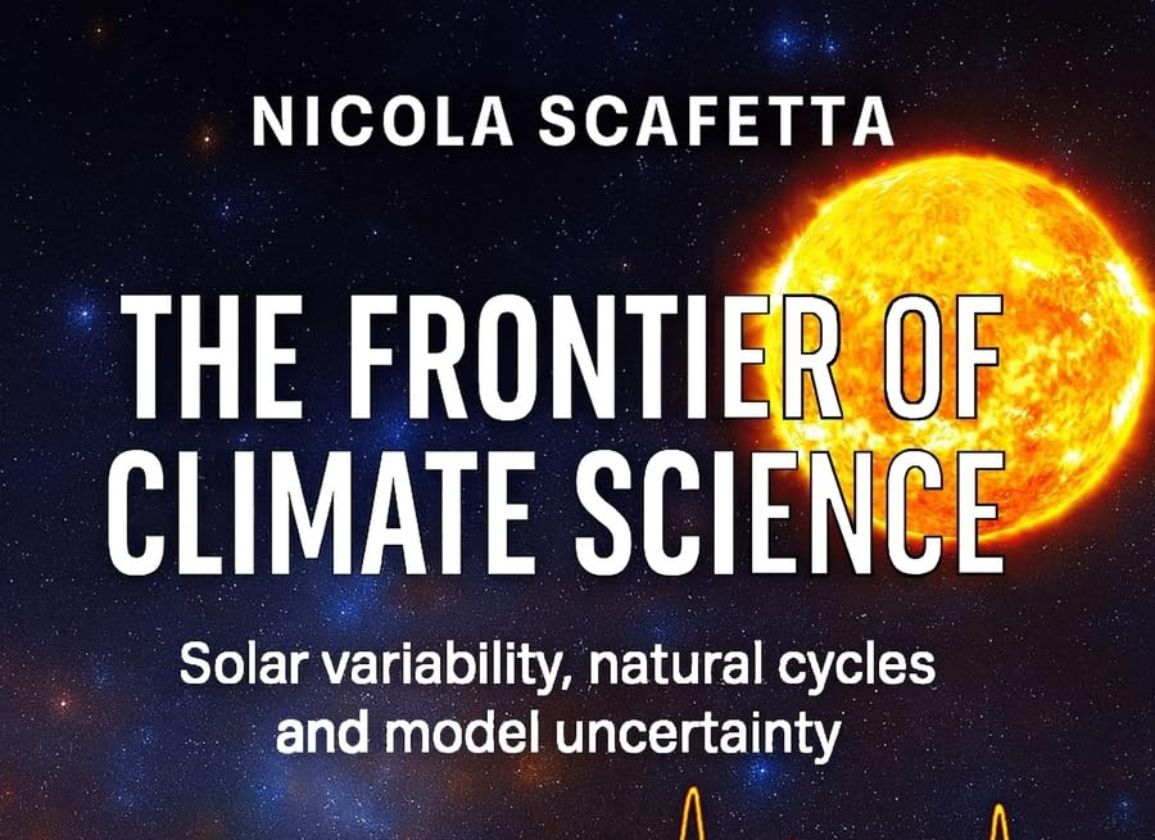
Nicola Scafetta habló recientemente sobre su nuevo libro Frontiers of Climate Science: Solar Variability, Cycles and Model Uncertainty en el pódcast de Tom Nelson. El libro busca fomentar un debate más amplio sobre las incertidumbres que aún persisten en la ciencia del clima y las limitaciones de los modelos climáticos globales contemporáneos.
Nicola Scafetta sprach kürzlich in Tom Nelsons Podcast über sein neues Buch „Frontiers of Climate Science: Solar Variability, Cycles and Model Uncertainty“. Das Buch soll eine breitere Diskussion über die verbleibenden Unsicherheiten in der Klimaforschung und die Grenzen aktueller globaler Klimamodelle anregen.
Nicola Scafetta a récemment présenté son nouvel ouvrage « Frontières de la science du climat : Variabilité solaire, cycles et incertitude des modèles », dans le podcast de Tom Nelson. Ce livre vise à encourager un débat plus large sur les incertitudes qui persistent en climatologie et sur les limites des modèles climatiques globaux actuels.
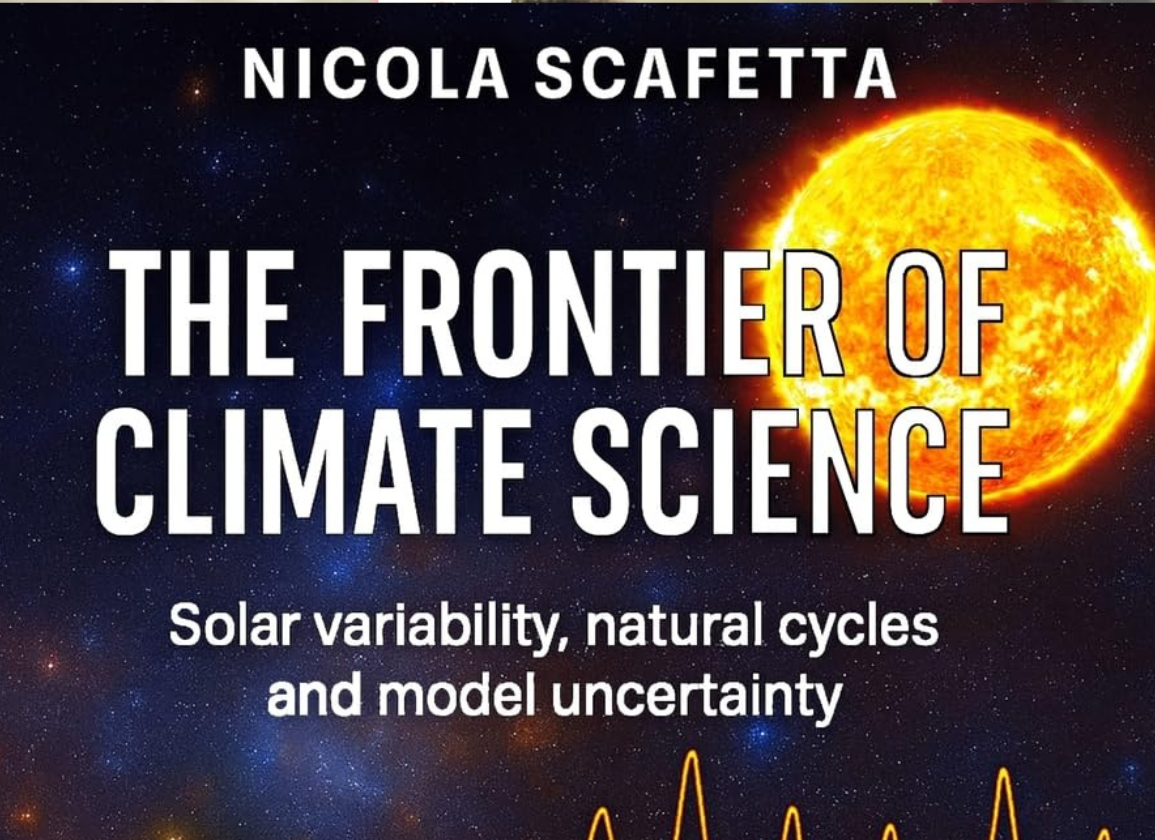
Nicola Scafetta recently talked about his new book Frontiers of Climate Science: Solar Variability, Cycles and Model Uncertainty on Tom Nelson’s podcast. The book is an attempt to encourage a broader discussion about the uncertainties that remain in climate science and the limitations of contemporary global climate models.
Abandonar el RCP8.5 es un paso en la dirección correcta, pero el equipo de CERES teme que sea solo un pequeño paso. Todo indica que el IPCC seguirá basándose en los actuales modelos climáticos computacionales para elaborar sus «proyecciones del cambio climático». Incluso utilizando un escenario de emisiones «tendencial» más realista, dichos modelos seguirán simulando un dramático «calentamiento global causado por el ser humano».
„Die Abkehr vom RCP8.5-Szenario ist ein Schritt in die richtige Richtung, doch das CERES-Team befürchtet, dass es nur ein kleiner ist. Der IPCC wird sich voraussichtlich weiterhin auf die aktuellen Klimamodelle für seine Klimaprognosen stützen. Selbst bei einem realistischeren ‘business-as-usual’ Szenario mit unveränderten Emissionen, werden die Modelle immer noch eine dramatische vom Menschen verursachte globale Erwärmung simulieren”.
L'abandon du scénario RCP8.5 constitue un pas dans la bonne direction, mais l'équipe CERES craint qu'il ne s'agisse que d'un pas en avant. Le GIEC semble toujours déterminé à s'appuyer sur les modèles climatiques informatiques actuels pour ses projections climatiques. Même en utilisant un scénario d'émissions plus réaliste, basé sur le statu quo, leurs modèles continueront de simuler un réchauffement climatique d'origine humaine alarmant.
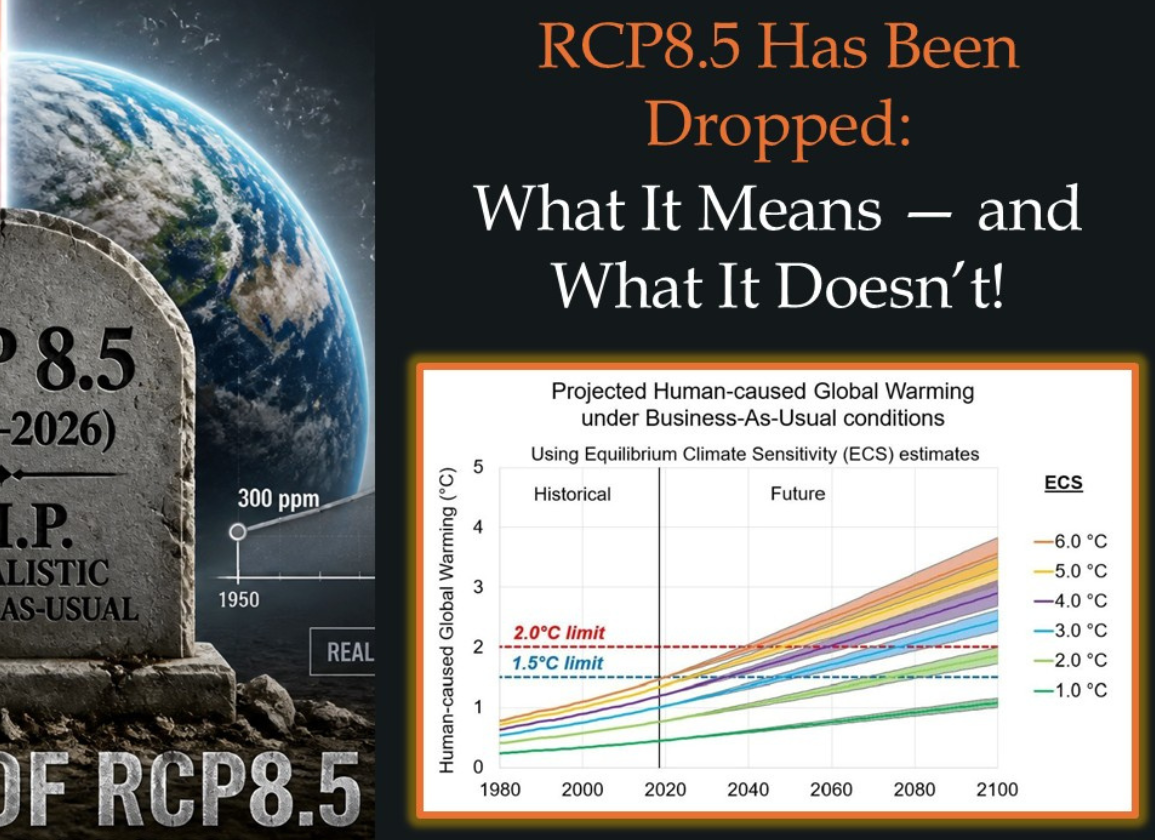
Dropping RCP8.5 is a step in the right direction but the CERES Team fears that it’s only a small step. The IPCC still looks set to be relying on the current climate computer models for their “climate change projections”. Even using a more realistic “business-as-usual” emissions scenario, their models are still going to simulate dramatic “human-caused global warming”.
Climate scientist Nicola Scafetta has published a new book examining the complex interplay between solar variability, natural climate cycles, and the limits of current climate models. The Frontier of Climate Science explores how natural variability, observational uncertainties, and model limitations shape our understanding of past and future climate change.