
“Should LCOE finally be retired from energy policy?”
“The LCOE narrative has just collided with reality. If ‘cheap’ solar and wind really were enough, the energy transition would largely run on autopilot. Emissions would fall. Subsidies wouldn’t be needed. Electricity would get cheaper. None of that is happening.” – Jonas Kristiansen Nøland, Norwegian University of Science and Technology

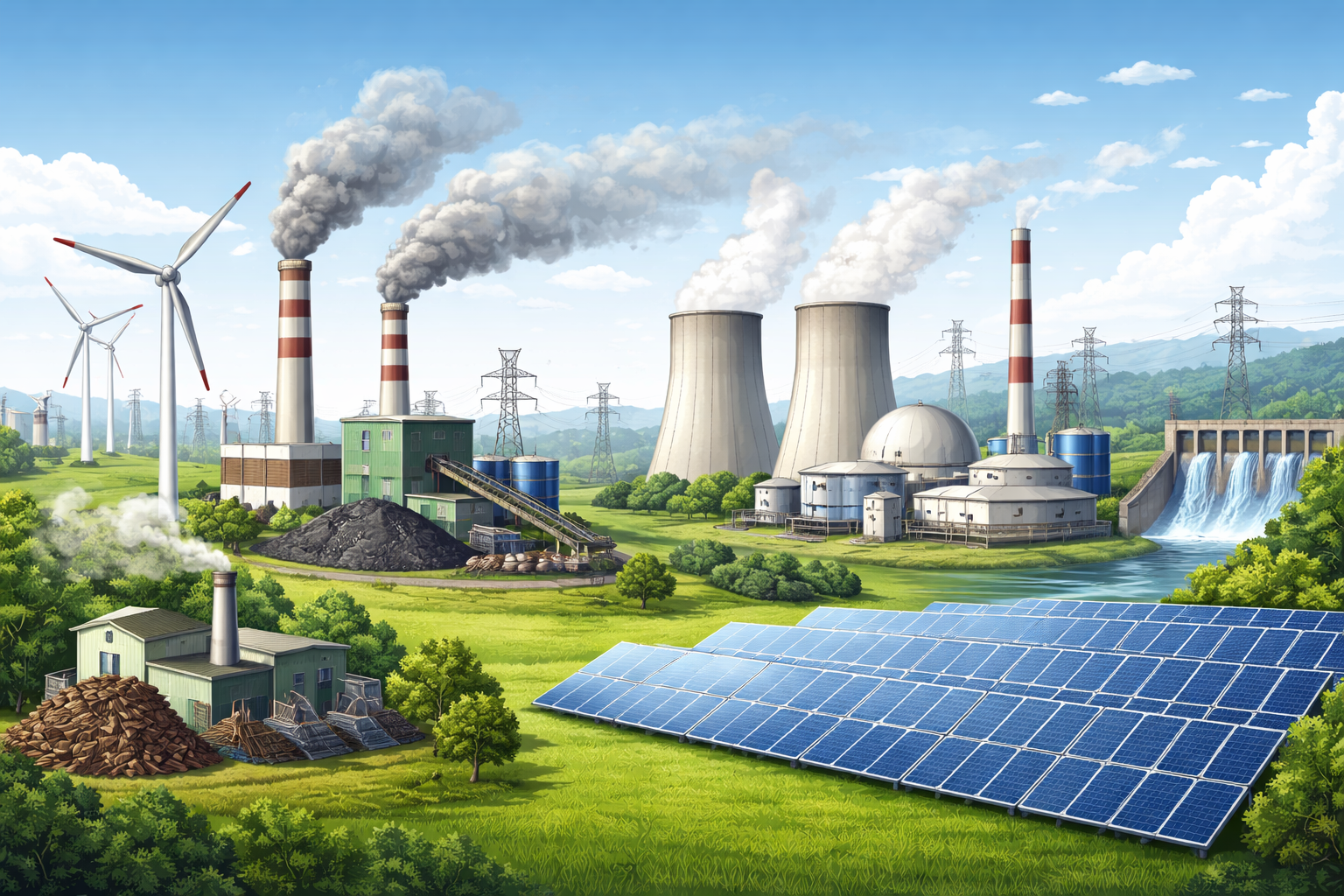
ChatGPT
Robert Bradley Jr.
Date: 9 January 2026
Noncompetitive energies need studies; competitive energies need markets. This insight deserves to become an adage in today’s contentious debates over relative costs for electric generation. This is particularly true for levelized cost of energy (LCOE) studies purporting to show that wind and solar generation is competitive with thermal generation from oil, gas, and coal.
The most recent attempt is by the International Renewable Energy Agency (IRENA), titled “91 Percent of New Renewable Projects Now Cheaper Than Fossil Fuel Alternatives” (July 2025). And the fix was in with a study purporting to justify “accelerat[ing] the deployment of renewables-based energy transitions worldwide.”[1]
Jonas Kristiansen Nøland, Norwegian University of Science and Technology, took issue with their study, posting:
The LCOE narrative has just collided with reality. If “cheap” solar and wind really were enough, the energy transition would largely run on autopilot. Emissions would fall. Subsidies wouldn’t be needed. Electricity would get cheaper. None of that is happening.
Fossil energy use is still increasing, not decreasing. Electricity prices in low-LCOE-dominated electricity systems are rising, not falling.
Why? Because LCOE was never designed for weather-dependent electricity systems. Historically, LCOE was used by the International Energy Agency (IEA) to plan electricity systems based on firm, dispatchable generation fueled by non-weather-dependent resources.
Today, the same metric is used to justify electricity systems dominated by variable energy sources that require backup, reserves, ancillary services, and flexibility assets — costs LCOE simply ignores. The result? Low-LCOE power ≠ low-cost electricity.
This is exactly why a new UNECE report [United Nations Economic Commission for Europe] now calls for abandoning LCOE as a planning tool and replacing it with full system cost of electricity (FSCOE). System costs matter. Reliability matters. Physics still matters.
I’ve linked the UNECE report in the comments.
Curious to hear: Should LCOE finally be retired from energy policy?
Yes, it is time for LCOE to be demoted for energy policy-making. Pronto! And many of the 150+ comments agreed.
[1] The About section reads:
IRENA is a lead global intergovernmental agency for energy transformation that serves as the principal platform for international cooperation, supports countries in their energy transitions, and provides state of the art data and analyses on technology, innovation, policy, finance and investment. IRENA drives the widespread adoption and sustainable use of all forms of renewable energy, including bioenergy, geothermal, hydropower, ocean, solar and wind energy in the pursuit of sustainable development, energy access, and energy security, for economic and social resilience and prosperity and a climate-proof future.
IRENA’s membership comprises 170 countries and the EU. Together, they decide on the Agency’s strategic direction and programmatic activities, in line with the global energy discourse and priorities to accelerate the deployment of renewables-based energy transitions worldwide.”


more news

“It’s the sun, stupid!” gets new relevance
A new report from the World Meteorological Organization once again led to apocalyptic headlines in the newspapers last week. Unintentionally, writes Marcel Crok, the report opens the door to the most important factor in our climate: the sun.

Yet Another Reason Why Wind And Solar Will Never Work
The idea that wind and solar power can easily replace fossil fuels sounds appealing. But behind this optimistic narrative lie complex technical challenges, such as intermittency, grid stability, and the crucial roles of synchronization and inertia in maintaining a reliable electricity system, concludes Francis Menton after a powerful presentation by Kathryn Porter.
CO₂ Can Cause Cooling Too? Climate Models Say Yes (Sometimes)
As Dr. Matthew Wielicki dryly put it: “Is there anything CO₂ can’t do?” The study behind that remark claims that rising CO₂ levels may even lead to regional cooling under certain conditions—highlighting just how flexible—and uncertain—climate model outcomes can be.

