News
We Passed Peak “Climate Change” Research
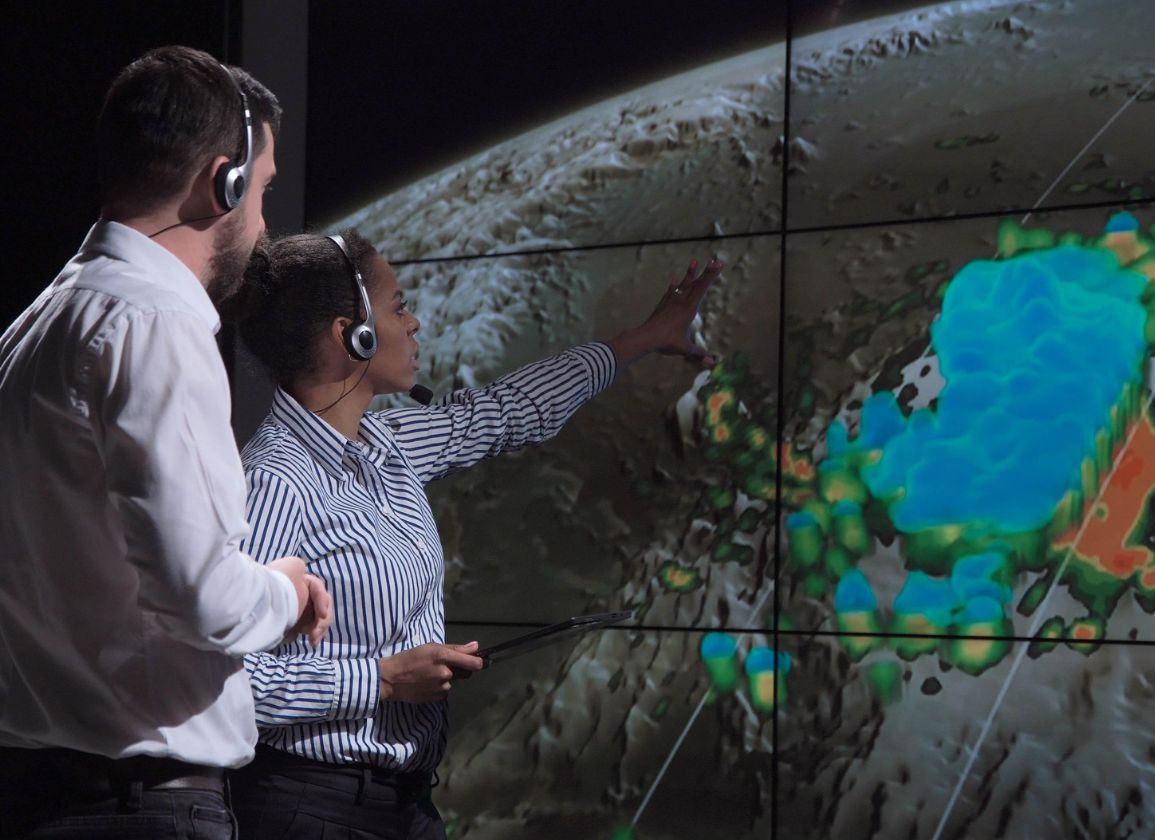
There is still some cachet for scientists in “climate change”, but that is obviously waning, says statistician William Briggs. Unless somebody comes up with a new angle to intrigue other scientists on how we’re all doomed, then fatigue will continue driving the numbers of climate change articles lower.
Well-known weatherman on Dutch TV: stop eating meatballs
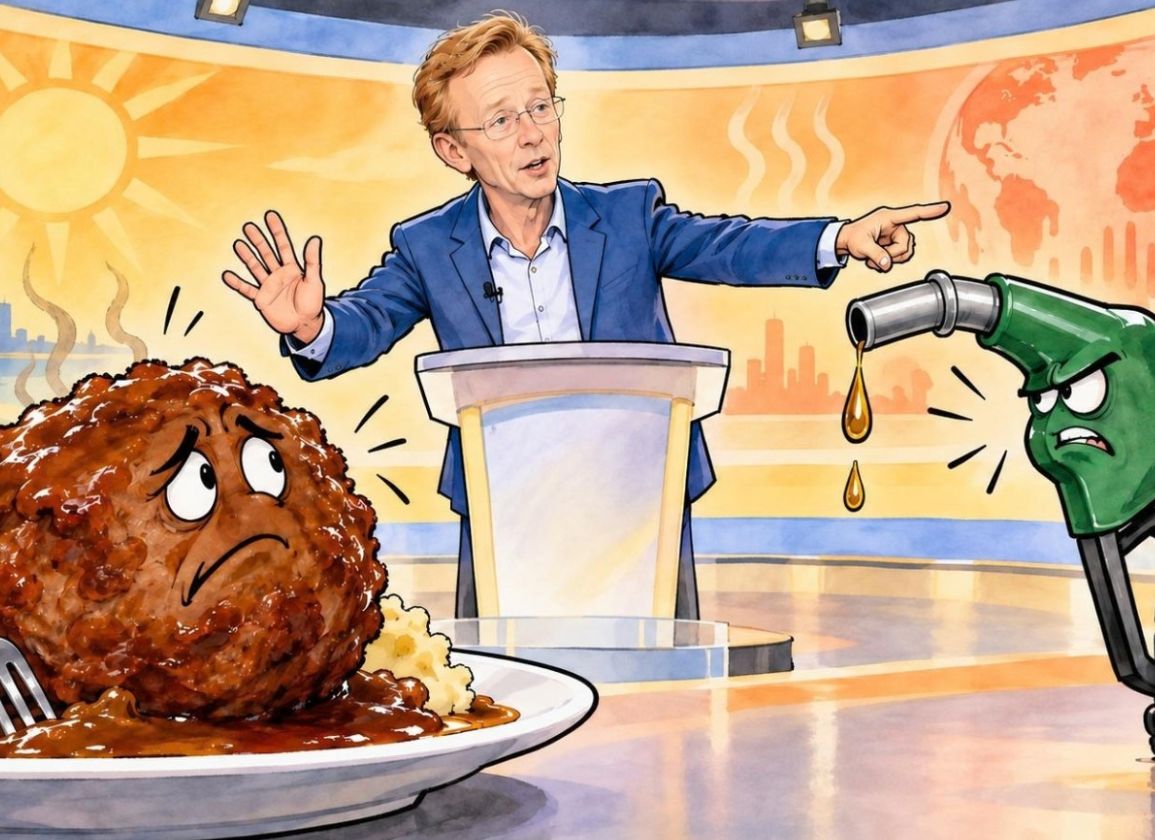
Gerrit Hiemstra, a well-known retired Dutch TV weatherman, was given the opportunity to ramble on for several minutes about the hot and dry summer in Europe during a highly-rated talk show on public service television. Naturally, according to him, the summer was the result of climate change, and Hiemstra also had a solution: stop filling up your car and eating meatballs. In the article below, Marcel Crok picks apart the claims made by Hiemstra.
Climate Change Will Not Starve the World
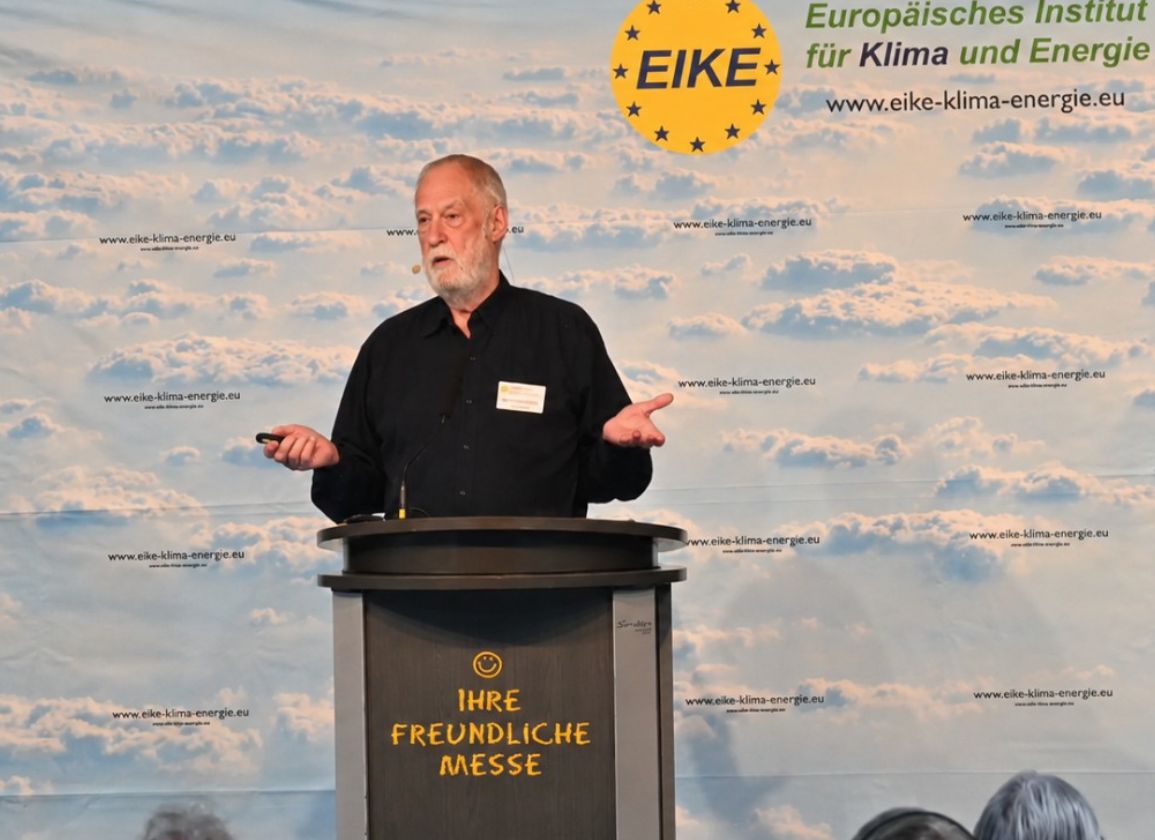
Climate change should be regarded as a manageable factor rather than an existential threat to global food supplies. Humanity has repeatedly demonstrated an ability to increase agricultural productivity faster than population growth, says Karl Iver Dahl-Madsen.
Measuring Meaningless Climate Actions
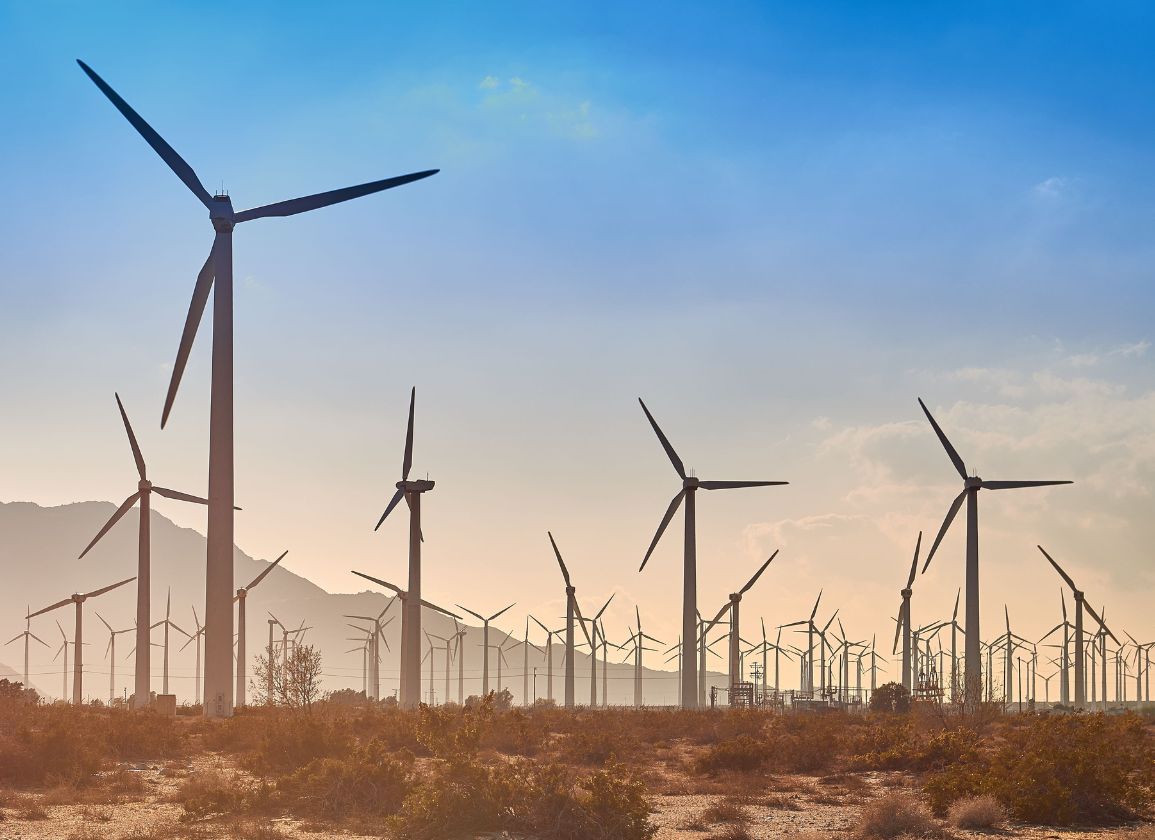
What would Americans gain from eliminating every ton of carbon dioxide emitted from the use of fossil fuels in the United States? The answer, says Vijay Jayaraj, is nothing.

“Amendment to Climate Assessment is only a first step”
“Amendment to Climate Assessment is only a first step” The Trump administration has proposed an amendment to the U.S Fifth National Climate Assessment that acknowledges its emission forecasts are implausible and must [...]

Jonathan Cohler: “The rise in atmospheric CO2 is not caused by humans.”
Physicist Jonathan Cohler has put forward a controversial and uncompromising challenge to one of the central assumptions of modern climate science and policy. He argues that the rise in atmospheric carbon dioxide over the past few decades is not due to human emissions, but is the result of natural processes.
News
We Passed Peak “Climate Change” Research
There is still some cachet for scientists in “climate change”, but that is obviously waning, says statistician William Briggs. Unless somebody comes up with a new angle to intrigue other scientists on how we’re all doomed, then fatigue will continue driving the numbers of climate change articles lower.
Well-known weatherman on Dutch TV: stop eating meatballs
Gerrit Hiemstra, a well-known retired Dutch TV weatherman, was given the opportunity to ramble on for several minutes about the hot and dry summer in Europe during a highly-rated talk show on public service television. Naturally, according to him, the summer was the result of climate change, and Hiemstra also had a solution: stop filling up your car and eating meatballs. In the article below, Marcel Crok picks apart the claims made by Hiemstra.
Climate Change Will Not Starve the World
Climate change should be regarded as a manageable factor rather than an existential threat to global food supplies. Humanity has repeatedly demonstrated an ability to increase agricultural productivity faster than population growth, says Karl Iver Dahl-Madsen.
Measuring Meaningless Climate Actions
What would Americans gain from eliminating every ton of carbon dioxide emitted from the use of fossil fuels in the United States? The answer, says Vijay Jayaraj, is nothing.
“Amendment to Climate Assessment is only a first step”
“Amendment to Climate Assessment is only a first step” The Trump administration has proposed an amendment to the U.S Fifth National Climate Assessment that acknowledges its emission forecasts are implausible and must [...]
Jonathan Cohler: “The rise in atmospheric CO2 is not caused by humans.”
Physicist Jonathan Cohler has put forward a controversial and uncompromising challenge to one of the central assumptions of modern climate science and policy. He argues that the rise in atmospheric carbon dioxide over the past few decades is not due to human emissions, but is the result of natural processes.