
News
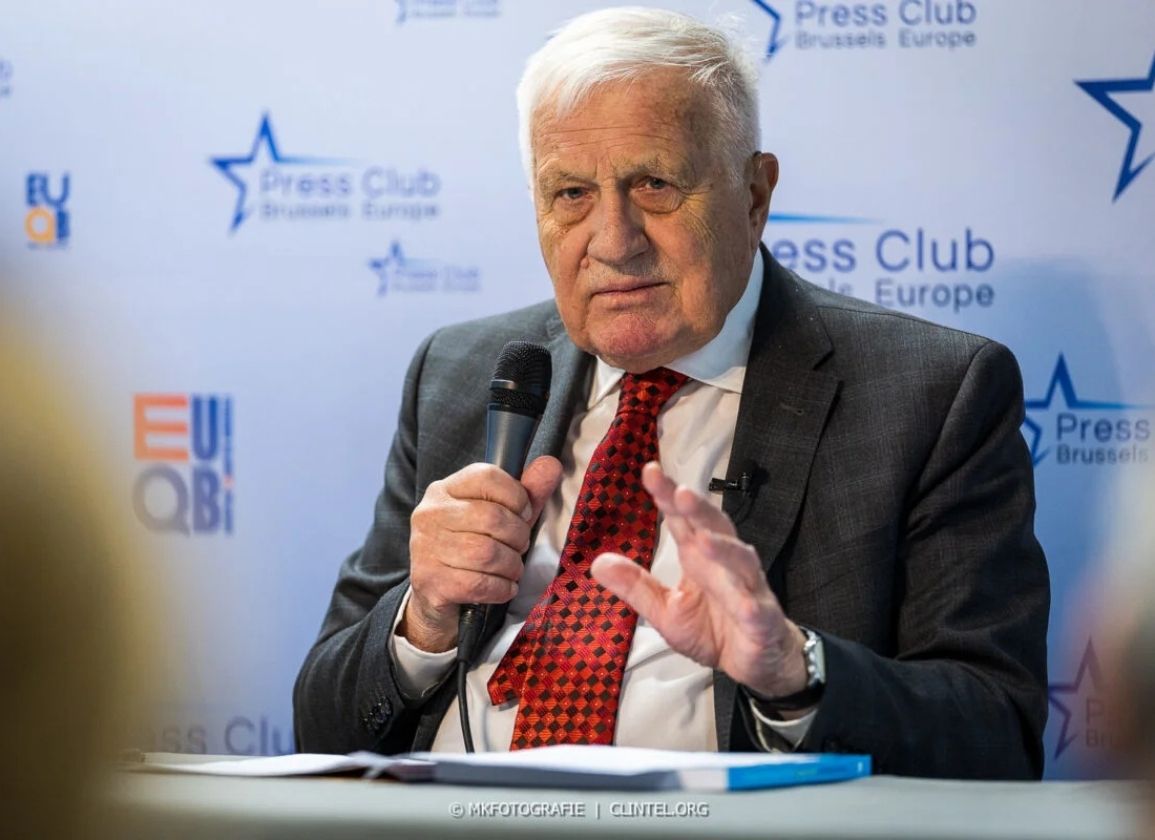
Clintel President Václav Klaus: “We are productively and rationally thinking sceptics”
As Clintel enters a new era under the leadership of Václav Klaus, his inaugural address challenges the foundations of global warming ideology and calls for a renewed commitment to rational, evidence-based climate debate.

Net Zero Madness: How South Korea Is Engineering Its Own Energy Disaster
In this analysis, Vijay Jayaraj argues that South Korea’s net zero policies are undermining energy security, threatening industrial stability and risking long-term economic decline.

From Science to Scientism: The Crisis of Modern Science
In this essay on the crisis of modern science, Apostolos Efthymiadis argues that contemporary scientific culture has drifted from its philosophical foundations toward dogma and authority. Drawing on Aristotle’s epistemology, he challenges scientism, politicization, and consensus-thinking, and calls for a restoration of intellectual rigor and scientific humility.

Steven Koonin now also believes that the worst of the climate hysteria is behind us
In a recent ICSF/Clintel lecture, Professor Steven Koonin argued that global climate and energy policy is at a tipping point. After decades of emphasis on rapid and far-reaching emission reductions, he sees clear signs of a shift toward greater realism and pragmatism, including in climate reporting. After all, economic, technological, and social realities are becoming increasingly difficult to ignore.

Ongoing Attacks on Livestock Methane Emissions Based on Faulty Science
In this analysis, Ralph B. Alexander challenges the science behind livestock methane emissions and argues that farmers are being targeted based on flawed assumptions and misleading metrics.
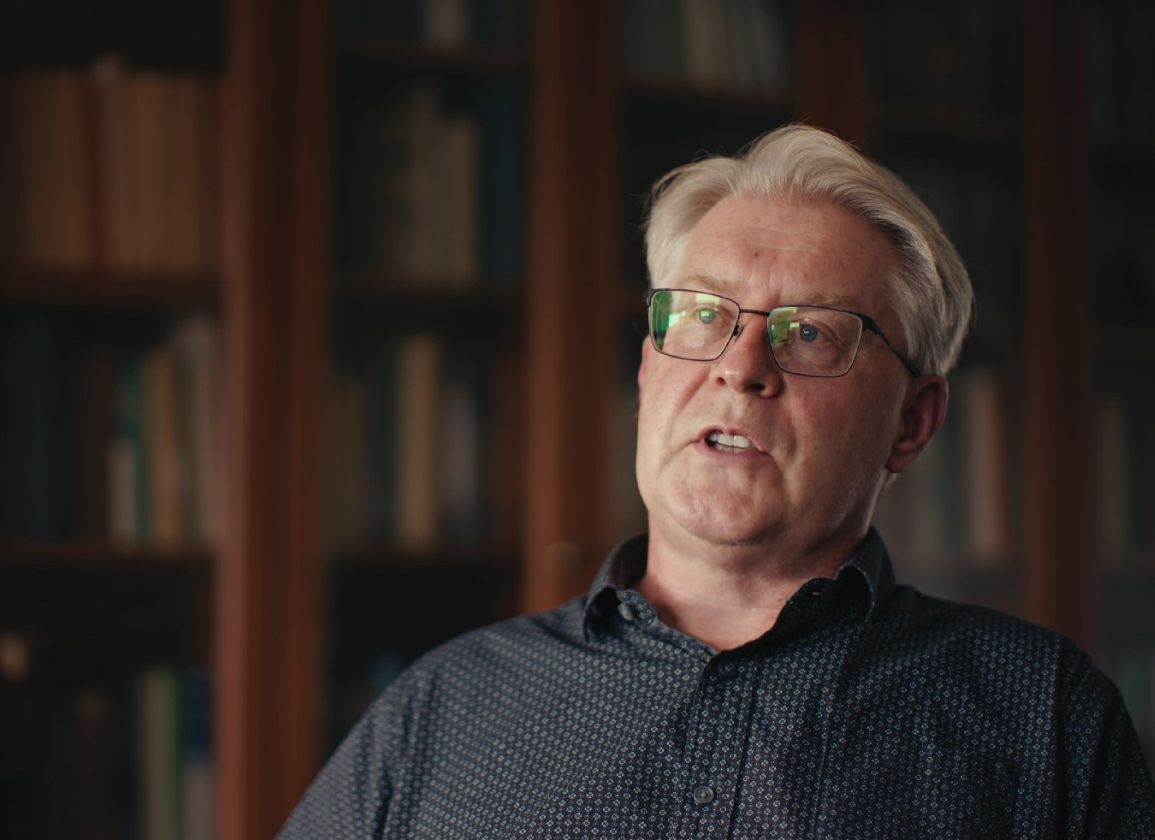
Ross McKitrick on Climate Models, Economic Impacts, and the DOE Report
In this in-depth interview, economist and statistician Ross McKitrick discusses climate models, uncertainty, and whether the public climate debate is as scientifically balanced as often claimed. He also reflects on his role as a co-author of the recent U.S. Department of Energy report.
News
Clintel President Václav Klaus: “We are productively and rationally thinking sceptics”
As Clintel enters a new era under the leadership of Václav Klaus, his inaugural address challenges the foundations of global warming ideology and calls for a renewed commitment to rational, evidence-based climate debate.
Net Zero Madness: How South Korea Is Engineering Its Own Energy Disaster
In this analysis, Vijay Jayaraj argues that South Korea’s net zero policies are undermining energy security, threatening industrial stability and risking long-term economic decline.
From Science to Scientism: The Crisis of Modern Science
In this essay on the crisis of modern science, Apostolos Efthymiadis argues that contemporary scientific culture has drifted from its philosophical foundations toward dogma and authority. Drawing on Aristotle’s epistemology, he challenges scientism, politicization, and consensus-thinking, and calls for a restoration of intellectual rigor and scientific humility.
Steven Koonin now also believes that the worst of the climate hysteria is behind us
In a recent ICSF/Clintel lecture, Professor Steven Koonin argued that global climate and energy policy is at a tipping point. After decades of emphasis on rapid and far-reaching emission reductions, he sees clear signs of a shift toward greater realism and pragmatism, including in climate reporting. After all, economic, technological, and social realities are becoming increasingly difficult to ignore.
Ongoing Attacks on Livestock Methane Emissions Based on Faulty Science
In this analysis, Ralph B. Alexander challenges the science behind livestock methane emissions and argues that farmers are being targeted based on flawed assumptions and misleading metrics.
Ross McKitrick on Climate Models, Economic Impacts, and the DOE Report
In this in-depth interview, economist and statistician Ross McKitrick discusses climate models, uncertainty, and whether the public climate debate is as scientifically balanced as often claimed. He also reflects on his role as a co-author of the recent U.S. Department of Energy report.

