
News

The Climate Cult will eventually end
Fifty years from now, academic treatises will be written about the climate madness that once prevailed, says William Happer in a new book. “Climate nonsense will eventually end and will be dumped onto the ash heap of history where it belongs. But the longer the cult goes on, the more damage is done.”
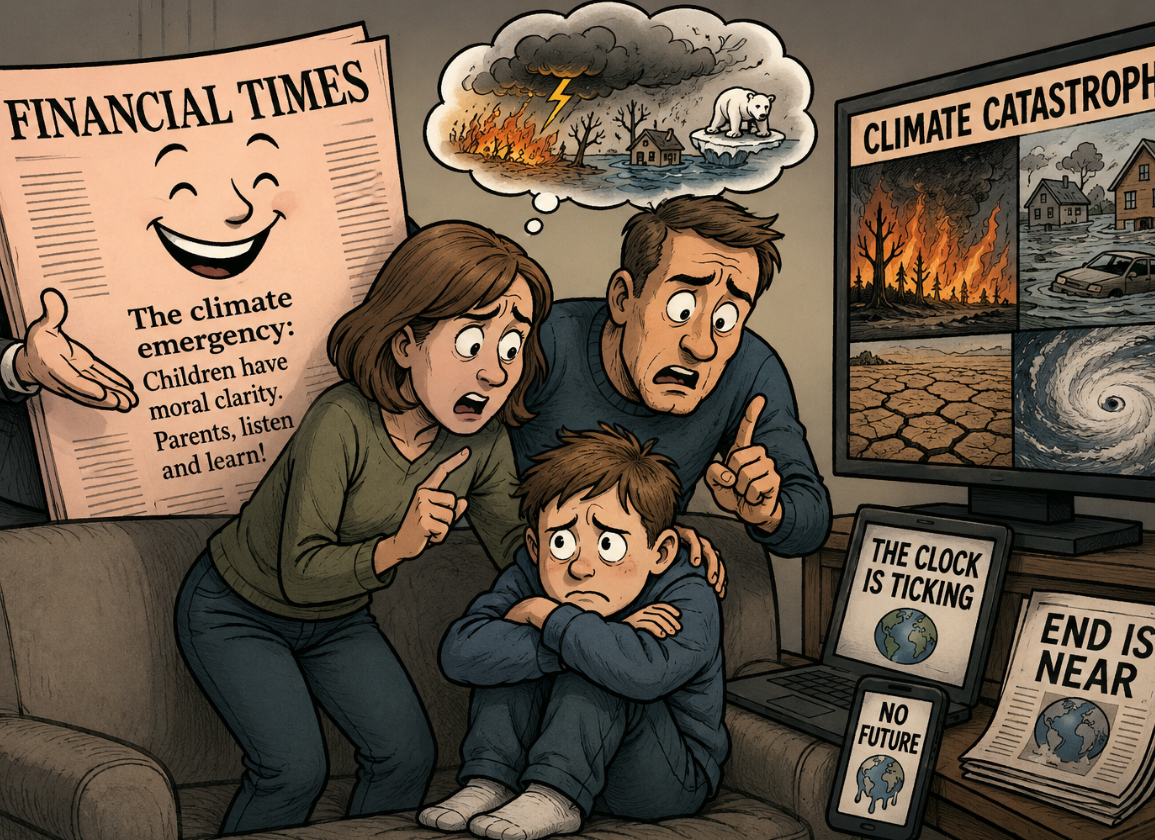
Why are the media encouraging parents to make their children anxious about climate change?
The dominant mode of climate journalism in the mainstream Western press: a seamless fusion of advocacy, emotional appeal and selective empiricism in which no counterevidence need intrude and no sceptical voice need apply. Our children pay the price, says Tilak Doshi.
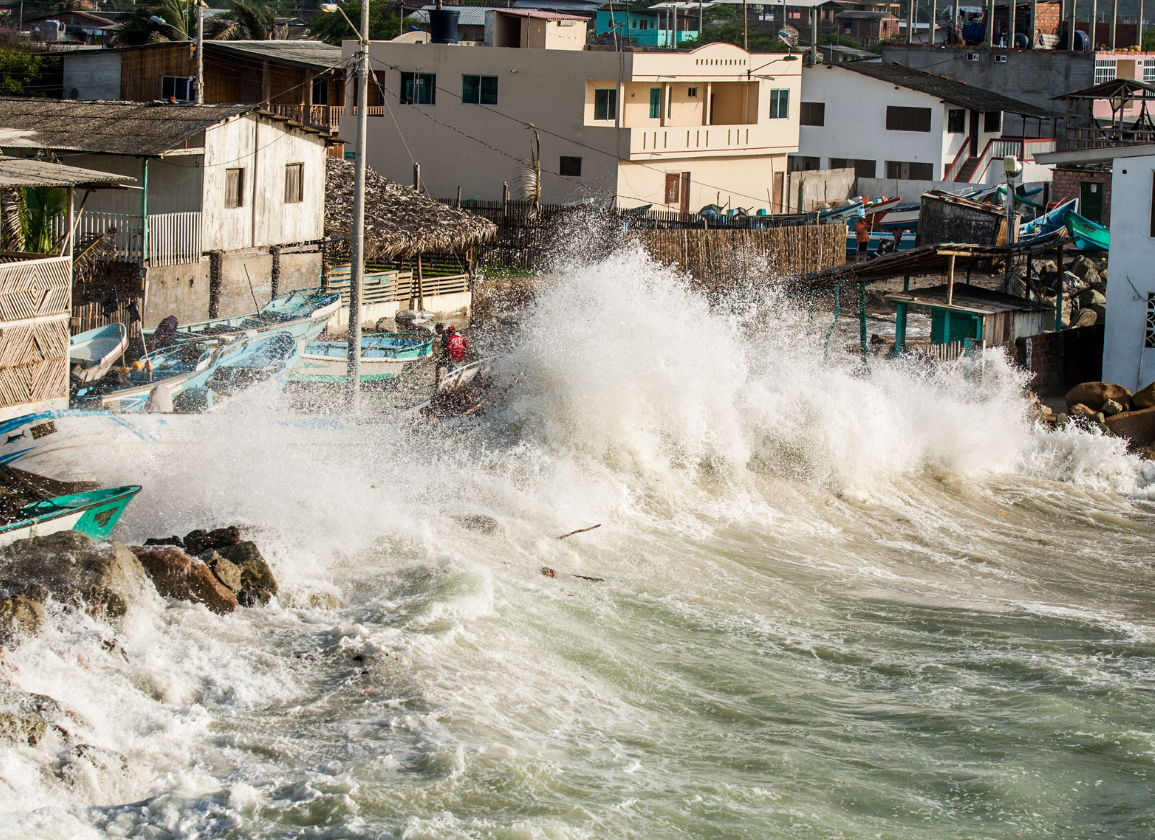
Sea Level ‘Acceleration’ Isn’t What the Measured Data Show
Direct, long-term tide gauge measurements around the world do not show the dramatic acceleration of the sea level implied in the satellite-based narrative, says Anthony Watts.

Global rice production has nearly doubled over 50 years despite climate change
Global rice production nearly doubled between the 1960s and the 2010s and rising atmospheric CO2 was the primary environmental factor contributing to increased production.
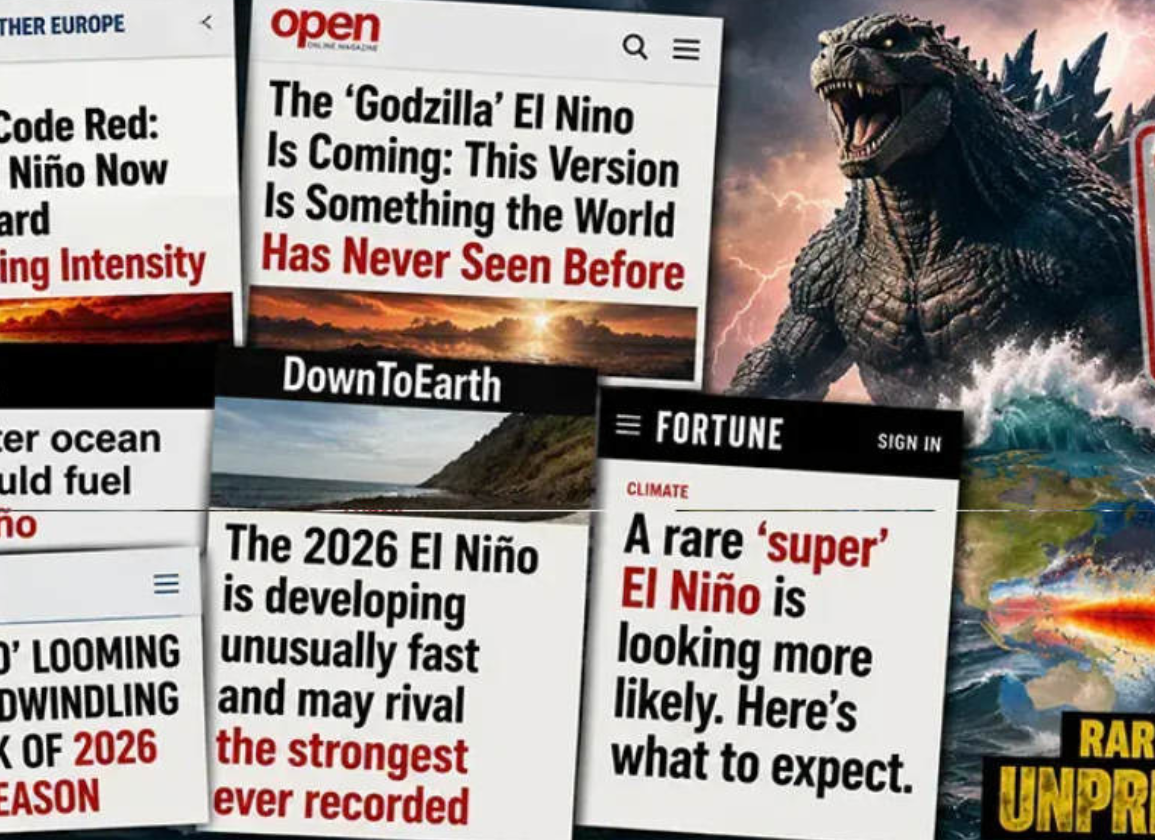
Here Comes the Super Mega Ultimate Hyper Giga Godzilla El Niño
The media predict that 2026-27 will turn out to have the worst El Niño of all recorded time. But according to Charles Rotter, the honest answer is that no one knows yet. And the people most qualified to know are openly saying so.

What’s Up With The Endangerment Finding Litigation?
Is the Court of Appeals going to delay the appeal about the Endangerment Finding, so that it can’t be decided by the Supreme Court until after Trump has left office? If that occurs, it would give a potential incoming Democratic administration in 2029 the ability to reverse course on the regulations, says Francis Menton.
News
The Climate Cult will eventually end
Fifty years from now, academic treatises will be written about the climate madness that once prevailed, says William Happer in a new book. “Climate nonsense will eventually end and will be dumped onto the ash heap of history where it belongs. But the longer the cult goes on, the more damage is done.”
Why are the media encouraging parents to make their children anxious about climate change?
The dominant mode of climate journalism in the mainstream Western press: a seamless fusion of advocacy, emotional appeal and selective empiricism in which no counterevidence need intrude and no sceptical voice need apply. Our children pay the price, says Tilak Doshi.
Sea Level ‘Acceleration’ Isn’t What the Measured Data Show
Direct, long-term tide gauge measurements around the world do not show the dramatic acceleration of the sea level implied in the satellite-based narrative, says Anthony Watts.
Global rice production has nearly doubled over 50 years despite climate change
Global rice production nearly doubled between the 1960s and the 2010s and rising atmospheric CO2 was the primary environmental factor contributing to increased production.
Here Comes the Super Mega Ultimate Hyper Giga Godzilla El Niño
The media predict that 2026-27 will turn out to have the worst El Niño of all recorded time. But according to Charles Rotter, the honest answer is that no one knows yet. And the people most qualified to know are openly saying so.
What’s Up With The Endangerment Finding Litigation?
Is the Court of Appeals going to delay the appeal about the Endangerment Finding, so that it can’t be decided by the Supreme Court until after Trump has left office? If that occurs, it would give a potential incoming Democratic administration in 2029 the ability to reverse course on the regulations, says Francis Menton.

