
News

New paper: U.S. temperature extremes have declined since 1899
The key takeaway from a new paper by John Christy is that the story of temperature extremes in the U.S. is more complicated than often presented.
Sustainability is the problem, not the solution
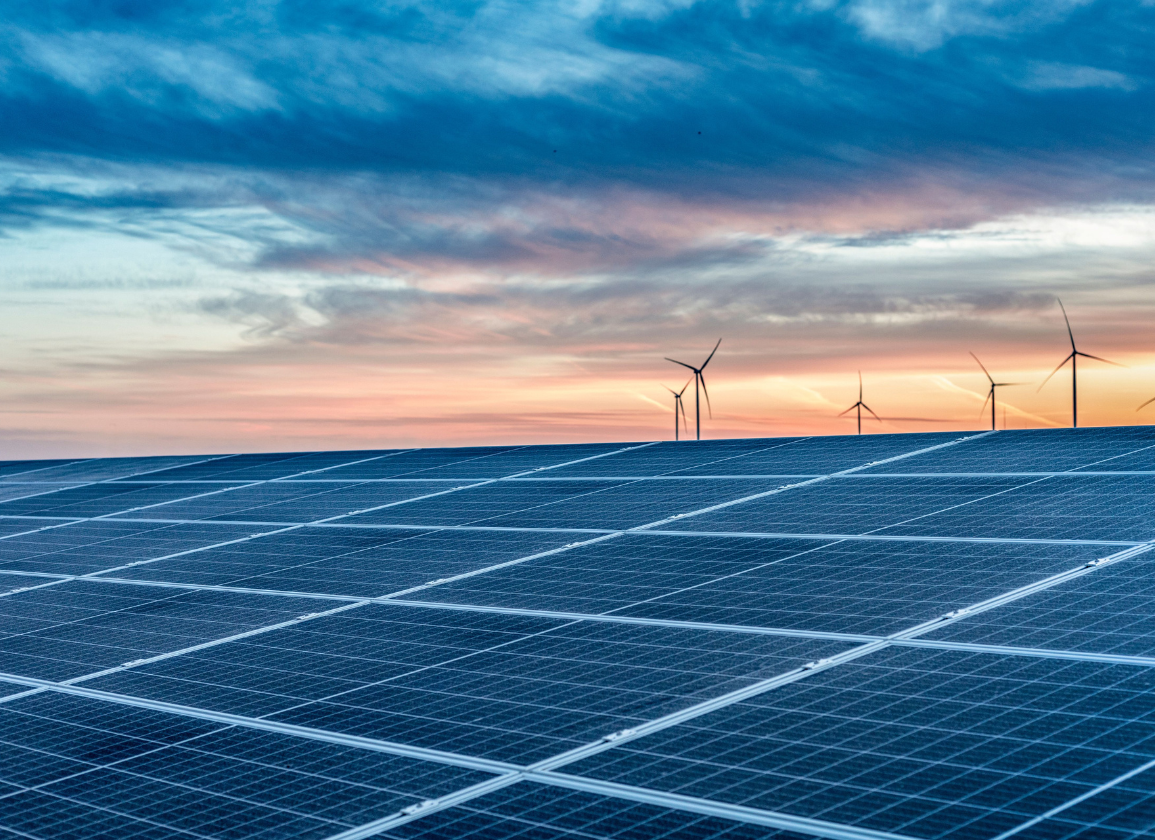
In recent weeks, a common refrain in Europe has been that if we had only focused more aggressively on 'renewable' energy sources, we would not find ourselves in such a vulnerable position because of the war in Iran. But is this claim true? Dutch science journalist and Clintel director Marcel Crok argues the opposite: it is precisely Europe's fixation on climate policy and CO2 reduction that has left us exposed and contributed to the current energy mess.

“Bringing youth into the climate realist fold”
At the recent Heartland Conference, there was a special session called Bringing youth into the climate realist fold. How are younger generations engaging with climate issues and shaping the future conversation? Two interesting speakers were Lucy Biggers, who used to hang out with Greta Thunberg, and Chris Martz, who has been called the ‘Anti Greta Thunberg’.
Germany’s Energy Minister Admits Renewable Energy is Ruining the Country
Germany’s Energy Minister recently delivered a verdict that would have been career-ending heresy only a year ago: “One fact has been concealed for too long: an energy transition that ignores system costs will ruin the country it claims to save.” So fifteen years after Merkel’s nuclear panic, reality is reasserting itself with the cold logic of physics and markets.
“Heartland Conference took the nation’s capital by storm”
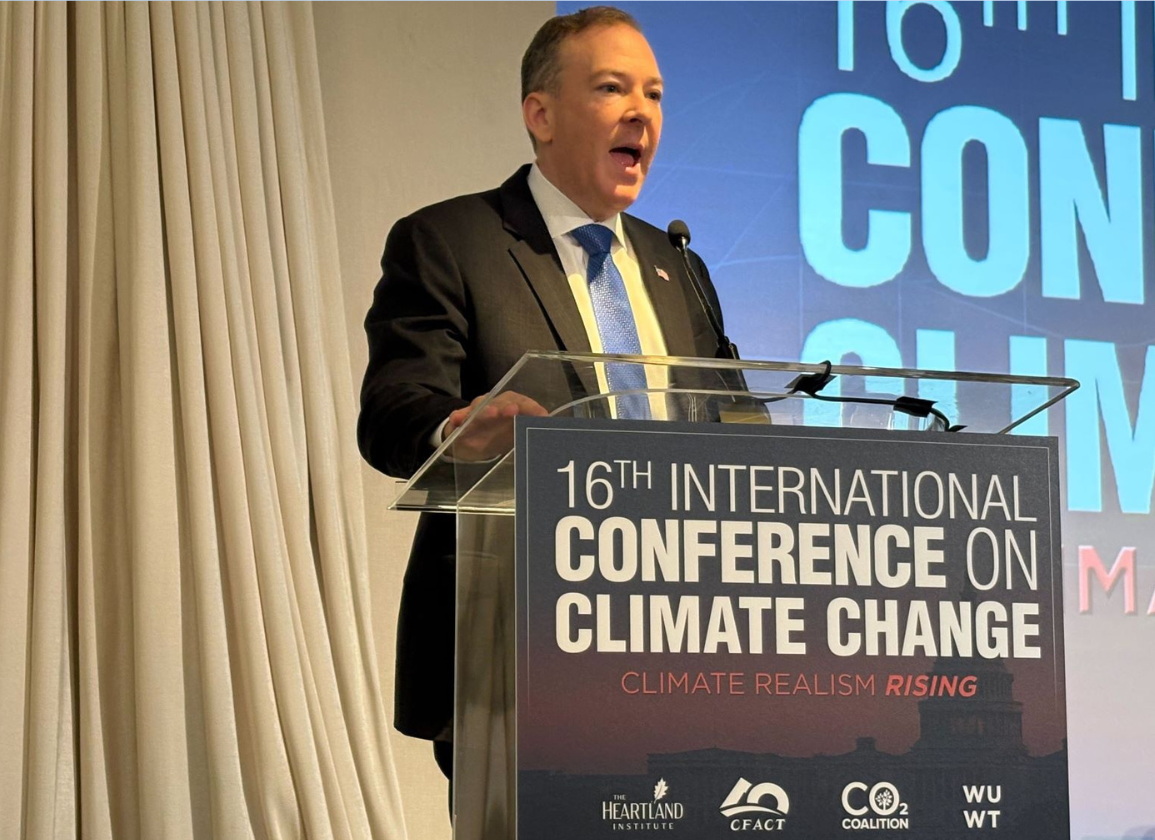
Groups like the Heartland Institute, the CO2 Coalition and the Committee for a Constructive Tomorrow (CFACT) are enjoying unprecedented influence, was the media’s conclusion after the 16th International Conference on Climate Change in Washington DC.
UK economist says high energy prices are ‘good for the climate’
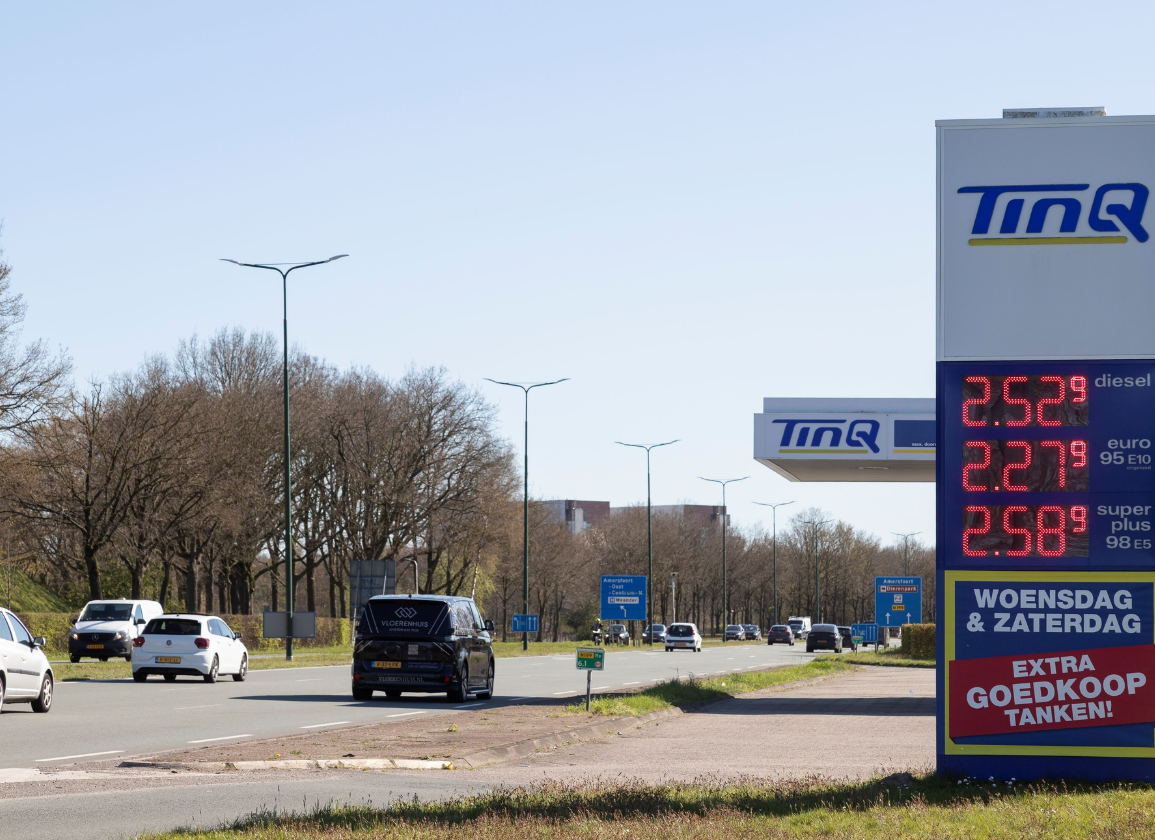
A UK economist recently said the quiet part out loud: high energy prices are ‘good for the climate’. This is not an aberration, says Tilak Doshi, but symptomatic of modern economists. “The barbarians did not storm the gates. The Western elites invited them in, gave them chairs, and asked them to redesign the curriculum.”
News
New paper: U.S. temperature extremes have declined since 1899
The key takeaway from a new paper by John Christy is that the story of temperature extremes in the U.S. is more complicated than often presented.
Sustainability is the problem, not the solution
In recent weeks, a common refrain in Europe has been that if we had only focused more aggressively on 'renewable' energy sources, we would not find ourselves in such a vulnerable position because of the war in Iran. But is this claim true? Dutch science journalist and Clintel director Marcel Crok argues the opposite: it is precisely Europe's fixation on climate policy and CO2 reduction that has left us exposed and contributed to the current energy mess.
“Bringing youth into the climate realist fold”
At the recent Heartland Conference, there was a special session called Bringing youth into the climate realist fold. How are younger generations engaging with climate issues and shaping the future conversation? Two interesting speakers were Lucy Biggers, who used to hang out with Greta Thunberg, and Chris Martz, who has been called the ‘Anti Greta Thunberg’.
Germany’s Energy Minister Admits Renewable Energy is Ruining the Country
Germany’s Energy Minister recently delivered a verdict that would have been career-ending heresy only a year ago: “One fact has been concealed for too long: an energy transition that ignores system costs will ruin the country it claims to save.” So fifteen years after Merkel’s nuclear panic, reality is reasserting itself with the cold logic of physics and markets.
“Heartland Conference took the nation’s capital by storm”
Groups like the Heartland Institute, the CO2 Coalition and the Committee for a Constructive Tomorrow (CFACT) are enjoying unprecedented influence, was the media’s conclusion after the 16th International Conference on Climate Change in Washington DC.
UK economist says high energy prices are ‘good for the climate’
A UK economist recently said the quiet part out loud: high energy prices are ‘good for the climate’. This is not an aberration, says Tilak Doshi, but symptomatic of modern economists. “The barbarians did not storm the gates. The Western elites invited them in, gave them chairs, and asked them to redesign the curriculum.”

