
The Berlin Blackout and the Fragility of Germany’s Energy Transition
This article is the English translation of an analysis originally published in the German newsletter of Professor Fritz Vahrenholt. It examines how the Berlin blackout exposes structural weaknesses in Germany’s energy transition.

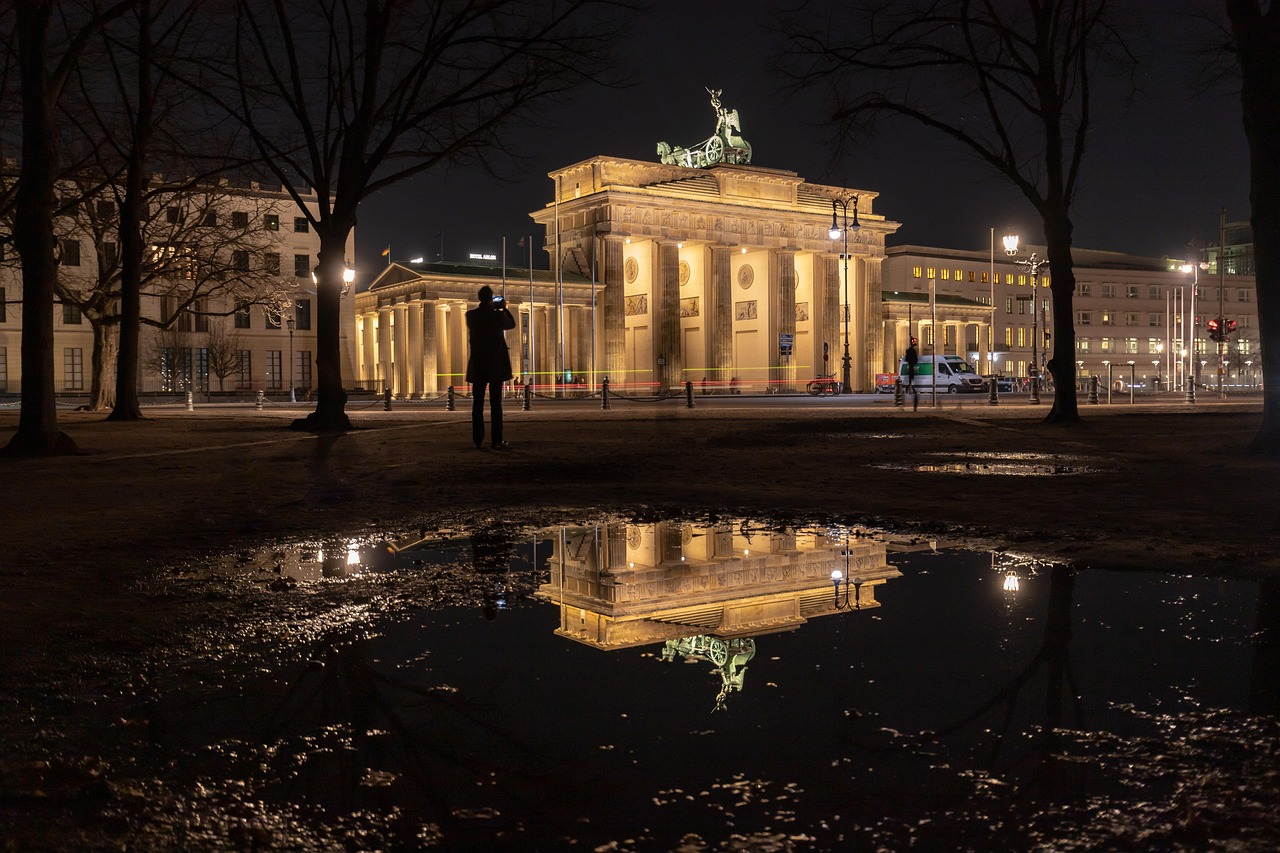
A Fundamental Lesson from the Terrorist Attack on Berlin’s Power Grid
The shutdown of the power supply in southern Berlin has brought the fragility of the “Energiewende” (transition to green energies) policy clearly to our attention.
What the Energy Transition Actually Means
The goal of the transition to renewable energy is not only to switch the power supply to wind and solar energy but also to transition the other two pillars of energy supply—namely, heating and the transport sector— over to electricity. “Everything to electricity” means abandoning gas and oil in the heating sector and oil (gasoline/diesel) in the motor vehicle sector.
Sector Coupling and Its Hidden Costs
This narrowing of the energy supply down to a single energy carrier was called “sector coupling.” This sector coupling was propagated and celebrated by the “Green high priests” as a sustainable model for the future. Originally, it was an attempt to correct the weakness of renewable energies, which lead to unusable surpluses during periods of high wind and solar production. These useless surpluses were intended to be pushed into the heating and vehicle sectors after storage. It has been described here often enough that this sector coupling leads to exorbitant cost increases. Frontier Economics estimates the total cost of the energy transition until 2045 at an unaffordable 4,800 to 5,400 billion euros.
The Berlin Blackout Exposes System Vulnerability
But now, the attack in Berlin demonstrates to us that such an energy system, based solely on electricity, is highly vulnerable. We are learning that when the power fails, the heat supply also fails—at least when it is supposed to be generated by heat pumps. And to make matters worse, we are learning that in freezing temperatures, heat pumps face total loss due to bursting pipes. This particular “warning label” was certainly not included in the “Habeck heating law,” which the CDU-SPD federal government intends to continue seamlessly. The content of the law will remain the same, but to ensure citizens don’t quite realize it, the name of the law is to be changed.
Electric Mobility in a Blackout Scenario
We are also learning that during a large-scale power outage, electric vehicles can only help if they happened to be charged before the “bang.” Otherwise, this utility also fails.
From Resilient Energy System to Structural Fragility
Until now, there was great resilience associated with being able to rely on two storable systems for 75% of the energy supply: namely, gas for heating and liquid fuel for mobility. Since the events in Berlin, the fact that the third pillar—the power supply, which currently provides 25% of energy consumption—is also now being made weather-dependent while being expected to serve all three pillars, is revealing itself even more clearly as a Left-Green ideological pipe dream that will not survive the reality test.
Ideological Justification Behind the Attack
The text of the first letter claiming responsibility utilizes the reasoning context of Green and Leftist ideologies of climate anxiety:
“In the greed for energy, the earth is drained, sucked dry, burned, maltreated, scorched, raped, destroyed. Entire regions are rendered uninhabitable by the heat. They simply burn. Or habitats disappear under floods or due to rising sea levels. Shutting down fossil fuel power plants is manual labor.”
Except for the last sentence, one could read similar formulations in the party conference resolutions of the German Greens, the Left, and the SPD social democrats. The sentence “Entire regions are rendered uninhabitable by the heat” even comes from a UN report from 2022. The ideological justification for the energy transition stems from the same context of climate alarmism that the “Vulkangruppe” (Volcano Group) uses to justify its criminal actions.
This English translation by P. Gosselin of the article from Fritz Vahreholt’s newsletter previously appeared on notrickszone.com. For readability, we have added a few headings.

Fritz Vahrenholt
Fritz Vahrenholt is a German politician (SPD), manager, scientist and author. You can subscribe to his newsletter here.

more news

There are no real fingerprints of man-made warming
Chris Martz, meteorologist and “anti-Greta Thunberg”, thinks at least some of the recent global warming is man-made. “But I'm also not running around like a hysterical chicken either.”

Wildfires in Spain have decreased over the last 50 years
According to a recent study, global fire numbers, intensity, and burned area declined overall from 2003 to 2023. Spain has been no exception, says Fernando del Pino Calvo Sotelo. According to the Ministry of Ecological Transition itself, the area burned by fires over the past 50 years has also decreased.

Supreme Court Justice Gave Bogus Science a Blind Endorsement
Supreme Court Justice Elena Kagan has written the foreword for the Federal Judicial Center’s Reference Manual on Scientific Evidence without reading a chapter on climate change that was eventually removed – and has yet to read it.

