
Fritz Vahrenholts Newsletter: Eine Lehre aus dem Terroranschlag
Der Newsletter von Fritz Vahrenholt bietet persönliche Kommentare zu globalen Temperaturveränderungen und energiepolitischen Themen direkt vom Verfasser.


Die globale Temperatur hat sich im Dezember 2025 weiter deutlich verringert. Sie beträgt nur noch um 0,3 Grad Celsius höher als das langjährige Mittel. Das Jahr 2025 war insgesamt deutlich kühler als 2024. Der Abkühlungstrend wird fortgesetzt.
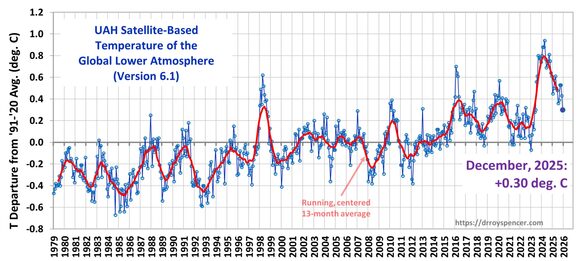
Eine grundsätzliche Lehre aus dem Terroranschlag auf das Berliner Stromnetz

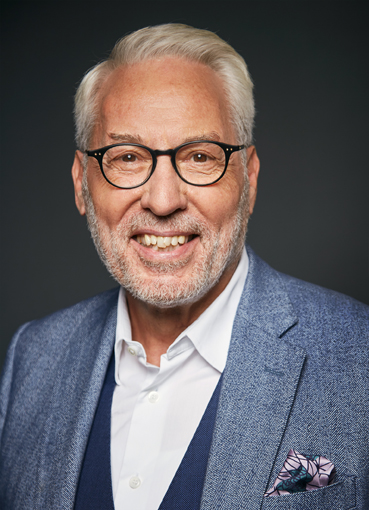
Dr. Fritz Vahrenholt
Die oben genannten Artikel sind dem Rundbrief von Dr. Fritz Vahrenholt vom 7. Januar 2026 entnommen. Hier können Sie sich für diesen Rundbrief anmelden.

more news

Climate Change Will Not Starve the World
Climate change should be regarded as a manageable factor rather than an existential threat to global food supplies. Humanity has repeatedly demonstrated an ability to increase agricultural productivity faster than population growth, says Karl Iver Dahl-Madsen.

Measuring Meaningless Climate Actions
What would Americans gain from eliminating every ton of carbon dioxide emitted from the use of fossil fuels in the United States? The answer, says Vijay Jayaraj, is nothing.

“Amendment to Climate Assessment is only a first step”
“Amendment to Climate Assessment is only a first step” The Trump administration has proposed an amendment to the U.S Fifth National Climate Assessment that acknowledges its emission forecasts are implausible and must not guide federal policymaking. This is a welcome restoration of scientific integrity, says executive director Angela Wheeler of the CO2 [...]

