

latest news

Andy May on ‘The Sun versus CO2’
The relative contributions of solar radiation and greenhouse gases to ocean warming are not as well understood as often portrayed. Significant uncertainties remain, says Andy May in a recent podcast with Tom Nelson.
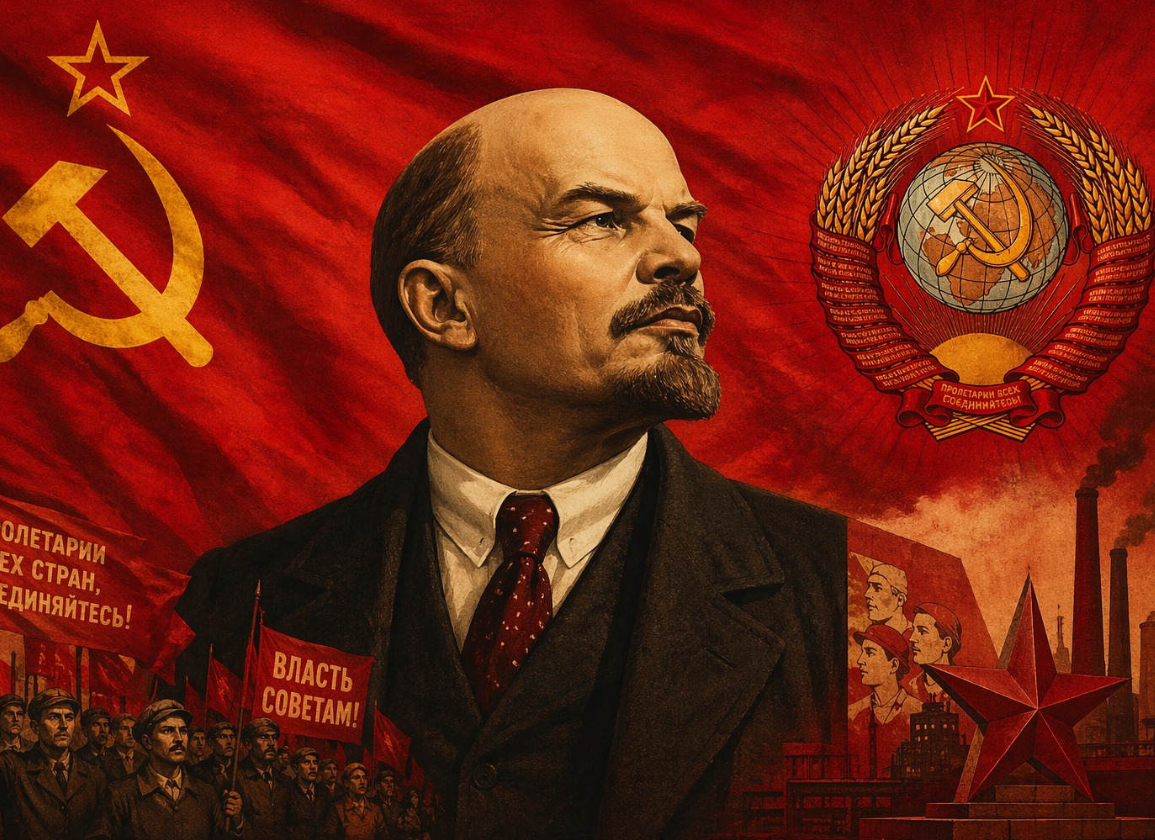
The European Union and the UK increasingly resemble the late Soviet Union
Western Europe’s ancien régime will not endure very much longer. Populist-conservative parties have been gaining ground across the continent over the past several years precisely because the lived reality of the majority contradicts elite doctrine. Yet until voters enforce a return to economic literacy, rational energy policy and national sovereignty, Western Europe and Britain will continue its Soviet-style trajectory.
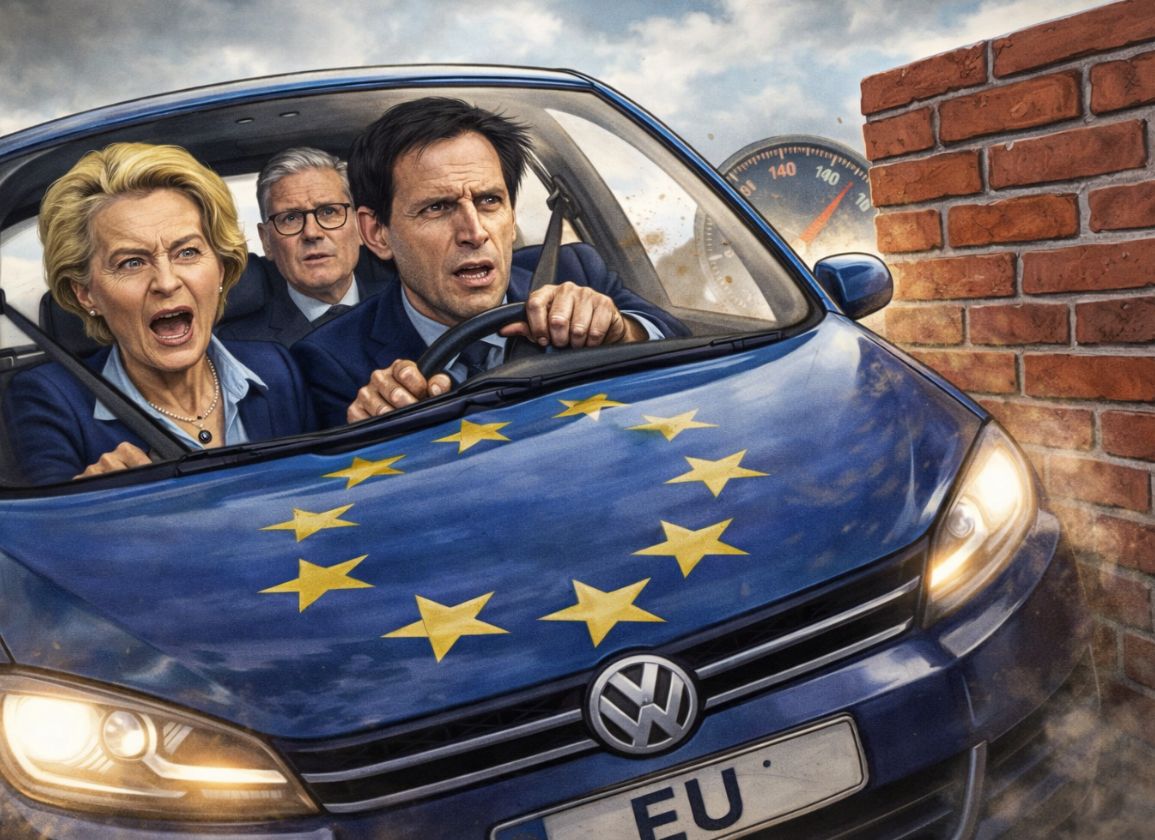
European energy policy: full speed towards the wall
What do you do when you realise you are heading in the wrong direction? Hit the brakes, right? In Europe, this is not the case. Instead, the answer of European leaders is to accelerate further, opting for an energy transition that is even faster, more ambitious, and more radical. In the meantime, the problems are piling up. A summary of the key facts, makes you wonder desperately: why isn't anyone hitting the brakes?
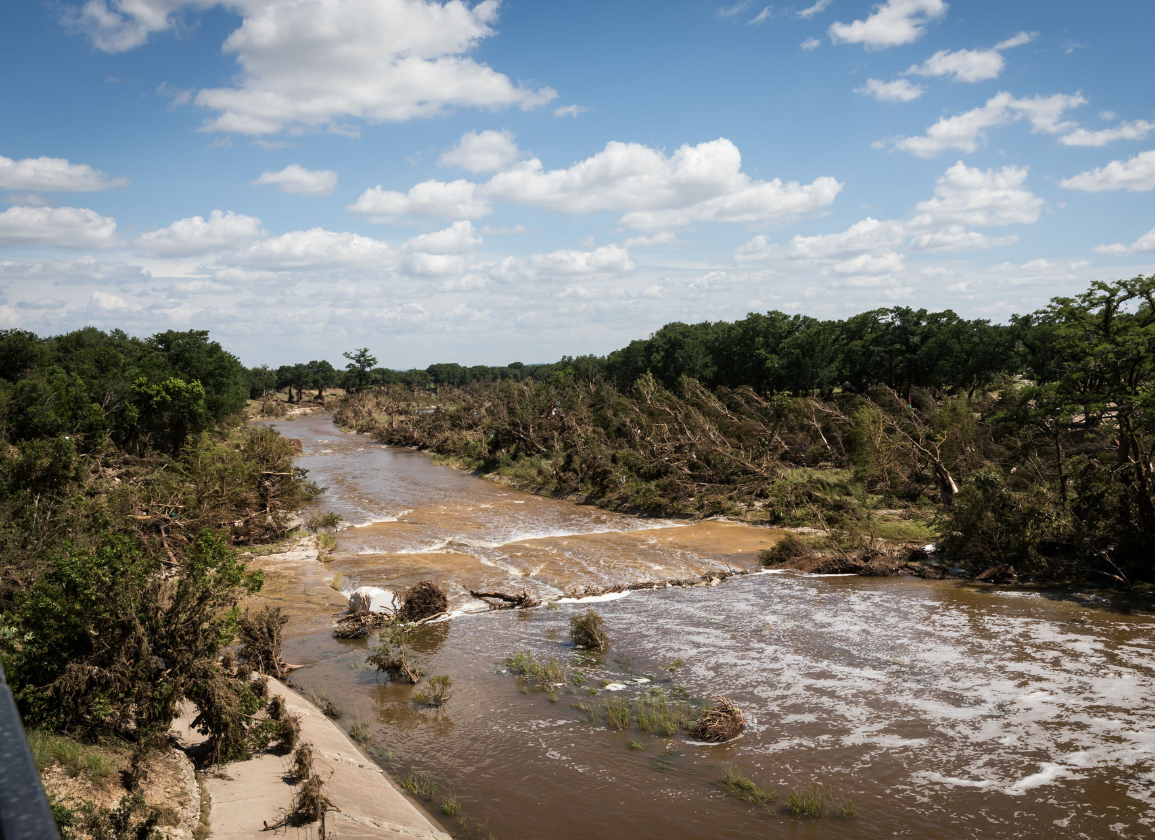
Abuse of Science: Extreme Event Attribution Studies
Both the mainstream media and government reports have latched on to Event Attribution to fan the flames of climate alarmism. But such studies are deeply flawed, with errors in both science and inter¬pretation, having been created for legal and political rather than scientific reasons, says Ralph Alexander.
| Climate change | 197 |
| Climate policy | 194 |
| Energy transition | 161 |
| CO₂ | 145 |
| Climate Science | 112 |
| IPCC | 73 |
| see more close table | |
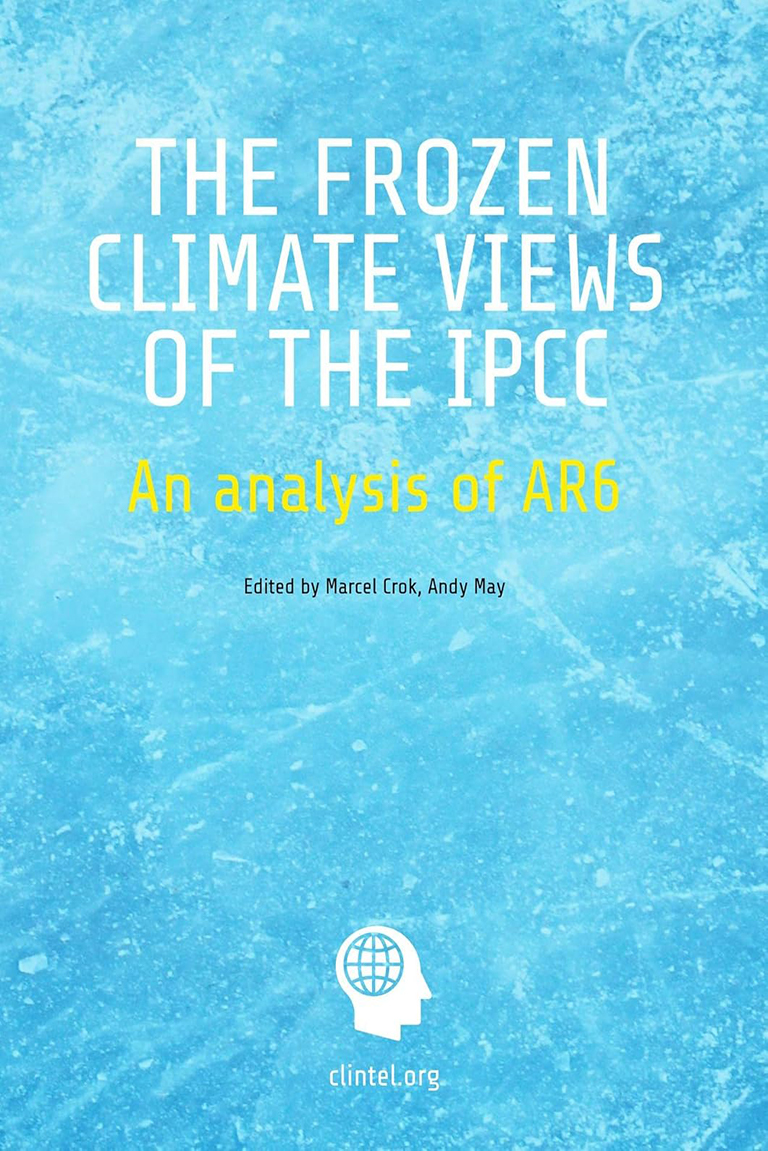
Analysis of IPCC report
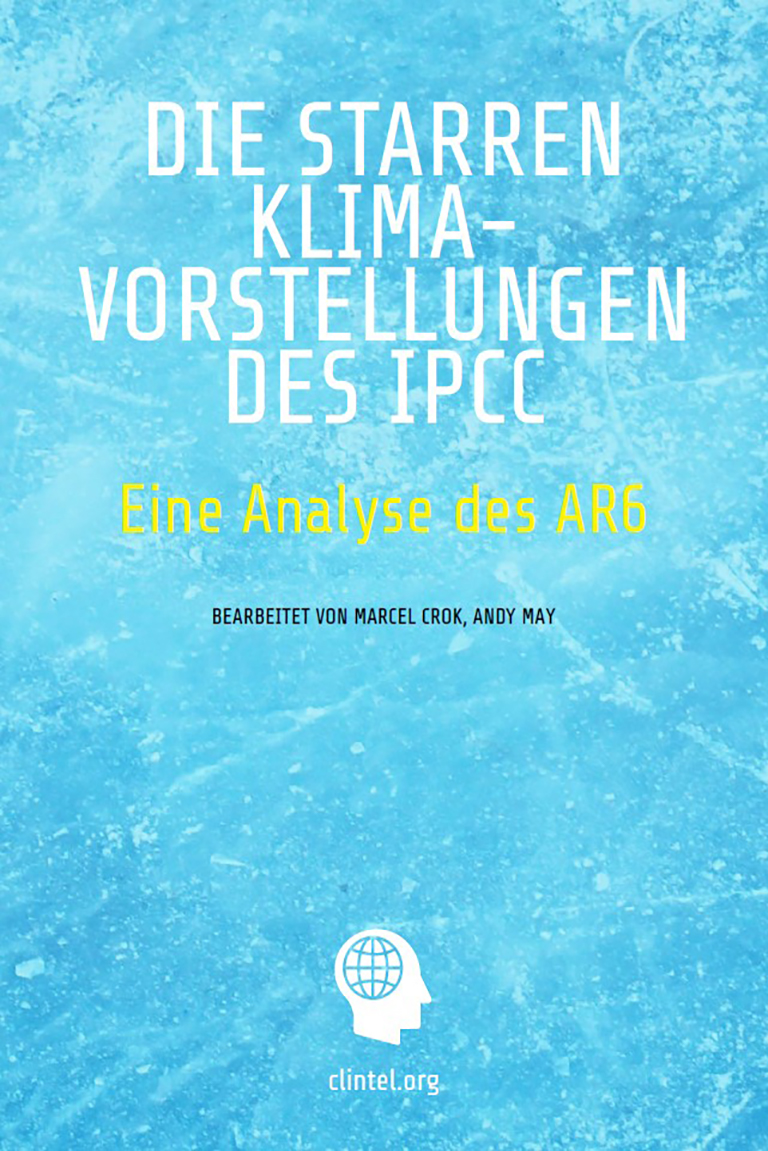
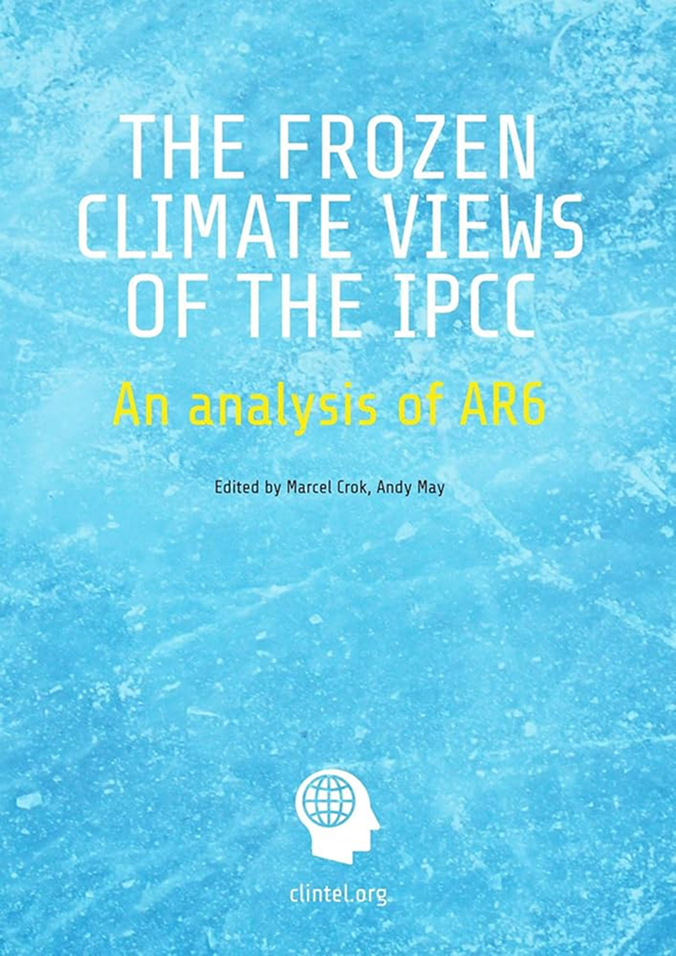
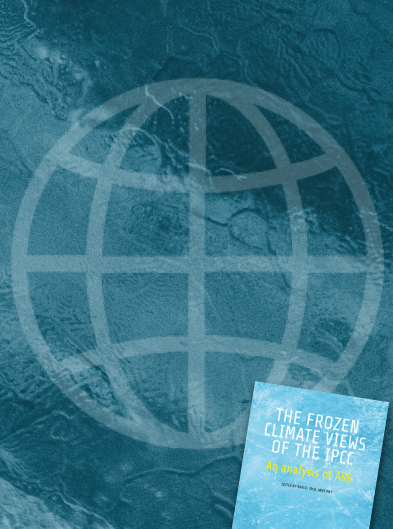
The Frozen Climate Views of the IPCC
The Clintel Foundation has published the book The Frozen Climate Views of the IPCC. It’s by far the most important work of its existence. In thirteen chapters we indicate per theme whether the IPCC has done its work well. In short, we conclude that the IPCC has made several serious mistakes.
ABOUT CLINTEL
Climate Intelligence Foundation
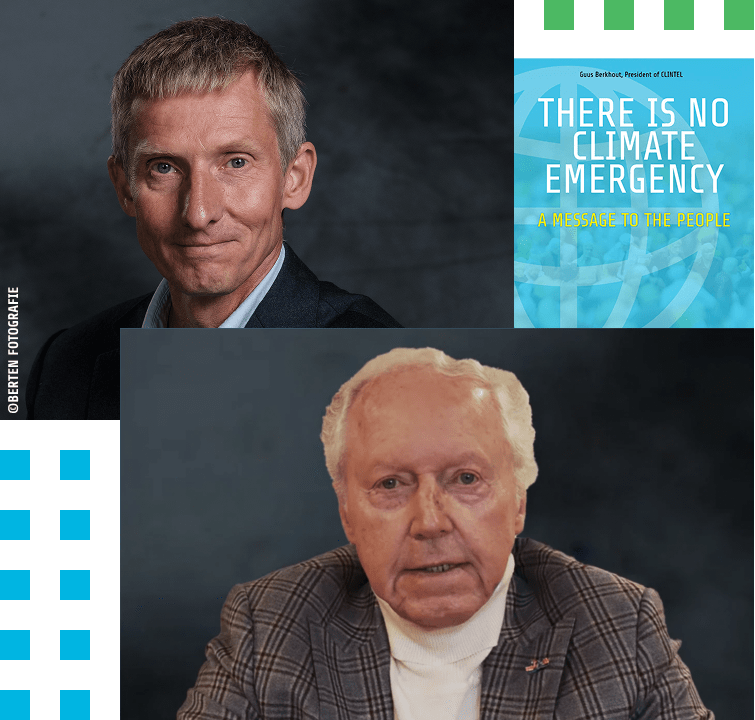
Climate Intelligence (Clintel) is an independent foundation informing people about climate change and climate policies. Clintel was founded in 2019 by emeritus professor of geophysics Guus Berkhout and science journalist Marcel Crok. Clintel’s main objective is to generate knowledge and understanding of the causes and effects of climate change as well as the effects of climate policy on the economy and the environment.

latest news
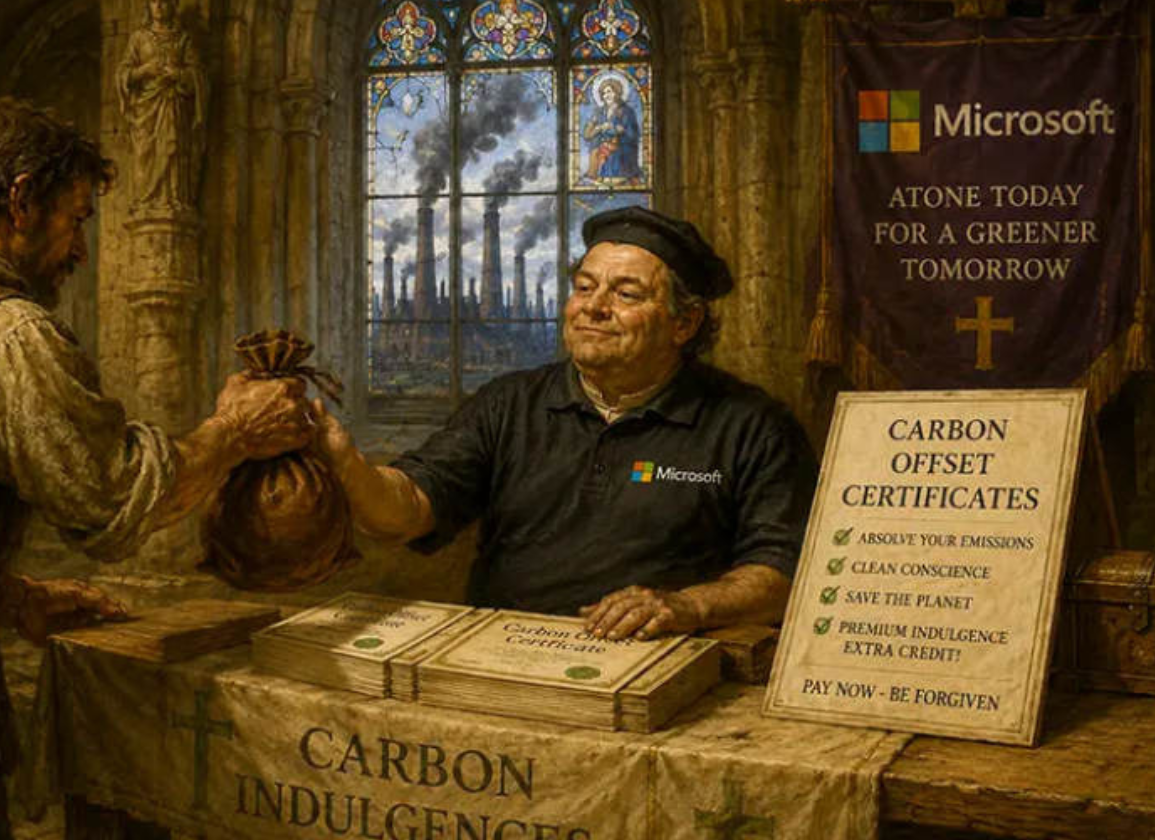
Microsoft Pauses Its Carbon Indulgence Spending. The Usual Suspects Are Upset.
Reports have emerged that Microsoft has quietly paused future carbon removal purchases, sending shockwaves through a market it effectively dominates. What might appear as a routine financial decision has instead exposed the fragility of an industry built around a single buyer—and triggered a swift, organized backlash from climate advocates.
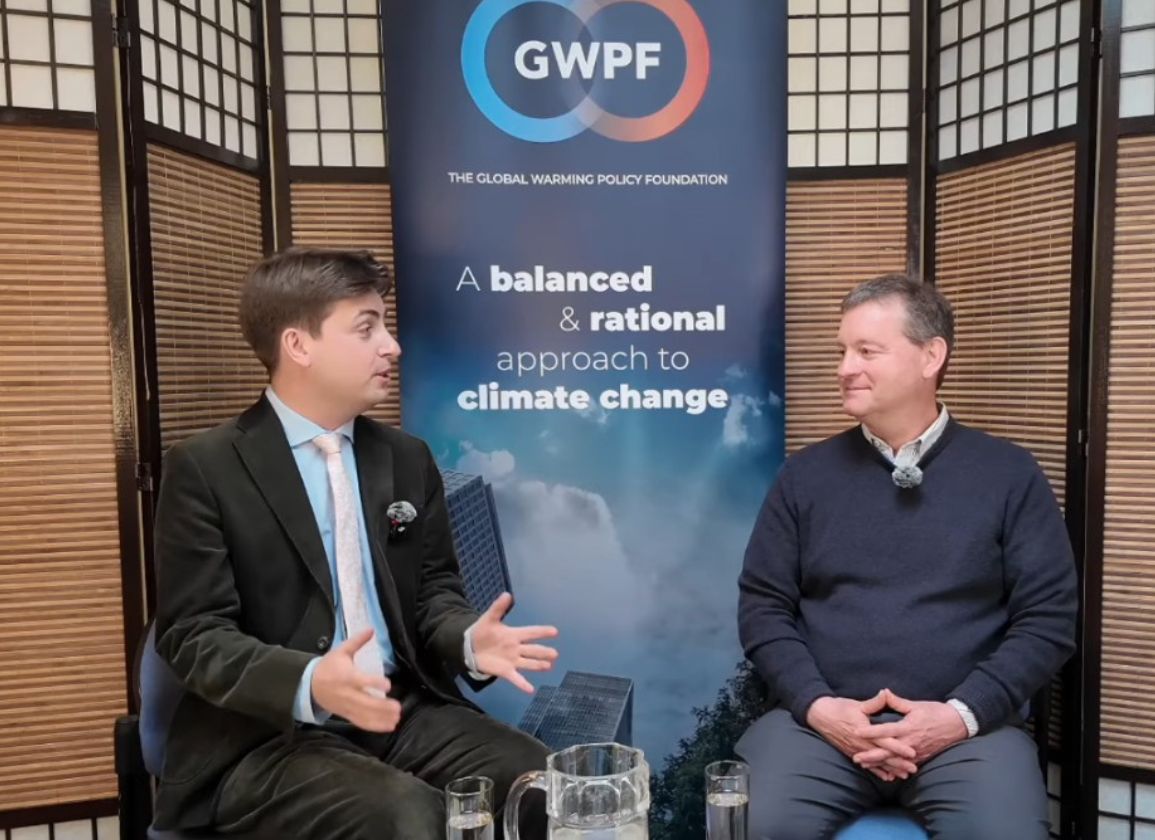
Roger Pielke Jr.: “The correction came far too slowly”
Now that the extreme climate scenario RCP 8.5 has finally been abandoned, the debate has shifted significantly, says Roger Pielke Jr. The American researcher recently gave an interview to the Global Warming Policy Foundation.
the latest IPCC report
The Frozen Climate Views of the IPCC
The Clintel Foundation has contributed to the publication of the book The Frozen Climate Views of the IPCC by far the most important work of its existence. In thirteen chapters we indicate per theme whether the IPCC has done its work well. In short, we conclude that the IPCC has made several serious mistakes.
ABOUT CLINTEL
Climate Intelligence Foundation
Climate Intelligence (Clintel) is an independent foundation informing people about climate change and climate policies. Clintel was founded in 2019 by emeritus professor of geophysics Guus Berkhout and science journalist Marcel Crok. Clintel’s main objective is to generate knowledge and understanding of the causes and effects of climate change as well as the effects of climate policy on the economy and the environment.

