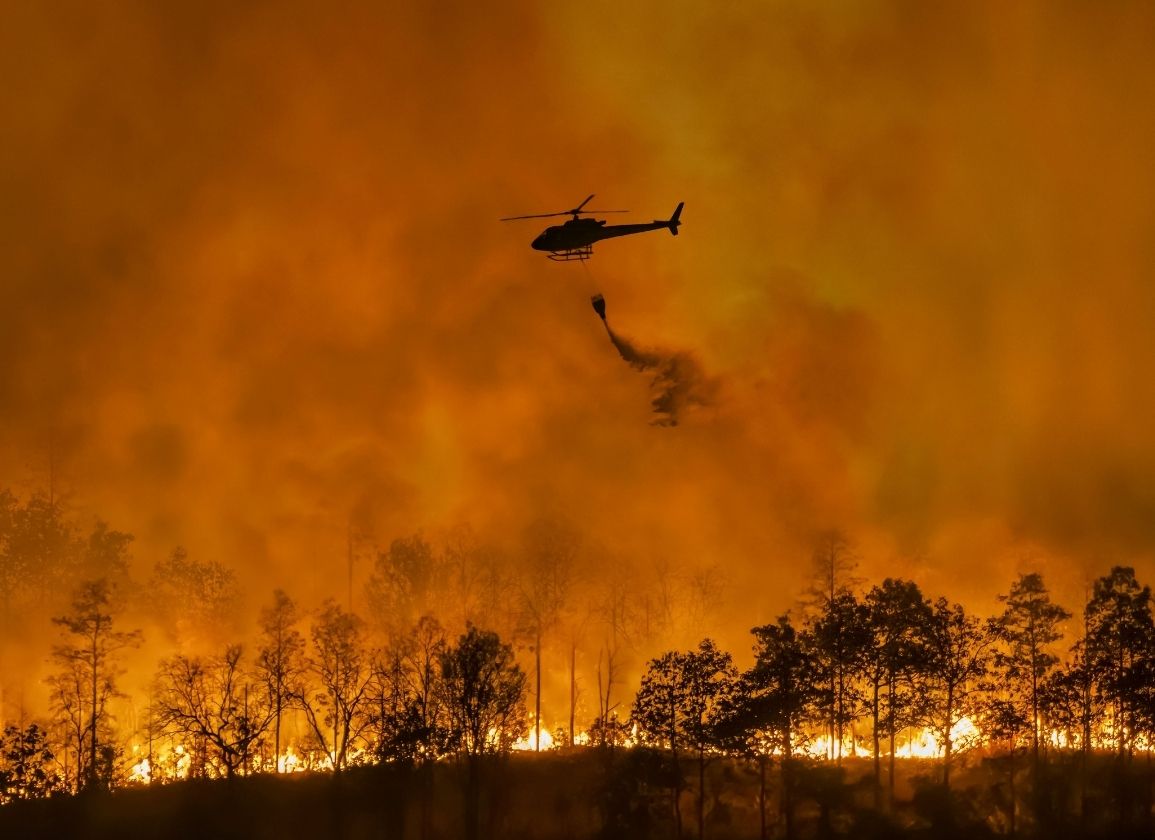
Global Burned Area 18% Below Average
Global burned area was 18% below average this past season and has been falling for two decades. Why is that only one sentence in the annual State of Wildfires report, Charles Rotter asks.
Global burned area was 18% below average this past season and has been falling for two decades. Why is that only one sentence in the annual State of Wildfires report, Charles Rotter asks.
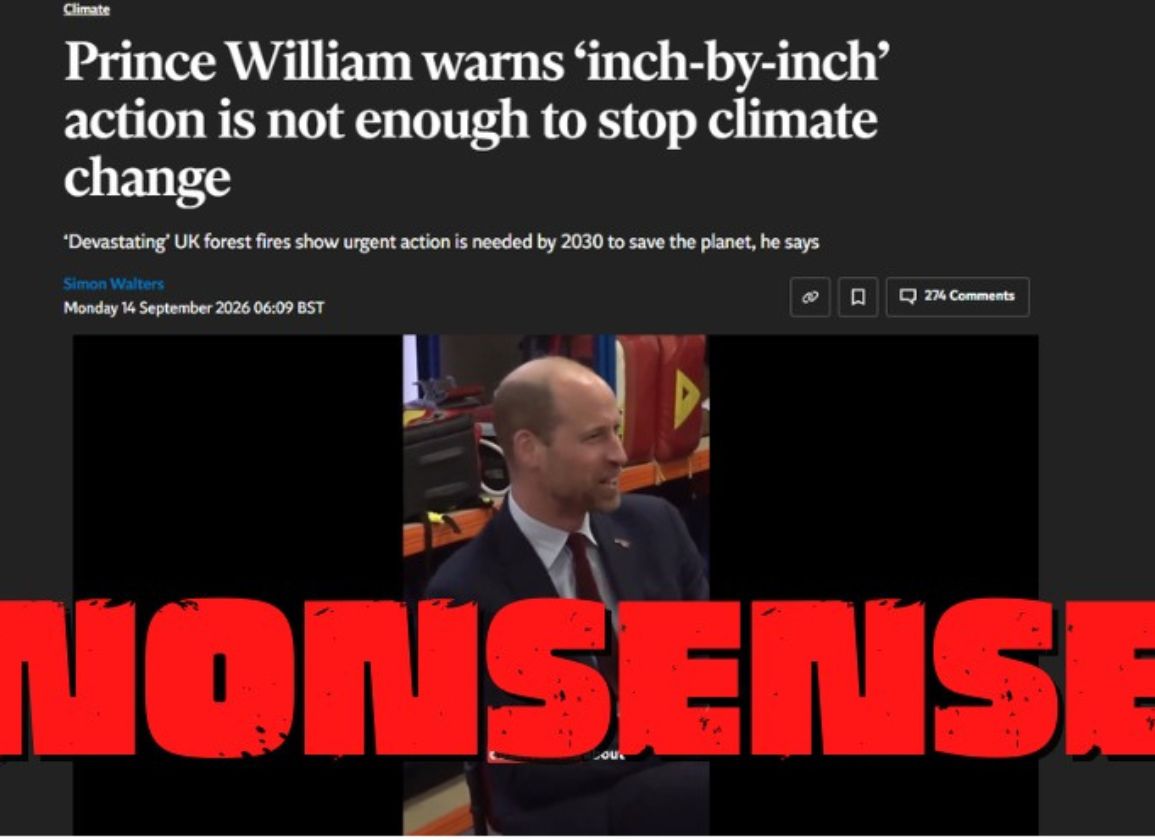
Prince William is behind the curve when it comes to climate change. He is also very misinformed about the history of European and global wildfire occurrences, says Linnea Lueken.
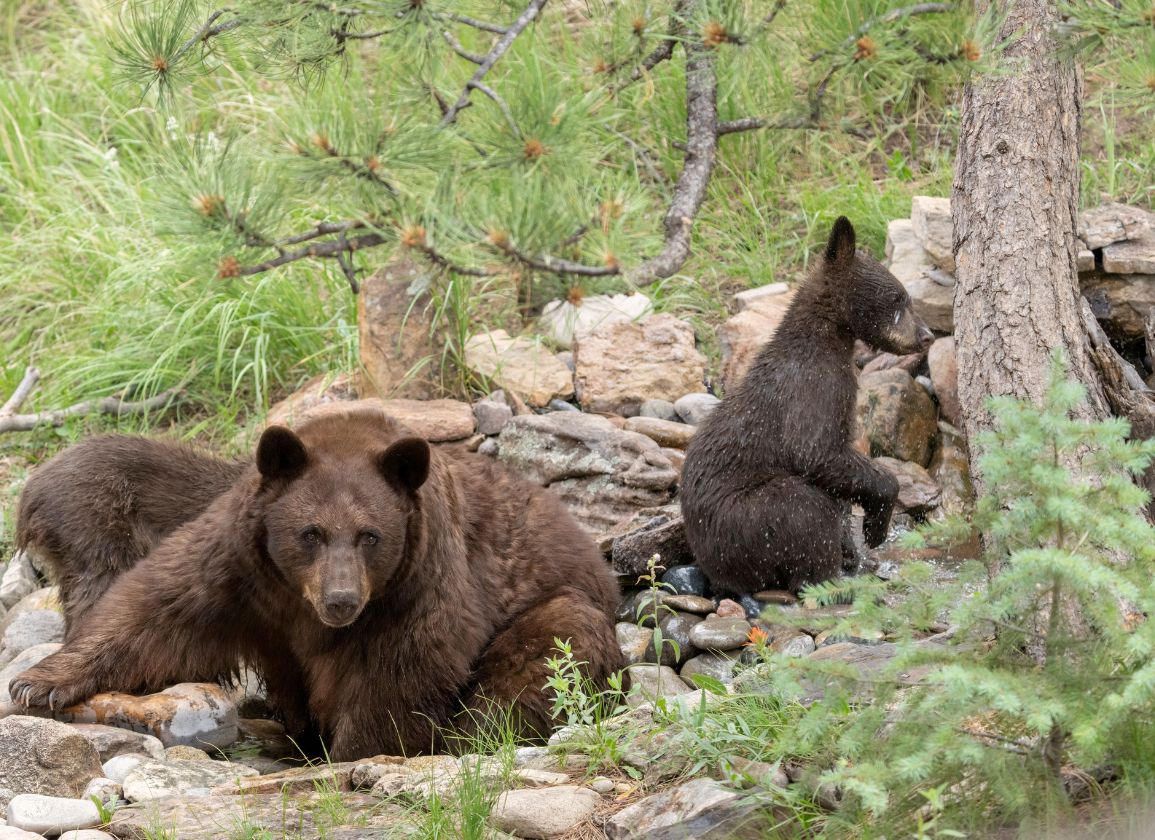
Some news media now blame climate change for bears breaking into cars and homes in Colorado. They are promoting the catastrophe narrative of climate change in any way they can, regardless of nuances, says Linnea Lueken.
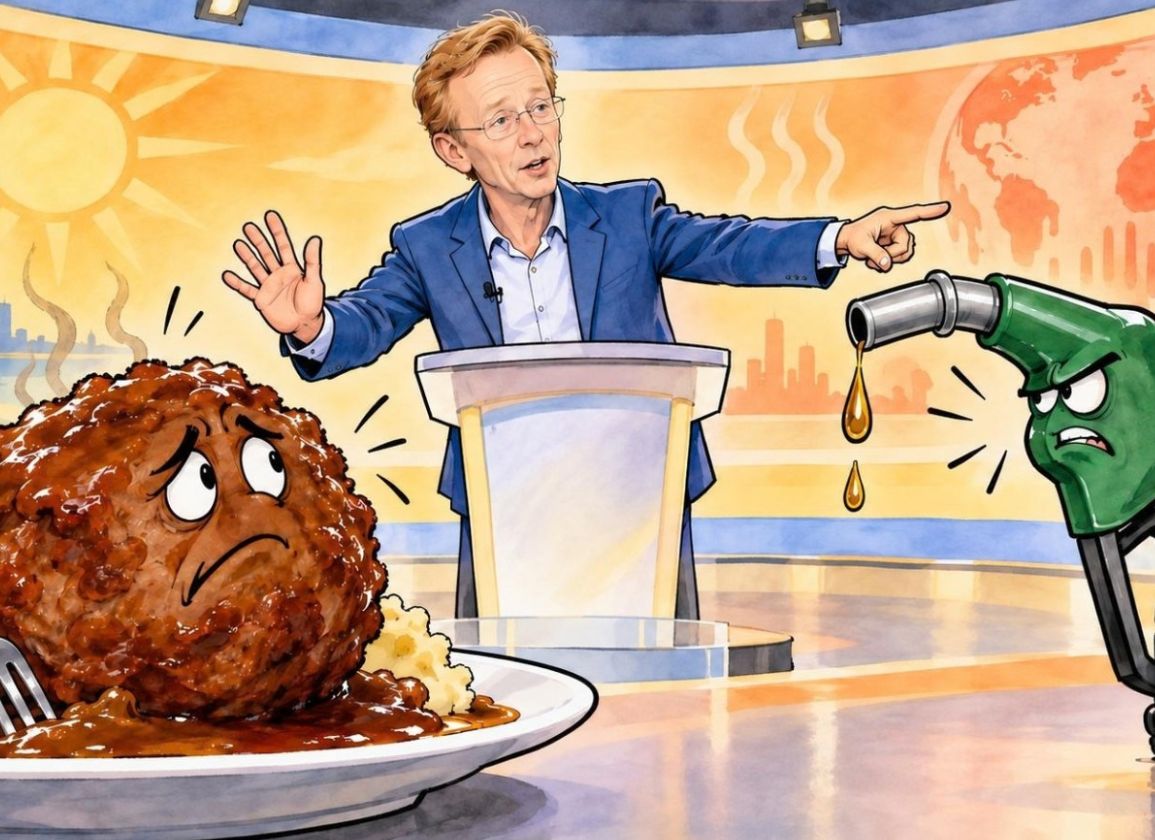
Gerrit Hiemstra, a well-known retired Dutch TV weatherman, was given the opportunity to ramble on for several minutes about the hot and dry summer in Europe during a highly-rated talk show on public service television. Naturally, according to him, the summer was the result of climate change, and Hiemstra also had a solution: stop filling up your car and eating meatballs. In the article below, Marcel Crok picks apart the claims made by Hiemstra.
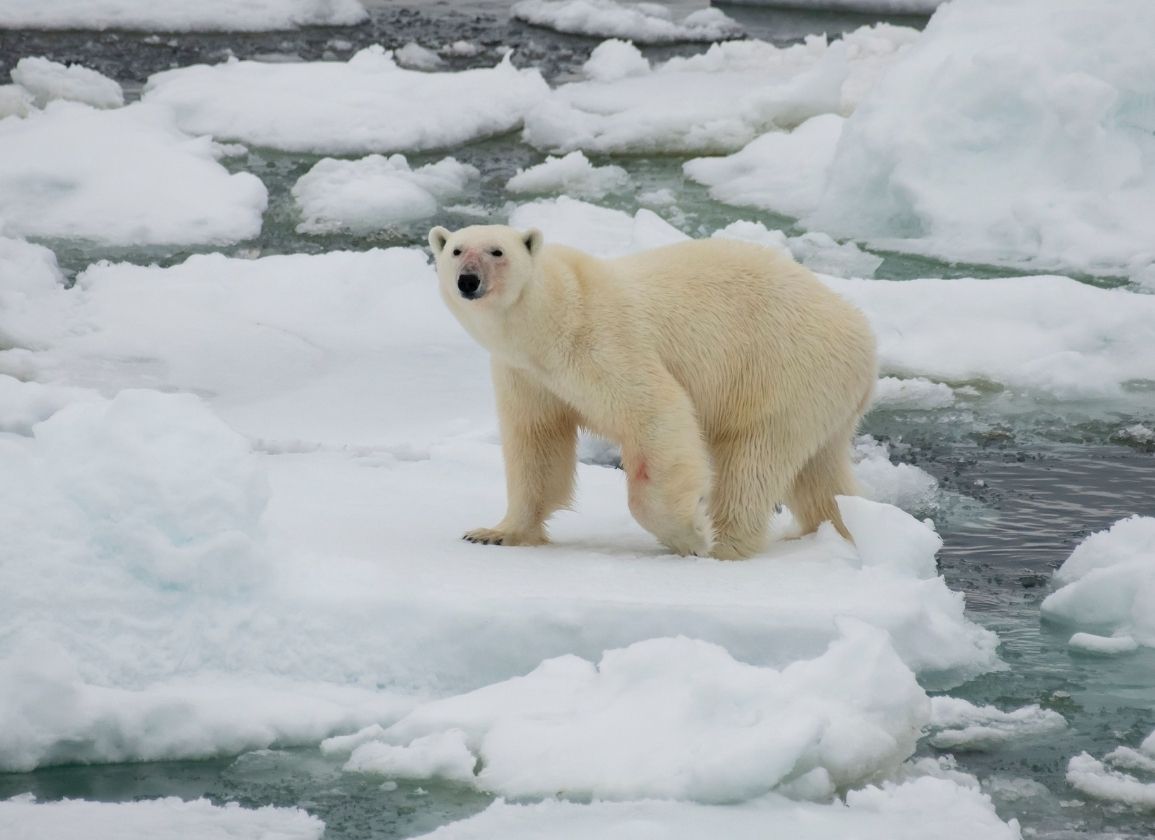
Why are the climate ambulance chasers now way out in Nepal? The reason is that there’s little weather action anywhere else that would support the alarmist climate narrative – not even in the Arctic, says Pierre Gosselin.
Ya sea en el Mediterráneo o en el oeste de Estados Unidos, la narrativa sobre los incendios forestales se ha convertido en un conveniente escudo para los responsables políticos: culpar al «cambio climático», ignorar los problemas estructurales y luego exigir más dinero de los contribuyentes para mantener un sistema fallido.
Ob im Mittelmeerraum oder im amerikanischen Westen, die Erzählung rund um Waldbrände ist zu einem bequemen Schutzschild für politische Entscheidungsträger geworden: den „Klimawandel“ beschuldigen, den strukturellen Verfall ignorieren und dann mehr Steuergelder fordern, um einen kaputten Status quo aufrechtzuerhalten.
Que ce soit en Méditerranée ou dans l'Ouest américain, le discours autour des feux de forêt est devenu un bouclier commode pour les décideurs politiques : blâmer le « changement climatique », ignorer la dégradation structurelle, puis exiger davantage d'argent des contribuables pour maintenir un statu quo défaillant.
Whether in the Mediterranean or the American West, the narrative around wildfires has become a convenient shield for policymakers: blame “climate change,” ignore the structural rot, and then demand more taxpayer money to sustain a broken status quo.
COVID was the rehearsal… Climate is the show.