
News

Trump tells US power plants to emit as much CO2 as they want
The EPA (Environmental Protection Agency) has announced that they will scrap the limits set for ‘climate pollution’ from US power plants. Jo Nova thinks that the mission creep of bureaucrats may finally be coming to an end: Slaying the Bureaucratic Blob.
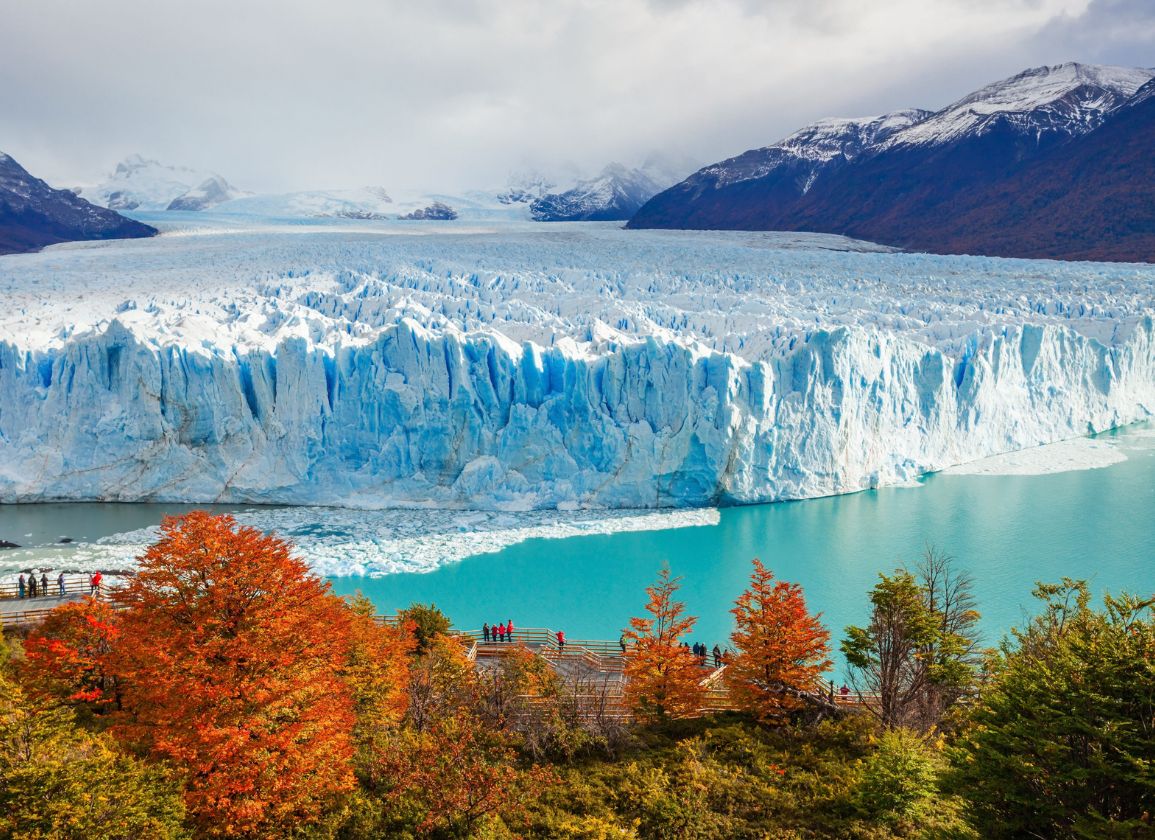
How Much of a Threat Are Melting Ice Sheets and Glaciers?
The recent tragic Himalayan flash flood (the source was actually a landslide of the underlying bedrock) has brought to the fore an important question, says Ralph Alexander. How much do we need to be concerned about melting ice, from both glaciers and ice sheets?
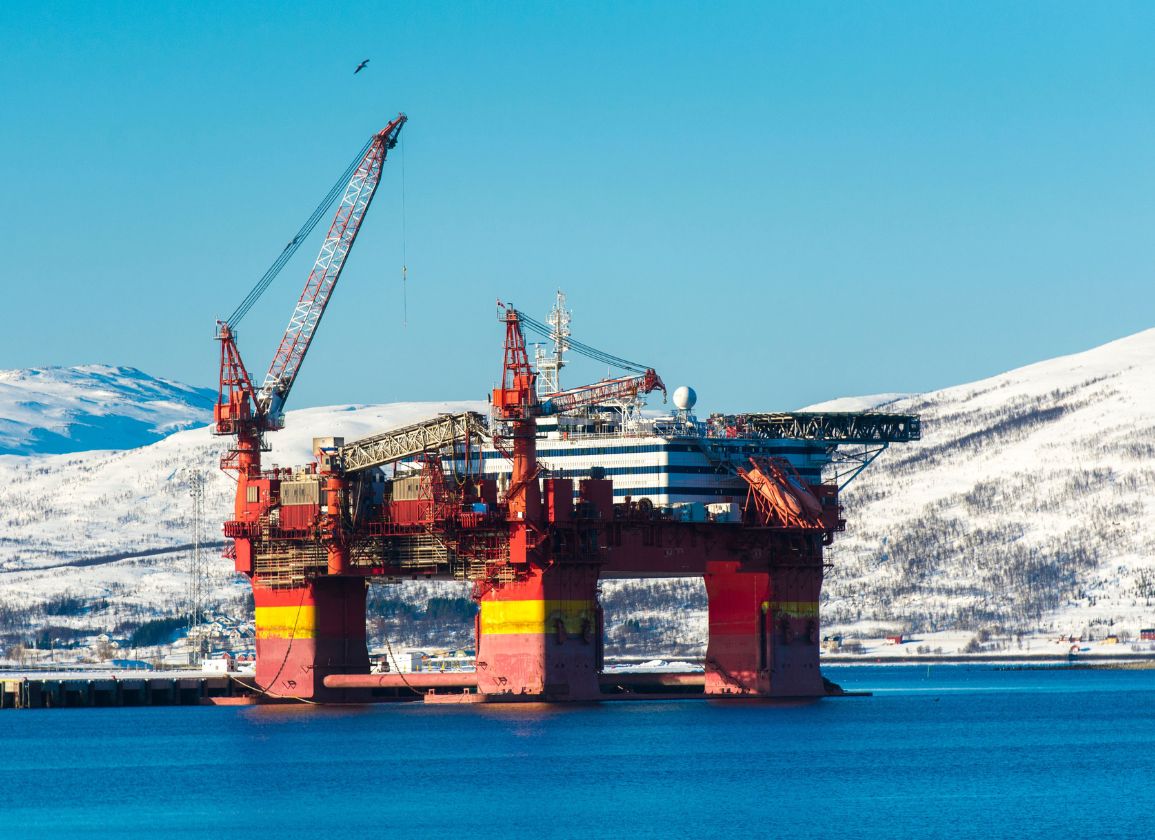
Norway keeps on drilling in the Arctic
Norway’s Minister of Energy Terje Aasland has told Reuters that his country will keep developing oil and gas in the Barents Sea irrespective of a European Union (EU) ban on Arctic drilling.
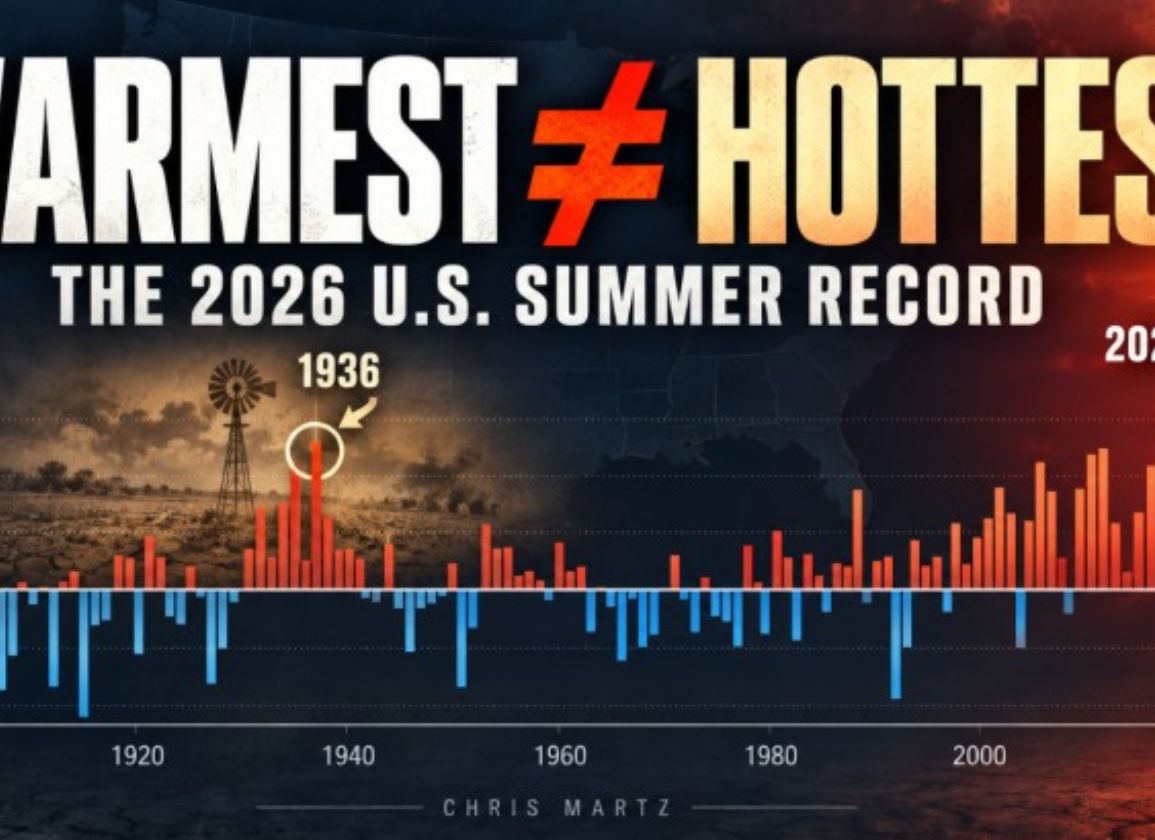
Was 2026 really the “hottest summer on record” in the United States?
Summer 2026 was the “warmest on record” in the US based on average daily temperatures. But not when measured by average daily maximum temperatures, says Chris Martz. Furthermore, there are legitimate concerns about the adjustments NOAA applies to its raw data.
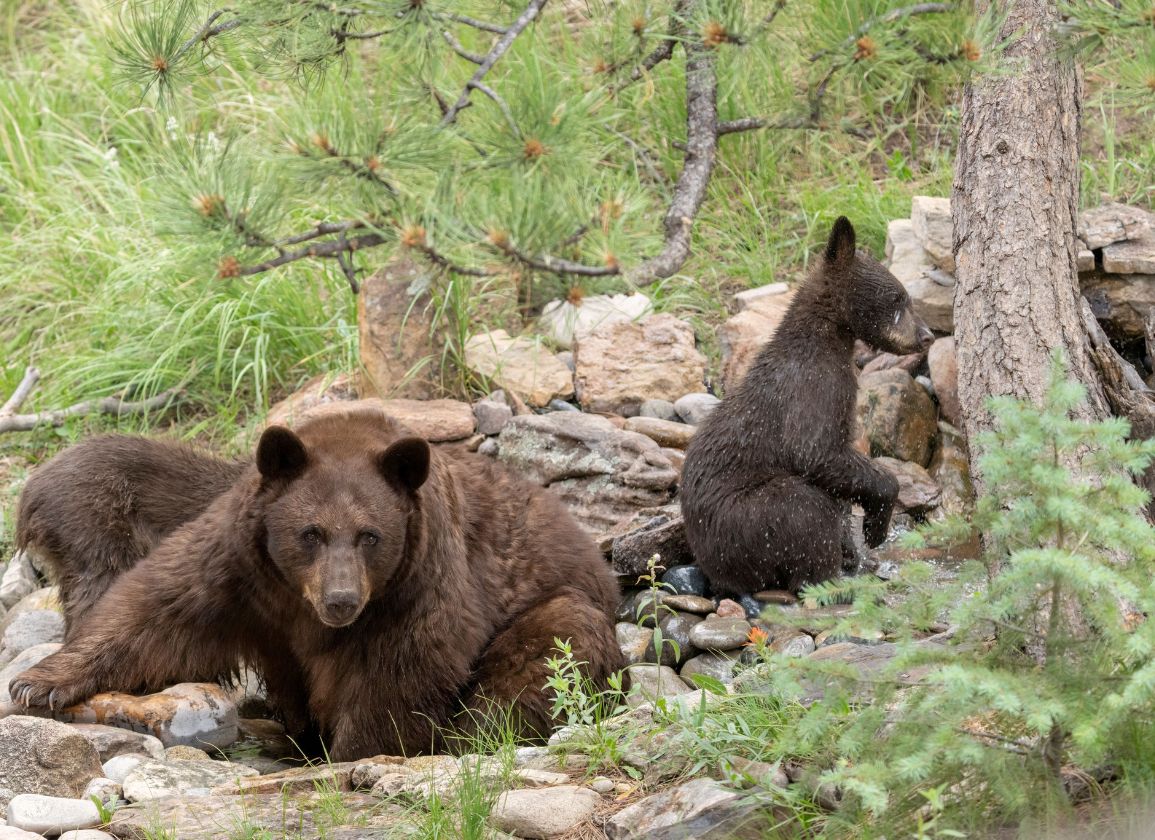
Press Blames Climate Change for Bear Encounters
Some news media now blame climate change for bears breaking into cars and homes in Colorado. They are promoting the catastrophe narrative of climate change in any way they can, regardless of nuances, says Linnea Lueken.
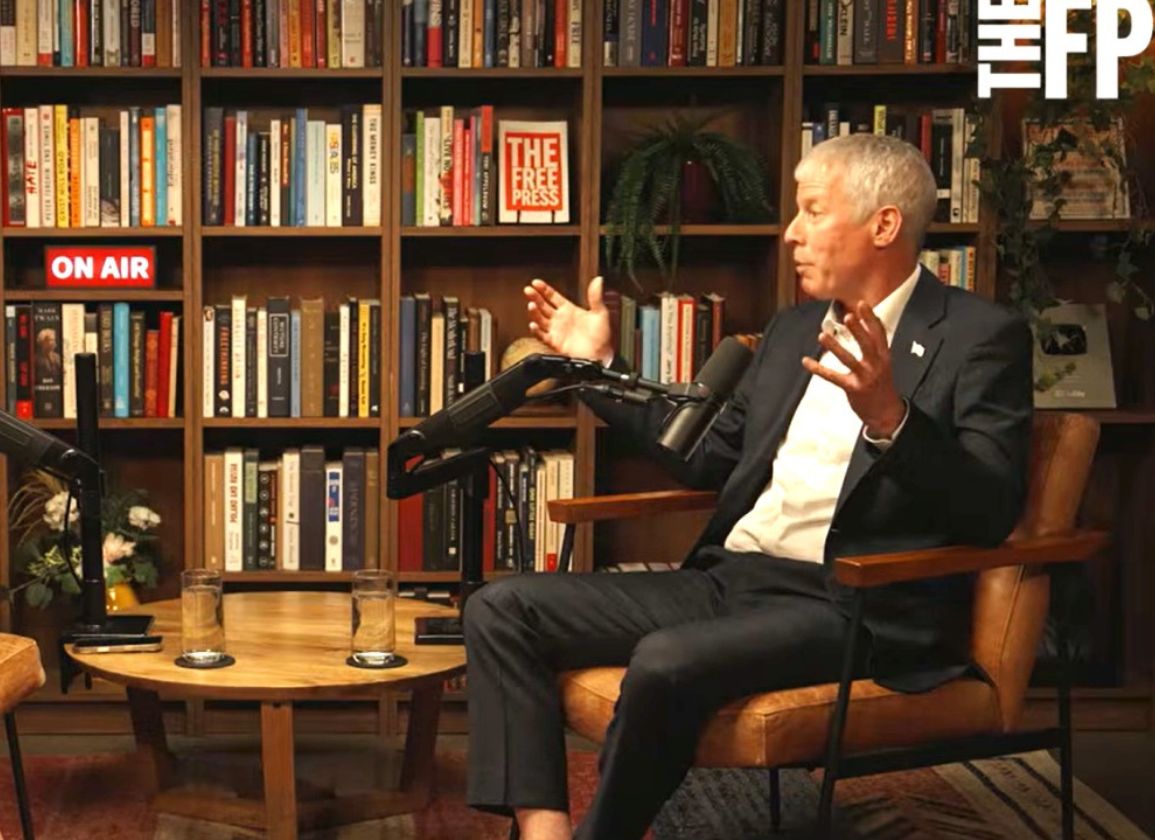
Lucy Biggers meets Chris Wright: “Trying to bring back common sense”
As Donald Trump’s Secretary of Energy, Chris Wright has made ‘energy abundance’ the central idea behind his approach to America’s energy policy. Converted climate activist Lucy Biggers recently interviewed Wright for The Free Press.
News
Trump tells US power plants to emit as much CO2 as they want
The EPA (Environmental Protection Agency) has announced that they will scrap the limits set for ‘climate pollution’ from US power plants. Jo Nova thinks that the mission creep of bureaucrats may finally be coming to an end: Slaying the Bureaucratic Blob.
How Much of a Threat Are Melting Ice Sheets and Glaciers?
The recent tragic Himalayan flash flood (the source was actually a landslide of the underlying bedrock) has brought to the fore an important question, says Ralph Alexander. How much do we need to be concerned about melting ice, from both glaciers and ice sheets?
Norway keeps on drilling in the Arctic
Norway’s Minister of Energy Terje Aasland has told Reuters that his country will keep developing oil and gas in the Barents Sea irrespective of a European Union (EU) ban on Arctic drilling.
Was 2026 really the “hottest summer on record” in the United States?
Summer 2026 was the “warmest on record” in the US based on average daily temperatures. But not when measured by average daily maximum temperatures, says Chris Martz. Furthermore, there are legitimate concerns about the adjustments NOAA applies to its raw data.
Press Blames Climate Change for Bear Encounters
Some news media now blame climate change for bears breaking into cars and homes in Colorado. They are promoting the catastrophe narrative of climate change in any way they can, regardless of nuances, says Linnea Lueken.
Lucy Biggers meets Chris Wright: “Trying to bring back common sense”
As Donald Trump’s Secretary of Energy, Chris Wright has made ‘energy abundance’ the central idea behind his approach to America’s energy policy. Converted climate activist Lucy Biggers recently interviewed Wright for The Free Press.

