


latest news

Wildfires in Spain have decreased over the last 50 years
According to a recent study, global fire numbers, intensity, and burned area declined overall from 2003 to 2023. Spain has been no exception, says Fernando del Pino Calvo Sotelo. According to the Ministry of Ecological Transition itself, the area burned by fires over the past 50 years has also decreased.

Supreme Court Justice Gave Bogus Science a Blind Endorsement
Supreme Court Justice Elena Kagan has written the foreword for the Federal Judicial Center’s Reference Manual on Scientific Evidence without reading a chapter on climate change that was eventually removed – and has yet to read it.

EU’s Pretense of ‘Transition’ Leadership Is an Economic Loser
The European effort to advance renewables is incinerated almost instantly by the combustion of fossil fuels elsewhere, says Samuel Furfari. It also leads to economic decline.

Is Britain’s New Energy Secretary Even Crazier than Mad Ed?
The new Energy secretary of the UK, Miatta Fahnbulleh, wants full Net Zero by 2030.
| Climate change | 288 |
| Climate policy | 262 |
| CO₂ | 186 |
| Energy transition | 174 |
| Climate Science | 170 |
| Net Zero | 134 |
| see more close table | |
Analysis of IPCC report
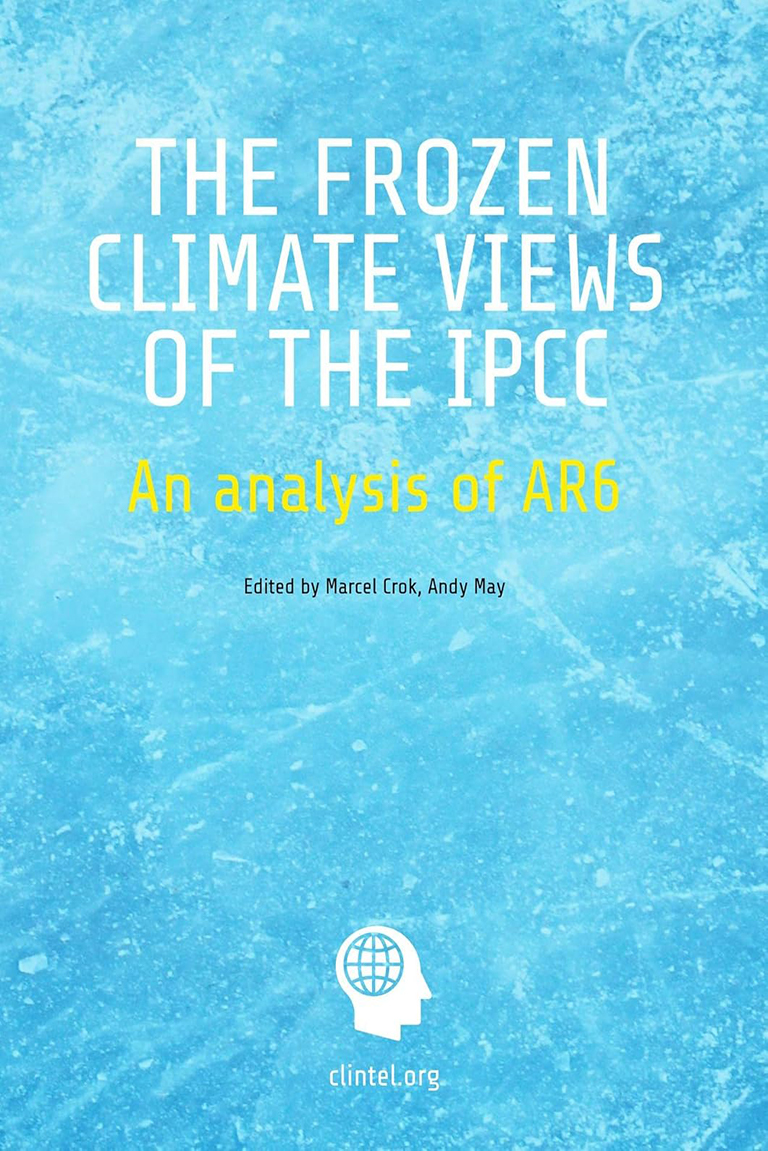
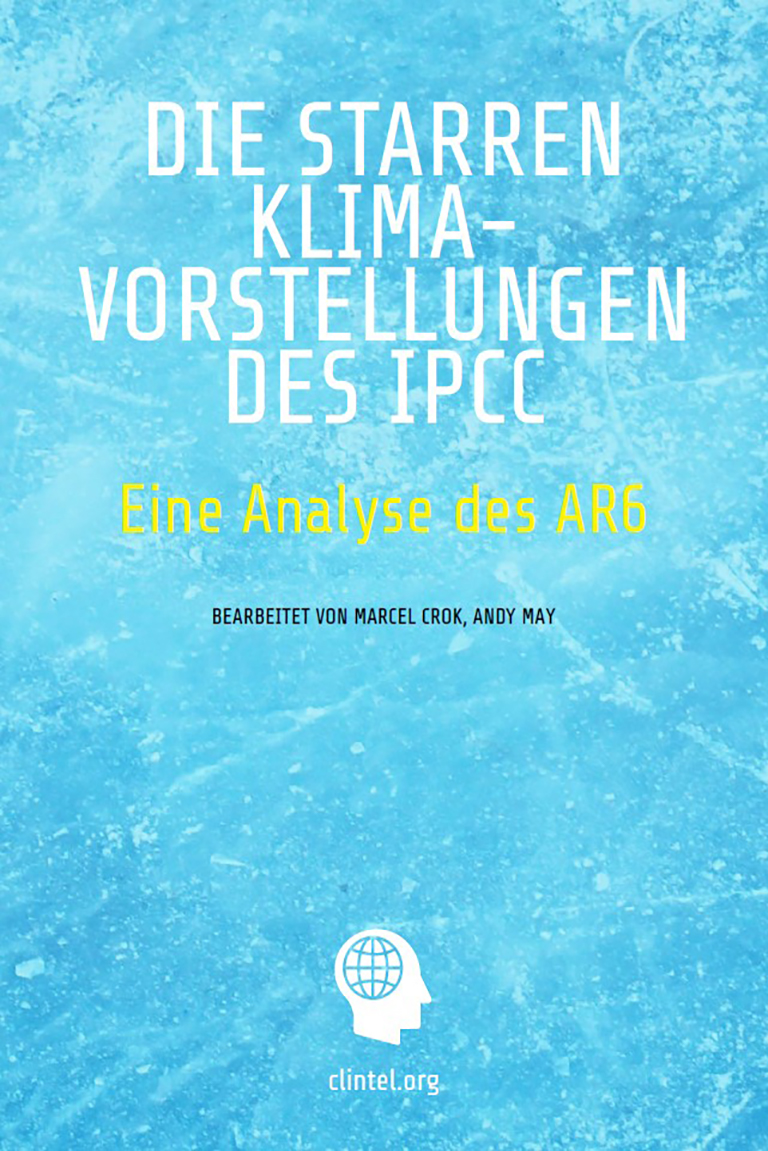
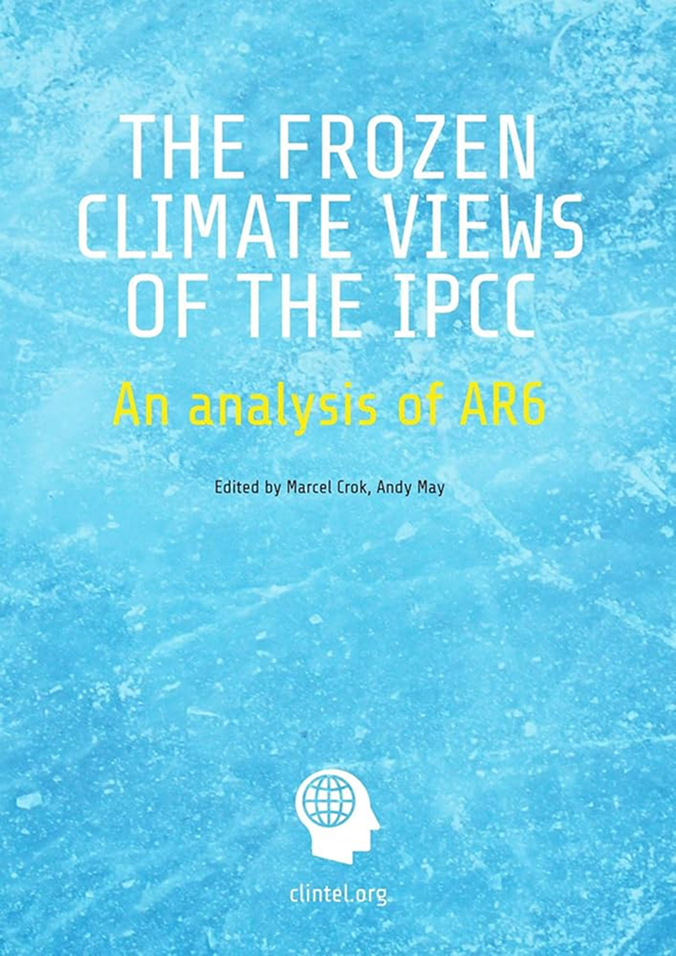
The Frozen Climate Views of the IPCC
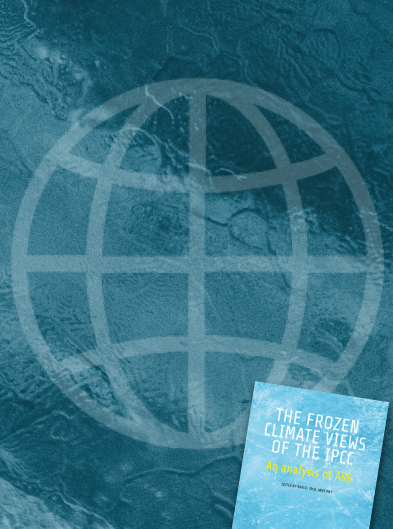
The Clintel Foundation has published the book The Frozen Climate Views of the IPCC. It’s by far the most important work of its existence. In thirteen chapters we indicate per theme whether the IPCC has done its work well. In short, we conclude that the IPCC has made several serious mistakes.
ABOUT CLINTEL
Climate Intelligence Foundation
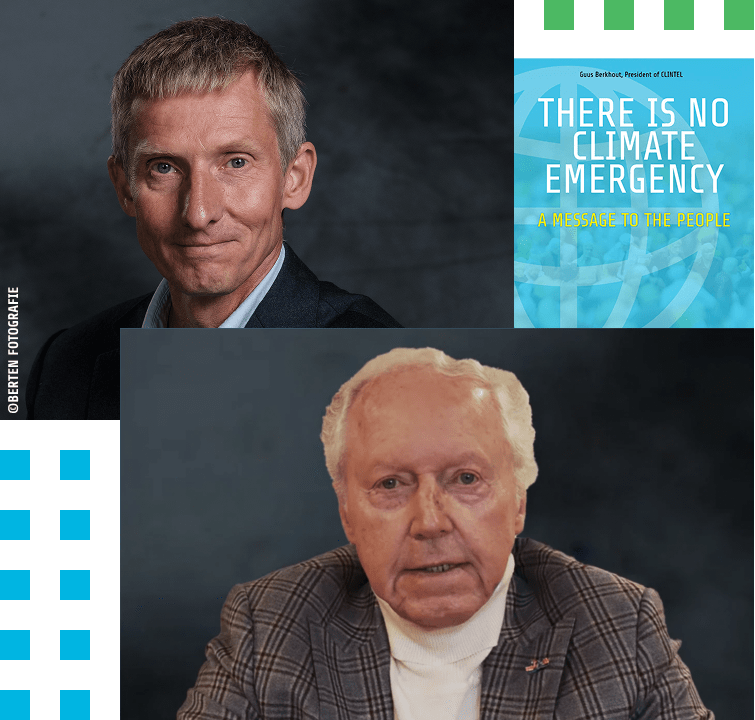
Climate Intelligence (Clintel) is an independent foundation informing people about climate change and climate policies. Clintel was founded in 2019 by emeritus professor of geophysics Guus Berkhout and science journalist Marcel Crok. Clintel’s main objective is to generate knowledge and understanding of the causes and effects of climate change as well as the effects of climate policy on the economy and the environment.

latest news

Deployable Energy’s new compact nuclear reactor
The American company Deployable Energy has developed a compact nuclear reactor in a very short space of time. Energy and climate expert Andy May is enthusiastic about it.

The Energy Nobody Counts
We spend a great deal of time discussing how much energy our electricity systems can “produce” but far less attention is given to a different question: how much energy does it take to build them in the first place? Energy expert dr. Lars Schernikau explains why this is important.
the latest IPCC report
The Frozen Climate Views of the IPCC
The Clintel Foundation has contributed to the publication of the book The Frozen Climate Views of the IPCC by far the most important work of its existence. In thirteen chapters we indicate per theme whether the IPCC has done its work well. In short, we conclude that the IPCC has made several serious mistakes.
ABOUT CLINTEL
Climate Intelligence Foundation
Climate Intelligence (Clintel) is an independent foundation informing people about climate change and climate policies. Clintel was founded in 2019 by emeritus professor of geophysics Guus Berkhout and science journalist Marcel Crok. Clintel’s main objective is to generate knowledge and understanding of the causes and effects of climate change as well as the effects of climate policy on the economy and the environment.

