

latest news
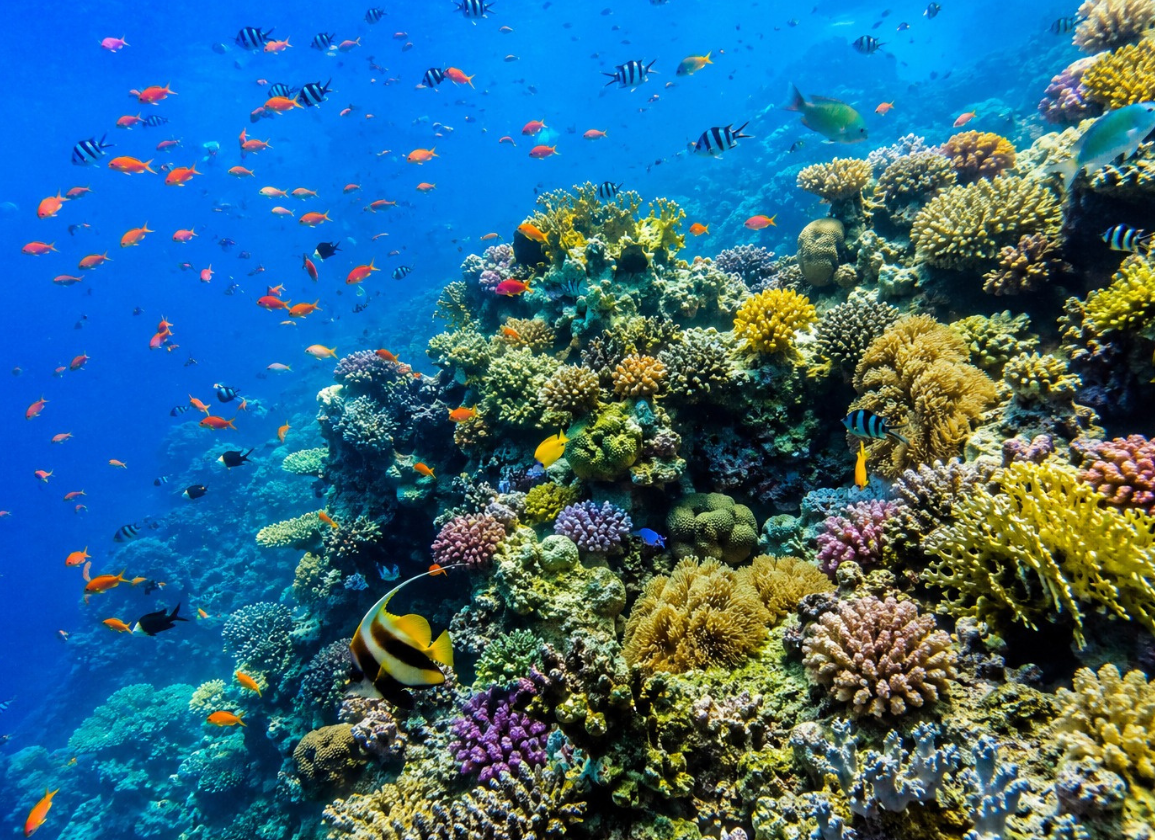
Ocean “Acidification” – Another Fake Scare That Won’t Go Away
The whole “ocean acidification” thing is no more than an effort to play on the idea that people will find the word “acid” scary, says Francis Menton.
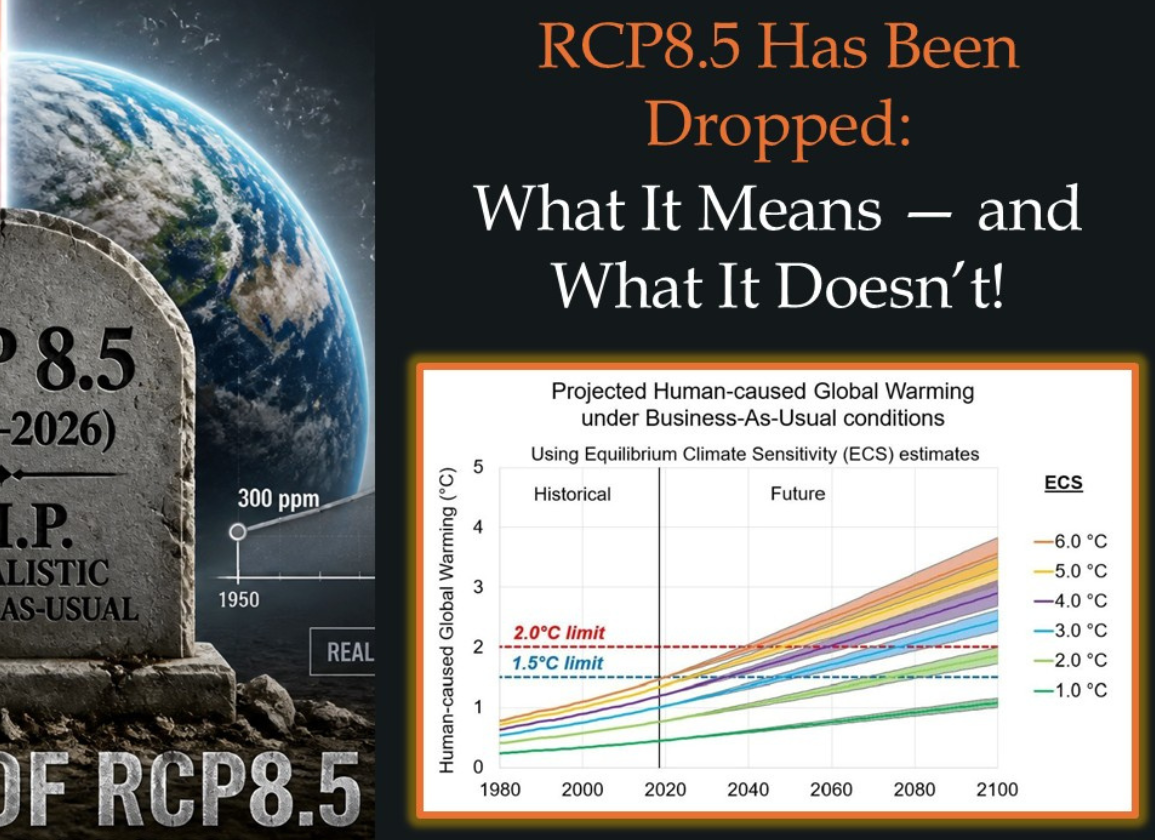
RCP8.5 Has Been Dropped: What It Means — and What It Doesn’t
Dropping RCP8.5 is a step in the right direction but the CERES Team fears that it’s only a small step. The IPCC still looks set to be relying on the current climate computer models for their “climate change projections”. Even using a more realistic “business-as-usual” emissions scenario, their models are still going to simulate dramatic “human-caused global warming”.

The WHO is at it Again: Climate Change Repackaged as a Health Emergency
The climate-health linkage is only the latest iteration of an age-old pattern of authoritarians who claim expert knowledge to order people’s lives onto the road to serfdom, says Tilak Doshi.
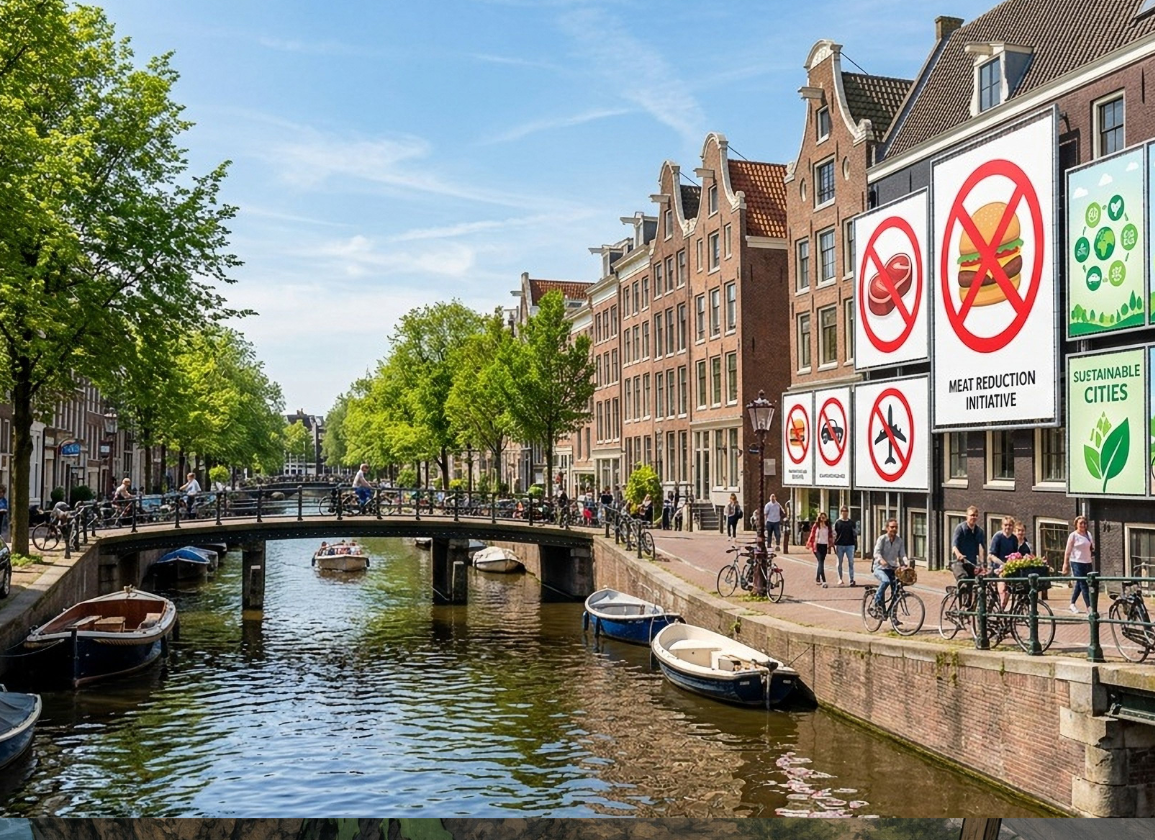
Amsterdam Ad Ban Typifies Climate Alarmism’s Farce
Amsterdam just became the world’s first capital to outlaw public ads for both meat and fossil fuels. But advertising bans serve only to boost a feeling of moral superiority among urban elites while achieving nothing and jeopardizing much, says Vijay Jayaraj.
| Climate change | 209 |
| Climate policy | 195 |
| Energy transition | 161 |
| CO₂ | 148 |
| Climate Science | 116 |
| Net Zero | 75 |
| see more close table | |
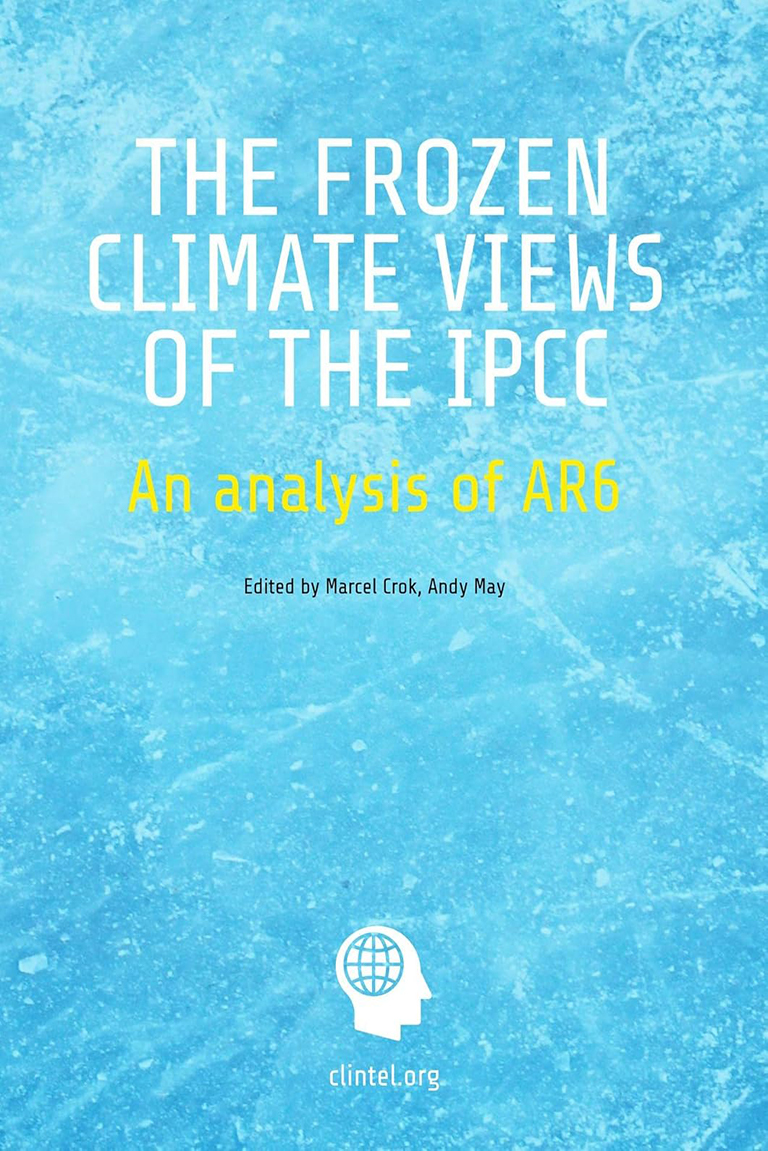
Analysis of IPCC report
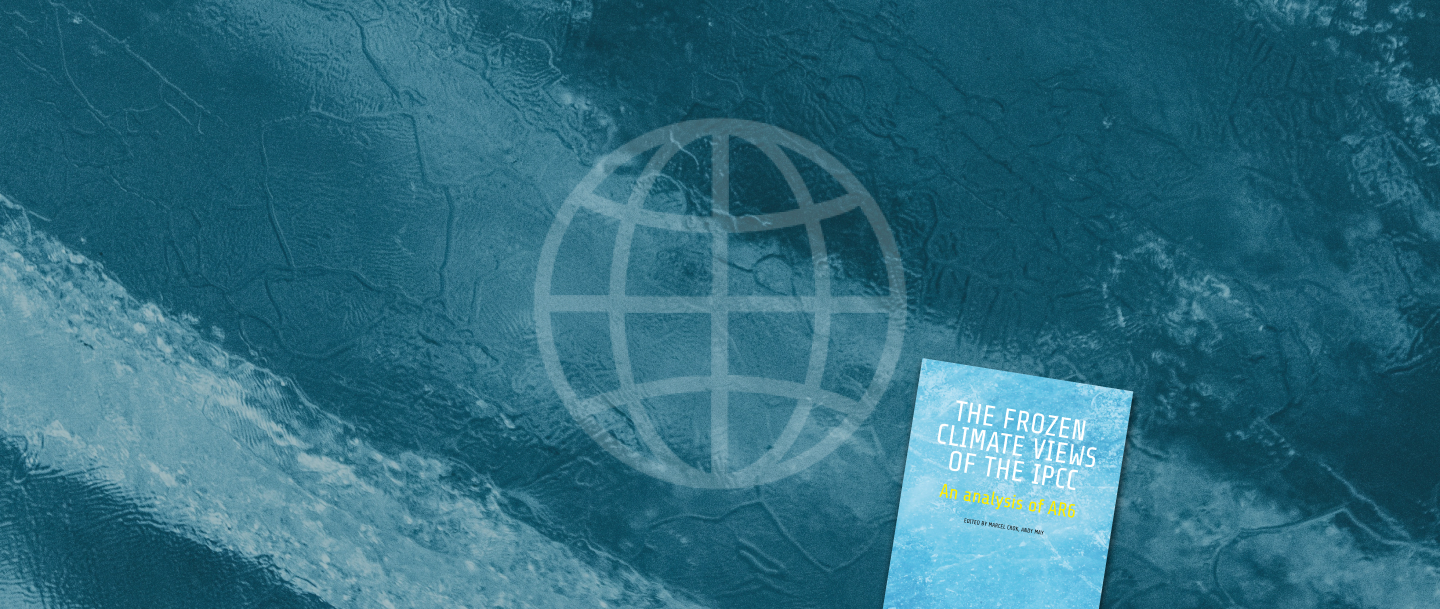
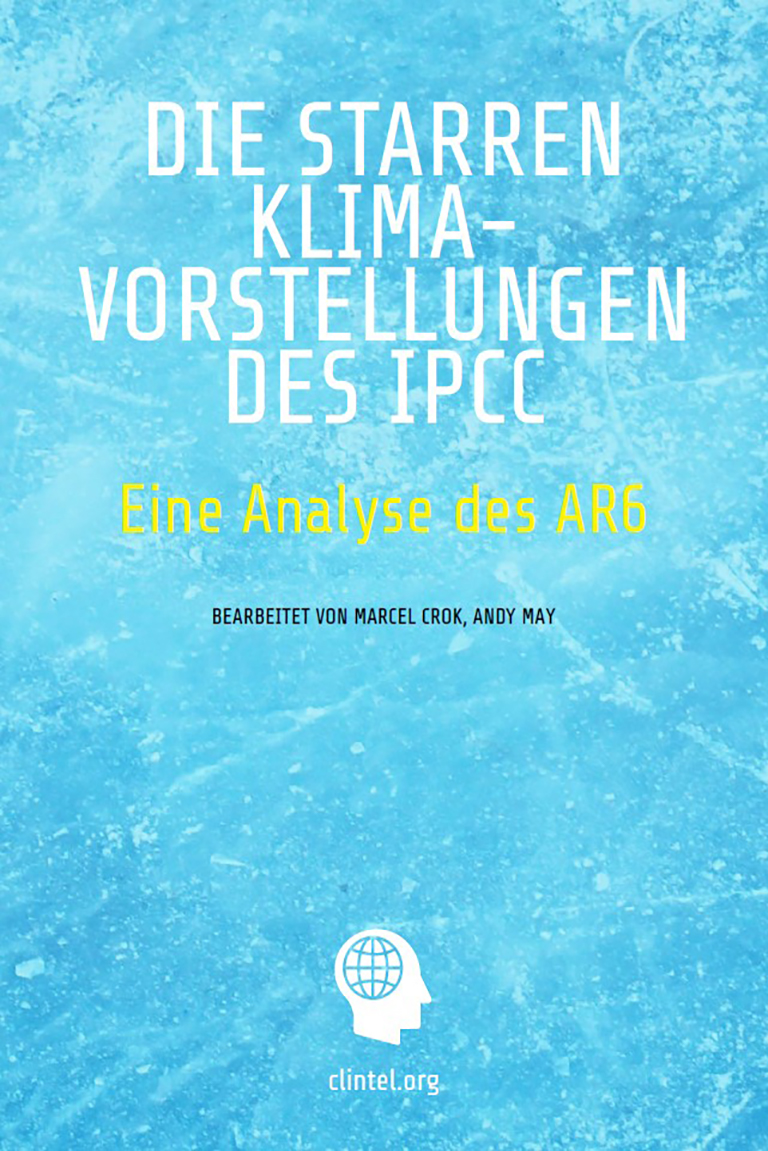
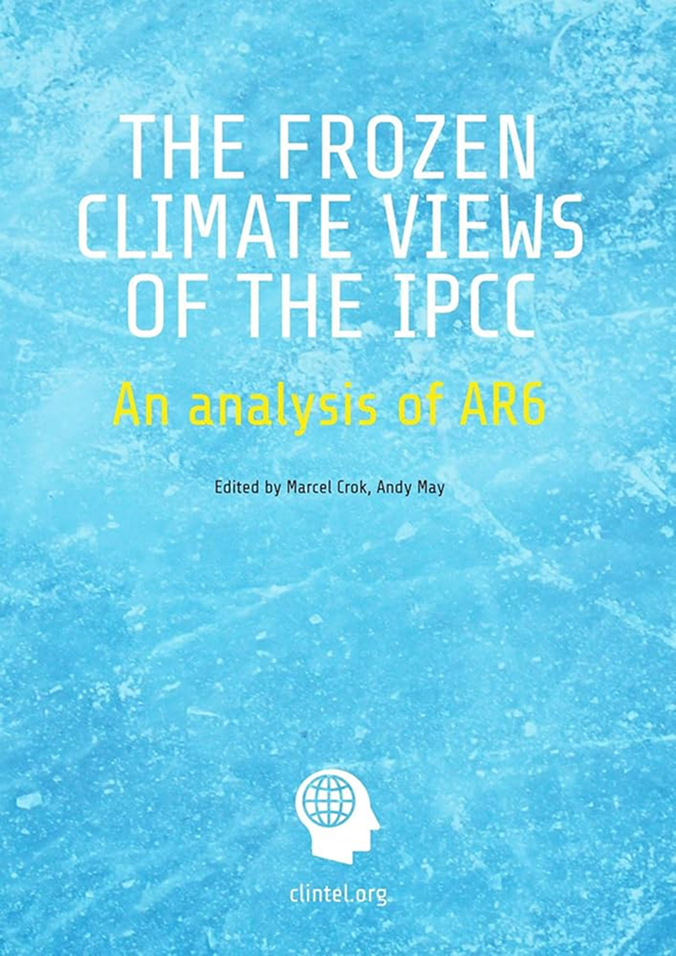
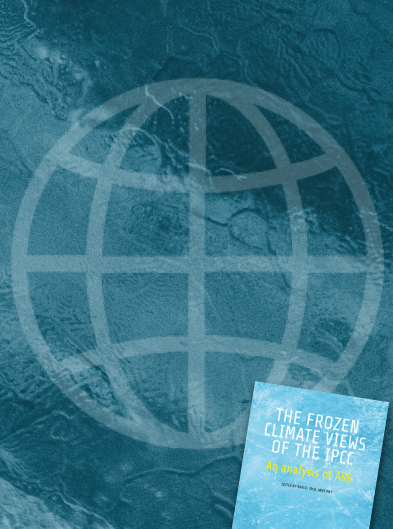
The Frozen Climate Views of the IPCC
The Clintel Foundation has published the book The Frozen Climate Views of the IPCC. It’s by far the most important work of its existence. In thirteen chapters we indicate per theme whether the IPCC has done its work well. In short, we conclude that the IPCC has made several serious mistakes.
ABOUT CLINTEL
Climate Intelligence Foundation
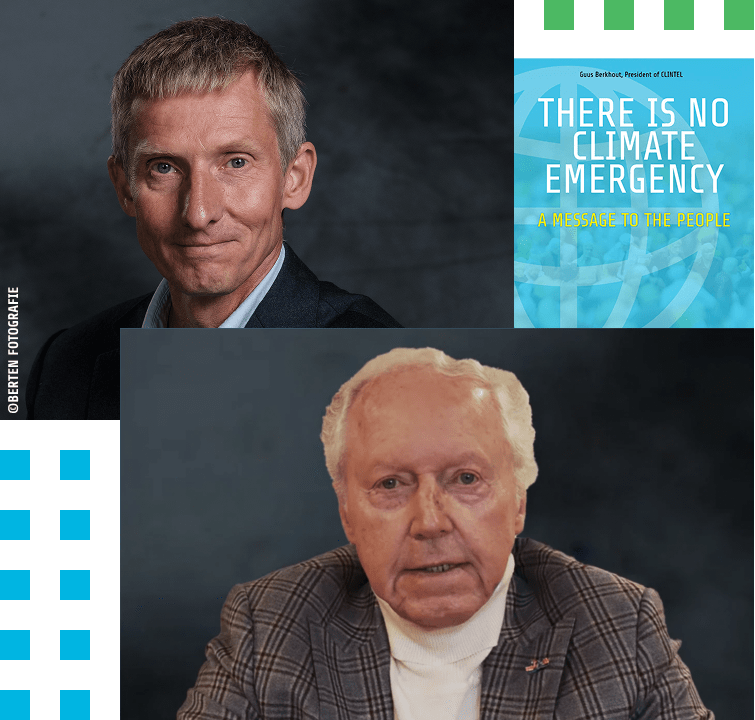
Climate Intelligence (Clintel) is an independent foundation informing people about climate change and climate policies. Clintel was founded in 2019 by emeritus professor of geophysics Guus Berkhout and science journalist Marcel Crok. Clintel’s main objective is to generate knowledge and understanding of the causes and effects of climate change as well as the effects of climate policy on the economy and the environment.
latest news

Matthew Wielicki on Climate Debrief: “The human condition has never been better”
Students were crying during conversations about the future, their fears largely driven by repeated exposure to highly negative messaging about climate change, recalls ‘professor in exile’ Matthew Wielicki on the Climate Debrief Podcast. He encourages young people to approach environmental and climate concerns with balance, optimism, and practical action rather than despair.
Twenty years after the Stern Review
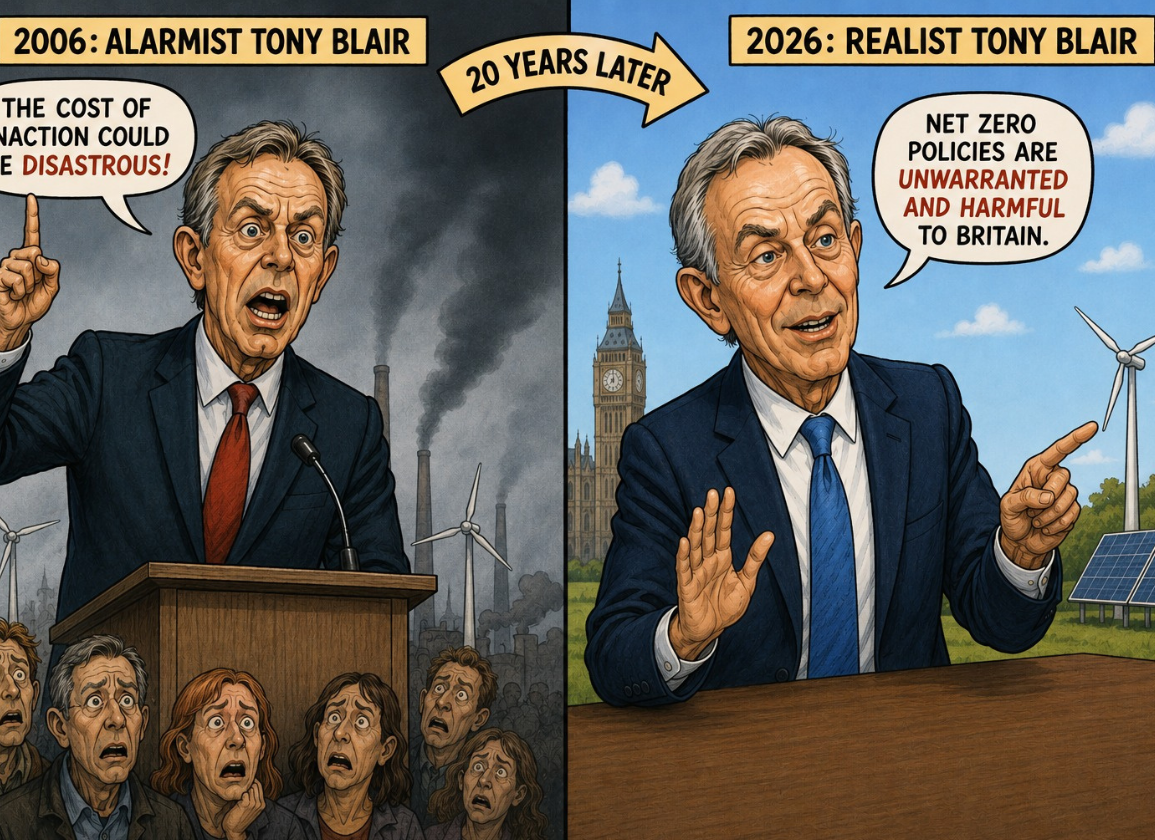
It’s now 20 years since the publication of the Stern Review on the Economics of Climate Change. This review began the UK-drive towards the crazy carbon-phobic policies which are helping to impoverish the nation, aided by unrealistic scenarios. Today, even Tony Blair can perceive that the pursuit of Net Zero is unwarranted and harmful to Britain.
the latest IPCC report
The Frozen Climate Views of the IPCC
The Clintel Foundation has contributed to the publication of the book The Frozen Climate Views of the IPCC by far the most important work of its existence. In thirteen chapters we indicate per theme whether the IPCC has done its work well. In short, we conclude that the IPCC has made several serious mistakes.
ABOUT CLINTEL
Climate Intelligence Foundation
Climate Intelligence (Clintel) is an independent foundation informing people about climate change and climate policies. Clintel was founded in 2019 by emeritus professor of geophysics Guus Berkhout and science journalist Marcel Crok. Clintel’s main objective is to generate knowledge and understanding of the causes and effects of climate change as well as the effects of climate policy on the economy and the environment.

