

latest news
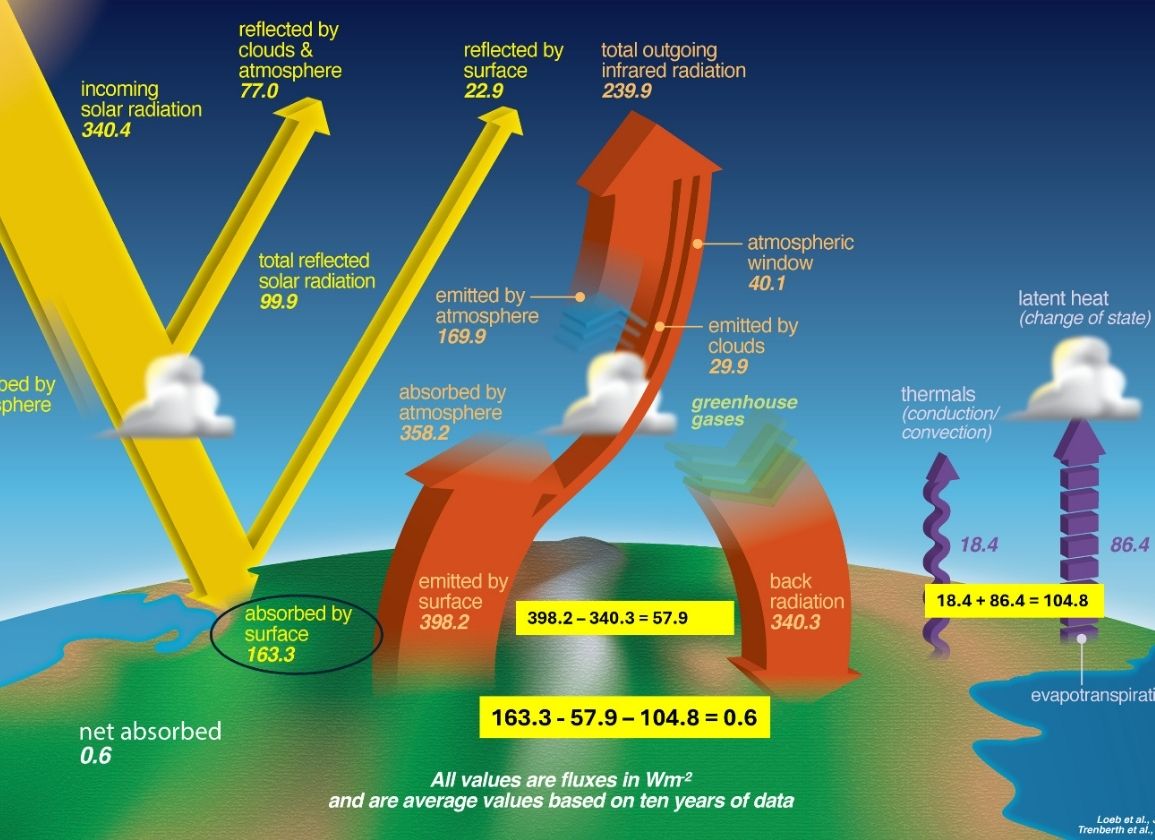
TOA EEI versus Surface Net Flux
Explore how climate scientist Andy May analyzes the relationship between TOA energy imbalance and surface net flux, challenging common interpretations in climate science.

Met Office temperature measurements unreliable and systematically biased
The article below by Chris Morrison clearly demonstrates that the reliability of temperature measurements in the United Kingdom is seriously lacking. Based on detailed research, Dr Eric Huxter shows that a large share of recorded temperature spikes is not the result of natural variation, but of artificial influences at poorly located measurement stations. This raises fundamental questions about the quality of the underlying data used for climate reporting and policy decisions.
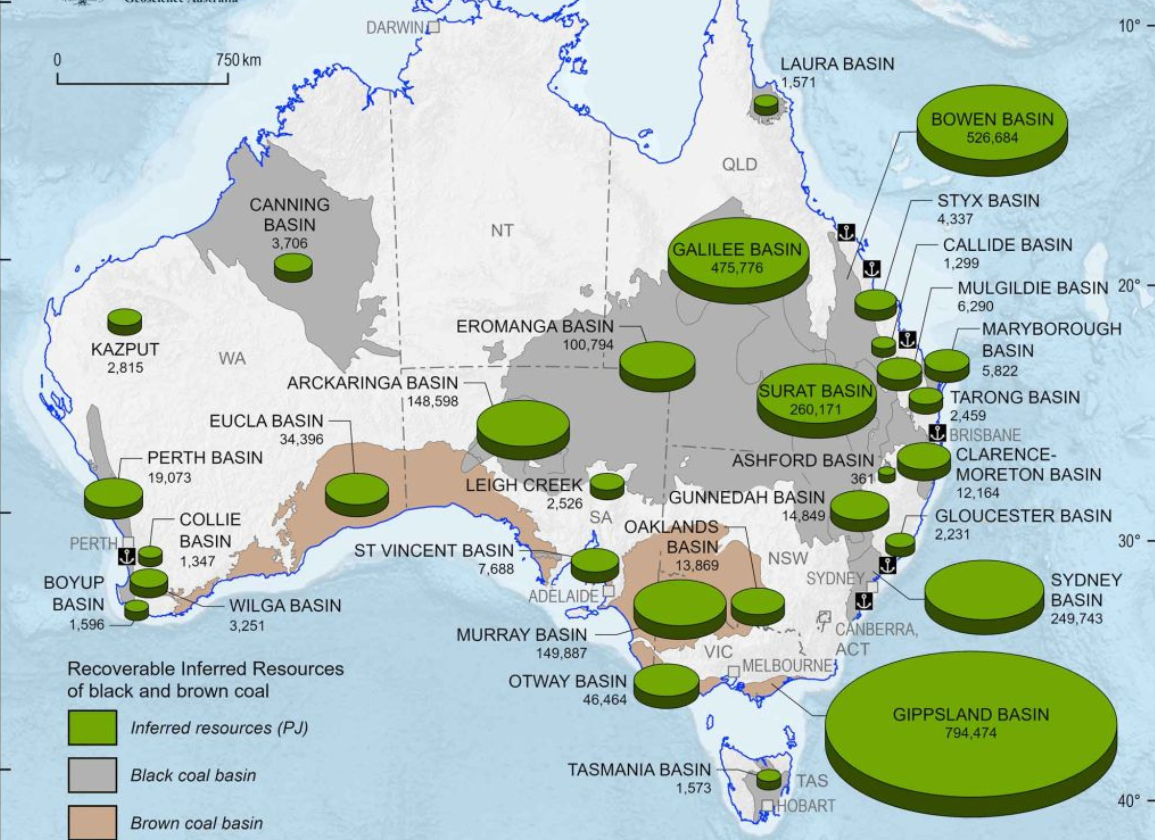
Australia wakes up to brown coal bonanza: 1,000 years of energy
Finally, we see a few key topics hitting the media in Australia, says Jo Nova. National Party leader Canavan even talks about the thousand-year supply of brown coal, and also about a method of turning coal to liquid fuel.
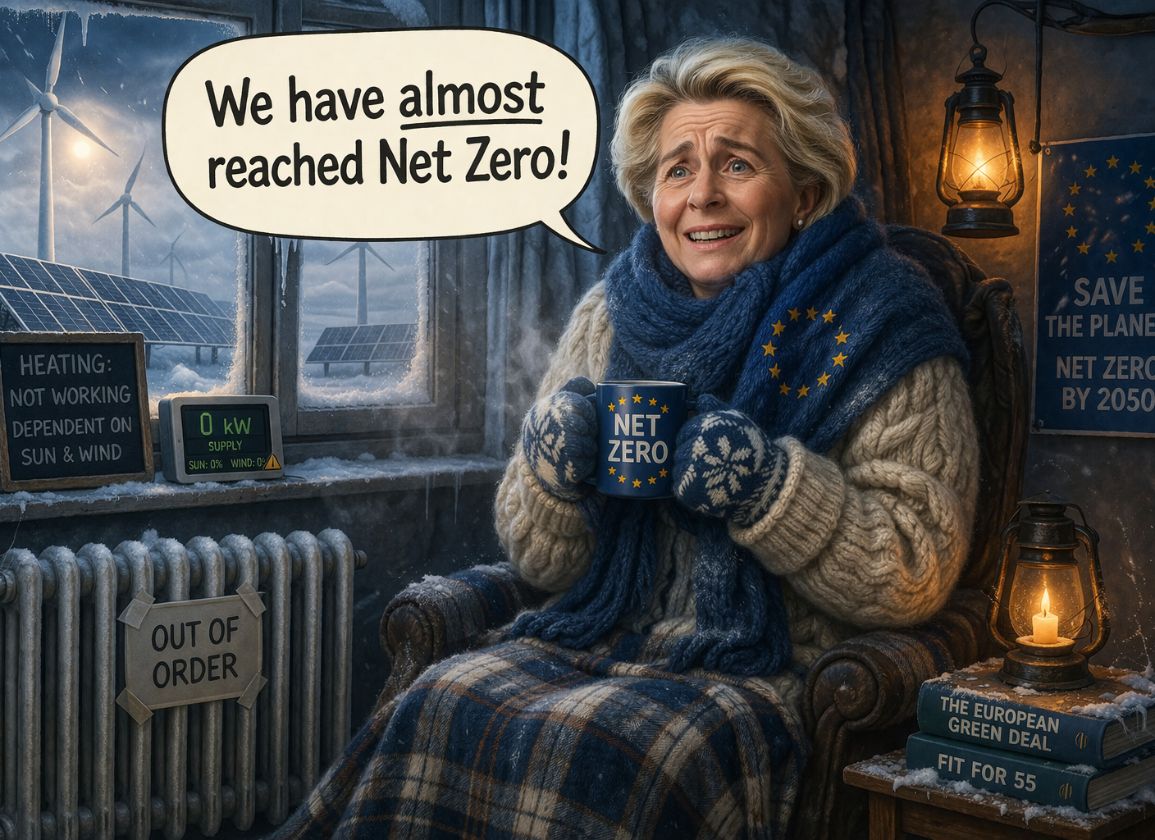
The Strait of Hormuz’s Bitter Lesson for the European Union
In May 2023, Ursula von der Leyen, President of the European Commission, declared that the fossil-fuel-based growth model is “simply obsolete.” The partial blockade of the Strait of Hormuz starkly exposes the irony of that statement, says Samuel Furfari.
| Climate change | 187 |
| Climate policy | 171 |
| Energy transition | 158 |
| CO₂ | 140 |
| Climate Science | 106 |
| global warming | 65 |
| see more close table | |
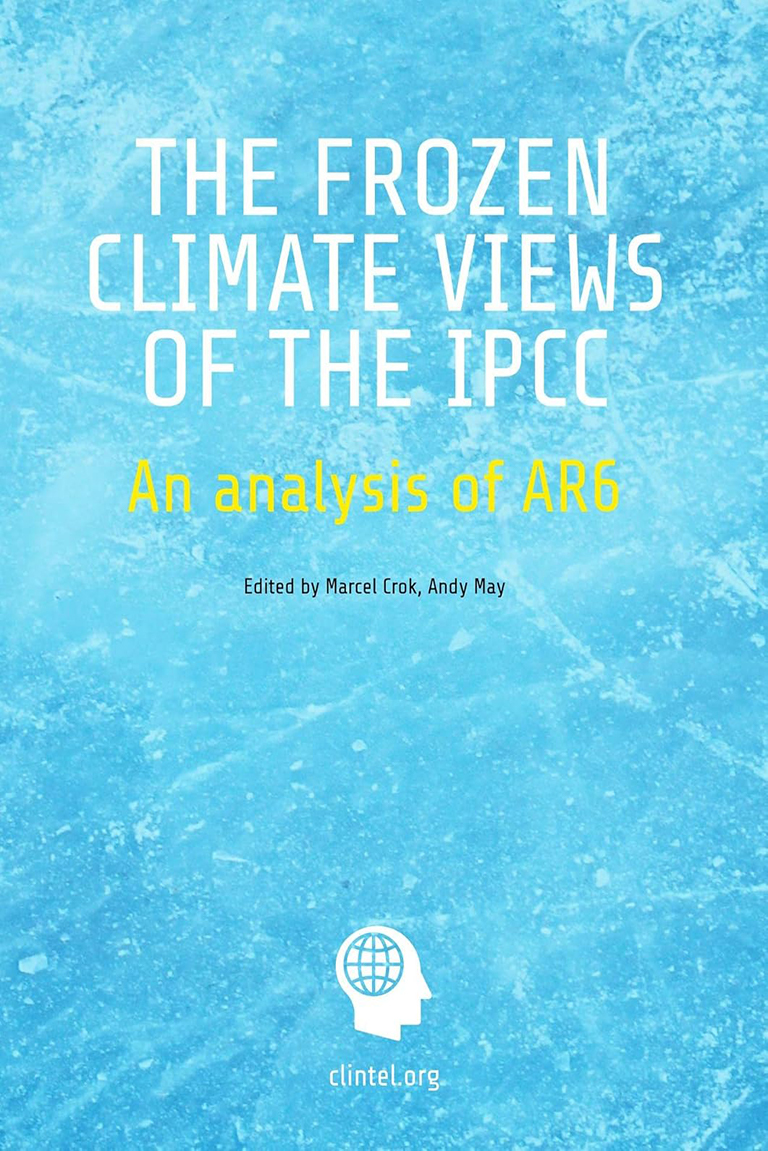
Analysis of IPCC report
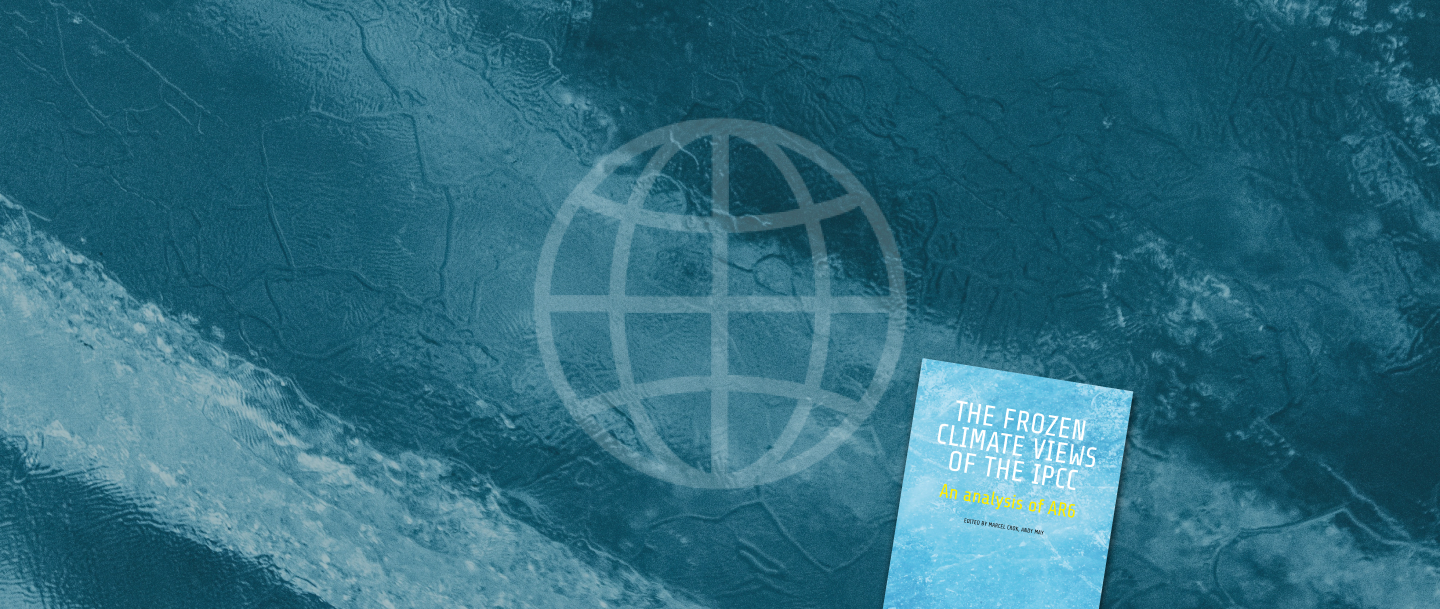
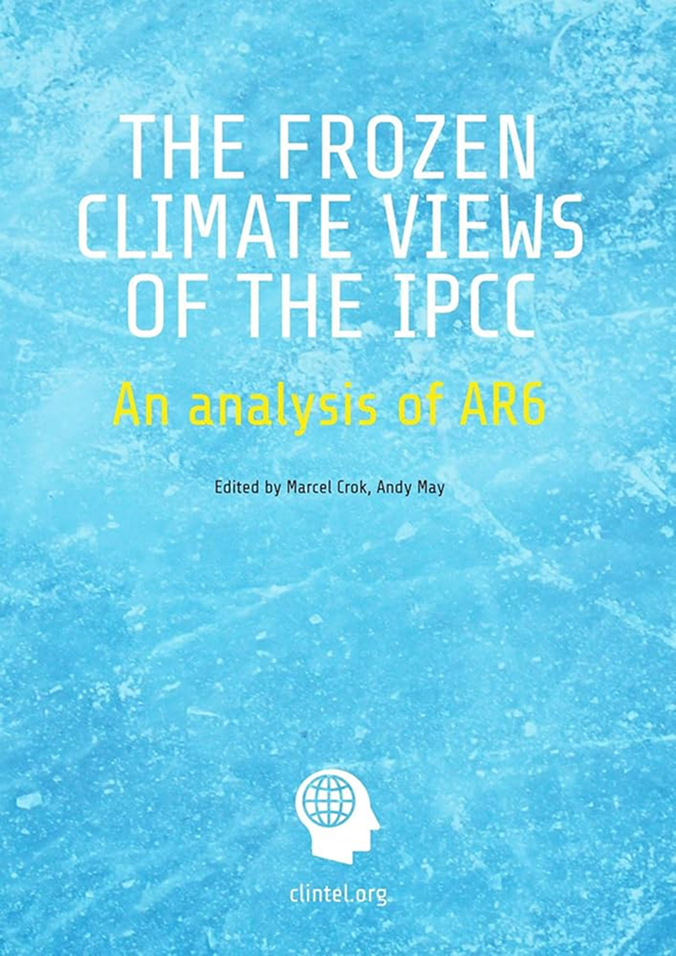
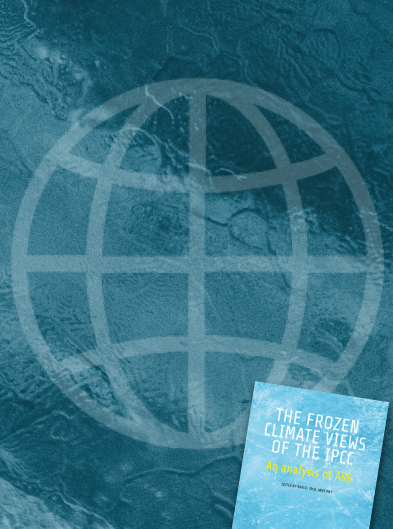
The Frozen Climate Views of the IPCC
The Clintel Foundation has published the book The Frozen Climate Views of the IPCC. It’s by far the most important work of its existence. In thirteen chapters we indicate per theme whether the IPCC has done its work well. In short, we conclude that the IPCC has made several serious mistakes.
ABOUT CLINTEL
Climate Intelligence Foundation
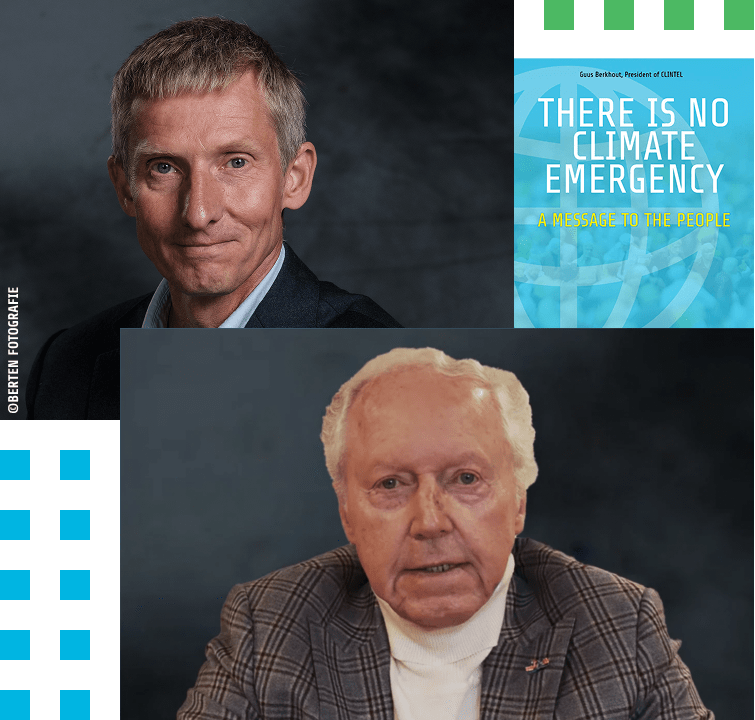
Climate Intelligence (Clintel) is an independent foundation informing people about climate change and climate policies. Clintel was founded in 2019 by emeritus professor of geophysics Guus Berkhout and science journalist Marcel Crok. Clintel’s main objective is to generate knowledge and understanding of the causes and effects of climate change as well as the effects of climate policy on the economy and the environment.
latest news
Germany’s Energy Minister Admits Renewable Energy is Ruining the Country
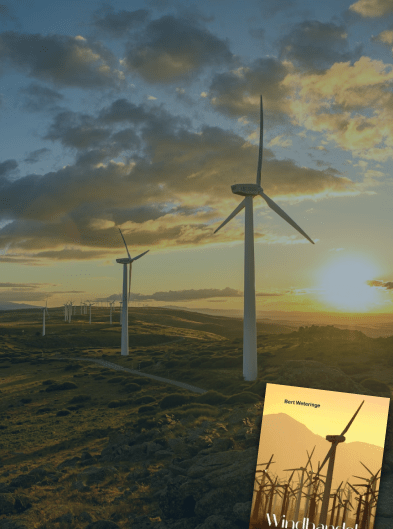
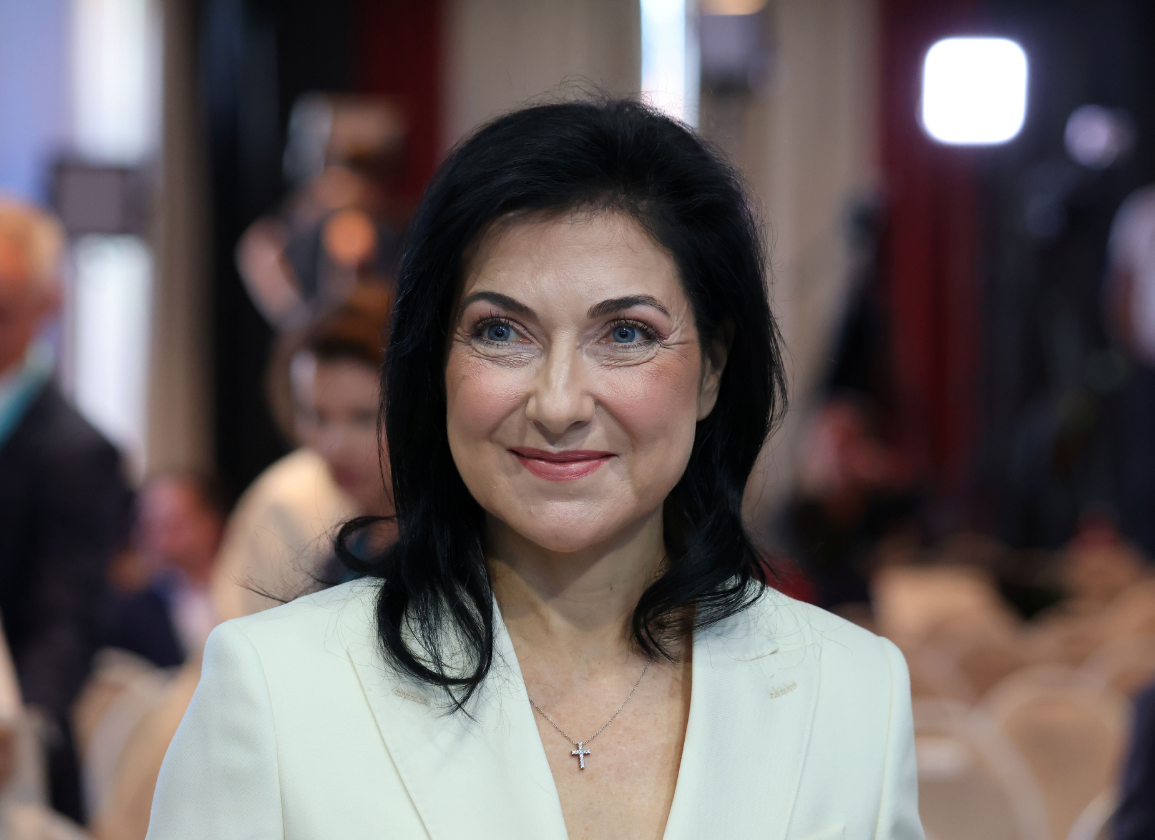
Germany’s Energy Minister recently delivered a verdict that would have been career-ending heresy only a year ago: “One fact has been concealed for too long: an energy transition that ignores system costs will ruin the country it claims to save.” So fifteen years after Merkel’s nuclear panic, reality is reasserting itself with the cold logic of physics and markets.
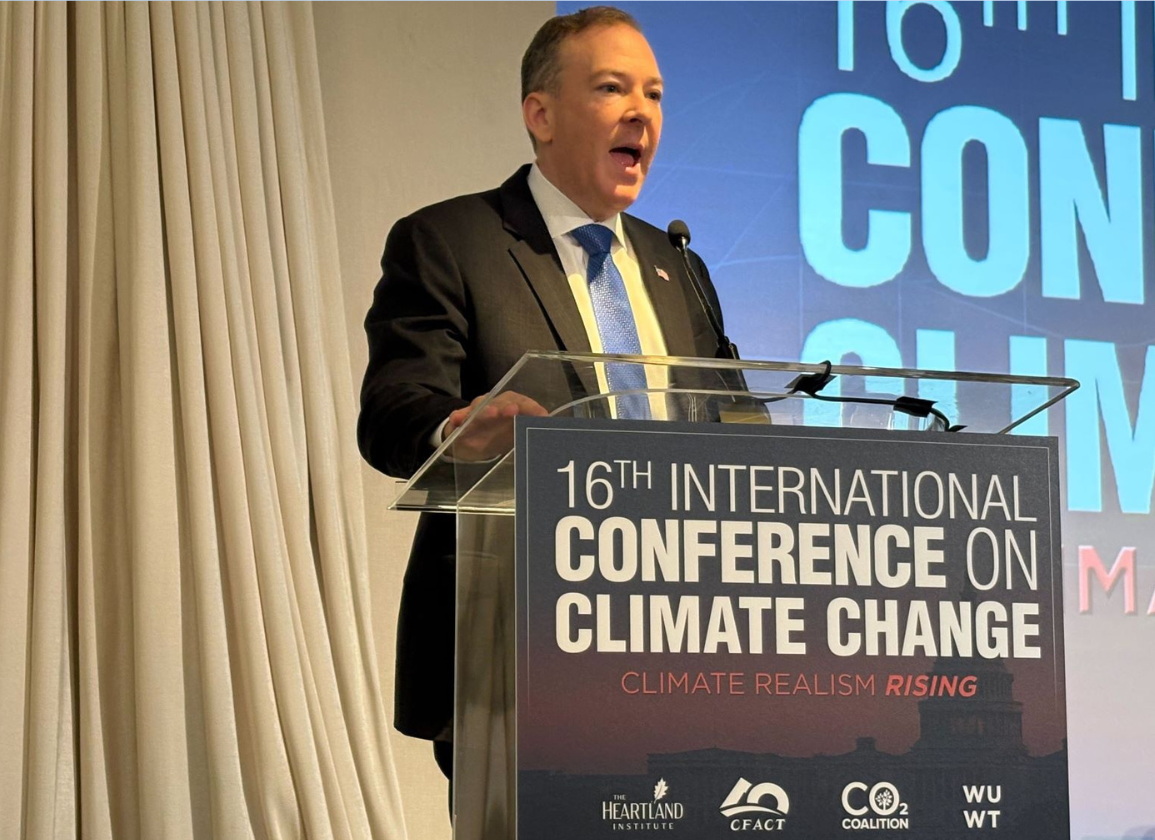
“Heartland Conference took the nation’s capital by storm”
Groups like the Heartland Institute, the CO2 Coalition and the Committee for a Constructive Tomorrow (CFACT) are enjoying unprecedented influence, was the media’s conclusion after the 16th International Conference on Climate Change in Washington DC.
the latest IPCC report
The Frozen Climate Views of the IPCC
The Clintel Foundation has contributed to the publication of the book The Frozen Climate Views of the IPCC by far the most important work of its existence. In thirteen chapters we indicate per theme whether the IPCC has done its work well. In short, we conclude that the IPCC has made several serious mistakes.
ABOUT CLINTEL
Climate Intelligence Foundation
Climate Intelligence (Clintel) is an independent foundation informing people about climate change and climate policies. Clintel was founded in 2019 by emeritus professor of geophysics Guus Berkhout and science journalist Marcel Crok. Clintel’s main objective is to generate knowledge and understanding of the causes and effects of climate change as well as the effects of climate policy on the economy and the environment.

