
News

Debate Challenge issued by Friends of Science to eponymous UN Group
As the Friends of Science Society celebrates its 24ᵗʰ year of operation, they issue a debate challenge on climate and Net Zero targets, to the upstart UN “Friends of Science” group, described in this report by Inside Climate News on the Bonn Climate Conference.

Filling German gas storage facilities before the heating season is going to be difficult
Will Germany's gas storage facilities be sufficient for the coming winter? In his latest newsletter, Dr. Fritz Vahrenholt analyzes the unusually low storage levels and explains why political decisions could increasingly jeopardize Germany's gas supply.
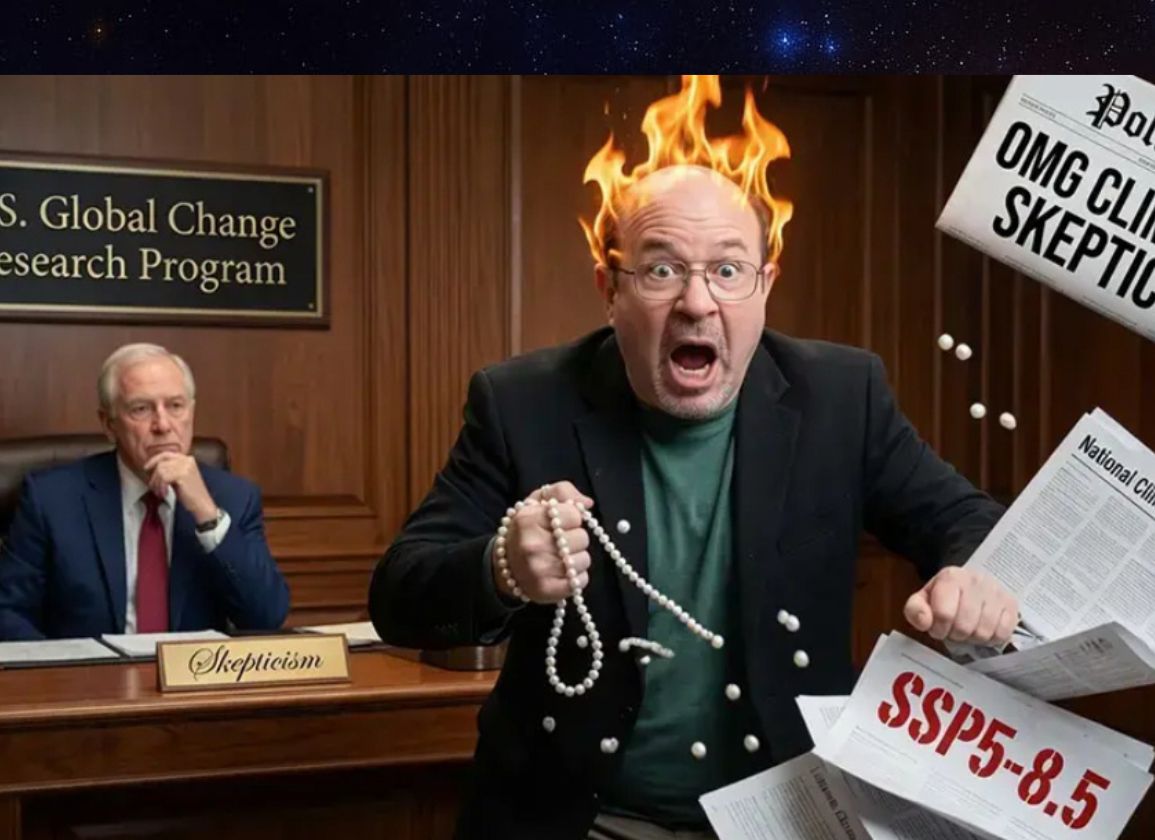
Trump Admin Hires Sceptic Matthew Wielicki to Run National Climate Assessment
The U.S. Global Change Research Program has a new boss: Dr. Matthew Wielicki. He is a former University of Alabama geochemist, a self-described professor in exile, who spends a fair amount of time questioning mainstream climate science online. He will now oversee the program’s flagship product, the congressionally mandated National Climate Assessment.
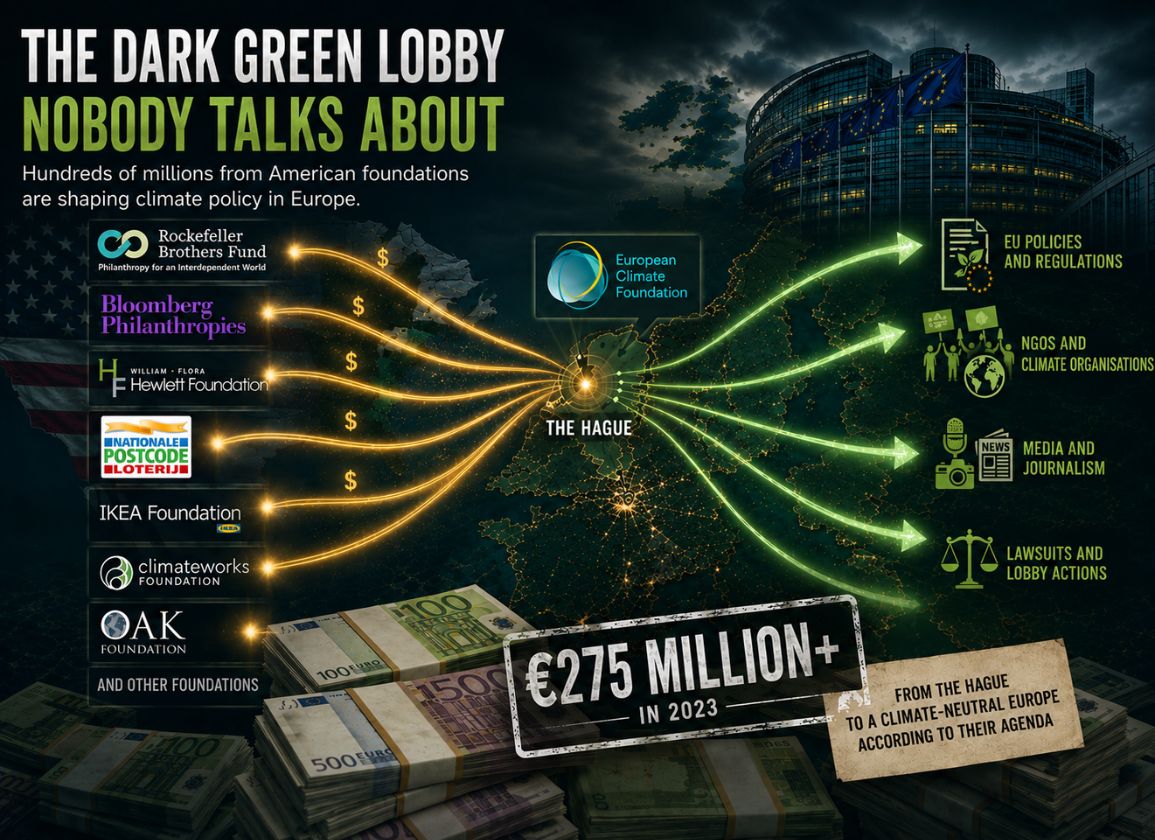
The dark green lobby that nobody talks about
There is a highly influential lobbying group in Europe, founded and based in The Hague, which you have never heard of: the European Climate Foundation. With an annual budget of hundreds of millions of euros, funded by American billionaires, it successfully lobbies for climate neutrality in Europe. Yet the media remains deafeningly silent on this group
Nicola Scafetta on Tom Nelson’s podcast: the limitations of global climate models
Nicola Scafetta recently talked about his new book Frontiers of Climate Science: Solar Variability, Cycles and Model Uncertainty on Tom Nelson’s podcast. The book is an attempt to encourage a broader discussion about the uncertainties that remain in climate science and the limitations of contemporary global climate models.
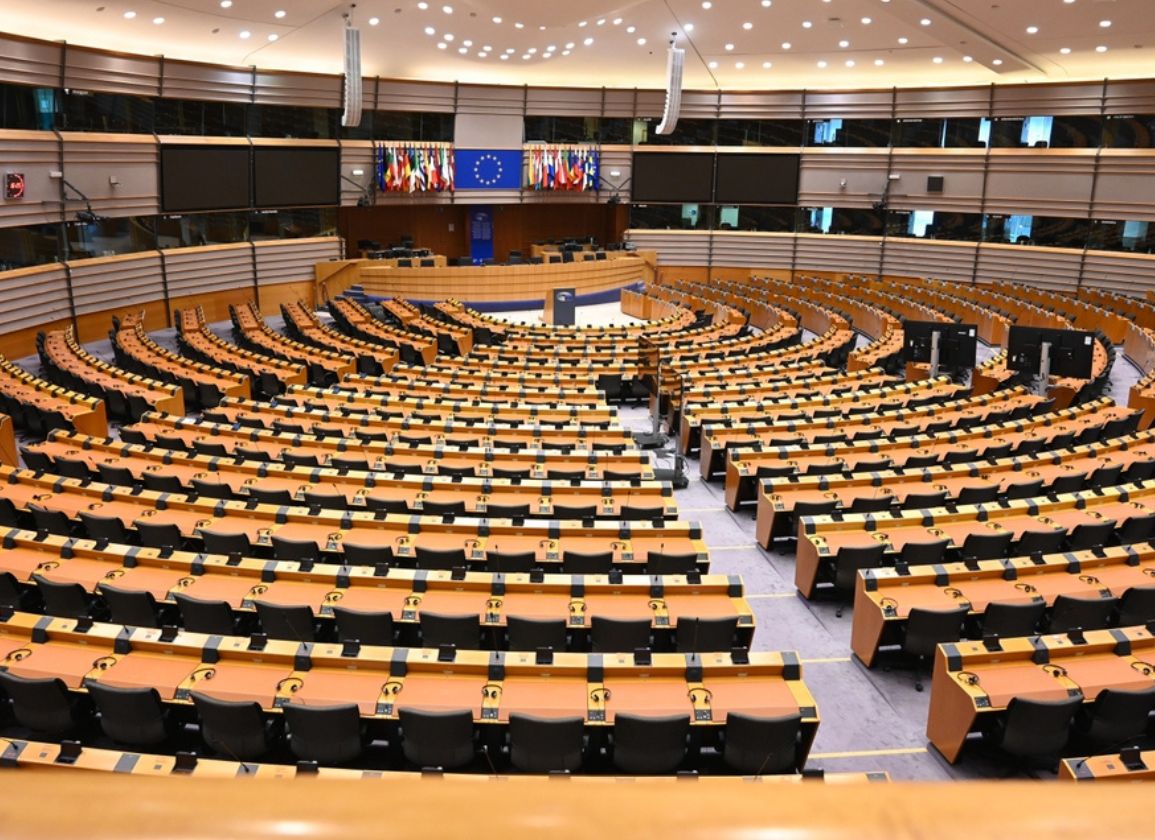
The Case for Abolishing the EU Emissions Trading System
For two decades, the EU Emissions Trading System (EU ETS) has been at the heart of the European Union's climate policy. Yet Samuel Furfari, former senior official at the European Commission's Directorate-General for Energy and emeritus professor of energy geopolitics, argues that the system rests on shaky legal foundations, undermines Europe's competitiveness and has evolved into an expensive political instrument. His conclusion is clear: the EU Emissions Trading System should be abolished.
News
Debate Challenge issued by Friends of Science to eponymous UN Group
As the Friends of Science Society celebrates its 24ᵗʰ year of operation, they issue a debate challenge on climate and Net Zero targets, to the upstart UN “Friends of Science” group, described in this report by Inside Climate News on the Bonn Climate Conference.
Filling German gas storage facilities before the heating season is going to be difficult
Will Germany's gas storage facilities be sufficient for the coming winter? In his latest newsletter, Dr. Fritz Vahrenholt analyzes the unusually low storage levels and explains why political decisions could increasingly jeopardize Germany's gas supply.
Trump Admin Hires Sceptic Matthew Wielicki to Run National Climate Assessment
The U.S. Global Change Research Program has a new boss: Dr. Matthew Wielicki. He is a former University of Alabama geochemist, a self-described professor in exile, who spends a fair amount of time questioning mainstream climate science online. He will now oversee the program’s flagship product, the congressionally mandated National Climate Assessment.
The dark green lobby that nobody talks about
There is a highly influential lobbying group in Europe, founded and based in The Hague, which you have never heard of: the European Climate Foundation. With an annual budget of hundreds of millions of euros, funded by American billionaires, it successfully lobbies for climate neutrality in Europe. Yet the media remains deafeningly silent on this group
Nicola Scafetta on Tom Nelson’s podcast: the limitations of global climate models
Nicola Scafetta recently talked about his new book Frontiers of Climate Science: Solar Variability, Cycles and Model Uncertainty on Tom Nelson’s podcast. The book is an attempt to encourage a broader discussion about the uncertainties that remain in climate science and the limitations of contemporary global climate models.
The Case for Abolishing the EU Emissions Trading System
For two decades, the EU Emissions Trading System (EU ETS) has been at the heart of the European Union's climate policy. Yet Samuel Furfari, former senior official at the European Commission's Directorate-General for Energy and emeritus professor of energy geopolitics, argues that the system rests on shaky legal foundations, undermines Europe's competitiveness and has evolved into an expensive political instrument. His conclusion is clear: the EU Emissions Trading System should be abolished.

