

latest news
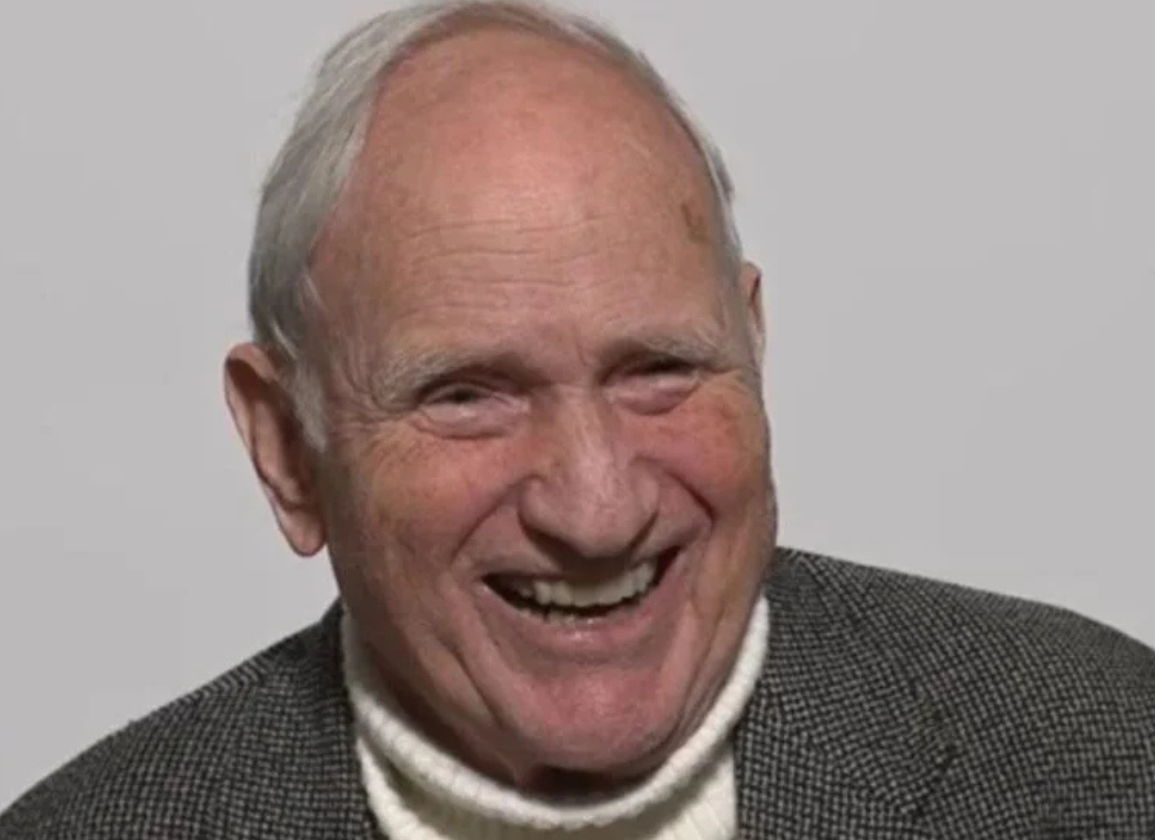
John Clauser at Heartland Conference: where is the proof?
Nobel Prize winner John Clauser was one of the speakers at last week’s International Conference on Climate Change. Clauser states that there is no proven climate crisis. He is a prominent signatory of Clintel’s World Climate Declaration.
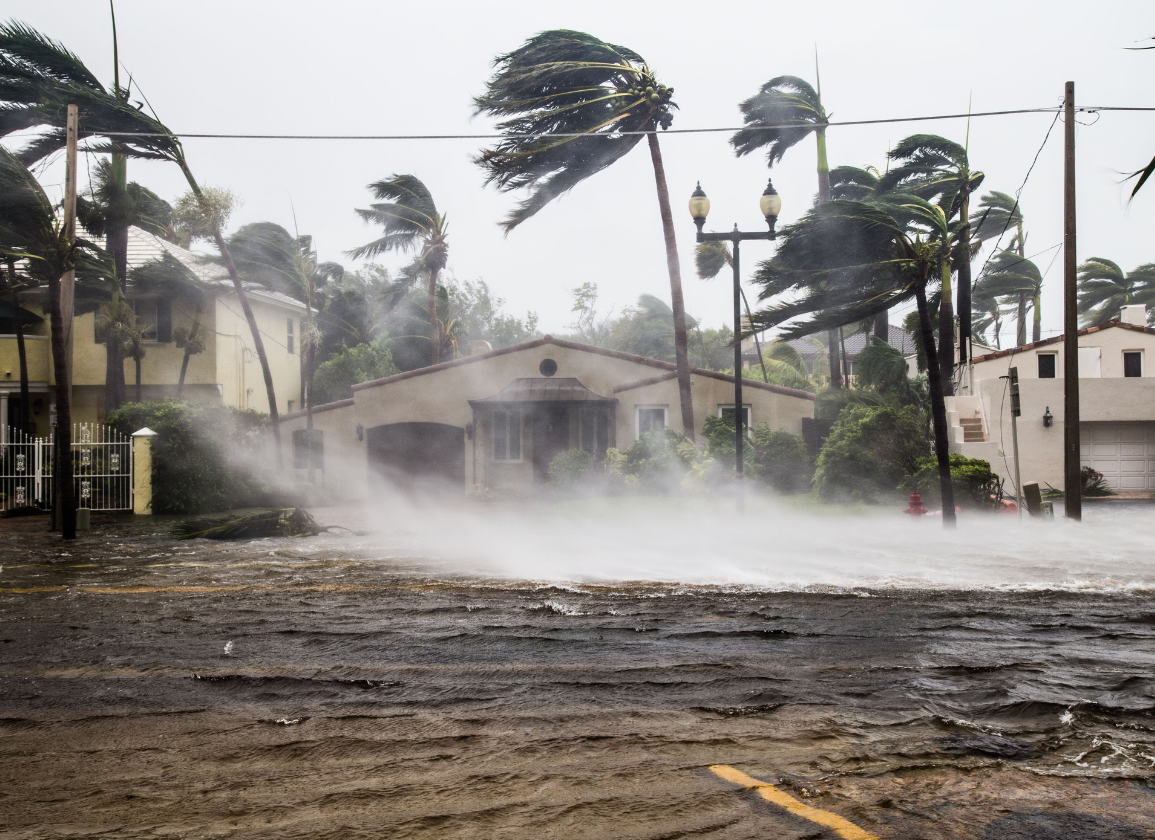
No, BBC, Disaster Losses Can’t Be Tied to Climate Change
Presenting trillion-dollar model outputs as settled economic fact is bad journalism and the BBC should be ashamed for presenting such easily falsified rubbish as fact. That’s the true disaster here.

India Helps US Repair ‘Green’ Wreckage
For the first time in 50 years, the United States is set to build a new oil refinery, marking a pivotal shift in its energy strategy, says Vijay Jayaraj. Rising at the Port of Brownsville, the project highlights a new U.S.–India partnership and a broader rethink of climate-driven energy policy.
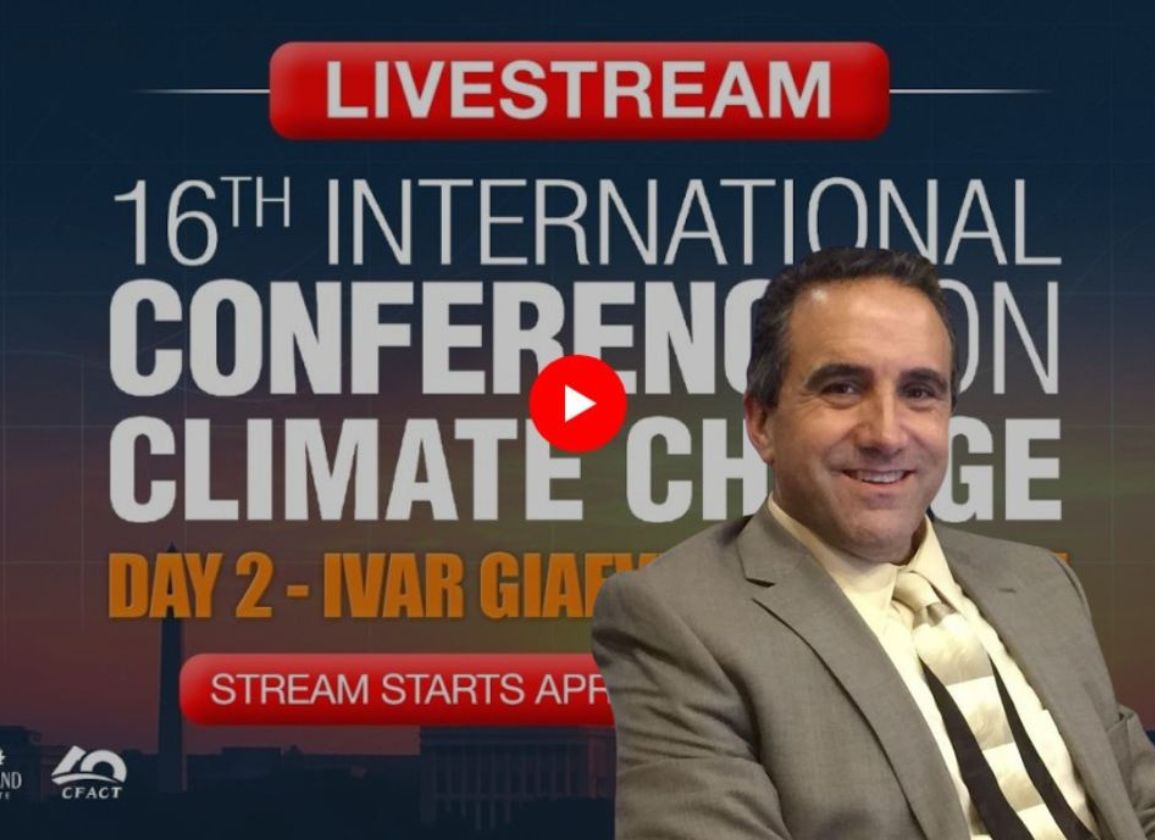
Marc Morano: the best time for climate realism in the last 50 years
At the 16th ICCC in Washington, D.C., Marc Morano argues that the global climate agenda is weakening, calling this the most promising moment for climate realism in the past 50 years.
| Climate change | 187 |
| Climate policy | 171 |
| Energy transition | 158 |
| CO₂ | 140 |
| Climate Science | 106 |
| global warming | 65 |
| see more close table | |
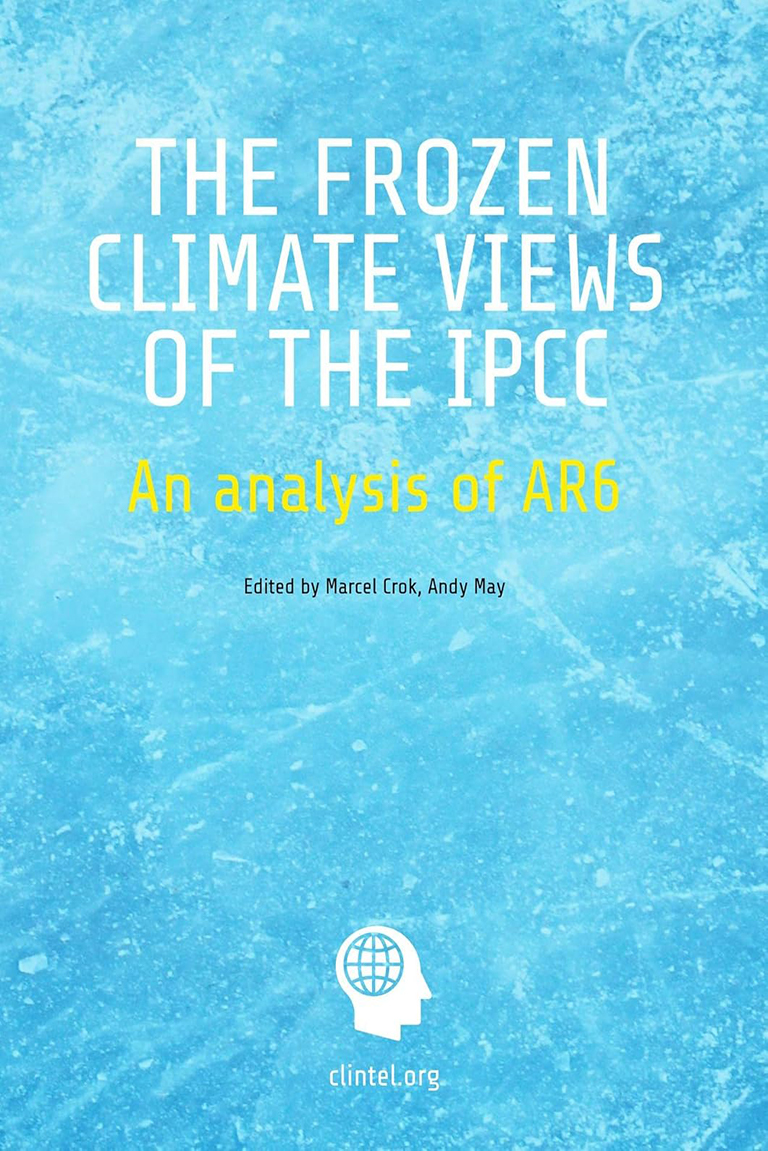
Analysis of IPCC report
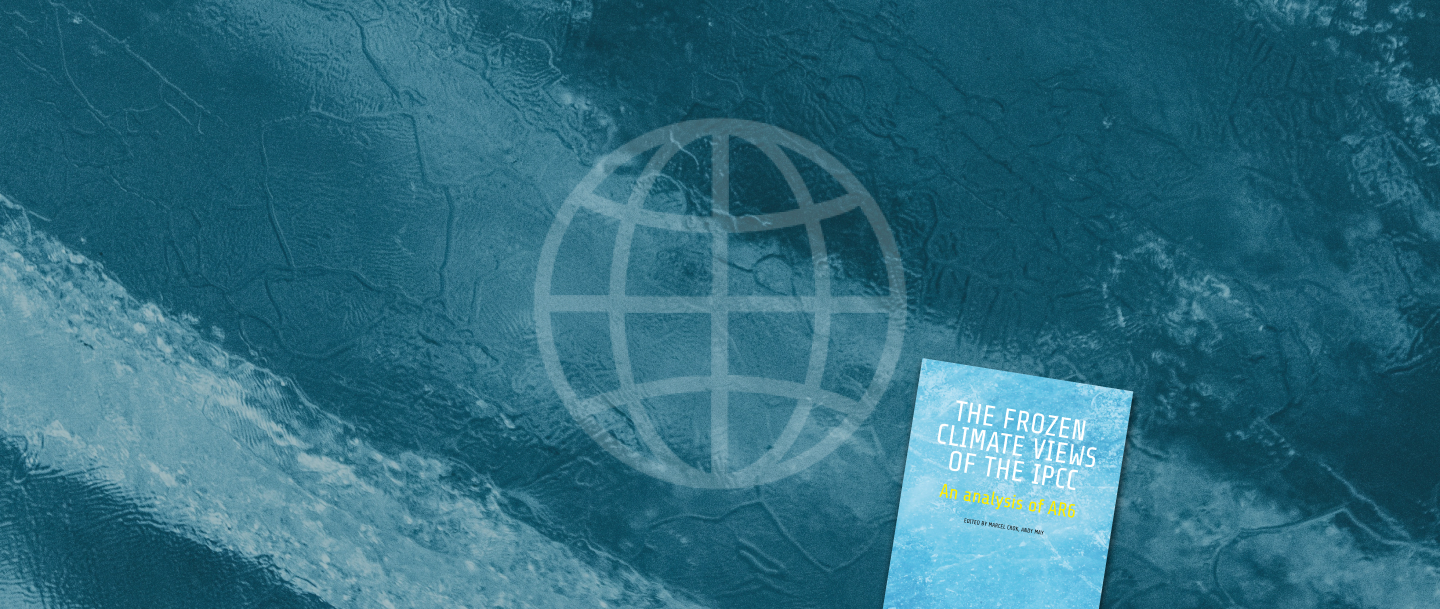
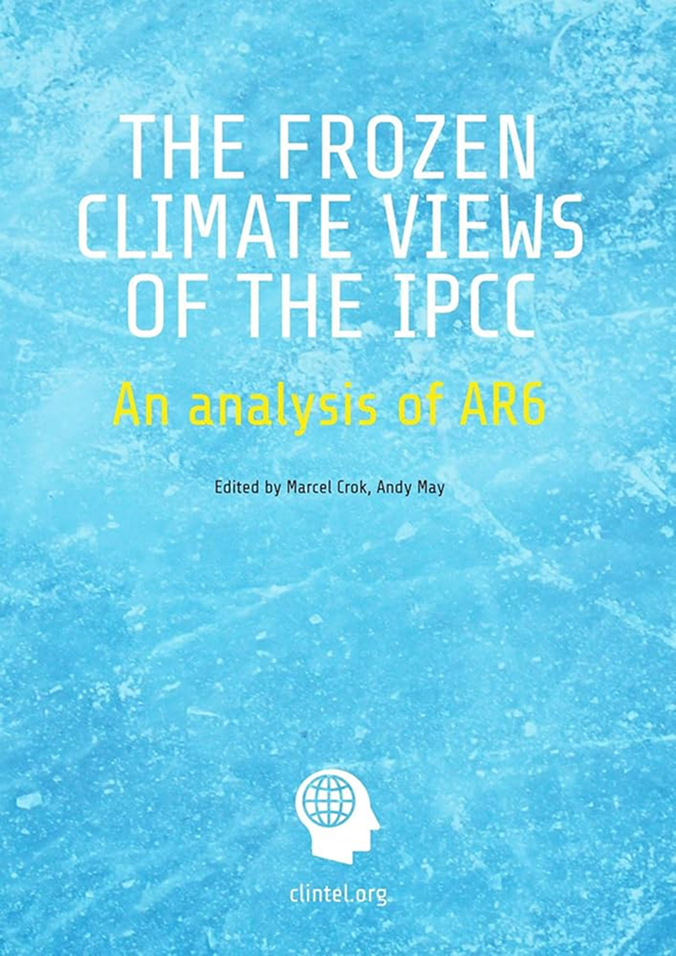
The Frozen Climate Views of the IPCC
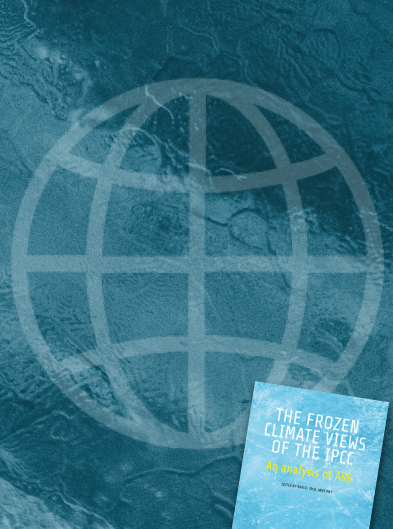
The Clintel Foundation has published the book The Frozen Climate Views of the IPCC. It’s by far the most important work of its existence. In thirteen chapters we indicate per theme whether the IPCC has done its work well. In short, we conclude that the IPCC has made several serious mistakes.
ABOUT CLINTEL
Climate Intelligence Foundation
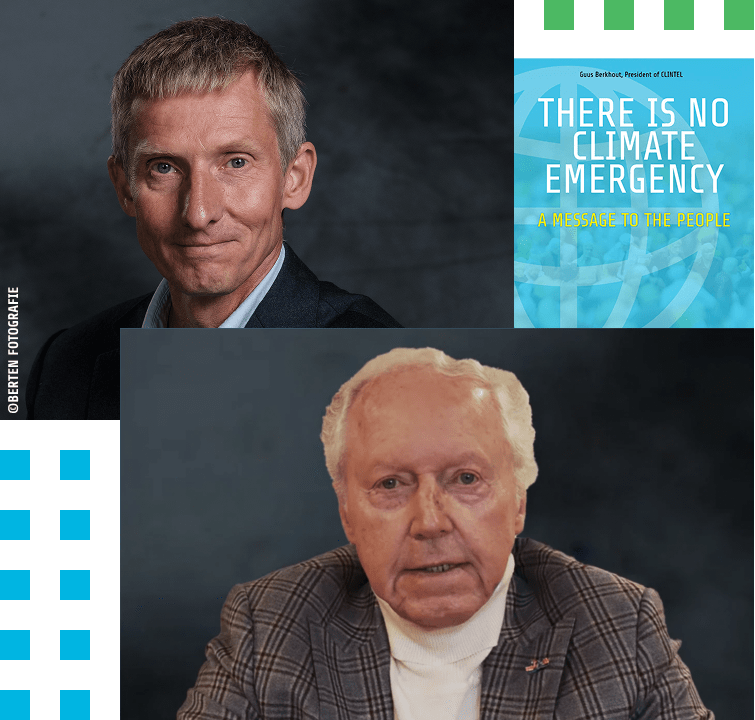
Climate Intelligence (Clintel) is an independent foundation informing people about climate change and climate policies. Clintel was founded in 2019 by emeritus professor of geophysics Guus Berkhout and science journalist Marcel Crok. Clintel’s main objective is to generate knowledge and understanding of the causes and effects of climate change as well as the effects of climate policy on the economy and the environment.
latest news
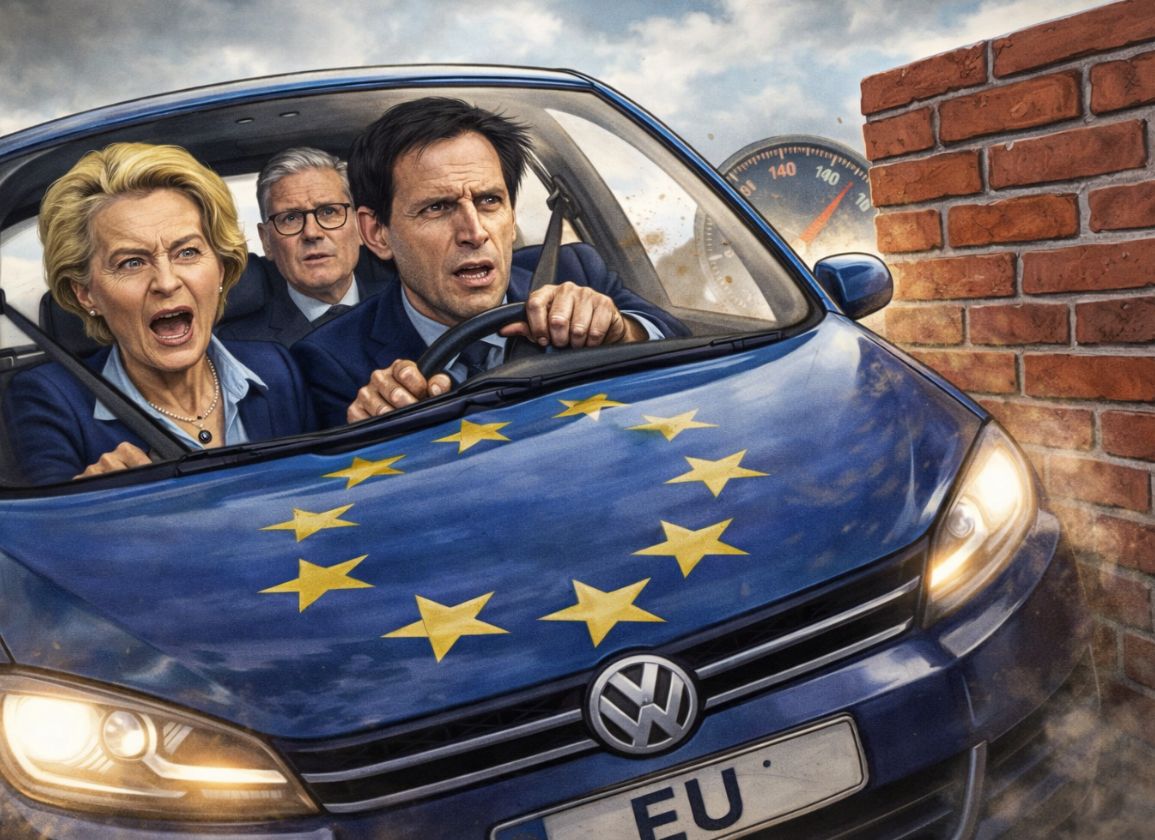
European energy policy: full speed towards the wall
What do you do when you realise you are heading in the wrong direction? Hit the brakes, right? In Europe, this is not the case. Instead, the answer of European leaders is to accelerate further, opting for an energy transition that is even faster, more ambitious, and more radical. In the meantime, the problems are piling up. A summary of the key facts, makes you wonder desperately: why isn't anyone hitting the brakes?
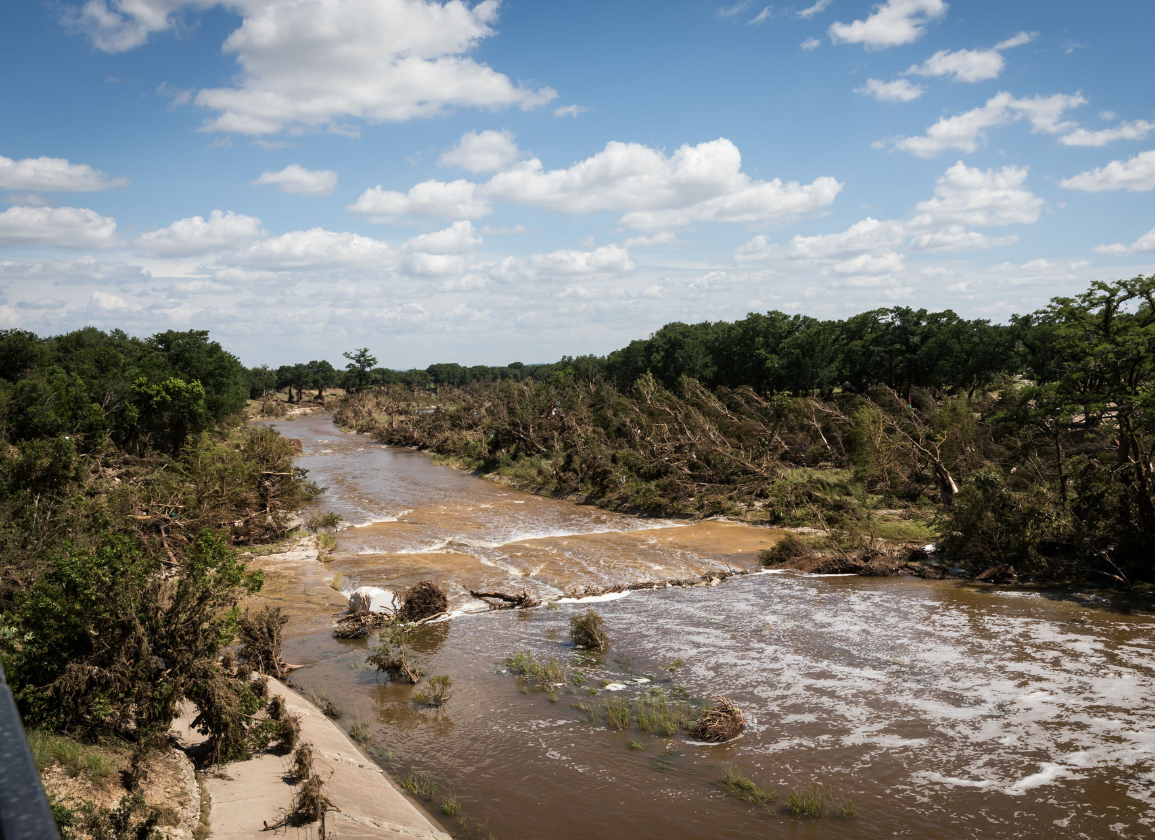
Abuse of Science: Extreme Event Attribution Studies
Both the mainstream media and government reports have latched on to Event Attribution to fan the flames of climate alarmism. But such studies are deeply flawed, with errors in both science and inter¬pretation, having been created for legal and political rather than scientific reasons, says Ralph Alexander.
the latest IPCC report
The Frozen Climate Views of the IPCC
The Clintel Foundation has contributed to the publication of the book The Frozen Climate Views of the IPCC by far the most important work of its existence. In thirteen chapters we indicate per theme whether the IPCC has done its work well. In short, we conclude that the IPCC has made several serious mistakes.
ABOUT CLINTEL
Climate Intelligence Foundation
Climate Intelligence (Clintel) is an independent foundation informing people about climate change and climate policies. Clintel was founded in 2019 by emeritus professor of geophysics Guus Berkhout and science journalist Marcel Crok. Clintel’s main objective is to generate knowledge and understanding of the causes and effects of climate change as well as the effects of climate policy on the economy and the environment.

