
News
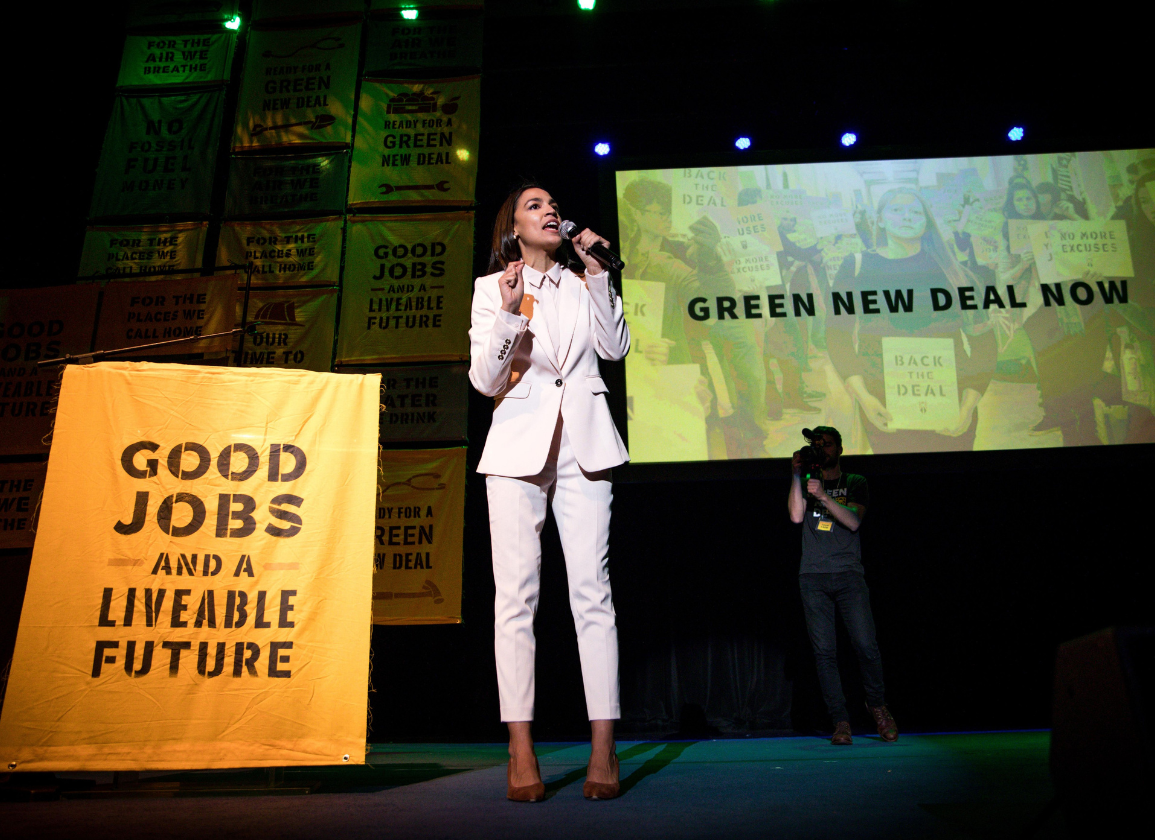
“Forget Climate Change” says New York Times to Democrats
Things are getting so bad, an opinion piece in the New York Times recently warned Democrats to “Forget climate change, and talk about something else.” Jo Nova reflects.
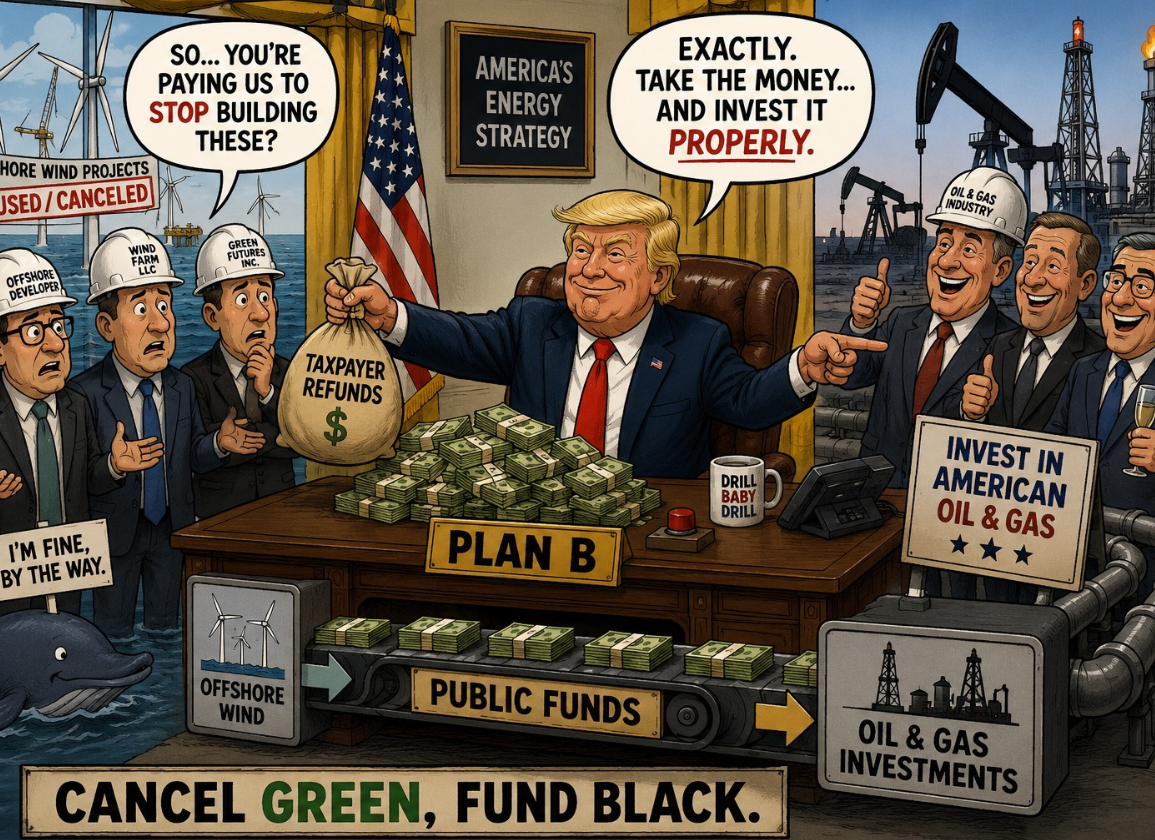
Trump Administration Gets Strategic With Offshore Wind
The first efforts of the Trump Administration to shut down offshore wind projects ran into a wall of judicial opposition. They have now come up with Plan B, says Francis Menton. It appears that the administration is entering into legal settlements with wind farm developers, whereby the government pays the developers substantial sums of money to walk away from the projects.
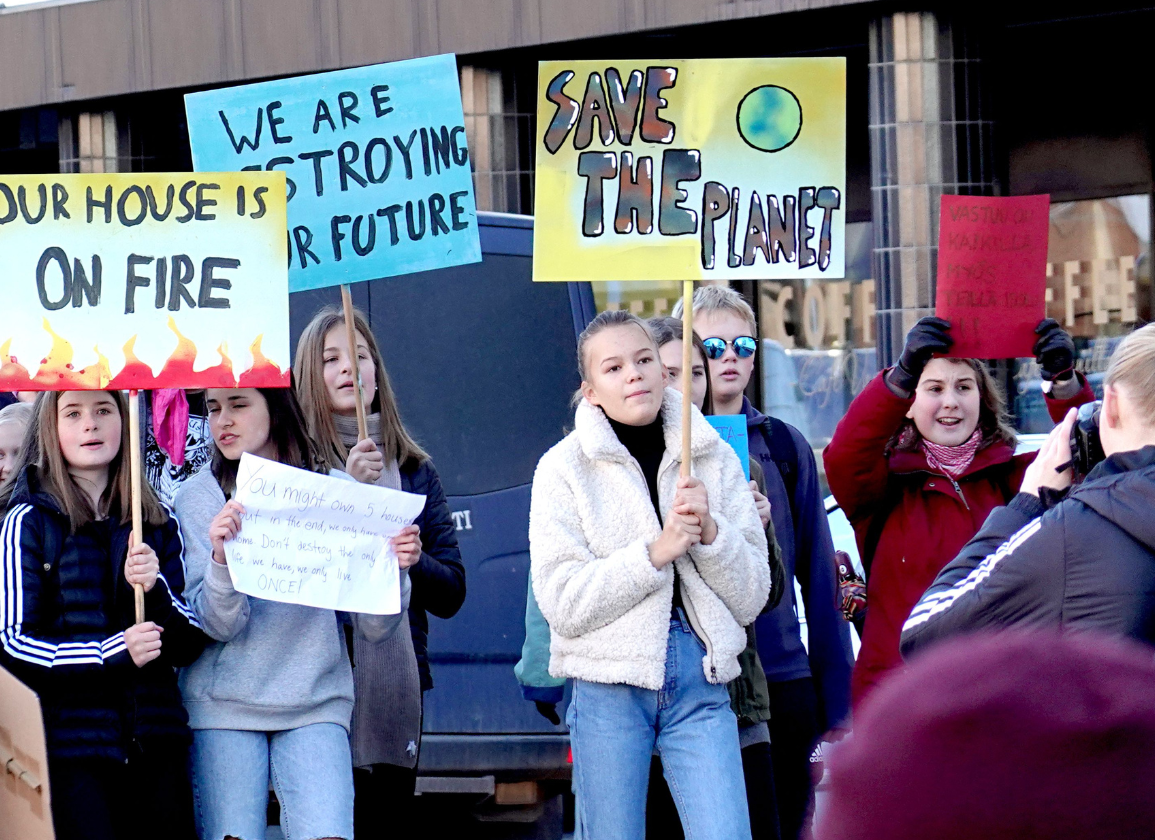
A Generation of Kids Thinks They Have No Future. Science Just Admitted Why
RCP 8.5 has been given its official death certificate. The generation of children who grew up in its shadow, who were told the world was ending before they’d turn thirty, deserve to know the truth. Let’s make sure the message reaches them, says Anthony Watts.

No, Washington Post, ‘Carbon Pollution’ Isn’t Making Food Less Healthy
Carbon dioxide is not a toxin to crops, as The Washington Post recently claimed. Demonizing it as the “invisible force” behind nutritional decline ignores the broader picture, says Anthony Watts. “The Washington Post has taken a modest statistical decline in select minerals and inflated it into a planetary health crisis.”
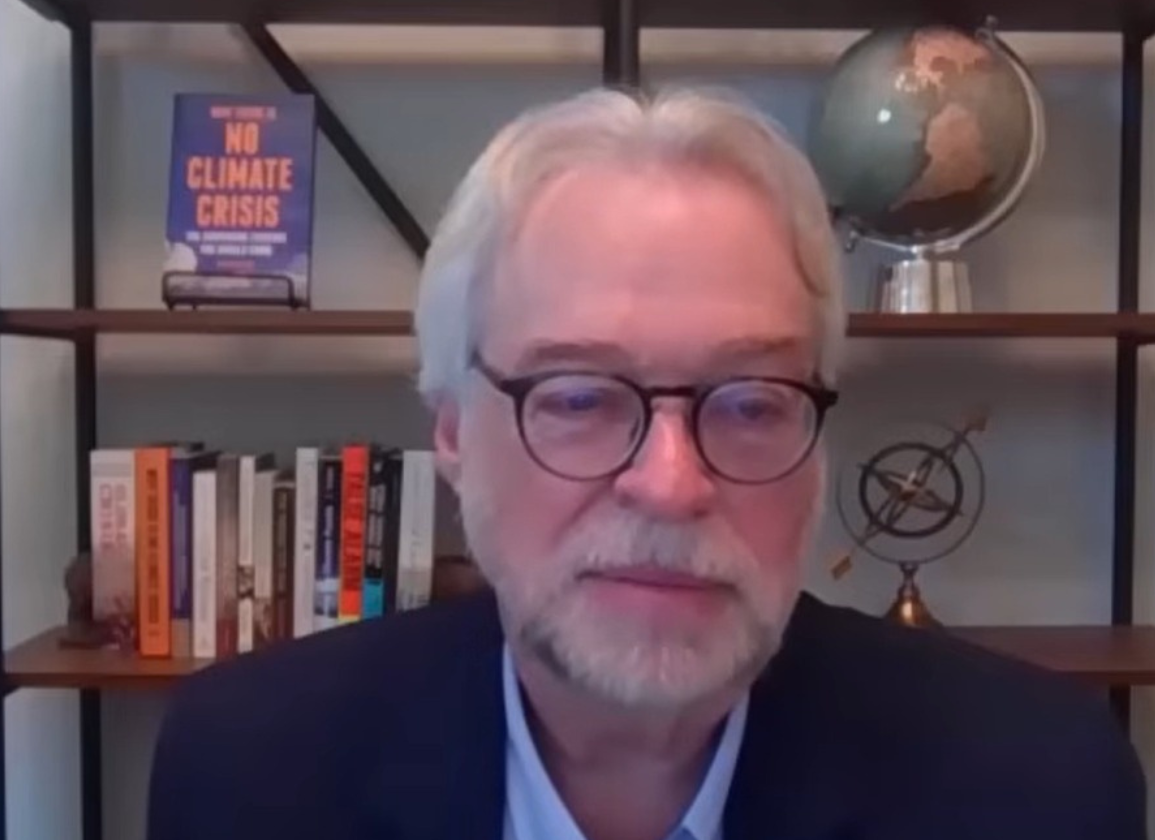
Thomas Kurz: Why there is no climate crisis
There is no climate emergency, says Clintel’s World Climate Declaration. Thomas Kurz is the author of an upcoming book with that very theme. Recently he spoke about it on Tom Nelson’s podcast.
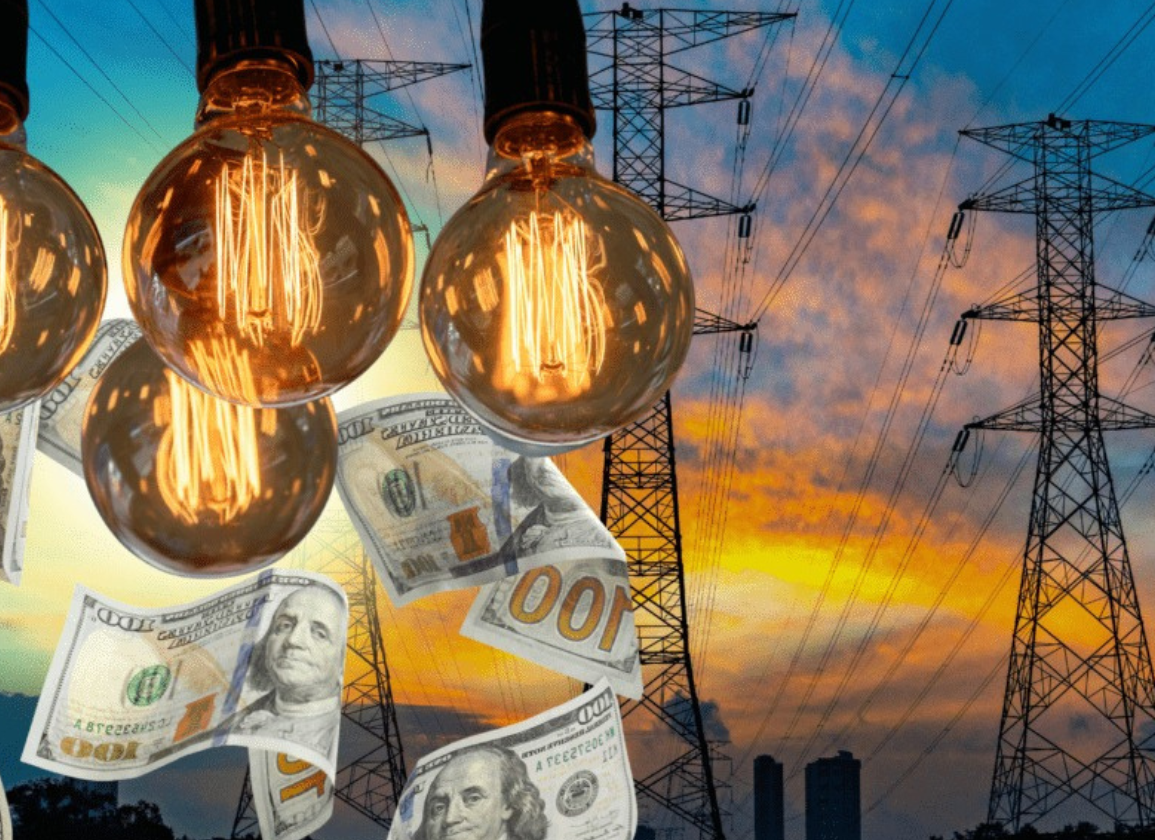
Why solar is much more expensive than coal in Germany
The more solar and wind energy is deployed, the more it reshapes the system around it and the more costs shift into areas that are often not immediately visible but should be considered, says energy expert Lars Schernikau.
News
“Forget Climate Change” says New York Times to Democrats
Things are getting so bad, an opinion piece in the New York Times recently warned Democrats to “Forget climate change, and talk about something else.” Jo Nova reflects.
Trump Administration Gets Strategic With Offshore Wind
The first efforts of the Trump Administration to shut down offshore wind projects ran into a wall of judicial opposition. They have now come up with Plan B, says Francis Menton. It appears that the administration is entering into legal settlements with wind farm developers, whereby the government pays the developers substantial sums of money to walk away from the projects.
A Generation of Kids Thinks They Have No Future. Science Just Admitted Why
RCP 8.5 has been given its official death certificate. The generation of children who grew up in its shadow, who were told the world was ending before they’d turn thirty, deserve to know the truth. Let’s make sure the message reaches them, says Anthony Watts.
No, Washington Post, ‘Carbon Pollution’ Isn’t Making Food Less Healthy
Carbon dioxide is not a toxin to crops, as The Washington Post recently claimed. Demonizing it as the “invisible force” behind nutritional decline ignores the broader picture, says Anthony Watts. “The Washington Post has taken a modest statistical decline in select minerals and inflated it into a planetary health crisis.”
Thomas Kurz: Why there is no climate crisis
There is no climate emergency, says Clintel’s World Climate Declaration. Thomas Kurz is the author of an upcoming book with that very theme. Recently he spoke about it on Tom Nelson’s podcast.
Why solar is much more expensive than coal in Germany
The more solar and wind energy is deployed, the more it reshapes the system around it and the more costs shift into areas that are often not immediately visible but should be considered, says energy expert Lars Schernikau.

