

latest news
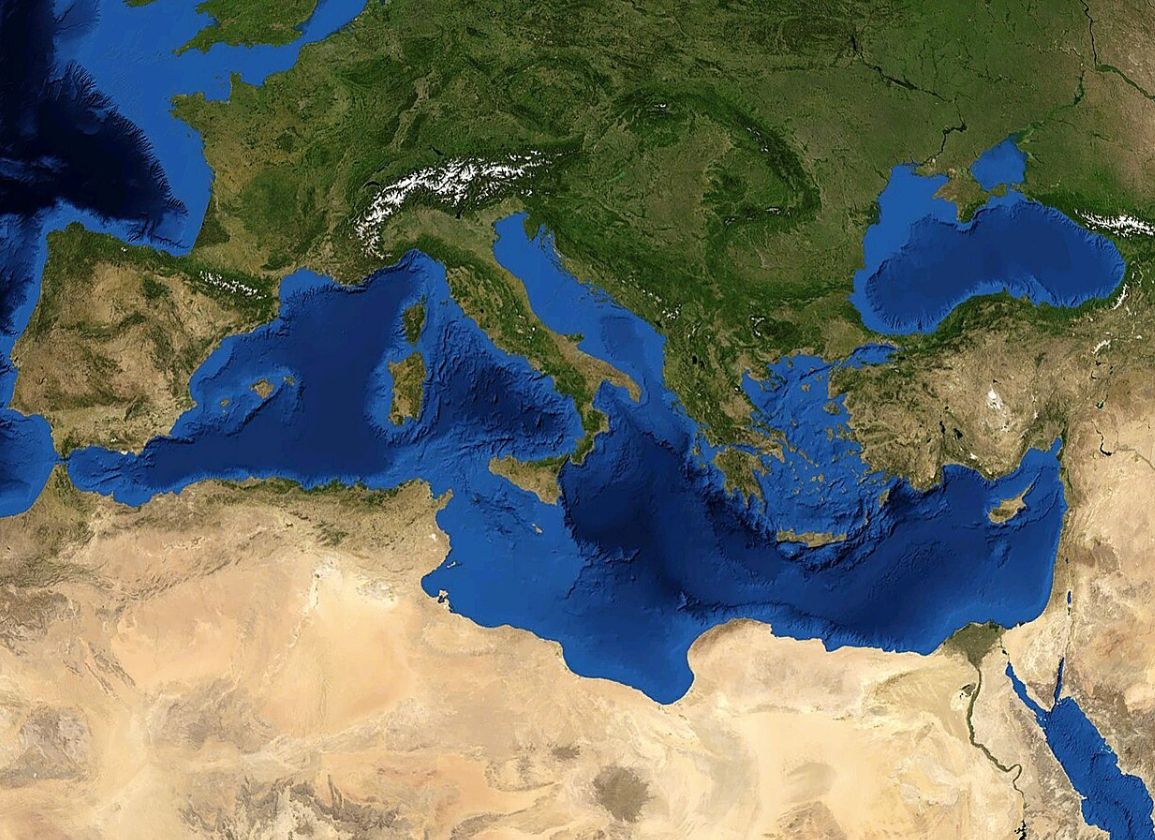
Rethinking the Mediterranean Climate Hotspot: New Evidence Reveals a More Complex Reality
Is the Mediterranean really a climate hotspot? Drawing on long-term hydroclimatic observations, Demetris Koutsoyiannis and Theano Iliopoulou revisit the evidence and highlight the region’s striking climatic complexity.
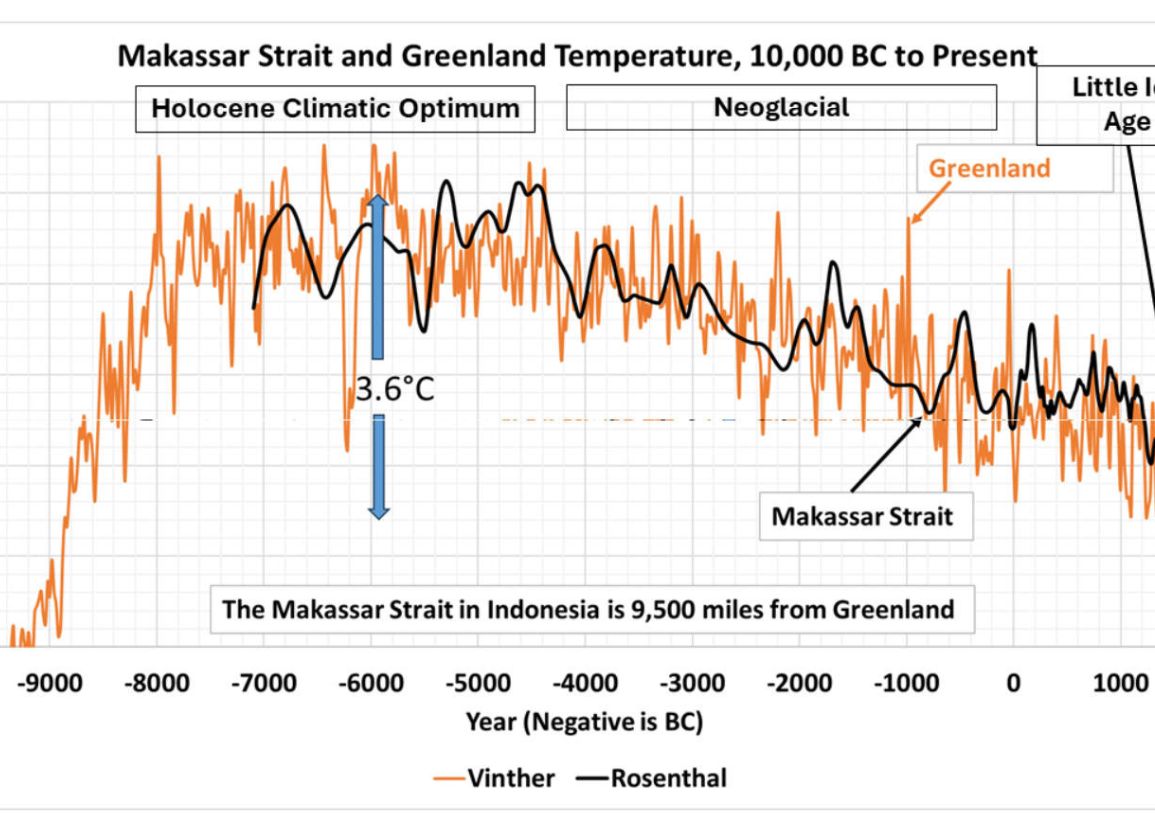
Is Modern Warming Unprecedented? A Critical Look at Holocene Temperature Evidence
Claims that today’s Arctic or global temperatures are unprecedented in the Holocene are still widely repeated in scientific literature. In this article, Andy May examines temperature proxy records and shows that both the magnitude and the rate of warming during the Holocene have been misrepresented.
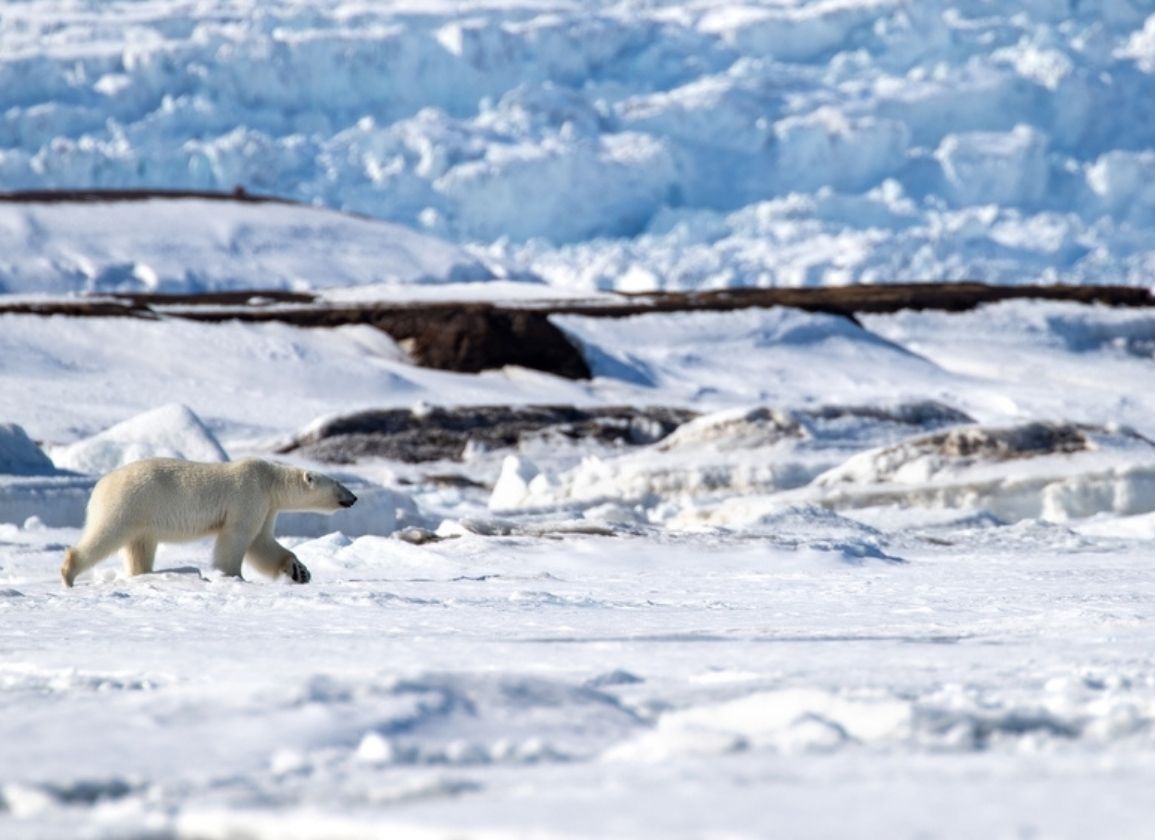
The Polar Bear Narrative: What Scientists Knew Before Frozen Planet Aired
In 2011, BBC viewers were told that polar bears in the Barents Sea were starving due to climate-driven sea ice loss. Later scientific evidence shows that this portrayal was inconsistent with data already available at the time.
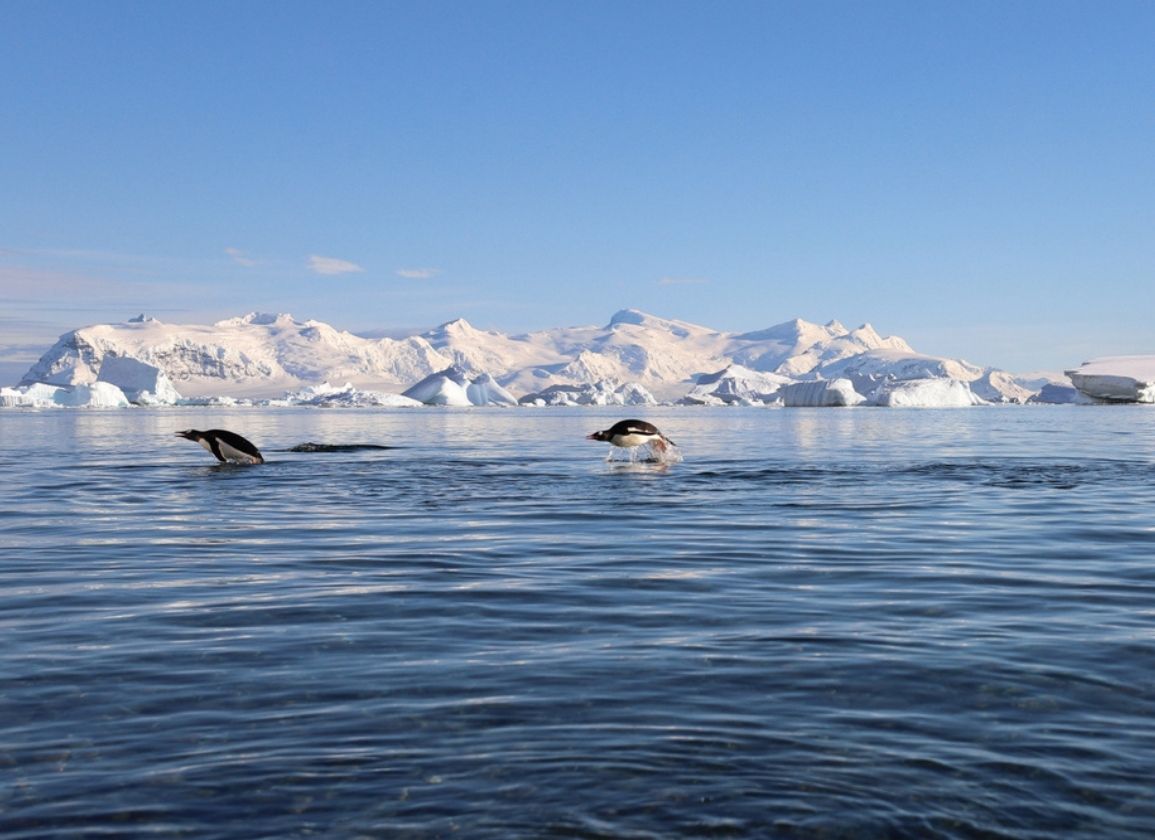
Why Is the Southern Ocean Cooling? Three New Scientific Explanations Challenge Climate Models
Surface temperatures in the Southern Ocean around Antarctica have cooled for decades, defying the projections of leading climate models and puzzling researchers worldwide. In this article, physicist Ralph B. Alexander examines three recent studies that propose strikingly different explanations for this unexpected climate anomaly.
| Climate change | 161 |
| Energy transition | 152 |
| Climate policy | 149 |
| CO₂ | 129 |
| Climate Science | 85 |
| global warming | 55 |
| see more close table | |
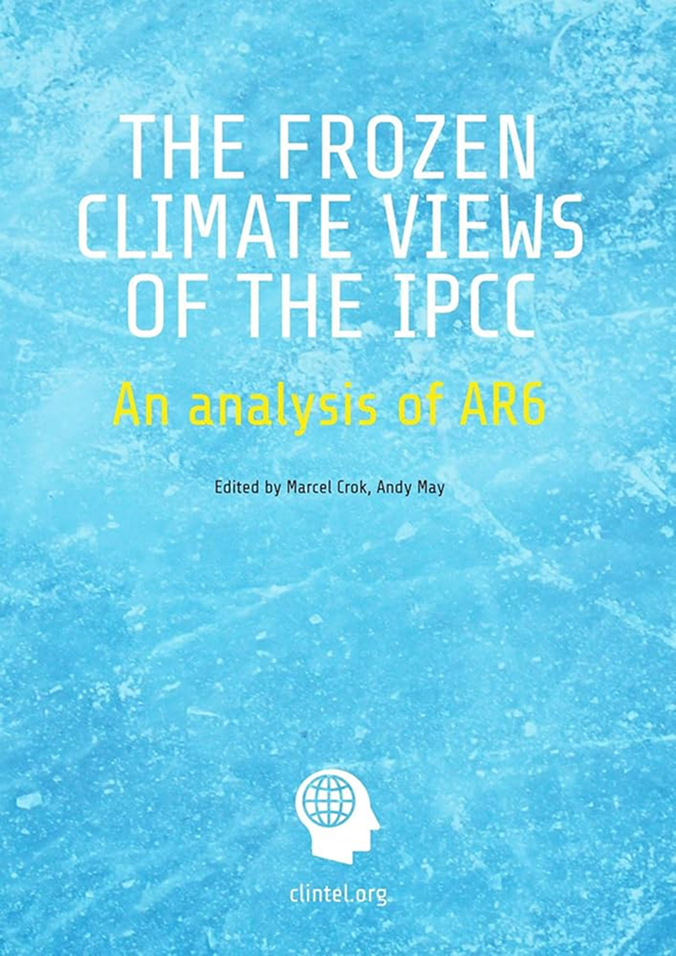
Analysis of IPCC report
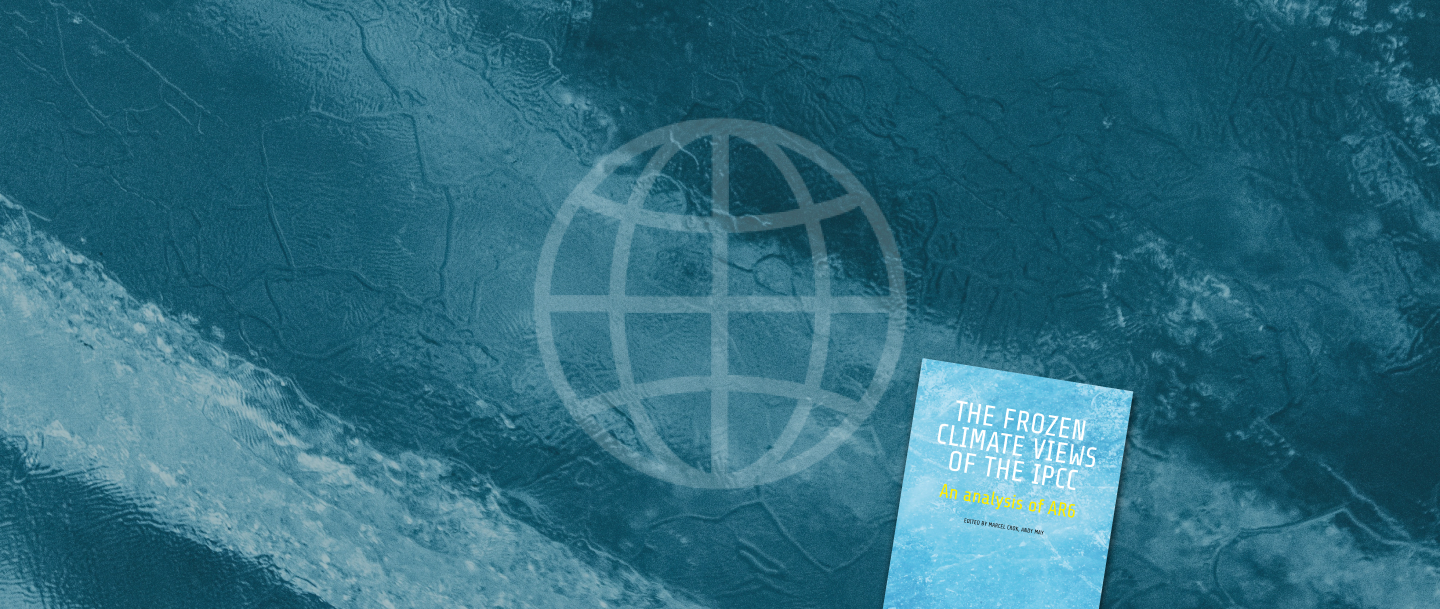
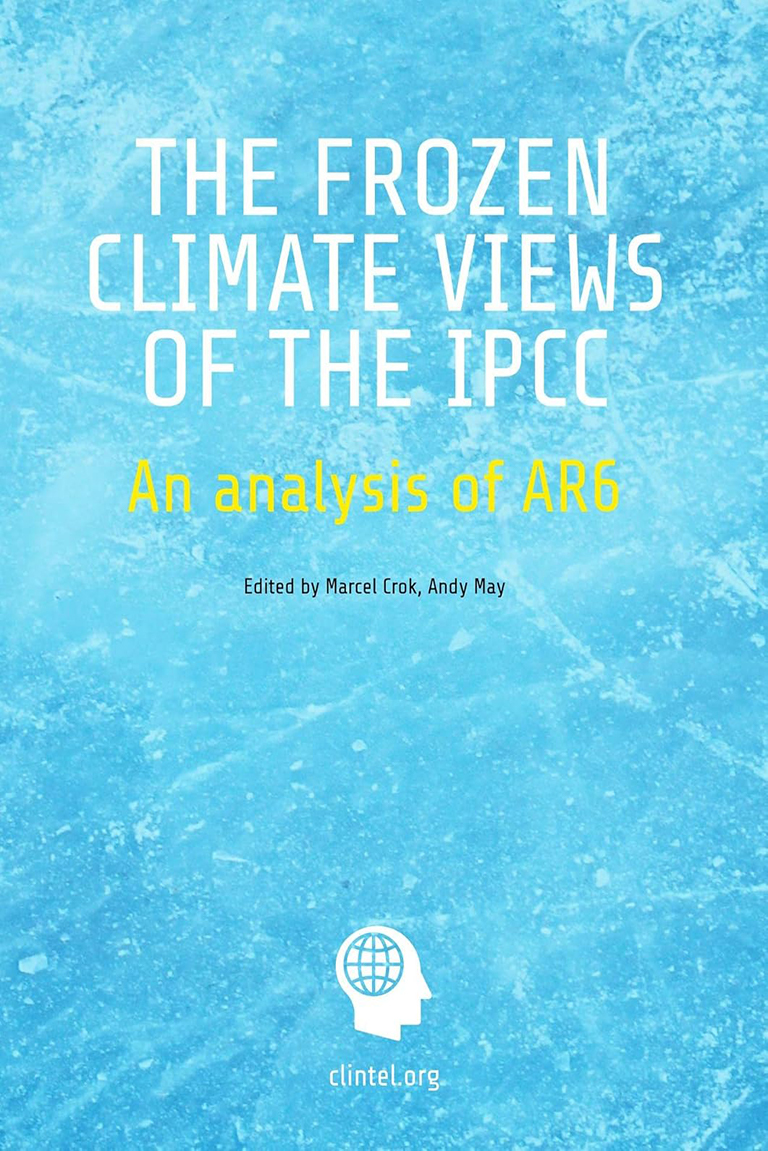
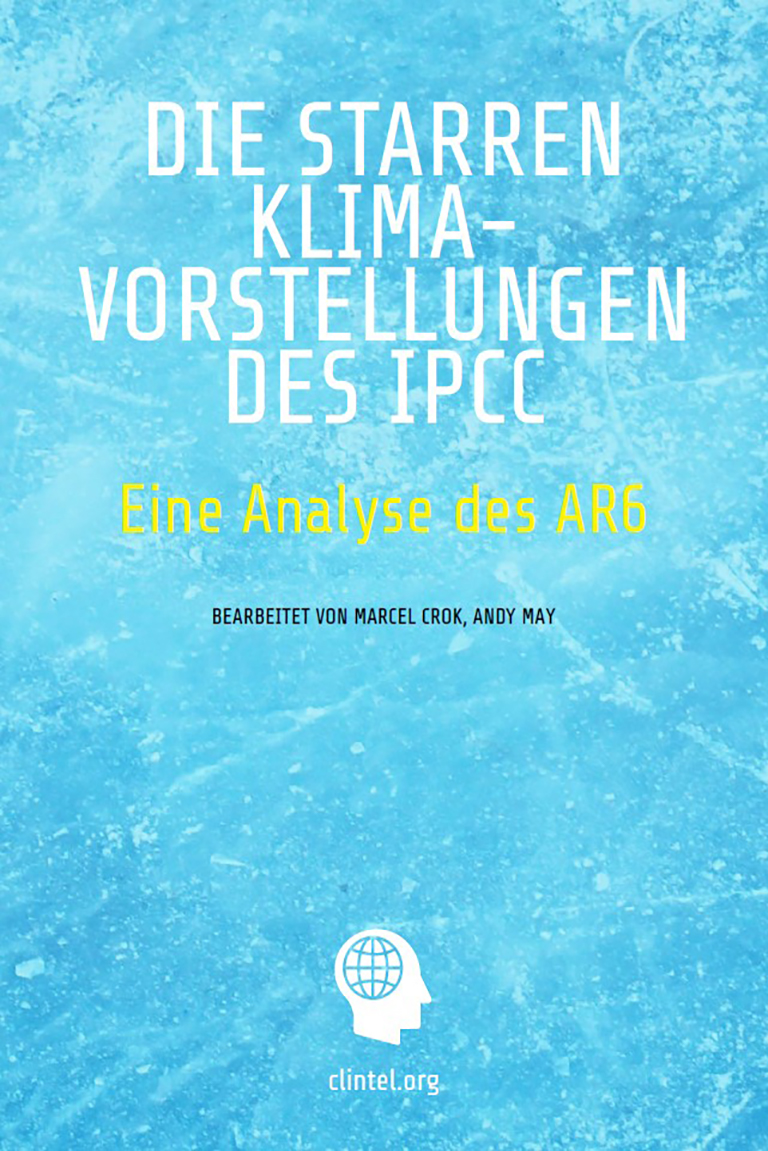
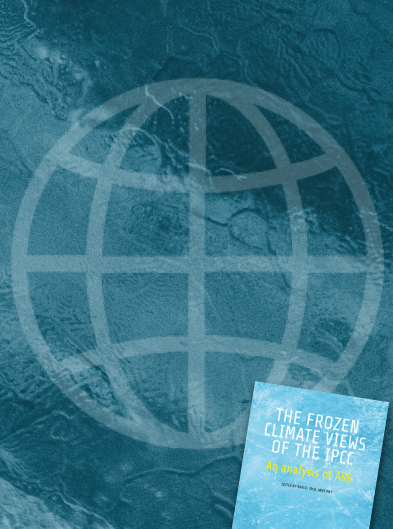
The Frozen Climate Views of the IPCC
The Clintel Foundation has published the book The Frozen Climate Views of the IPCC. It’s by far the most important work of its existence. In thirteen chapters we indicate per theme whether the IPCC has done its work well. In short, we conclude that the IPCC has made several serious mistakes.
ABOUT CLINTEL
Climate Intelligence Foundation
Climate Intelligence (Clintel) is an independent foundation informing people about climate change and climate policies. Clintel was founded in 2019 by emeritus professor of geophysics Guus Berkhout and science journalist Marcel Crok. Clintel’s main objective is to generate knowledge and understanding of the causes and effects of climate change as well as the effects of climate policy on the economy and the environment.
latest news
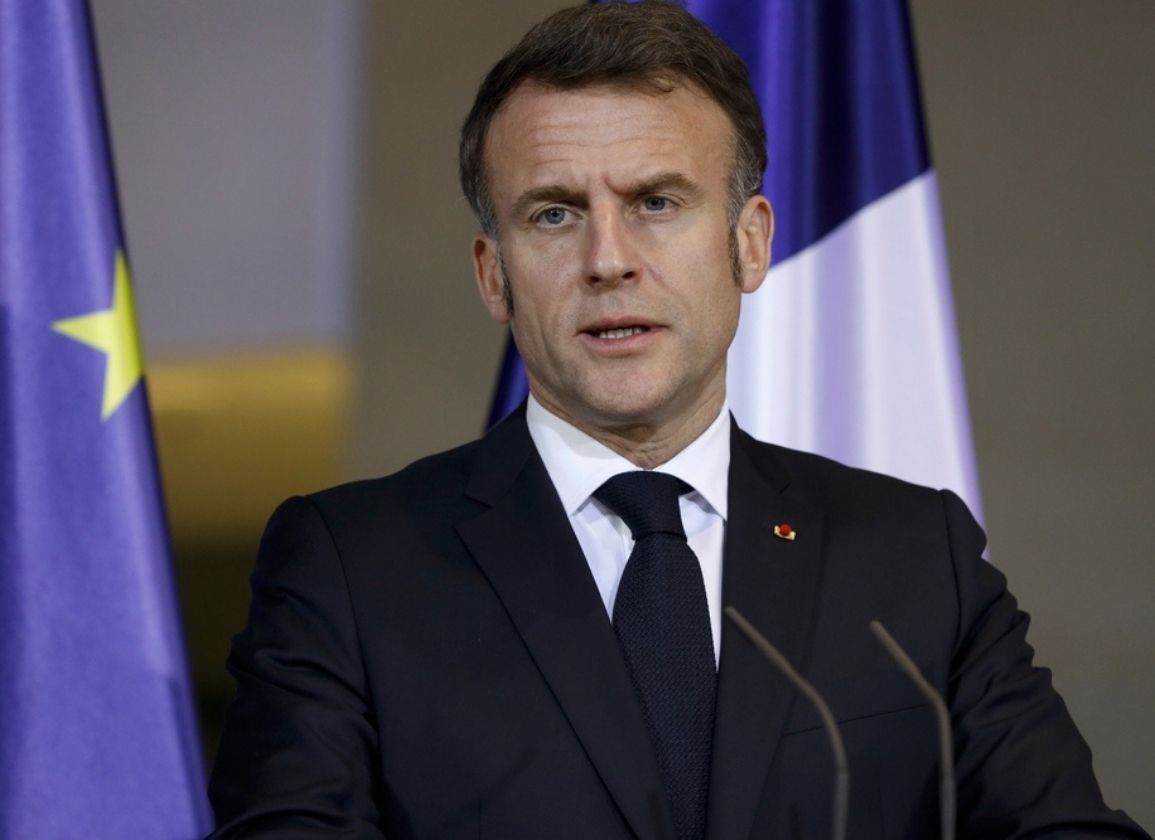
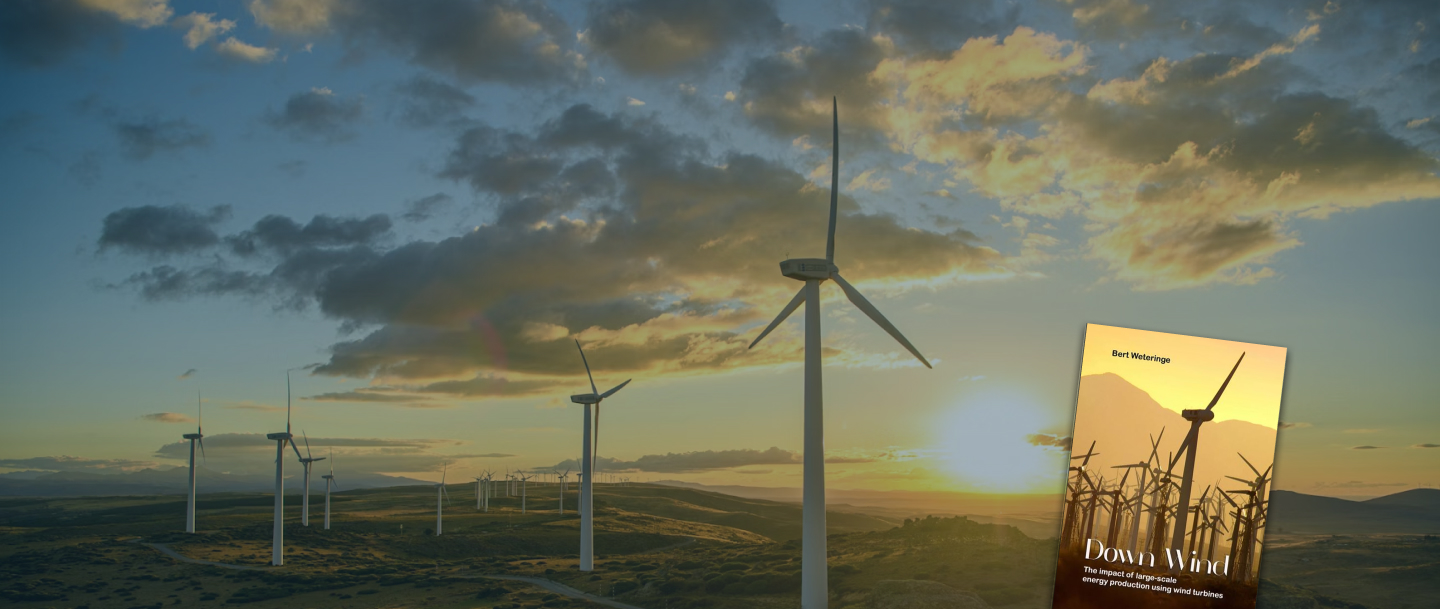
Sacré bleu! Macron blames renewables for Spain’s blackouts, France drops renewables targets, expands nuclear
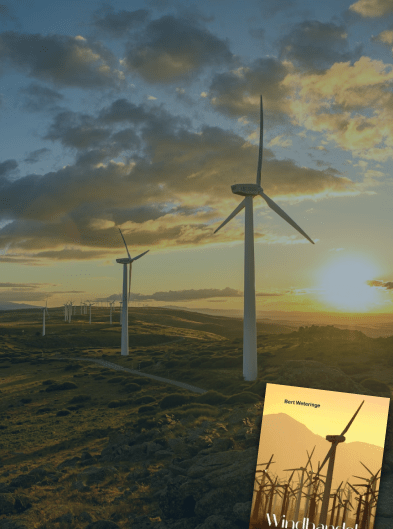
Europe’s energy debate is shifting. After Spain’s major blackout, even long-time advocates of aggressive renewable targets are questioning whether power systems can rely so heavily on wind and solar without sacrificing stability.
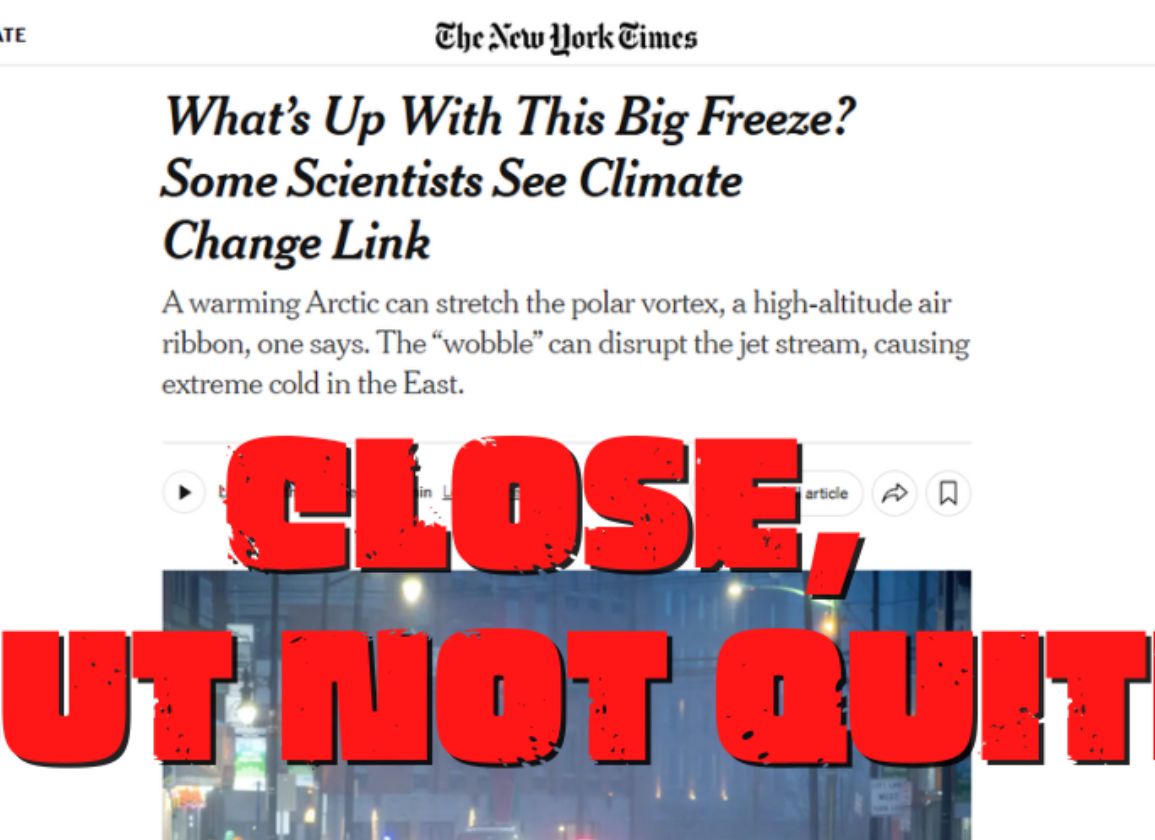
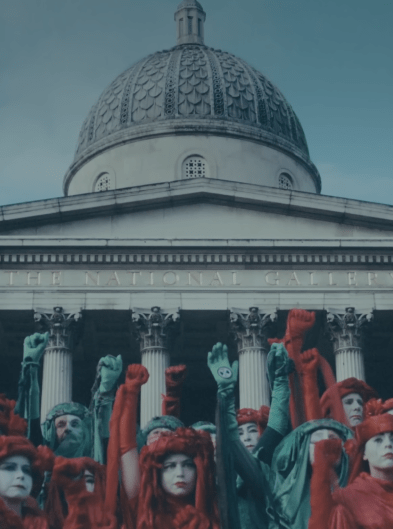
Right, New York Times, Scientists Do Disagree on The Polar Vortex
A recent New York Times article explores claims that climate change may be worsening winter cold extremes. While some scientists argue that Arctic warming destabilizes the polar vortex, long-term data show a clear decline in extreme cold events, challenging that narrative.
the latest IPCC report
The Frozen Climate Views of the IPCC
The Clintel Foundation has contributed to the publication of the book The Frozen Climate Views of the IPCC by far the most important work of its existence. In thirteen chapters we indicate per theme whether the IPCC has done its work well. In short, we conclude that the IPCC has made several serious mistakes.
ABOUT CLINTEL
Climate Intelligence Foundation
Climate Intelligence (Clintel) is an independent foundation informing people about climate change and climate policies. Clintel was founded in 2019 by emeritus professor of geophysics Guus Berkhout and science journalist Marcel Crok. Clintel’s main objective is to generate knowledge and understanding of the causes and effects of climate change as well as the effects of climate policy on the economy and the environment.

