News item tags

Le CO₂ peut-il aussi provoquer un refroidissement ? Les modèles climatiques disent oui (parfois)

By |2026-03-30T12:27:29+02:00March 30, 2026|

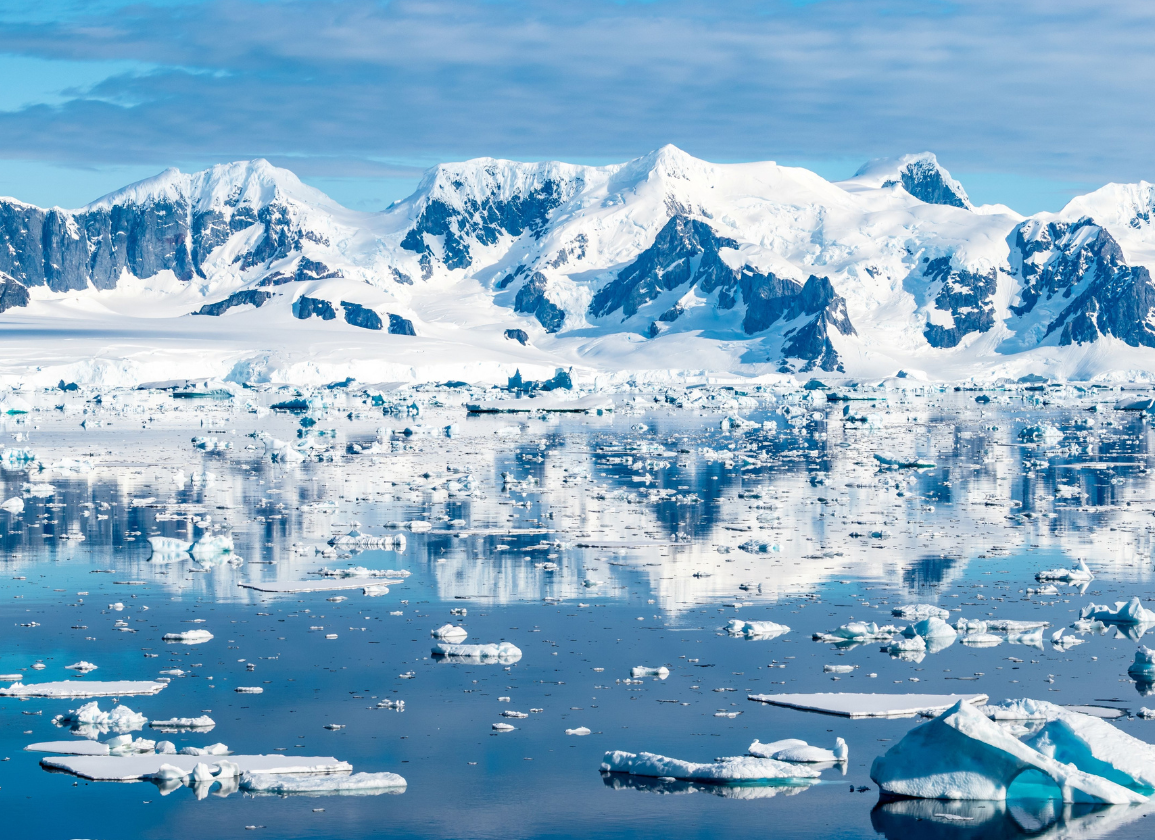
Comme l'a dit avec ironie le Dr Matthew Wielicki : « Y a-t-il quelque chose que le CO₂ ne puisse pas faire ? » L'étude à l'origine de cette remarque affirme que l'augmentation des niveaux de CO₂ pourrait même entraîner un refroidissement régional dans certaines conditions, soulignant ainsi à quel point les résultats des modèles climatiques peuvent être flexibles et incertains.
Comments Off on Le CO₂ peut-il aussi provoquer un refroidissement ? Les modèles climatiques disent oui (parfois)

CO₂ Can Cause Cooling Too? Climate Models Say Yes (Sometimes)

By |2026-03-29T11:59:43+02:00March 30, 2026|

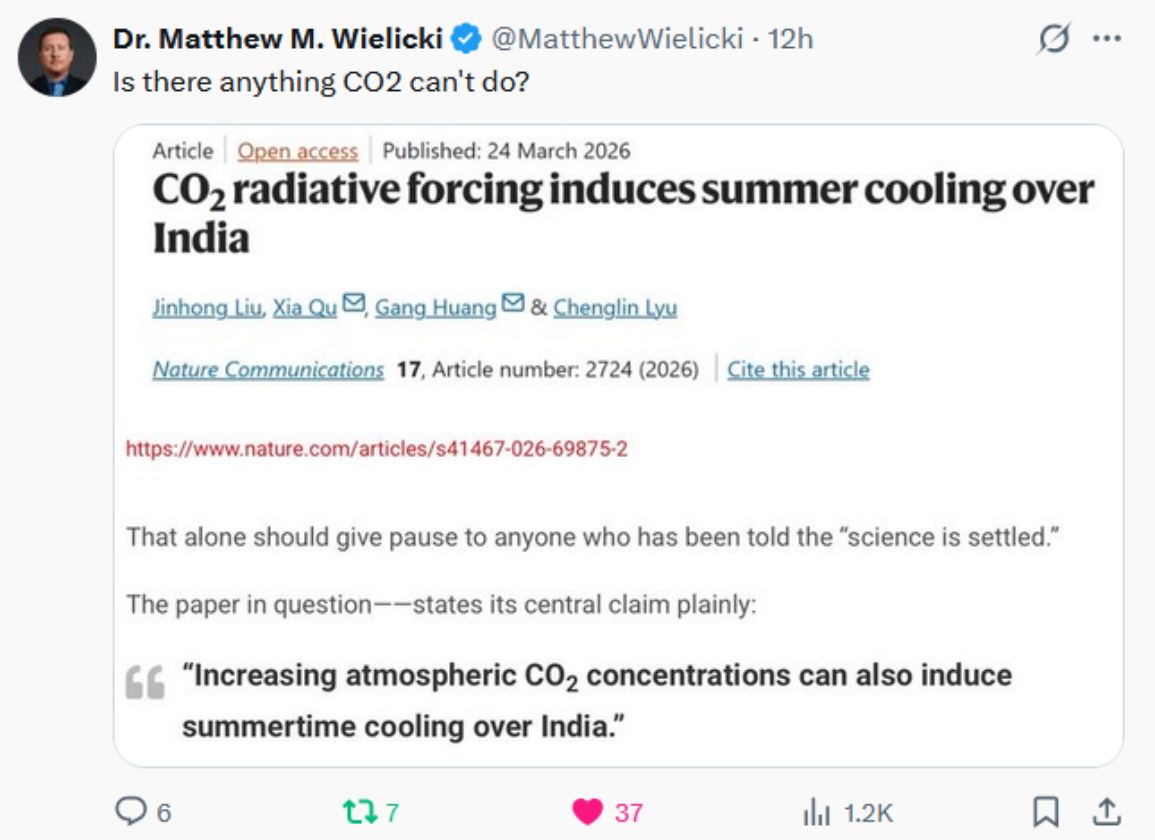
As Dr. Matthew Wielicki dryly put it: “Is there anything CO₂ can’t do?” The study behind that remark claims that rising CO₂ levels may even lead to regional cooling under certain conditions—highlighting just how flexible—and uncertain—climate model outcomes can be.

Comments Off on CO₂ Can Cause Cooling Too? Climate Models Say Yes (Sometimes)

AI accurately reconstructs temperatures across Antarctica

By |2026-03-18T08:05:14+01:00March 18, 2026|

Artificial intelligence is increasingly being applied in climate science, with mixed results so far. A new study, however, suggests that deep learning can successfully reconstruct Antarctic surface temperatures despite limited observational data. By combining sparse measurements with reanalysis datasets, the researchers claim to achieve high accuracy—offering new insights into long-term temperature trends across the continent.

Comments Off on AI accurately reconstructs temperatures across Antarctica

New study finds low CO2-sensitivity again

By |2026-03-16T15:00:37+01:00March 16, 2026|

A new paper by Frank Stefani compares solar variability and CO₂ emissions as drivers of global sea surface temperatures. Using the solar aa geomagnetic index alongside CO₂ data, the study estimates a transient climate response (TCR) of about 1.1–1.4 K, near the lower end of the IPCC range. The results align closely with other observation-based estimates and highlight the continuing scientific debate about the relative roles of solar activity and greenhouse gases in recent climate change.

Comments Off on New study finds low CO2-sensitivity again

Javier Vinós à propos de l’éruption du Hunga Tonga et de ses effets climatiques extraordinaires

By |2026-03-04T22:09:54+01:00March 4, 2026|

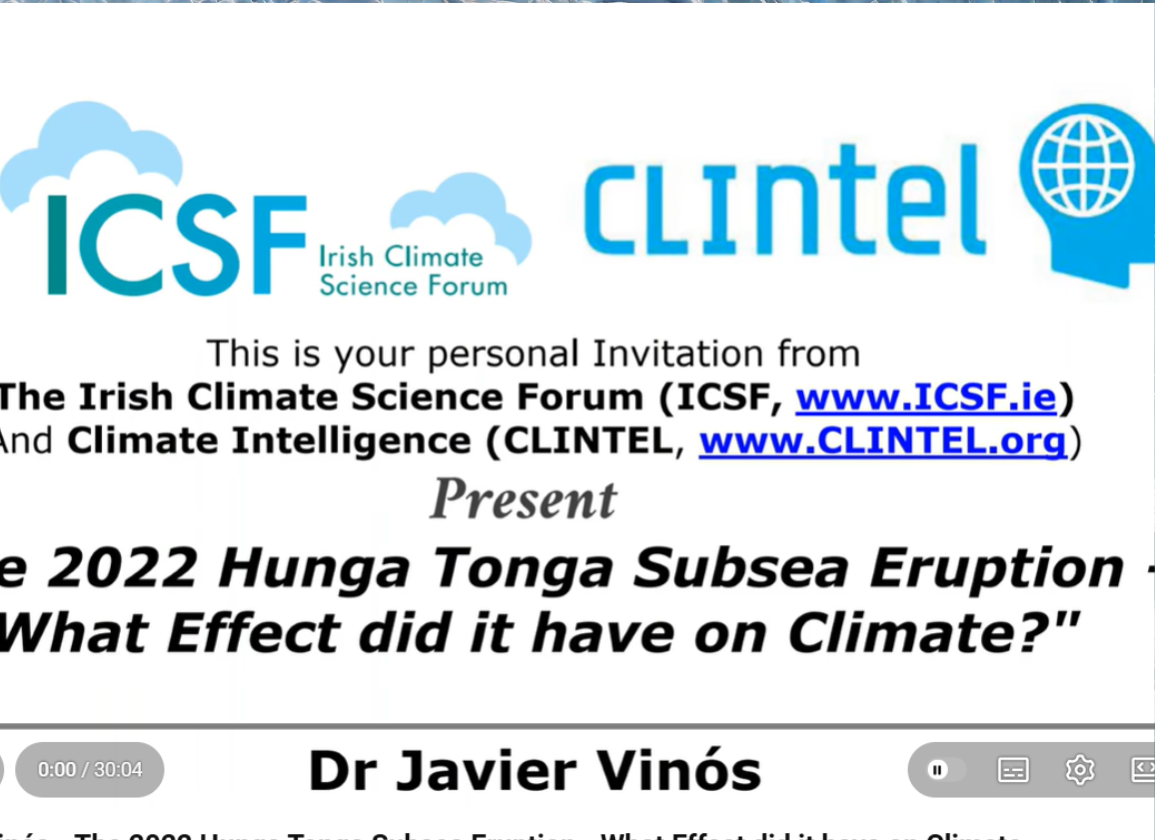
Lors d'une récente conférence ICSF/Clintel, le Dr Javier Vinós a soutenu que l'éruption du Hunga Tonga le 15 janvier 2022 était la principale cause des anomalies climatiques mondiales extraordinaires de 2023-2024. Il les décrit comme le premier véritable événement climatique mondial pluriannuel sur près de 80 ans, largement mal interprété par les analyses dominantes.

Comments Off on Javier Vinós à propos de l’éruption du Hunga Tonga et de ses effets climatiques extraordinaires

La télévision suisse tente de réfuter les climatosceptiques et échoue

By |2026-03-04T17:21:11+01:00March 4, 2026|

L'équipe éditoriale du programme météorologique suisse SRF Météo a tenté d’exposer les « arguments des climatosceptiques » comme étant faux. Cependant, ce qu'elle présente comme le prétendu « état des connaissances scientifiques » ne résiste pas à la vérification des faits.

Comments Off on La télévision suisse tente de réfuter les climatosceptiques et échoue

Javier Vinós on the Hunga Tonga Eruption and its extraordinary Climate Effects

By |2026-03-03T17:04:53+01:00March 4, 2026|

In a recent ICSF/Clintel lecture, Dr. Javier Vinós argued that the January 15, 2022 Hunga Tonga eruption was the main cause of the extraordinary global climate anomalies of 2023–2024. He describes them as the first genuine multi-year global climate event in roughly 80 years, widely misinterpreted by mainstream analyses.

Comments Off on Javier Vinós on the Hunga Tonga Eruption and its extraordinary Climate Effects

Judge Rejects Climate Dogma, Begins to Restore Integrity

By |2026-02-23T11:22:42+01:00February 23, 2026|

In a significant move for scientific accountability, a U.S. federal judge has removed a controversial climate change chapter from a key judicial reference manual. The decision challenges the dominance of model-based climate narratives in the courts and signals a renewed emphasis on empirical evidence and institutional integrity.

Comments Off on Judge Rejects Climate Dogma, Begins to Restore Integrity
Go to Top