Measuring Meaningless Climate Actions
What would Americans gain from eliminating every ton of carbon dioxide emitted from the use of fossil fuels in the United States? The answer, says Vijay Jayaraj, is nothing.
What would Americans gain from eliminating every ton of carbon dioxide emitted from the use of fossil fuels in the United States? The answer, says Vijay Jayaraj, is nothing.
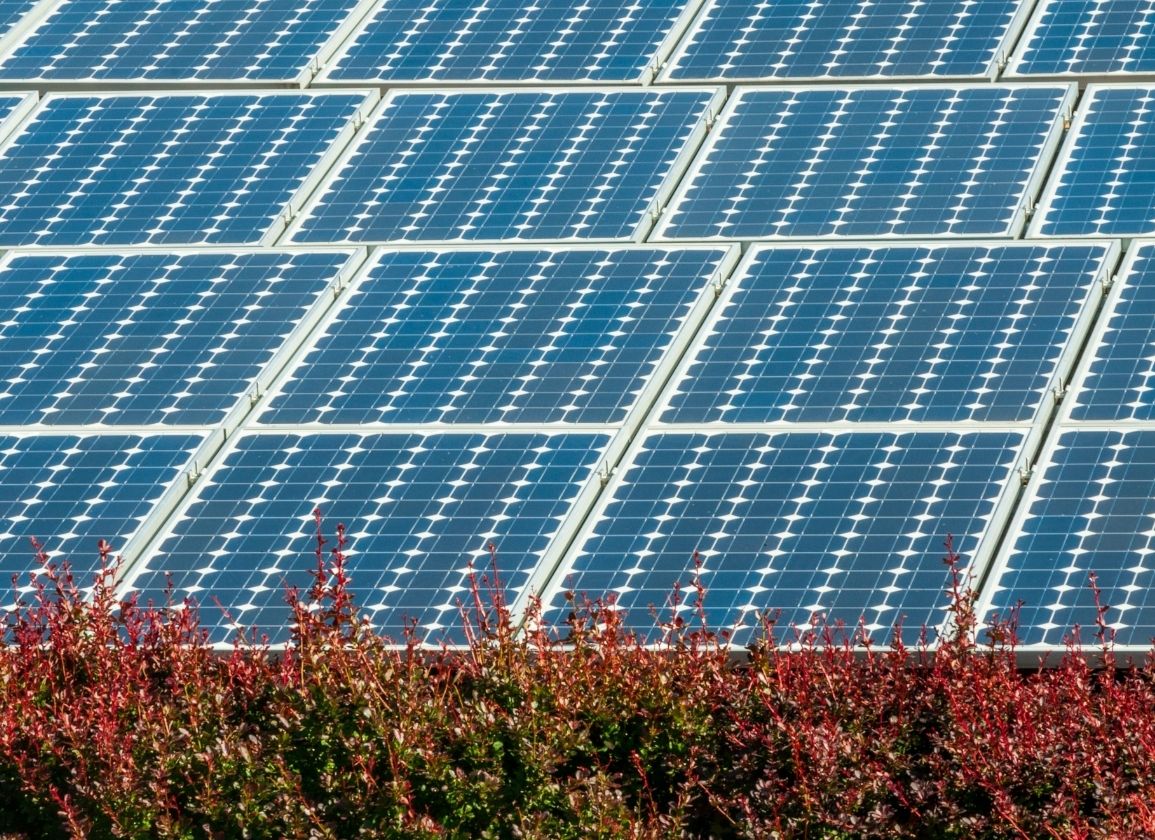
The state of New York is tearing up rural communities, wiping out wildlife sanctuaries, and burying prime agricultural soil under solar installation in the name of green energy.
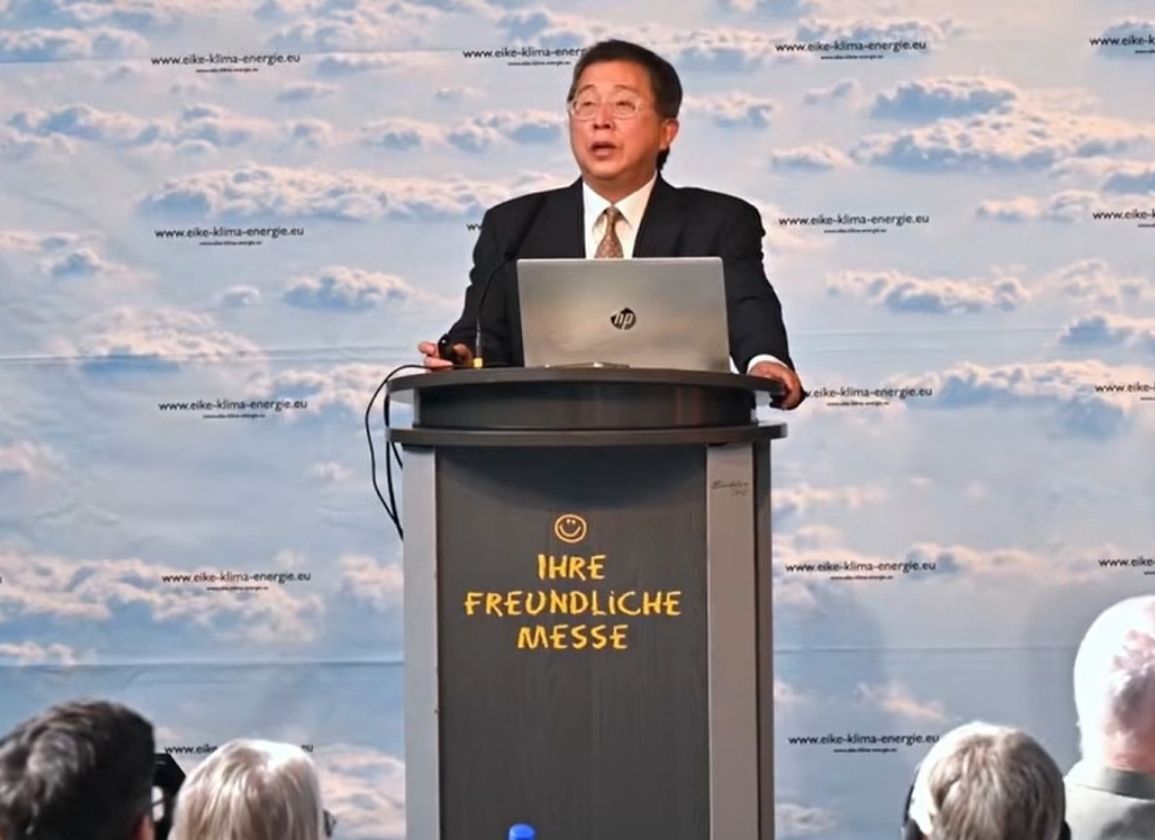
“CO2 is not a satanic gas, nor a demon. It is simply dinner for plants”, said Willie Soon at the recent EIKE Conference.
The green shackle is finally breaking as nations in Latin America choose prosperity and sovereign security over hollow promises of climate collectivists, says Vijay Jayaraj.
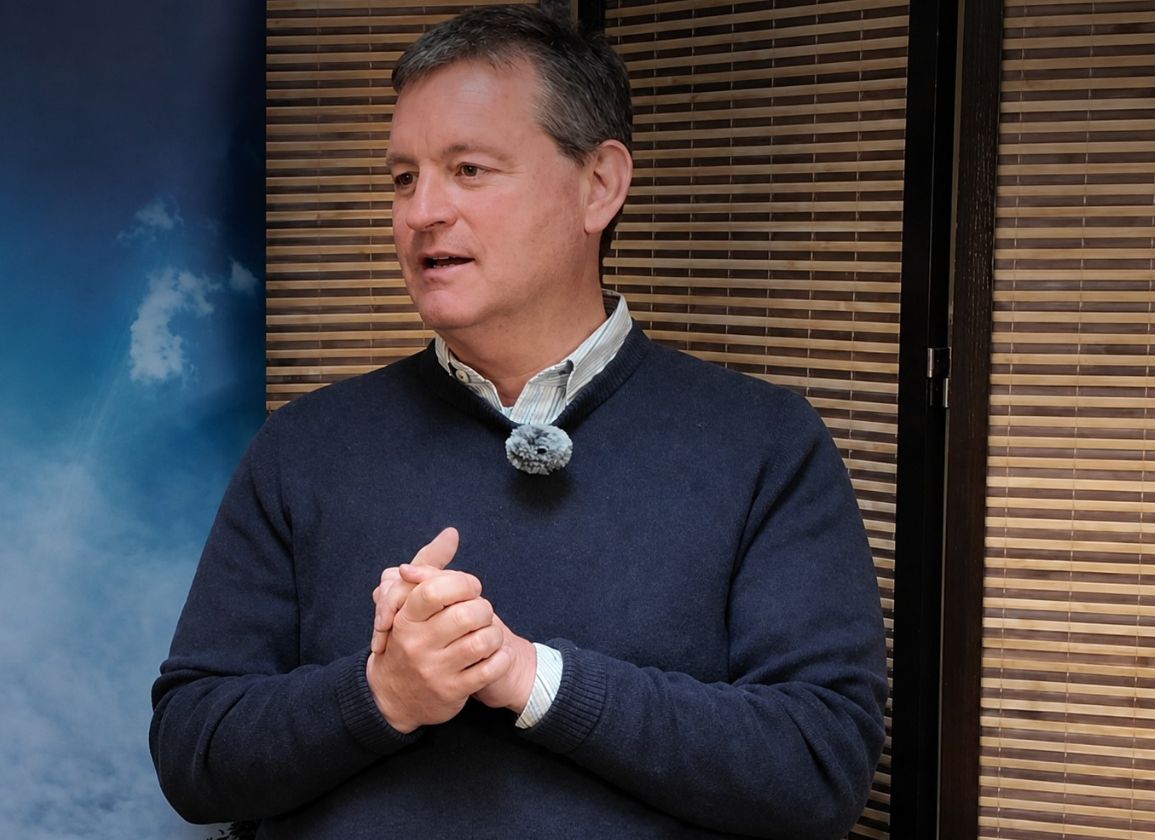
Climate scientist and public-policy scholar Roger Pielke Jr. argues that the climate debate has become increasingly detached from the underlying evidence. In a wide-ranging interview on the Love Journalism show, Pielke discussed extreme weather, climate scenarios, decarbonisation, energy policy, political polarisation, journalism and his transition from academia to becoming one of Substack’s most widely read climate writers.
Gruppenidentität, sozialer Status und ein von Qualifikationen dominiertes politisches Establishment führen laut Evert Doornhof von Clintel dazu, dass die Klimadebatte zunehmend immun gegen enttäuschende Ergebnisse wird. Die Folge ist eine Klimapolitik-Falle, in der Scheitern nicht zu einem Umdenken, sondern zu noch mehr Klimapolitik führt.
Group identity, social status, and a credential-dominated policy establishment make the climate narrative increasingly immune to disappointing results, argues Evert Doornhof of Clintel. The result is a climate policy trap in which failure doesn't lead to reconsideration, but to even more climate policy.
La identidad de grupo, el estatus social y un establishment político dominado por las credenciales hacen que la narrativa climática sea cada vez más inmune a los resultados decepcionantes, sostiene Evert Doornhof, de Clintel. El resultado es una trampa de la política climática en la que el fracaso no conduce a una reconsideración, sino a aún más políticas climáticas.
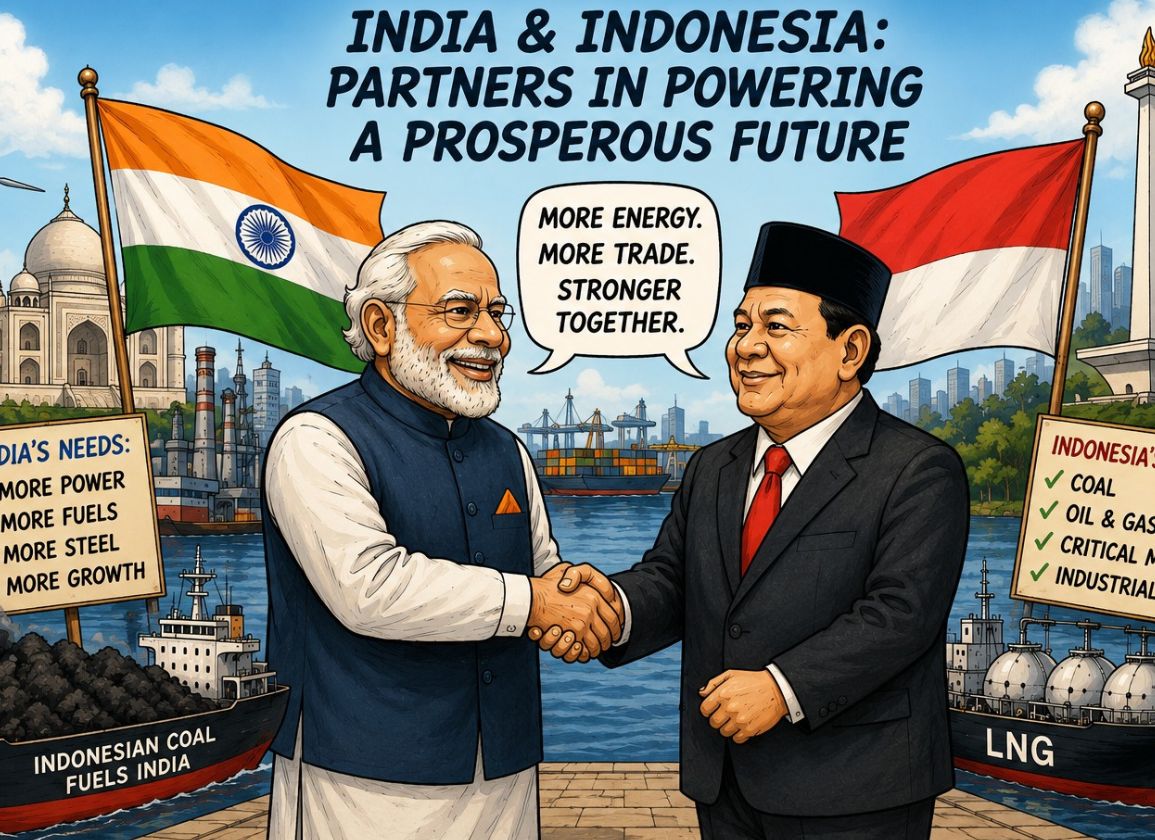
India es el país más poblado del mundo e Indonesia, el cuarto. Juntos, representan a 1.800 millones de personas. En el primer lugar de su agenda se encuentra una enorme expansión del comercio energético.
India is the world’s most populous nation, and Indonesia the fourth. Together, they represent 1.8 billion people. At the top of their agenda is a massive expansion of energy trade.