Measuring Meaningless Climate Actions
What would Americans gain from eliminating every ton of carbon dioxide emitted from the use of fossil fuels in the United States? The answer, says Vijay Jayaraj, is nothing.
What would Americans gain from eliminating every ton of carbon dioxide emitted from the use of fossil fuels in the United States? The answer, says Vijay Jayaraj, is nothing.
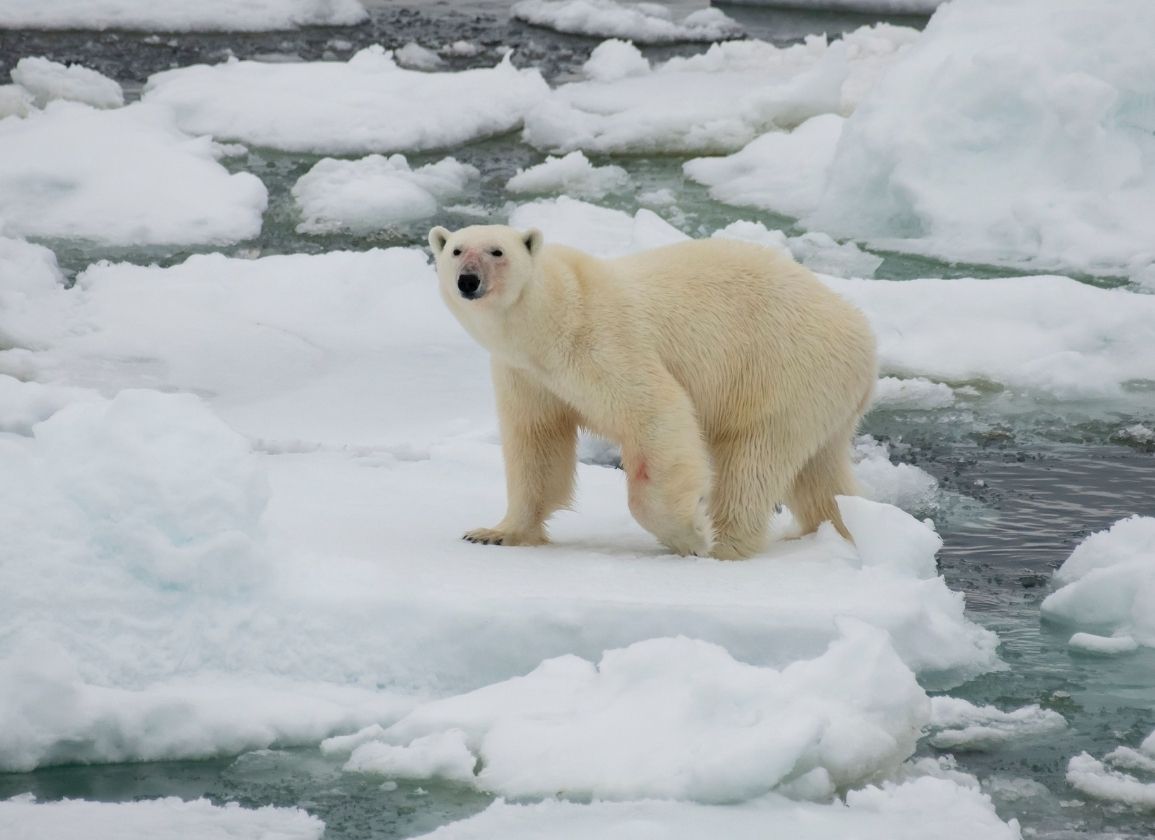
Why are the climate ambulance chasers now way out in Nepal? The reason is that there’s little weather action anywhere else that would support the alarmist climate narrative – not even in the Arctic, says Pierre Gosselin.
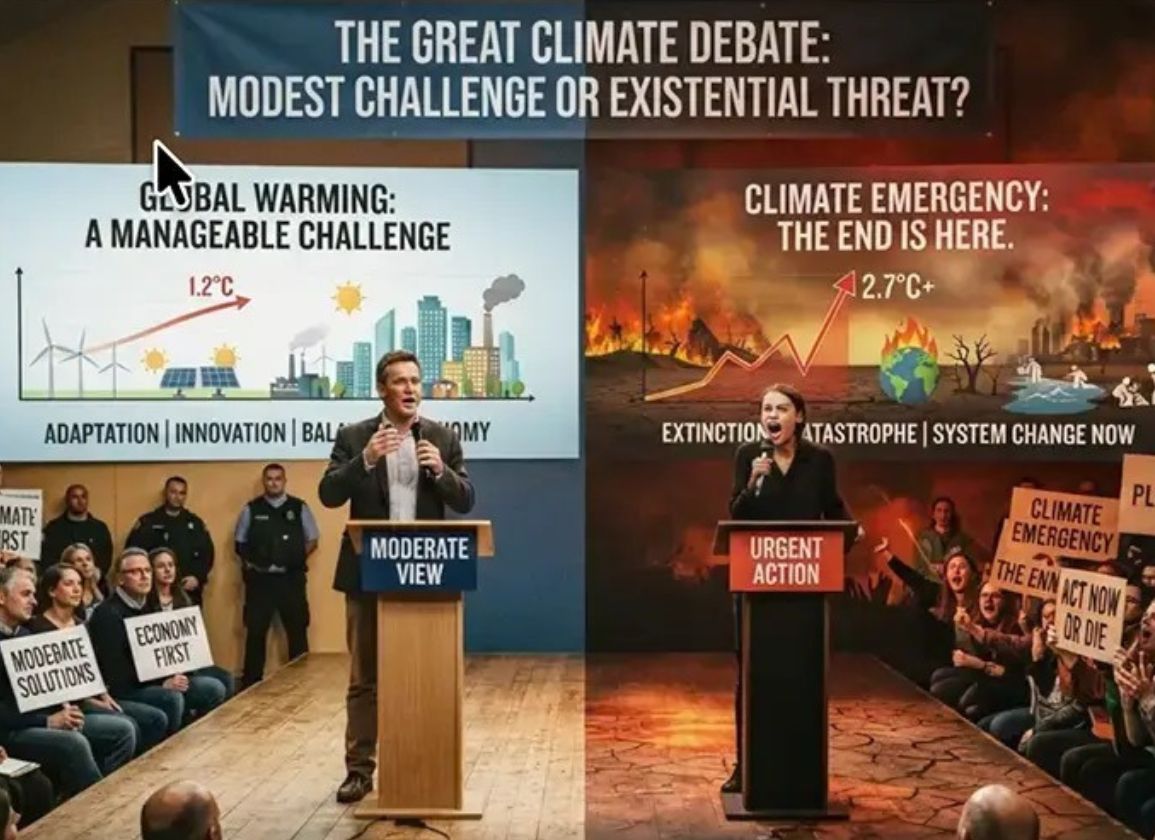
Human-caused global warming is a modest problem. It is not an existential threat to humanity, says popular American meteorologist Cliff Mass.
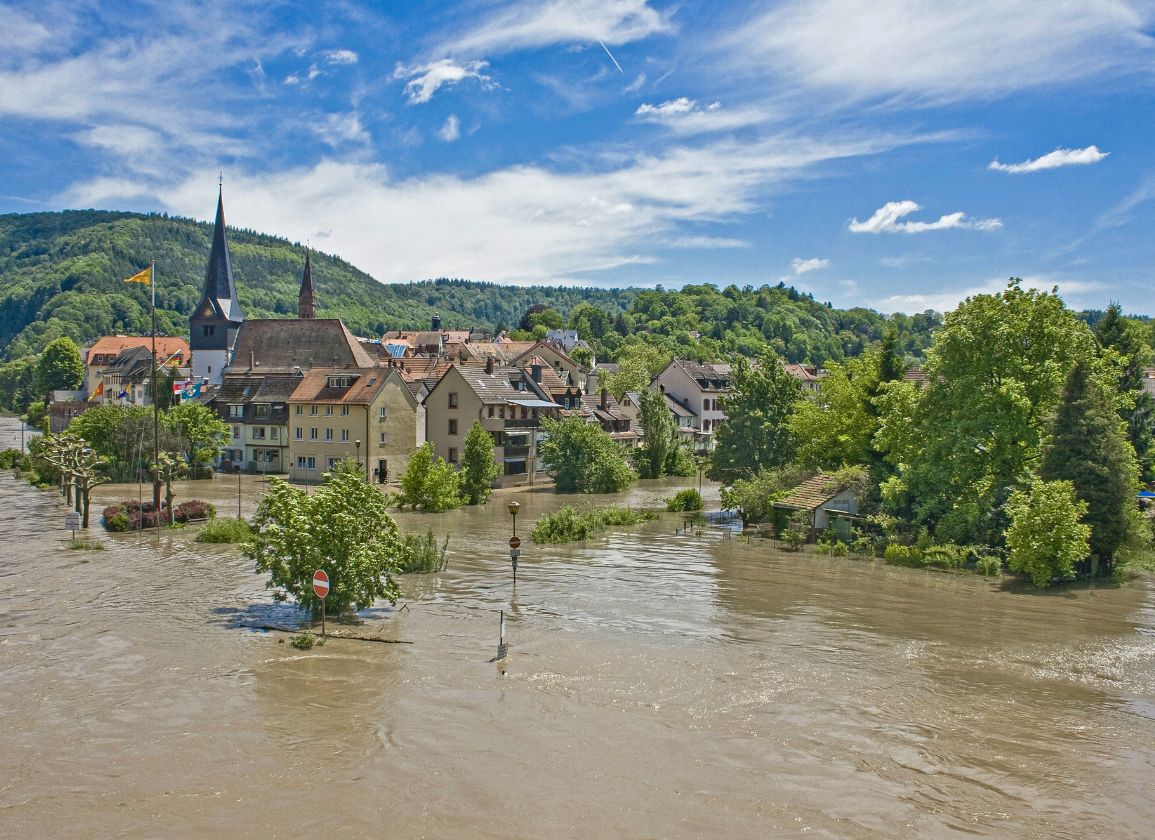
In a series of articles on extreme weather attribution, physicist Ralph B. Alexander examines whether observational evidence supports claims that weather extremes are becoming more frequent or intense. Following his previous article on droughts, this installment focuses on floods.
Chris Martz, Meteorologe und „Anti-Greta Thunberg“, glaubt, dass zumindest ein Teil der jüngsten globalen Erwärmung menschengemacht ist. „Aber ich renne jetzt auch nicht wie ein hysterisches Huhn herum.“
Chris Martz, météorologue et « anti-Greta Thunberg », pense qu'une partie au moins du réchauffement climatique récent est d'origine humaine. « Mais je ne cours pas non plus dans tous les sens comme une poule mouillée. »
Chris Martz, meteorologist and “anti-Greta Thunberg”, thinks at least some of the recent global warming is man-made. “But I'm also not running around like a hysterical chicken either.”
Presque tous les titres et articles alarmistes des médias traditionnels sur le climat publiés au cours des 15 dernières années sont des inepties, affirme Chris Morrison.
Almost every fearmongering mainstream media climate headline and story that has been written over the last 15 years is junk, says Chris Morrison.
Dans une conférence récente, le professeur William Happer a démontré que même l'élimination complète de tous les ruminants ne réduirait les températures mondiales que d'environ 0,05 °C. Cet effet est si faible qu'il remet en question la justification de politiques d'atténuation agressives ciblant ces animaux producteurs de méthane, comme les vaches.